COMEDOR AZUL
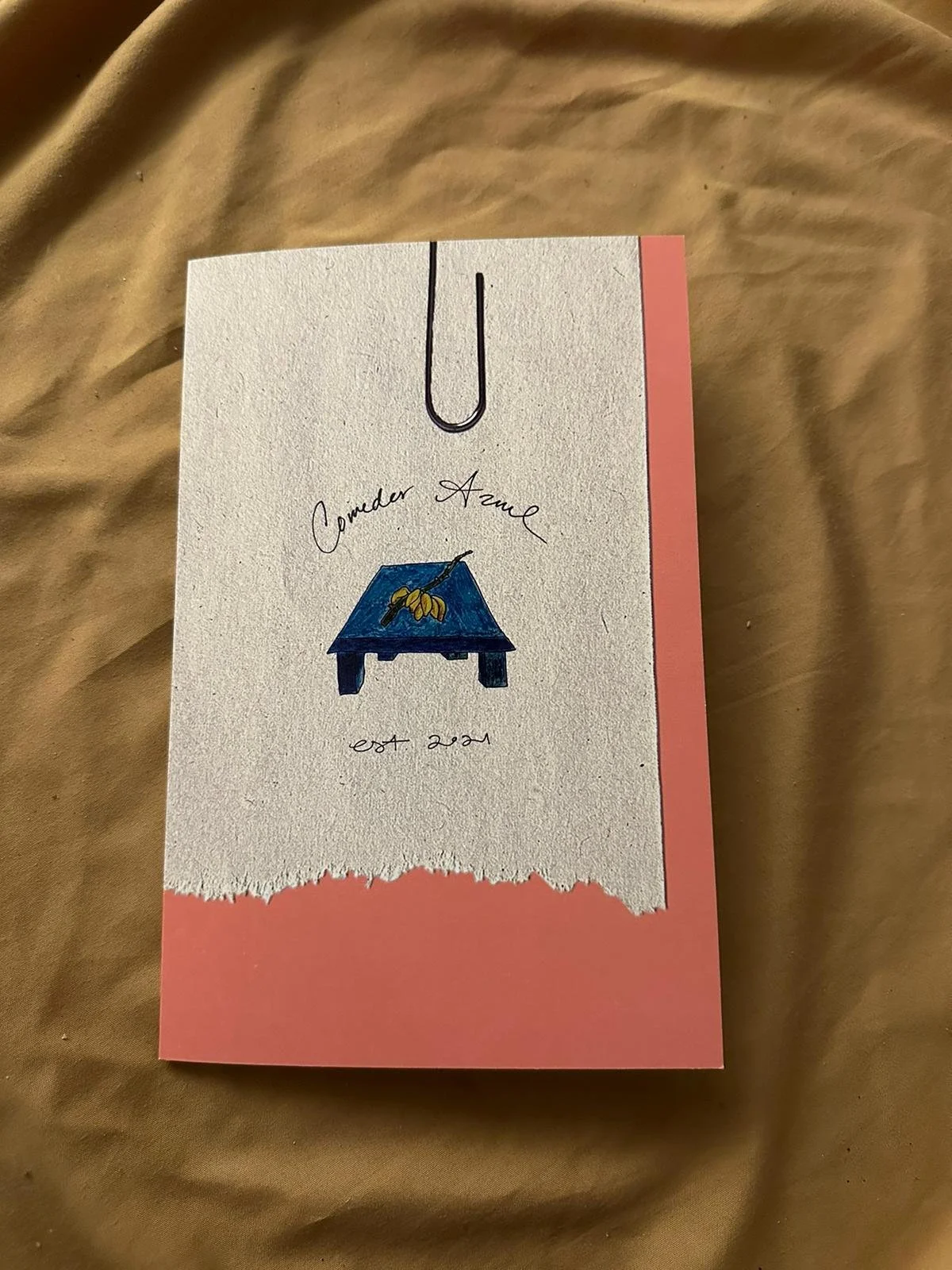
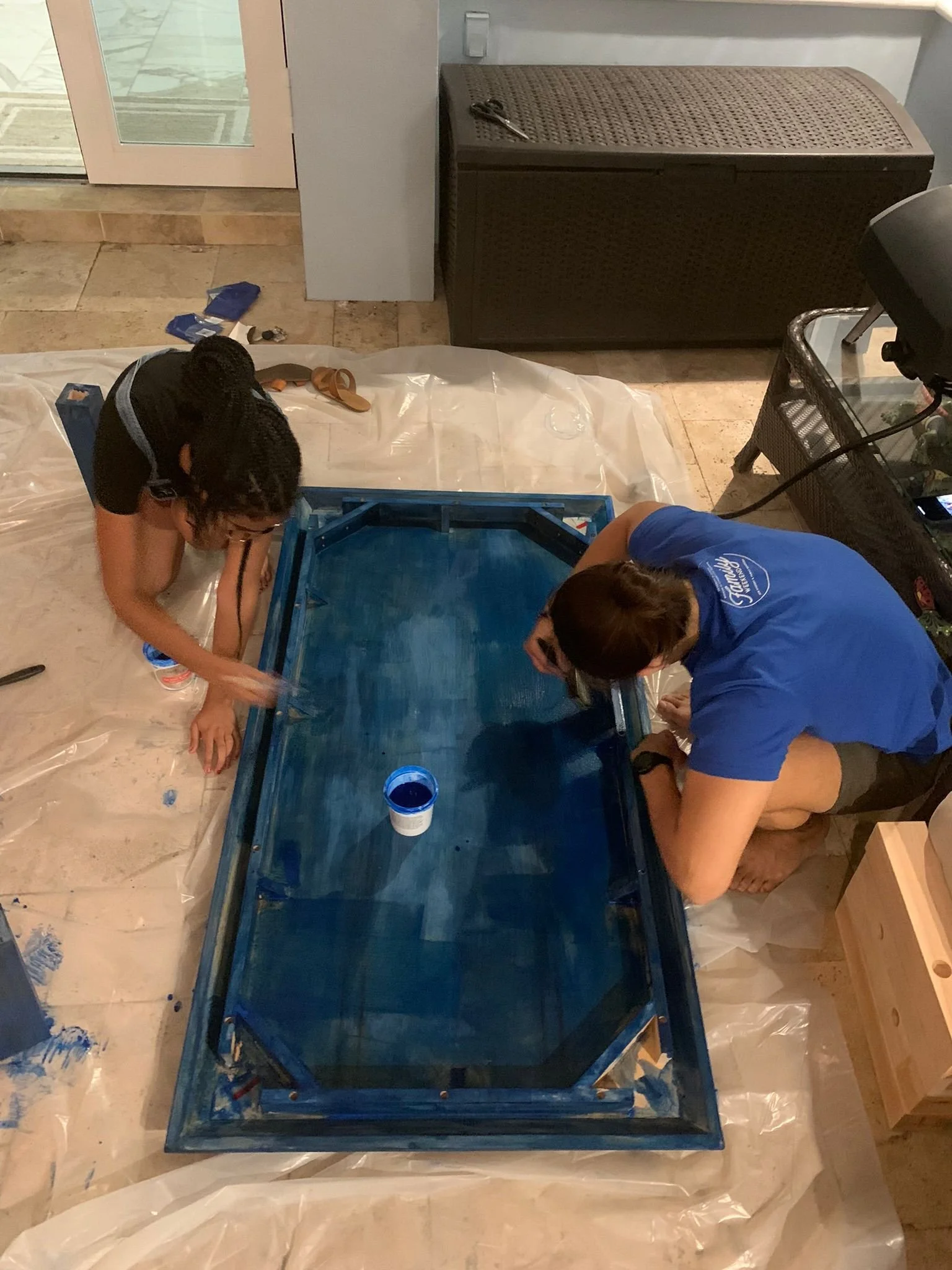
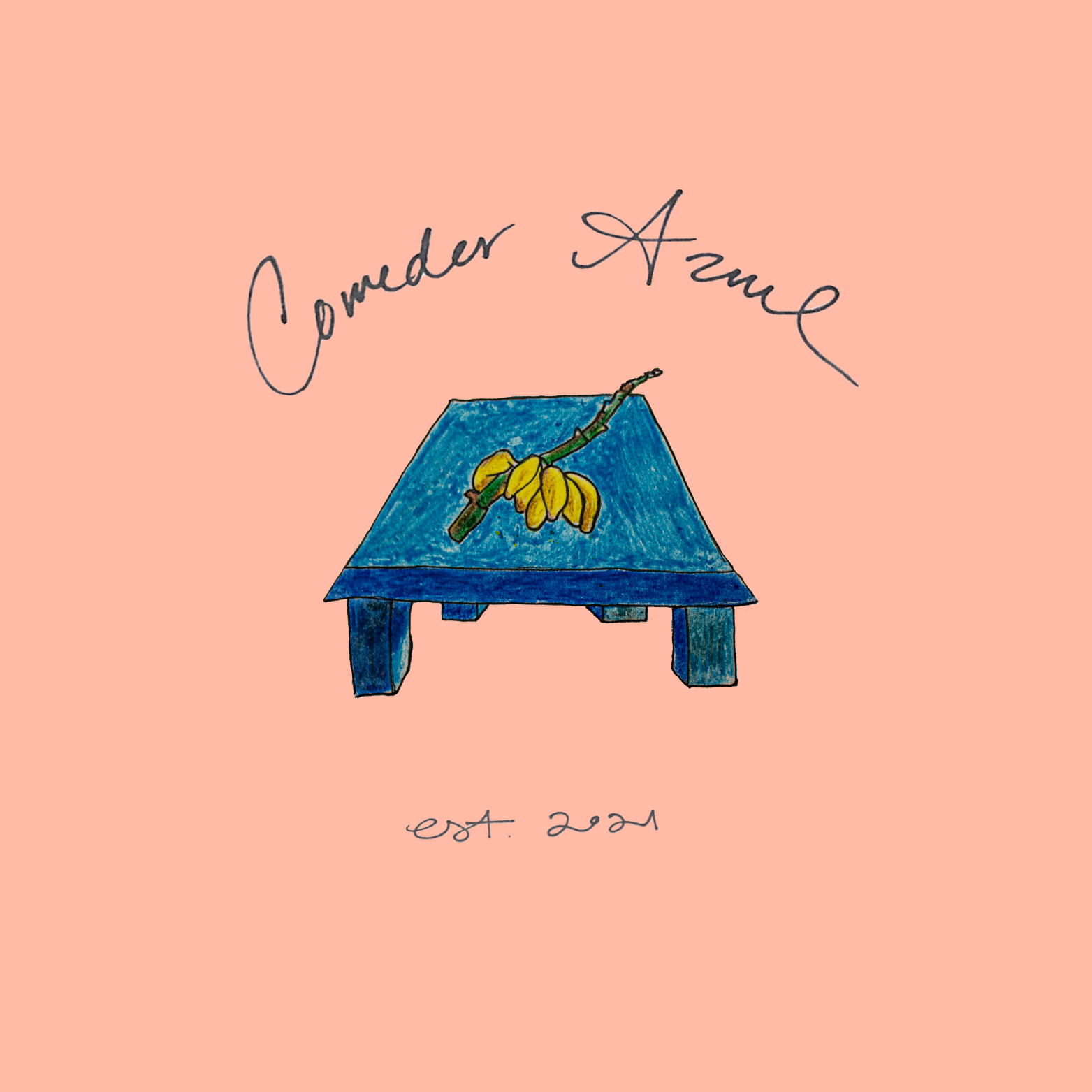
Comedor Azul (2021-2024) was an art collective founded by Amaris Cruz-Guerrero, Les Gomez-Gonzalez, and Joaquín Stacey-Calle. The project consisted of a blue table that traveled to different communities in an effort to share, listen, and sit together.
***
Our practice centers the reintroduction of foods through the decolonization and reimagining the of sharing these meals and the collective effort to nurture and ground as we aim for an idealized future in which we design ways to foster regenerative ideas, systems, and processes that are ultimately designed with our humanity in mind and with full respect and harmony with Nature.
We gather and breathe the same air. Our feet touch the same floors/soils/grasses. A meal is prepared and shared during our gatherings as it is as necessary to eat together as it is to breathe together.
Our goal is to reintroduce the ways we look at food, talk about food, source food, cook food, eat food, and share food. This allows us to be in living relationship to food- a reclaiming of Black and Indigenous food knowledge from our motherlands: Republica Dominicana, Puerto Rico, Nicaragua, and Ecuador. Our mission is to nurture, educate, and build community. We center kincentric ecology, intersectional ecofeminism, food sovereignty and amplify the voices and stories of historically marginalized peoples like Black and Indigenous communities.
At our heart-center is a space that cultivates self, and community healing and care. We plan to celebrate radical joy, honor our ancestors and intergenerational community. And most importantly, provide a safe, inclusive and compassionate space that is actively seeking liberation for all. This Is a human-nature relationship. The land has to get to know us first in order to proceed. The notion that we are not separate from nature but an integral component. By “eating the landscape,” we are intentionally gathering our ingredients, preparing the food, and in communication with the land and people.
Many grandmothers and grandfathers have dedicated their lives to the practice and preservation of ancestral knowledge. It is our birth right to reclaim our ancestral knowledge, and we must go east and slowly; because we will never recover from colonization. However, we are on a path towards resilience and sovereignty. This is more than a project. This is a practice that connects us to a source that is greater than ourselves. We are collectively manifesting and visioning a world where we can connect with the land and our cultural identity. We want to engage with Miami’s diverse population which is primarily made up from the Caribbean, Central America, South America and the First Nations such as The Seminole Tribe of Florida and the Miccosukee Tribe of Indians of Florida. We want to connect to those who are in need of nutritious food, to those who are in need of work, to those are the symbol of the agricultural community, to farmworkers and their families, to sustainable business, to activists, and to local women gardeners. We want to engage with those who are willing to listen and share traditional wisdom- the rest of the community and beyond.
We acknowledge that the territory now known as “South Florida” has been the traditional homeland of Native nations, including the Calusa, the Tequesta, and today the Miccosukee and the Seminole. We pay our respects to Elders past and present, and extend that respect to all First Nations people present today.
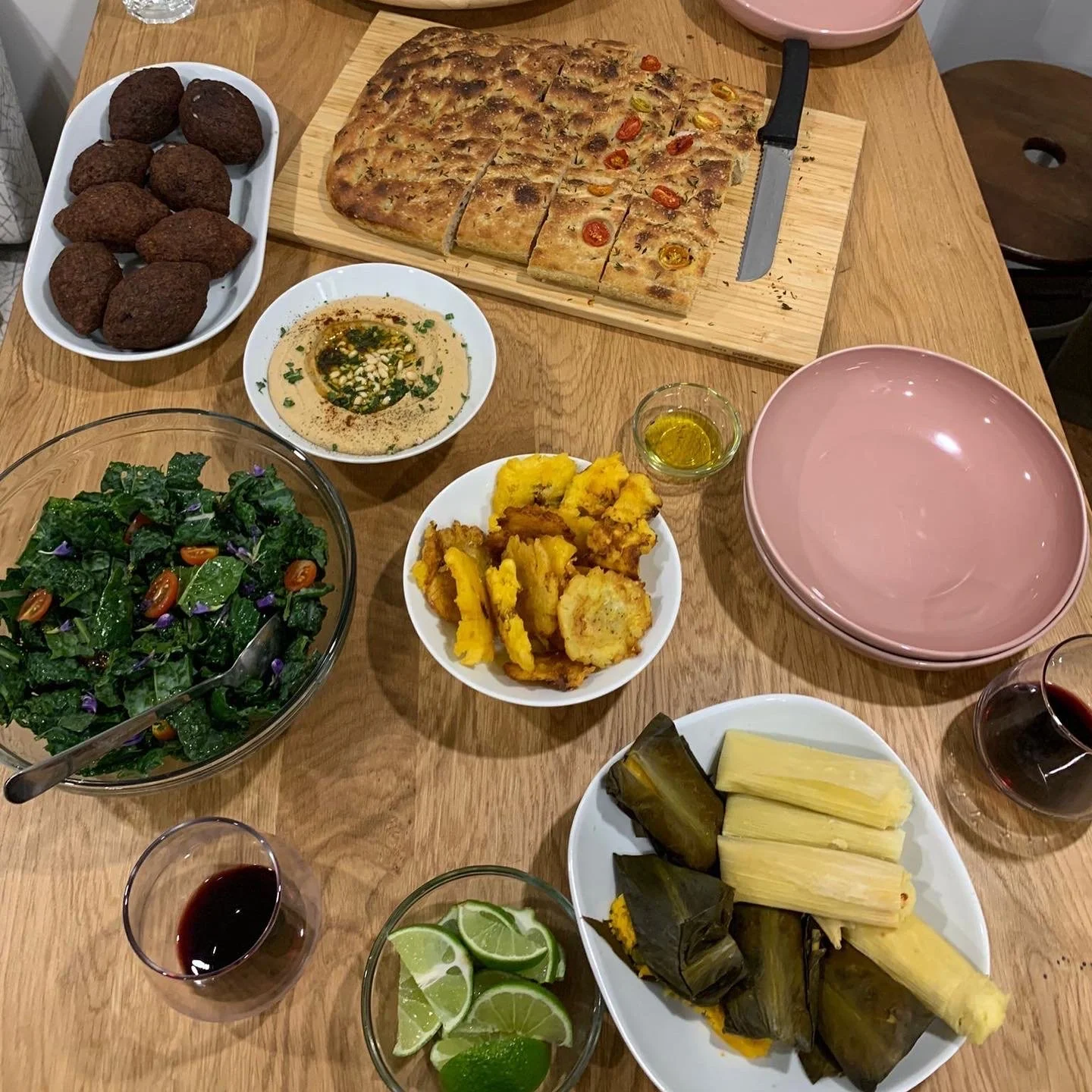
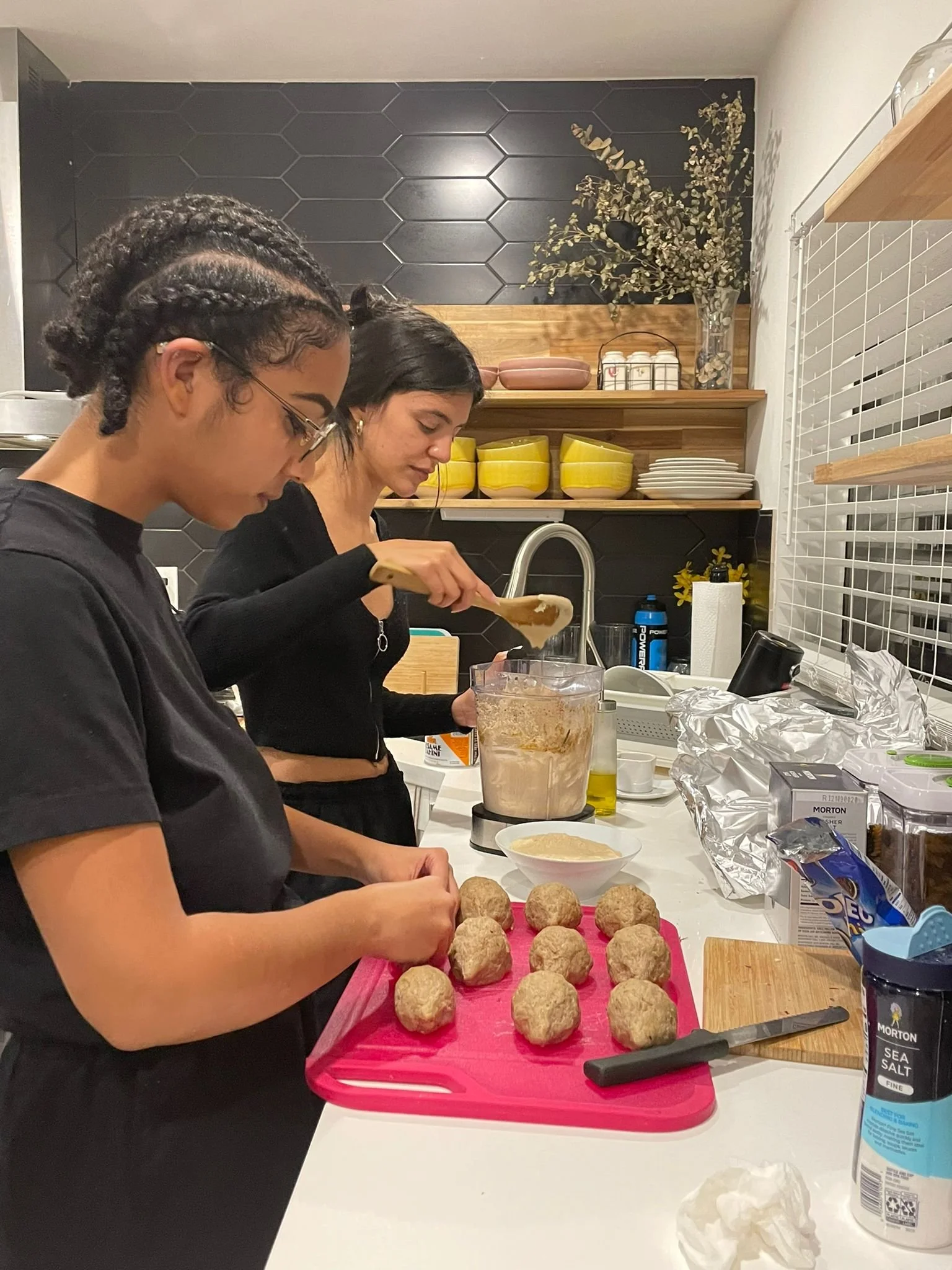
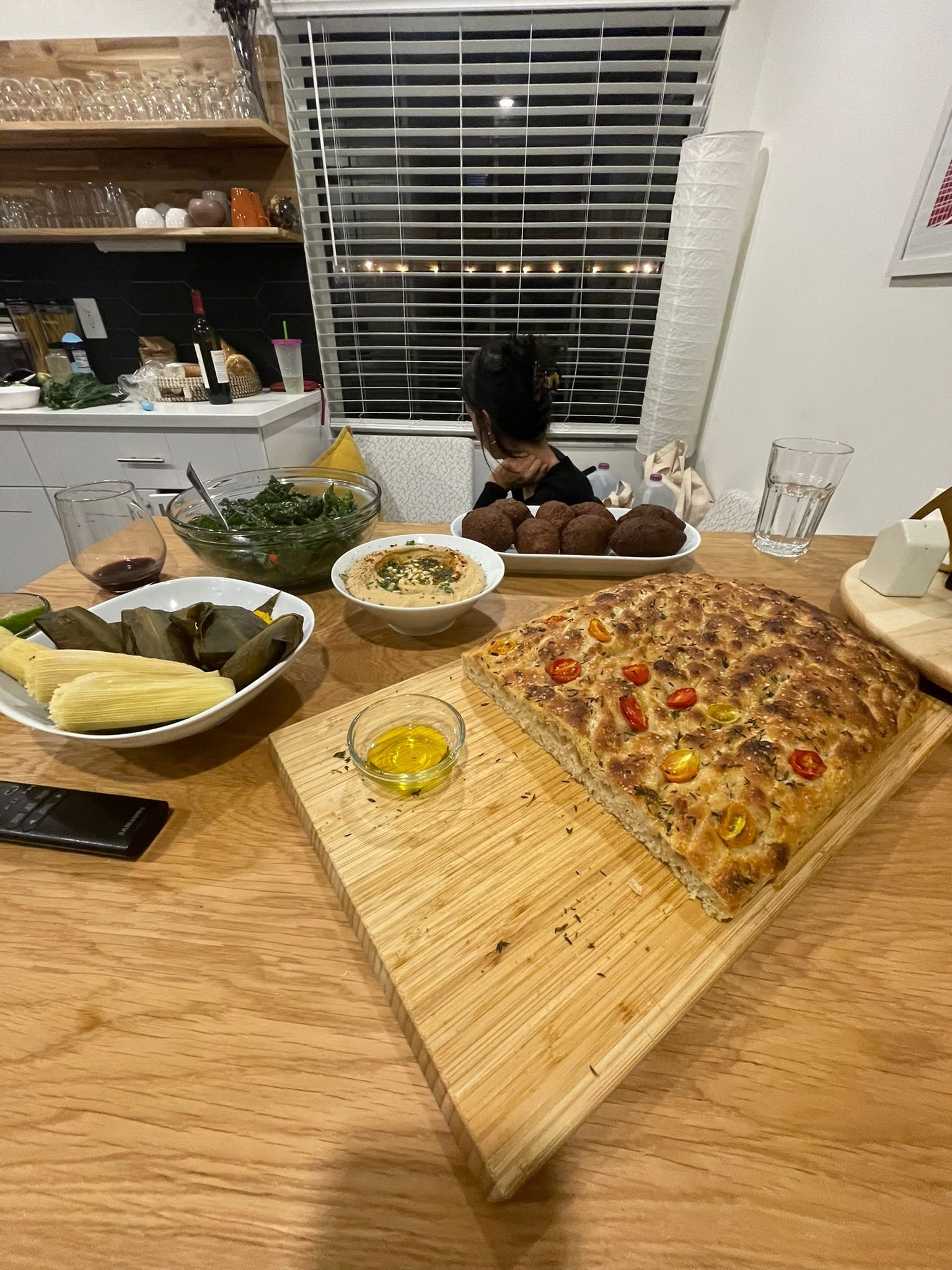
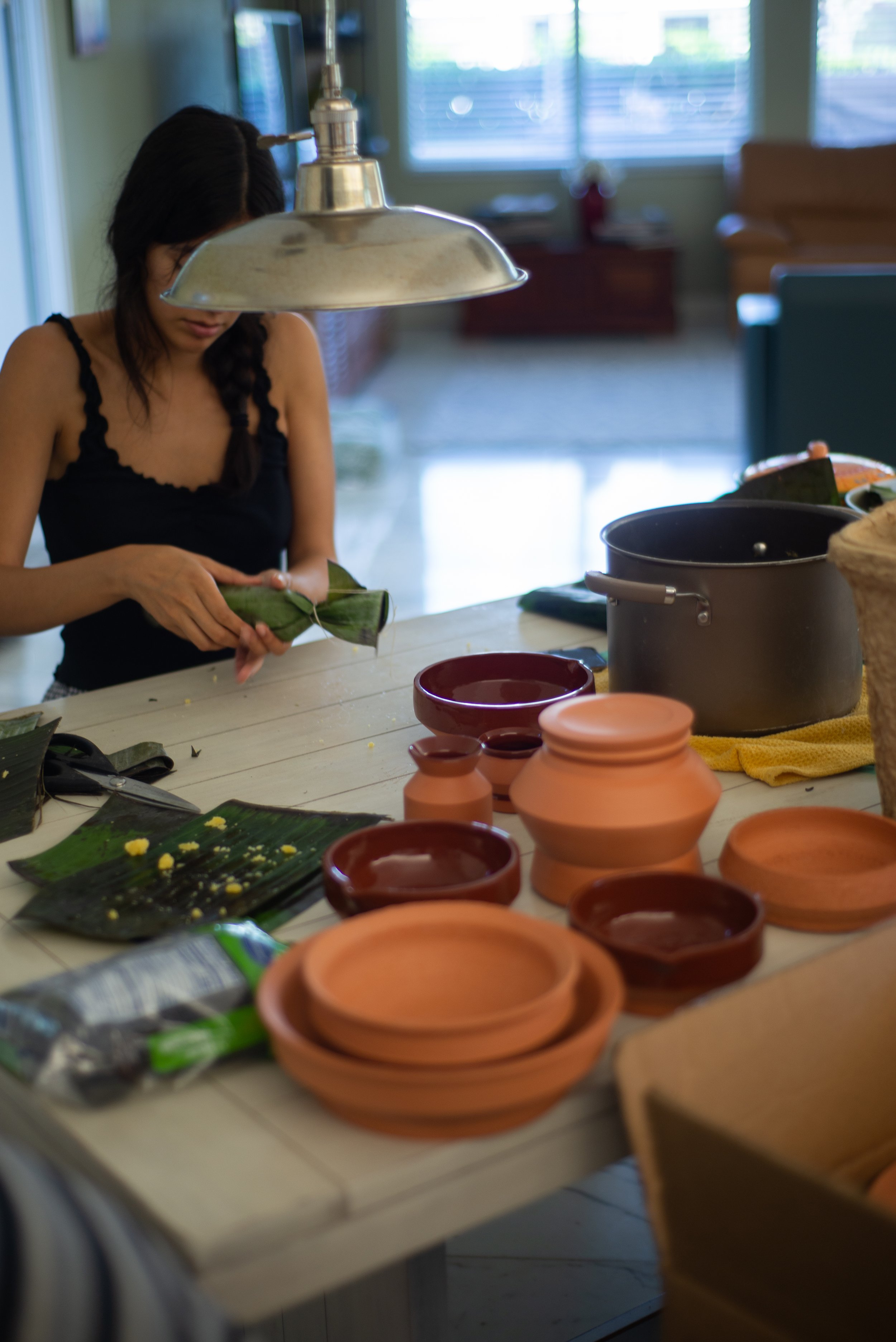
the first time we cooked together | January 2022 | Les' House | Kendall, Miami, FL
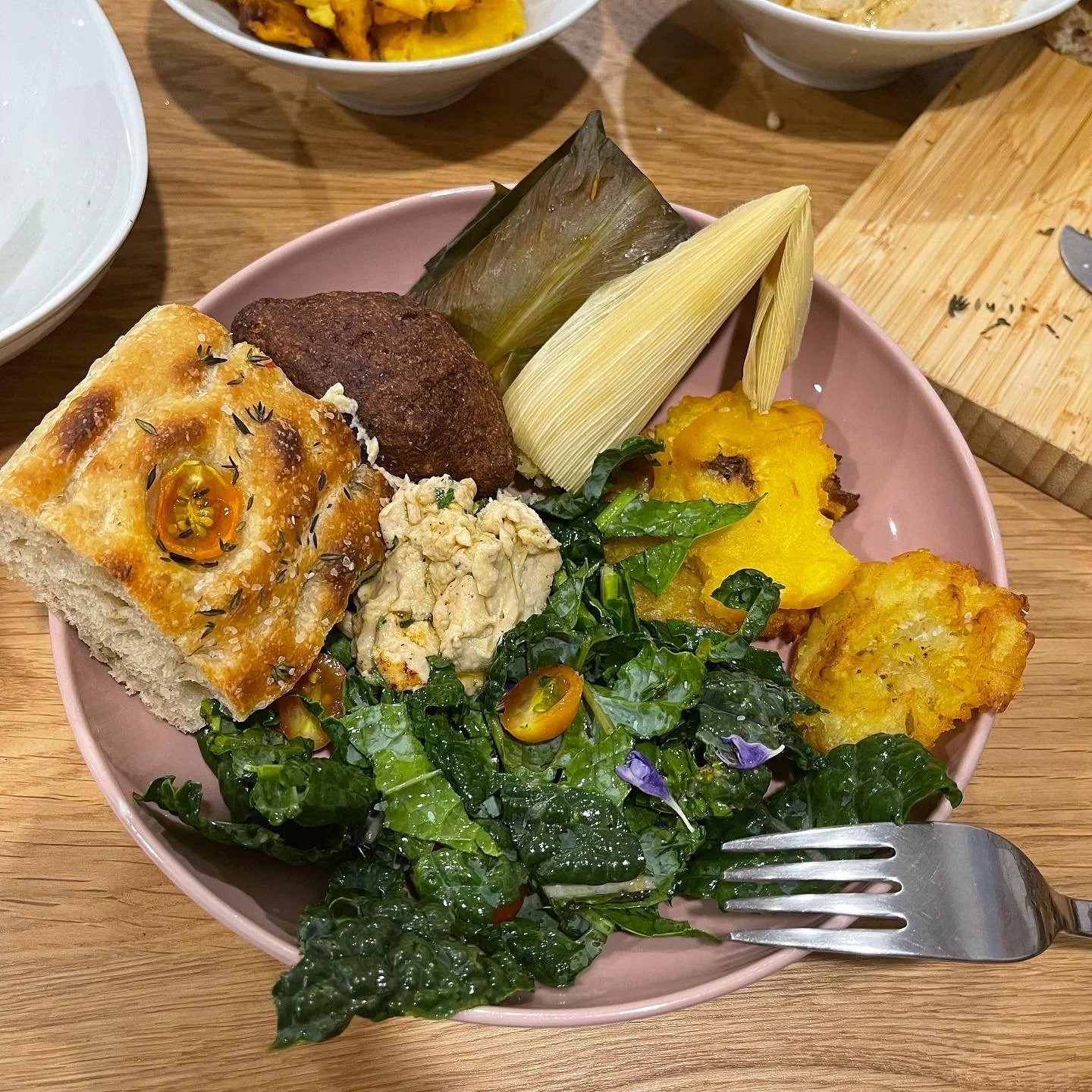
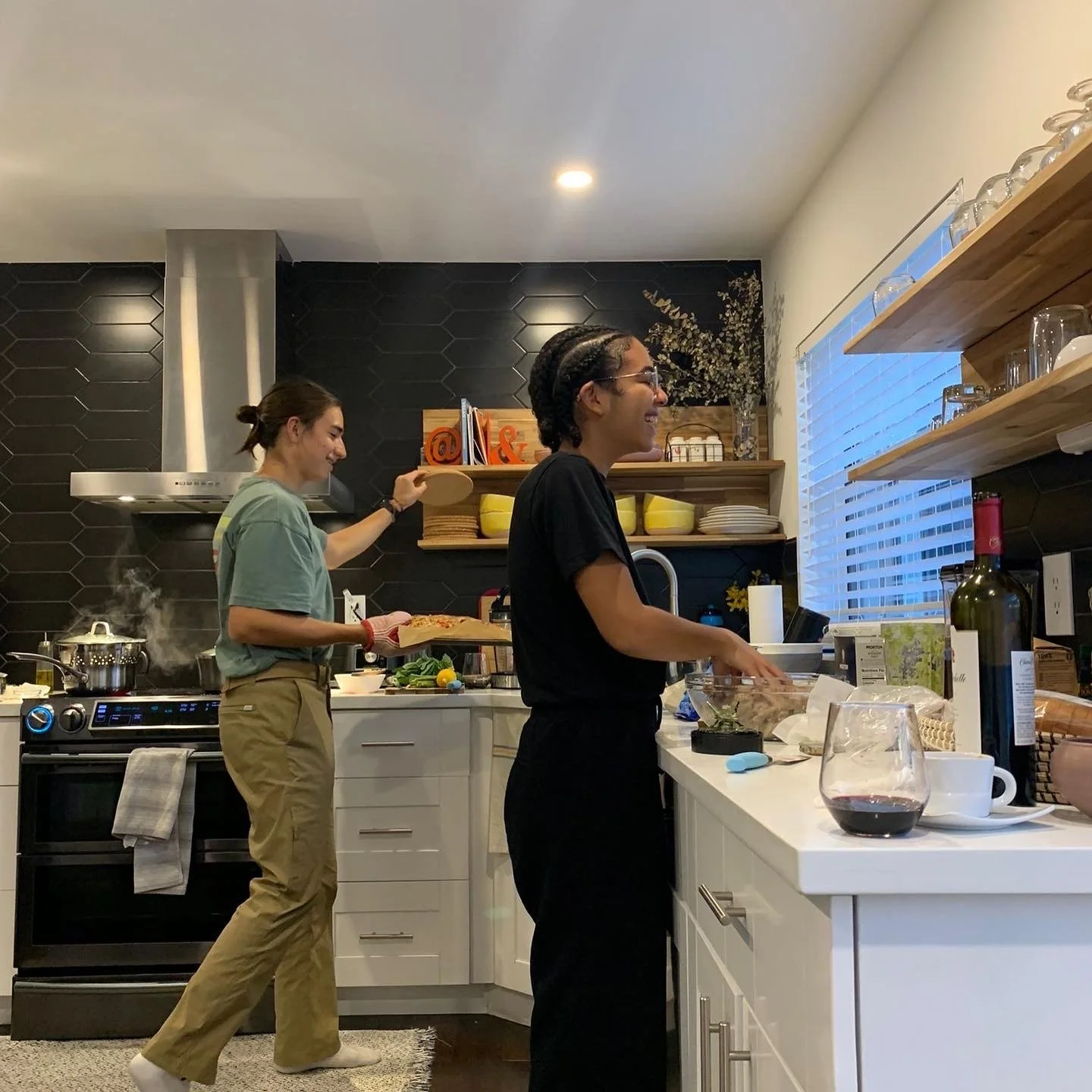
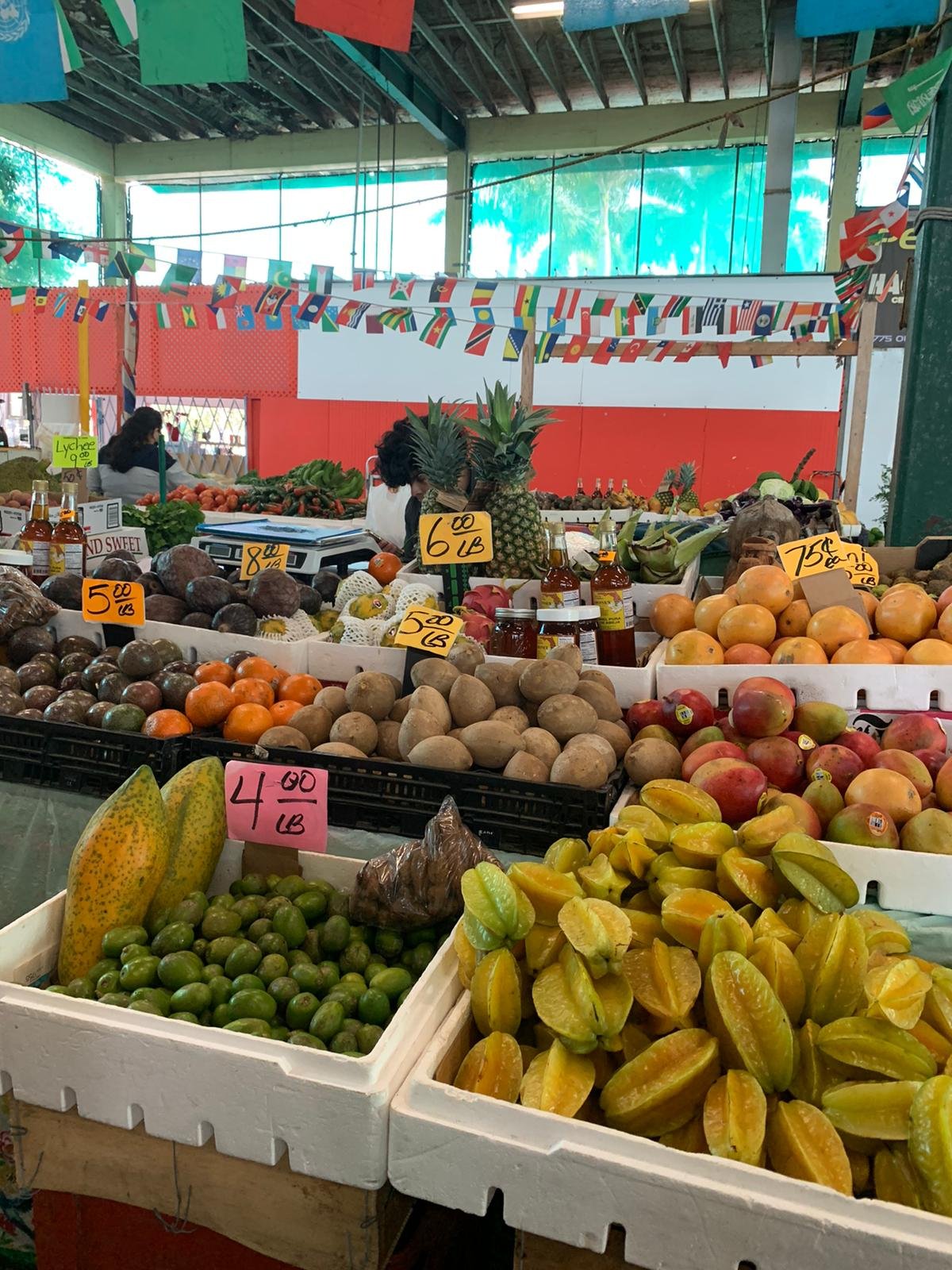
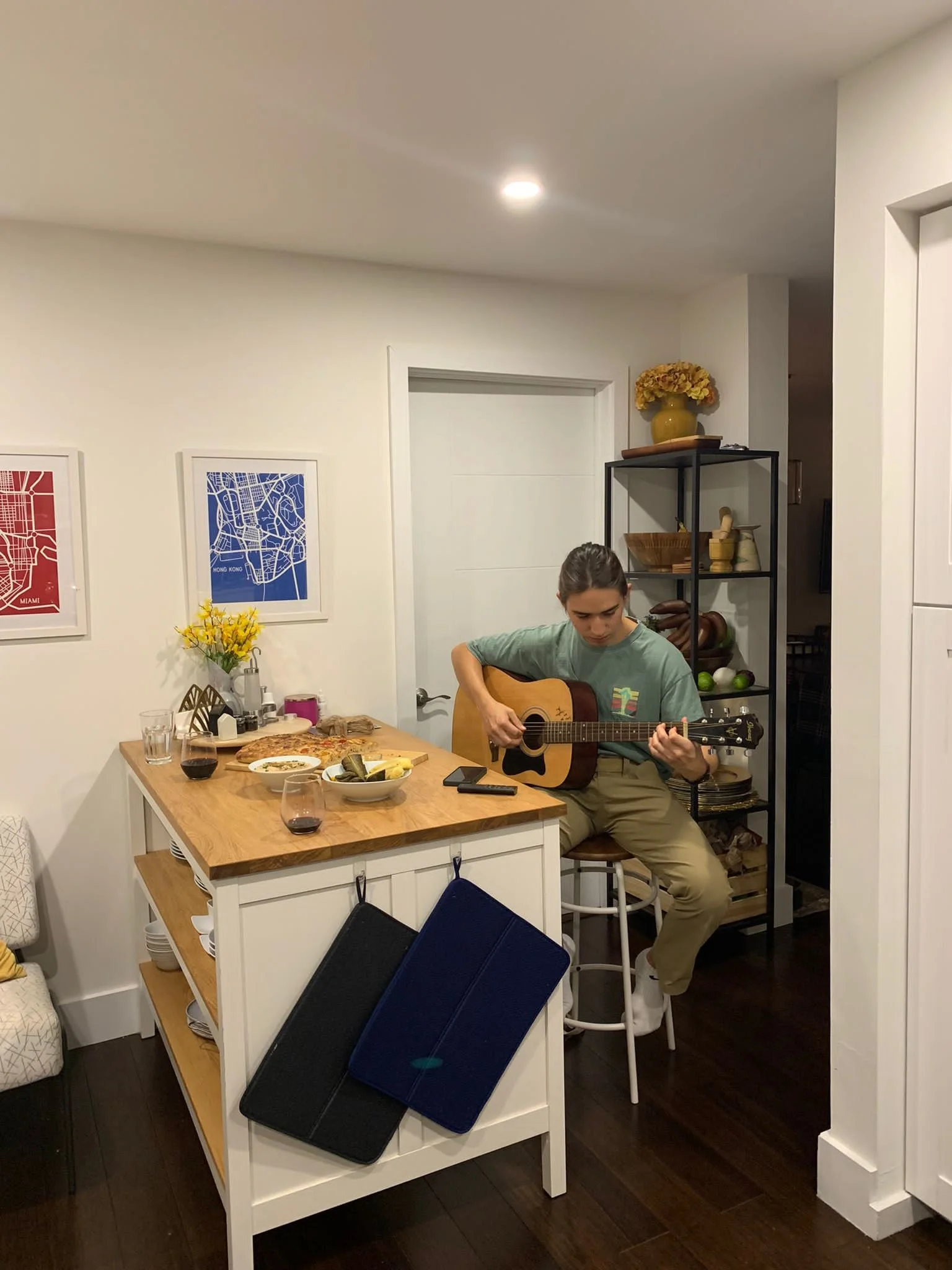
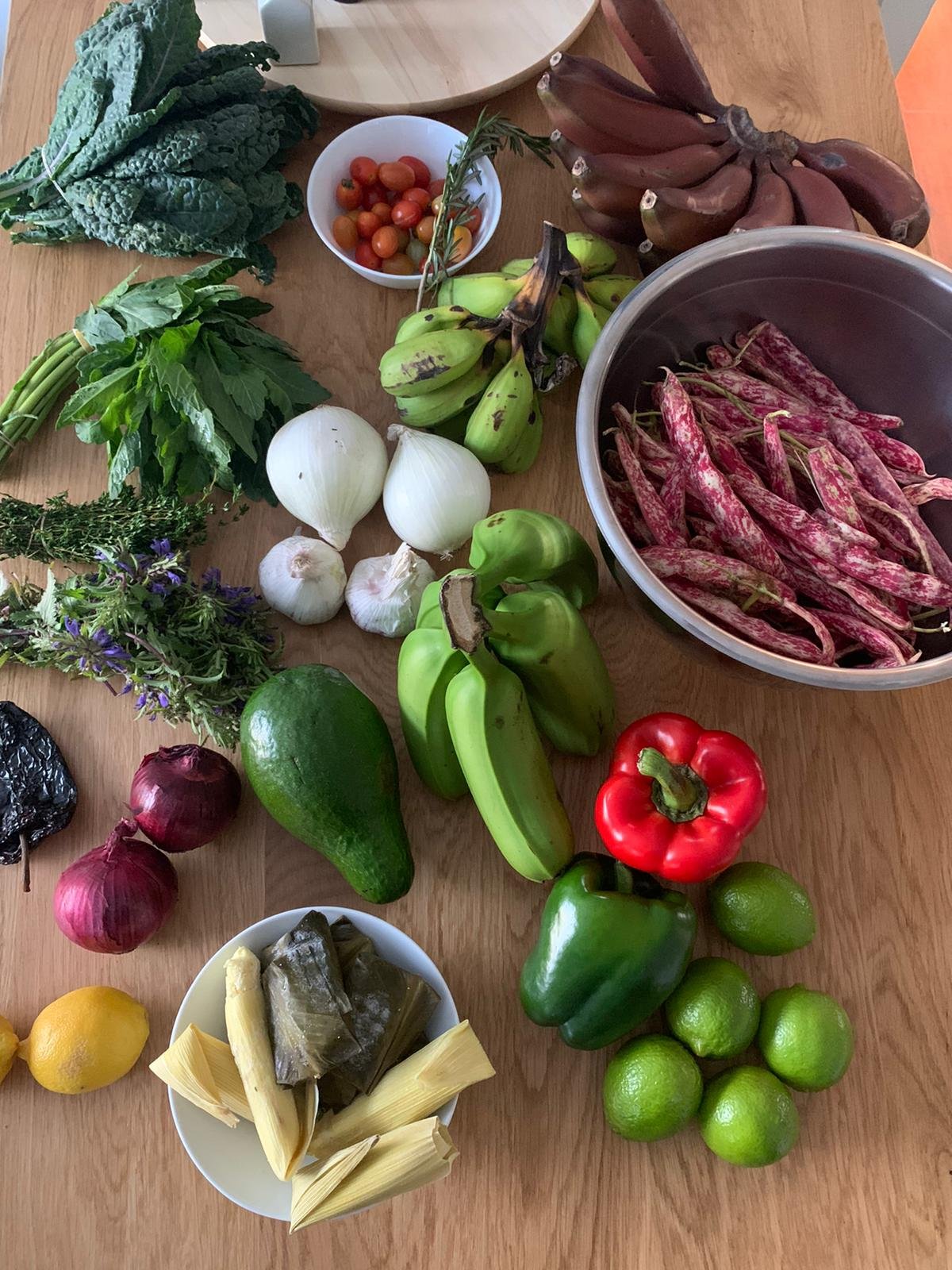
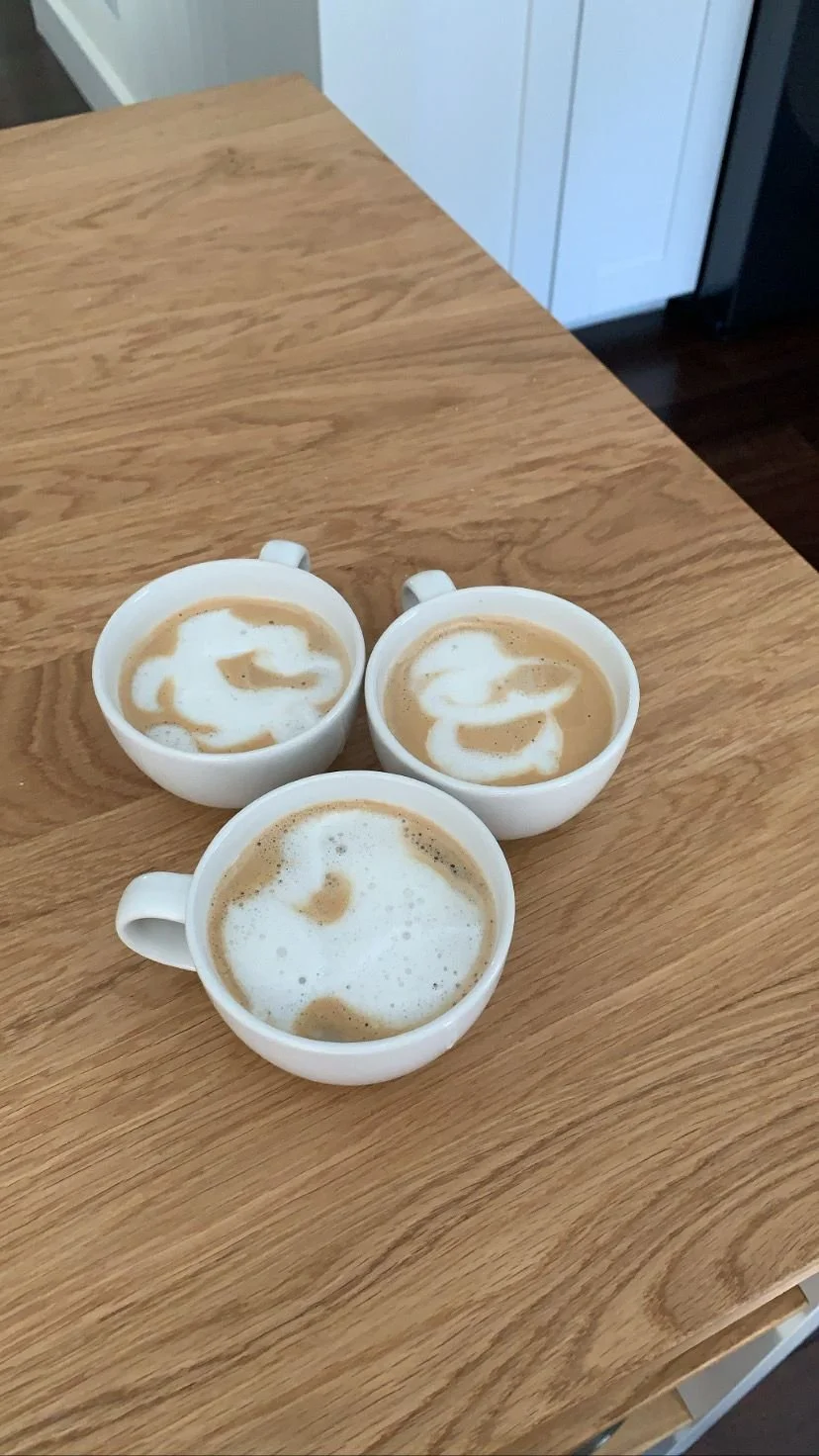
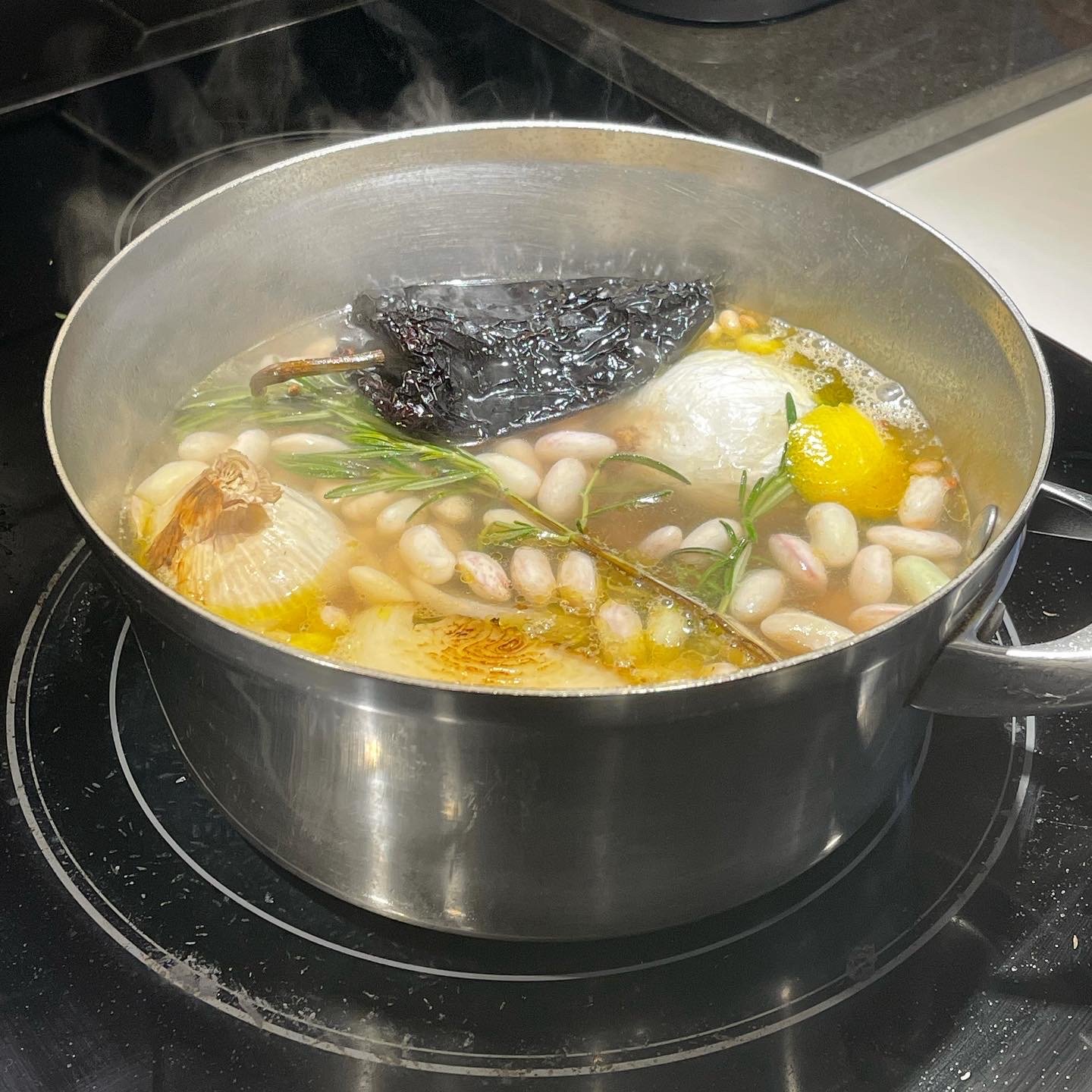
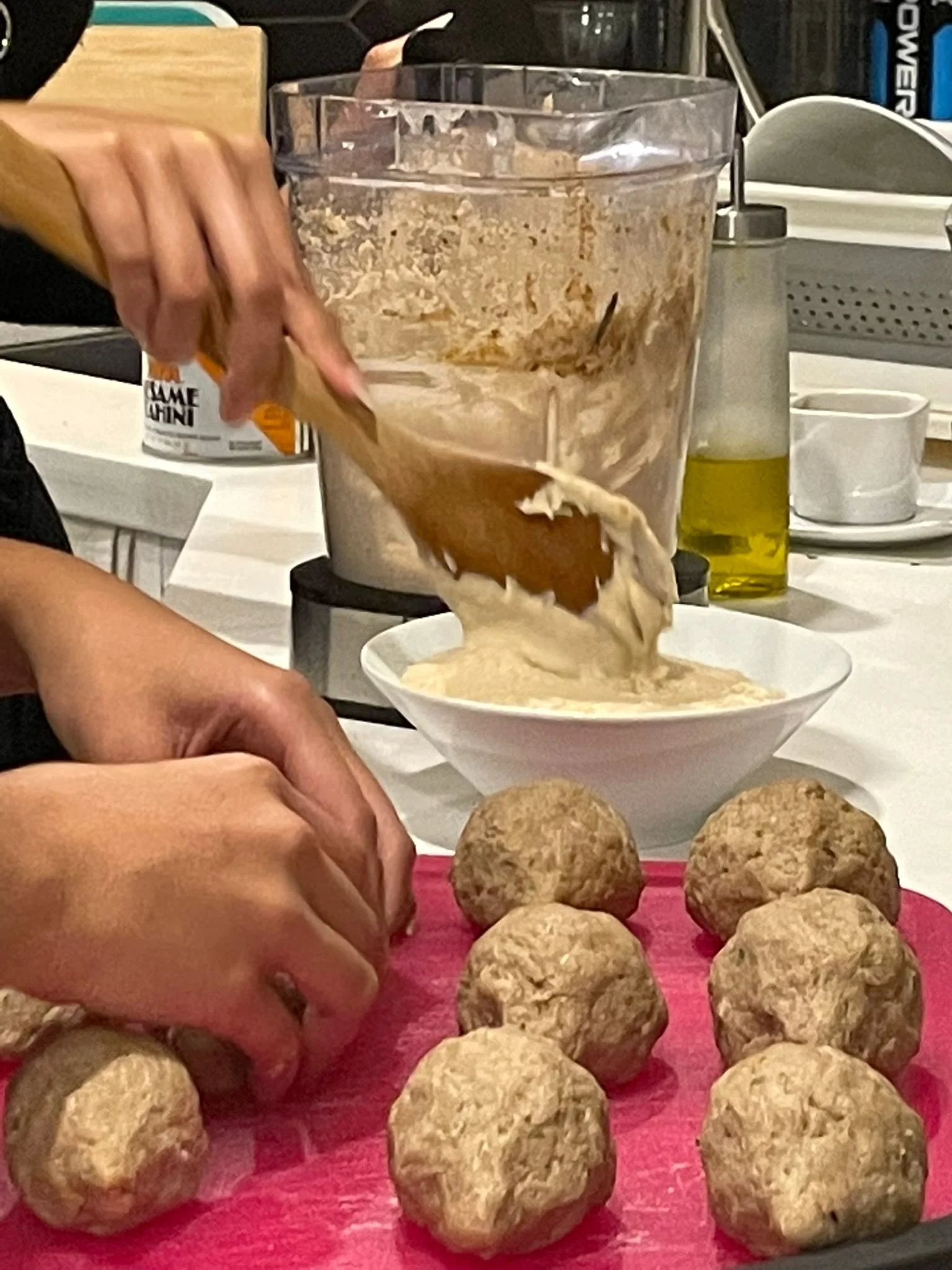
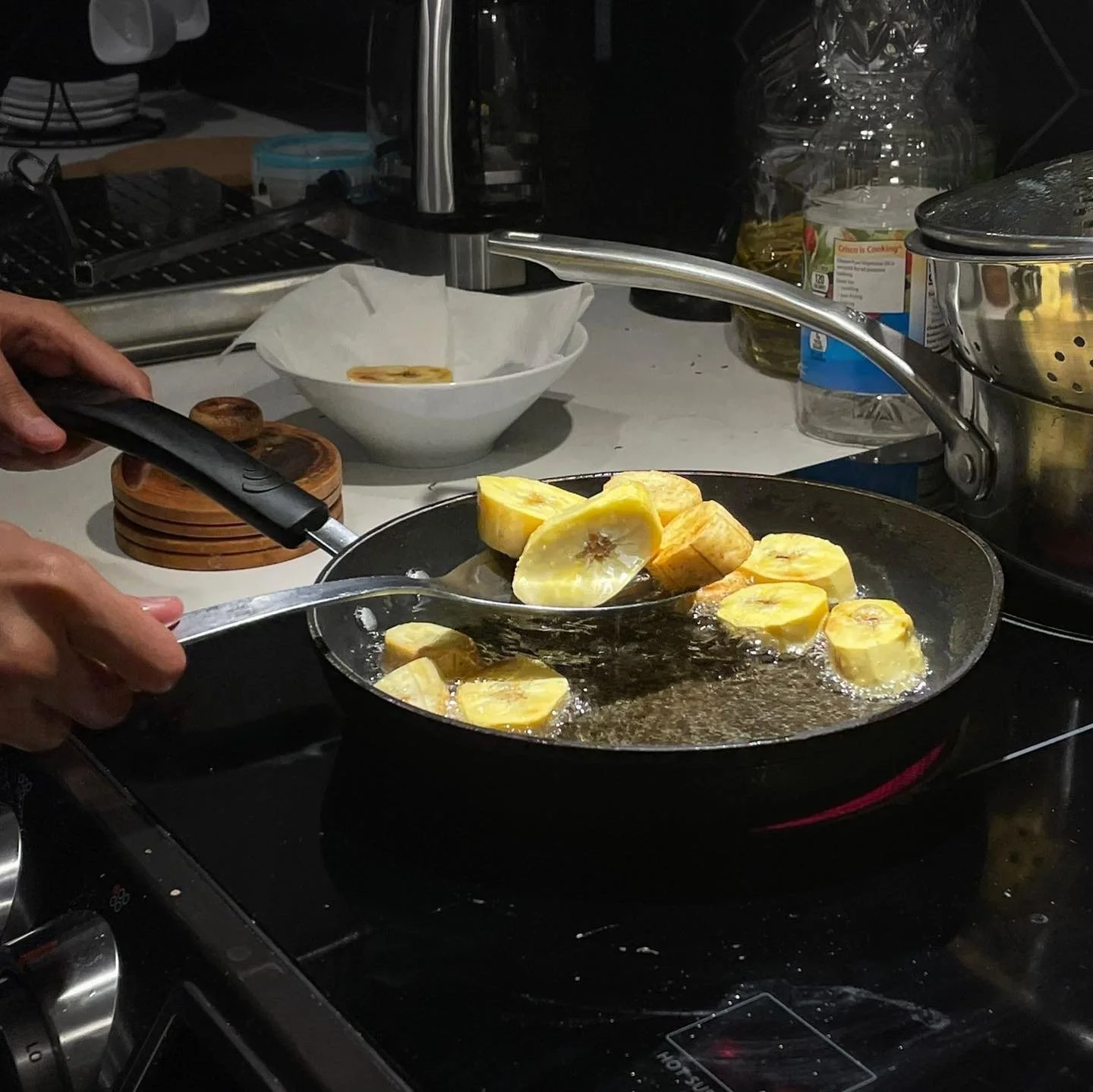
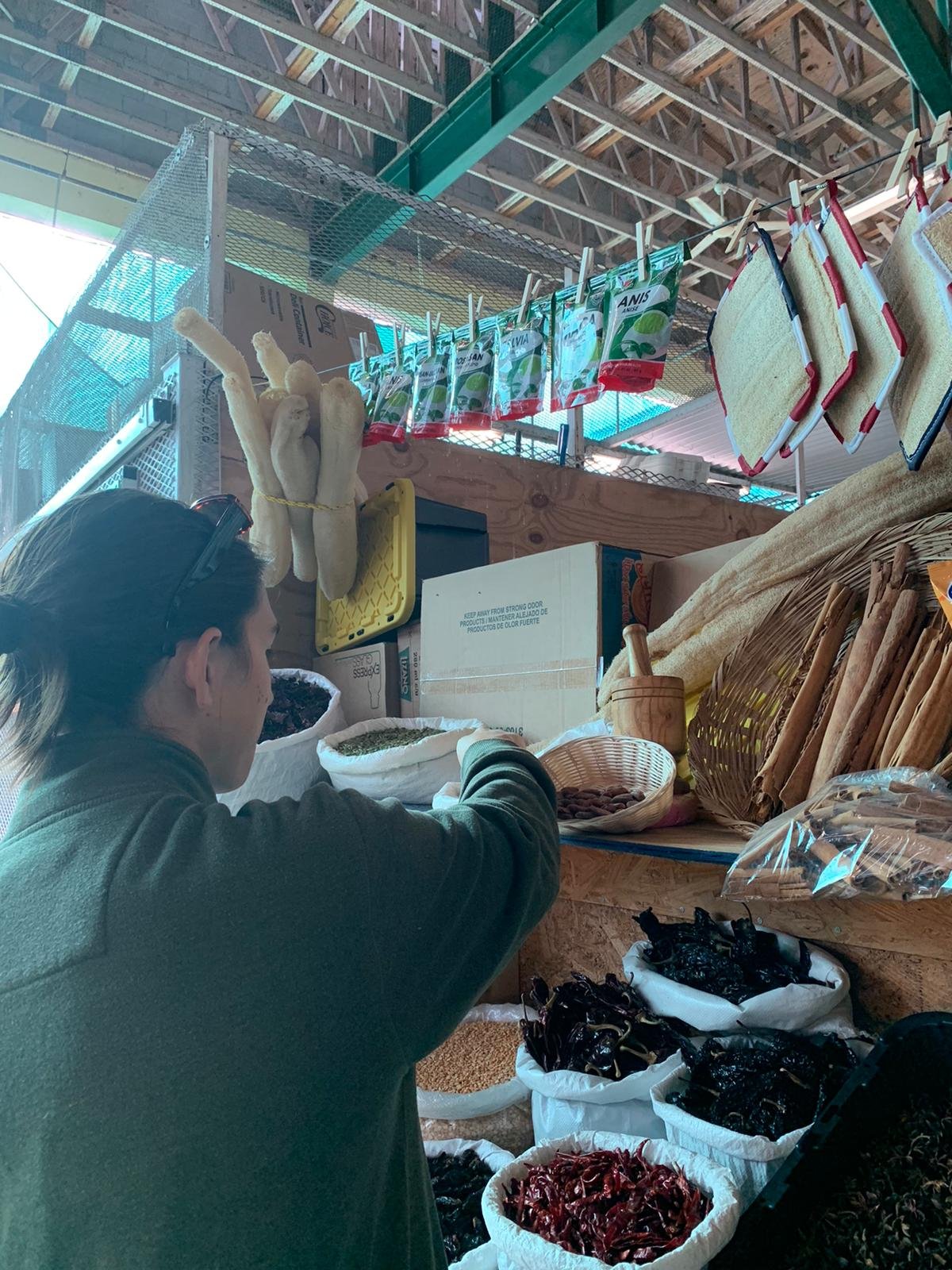
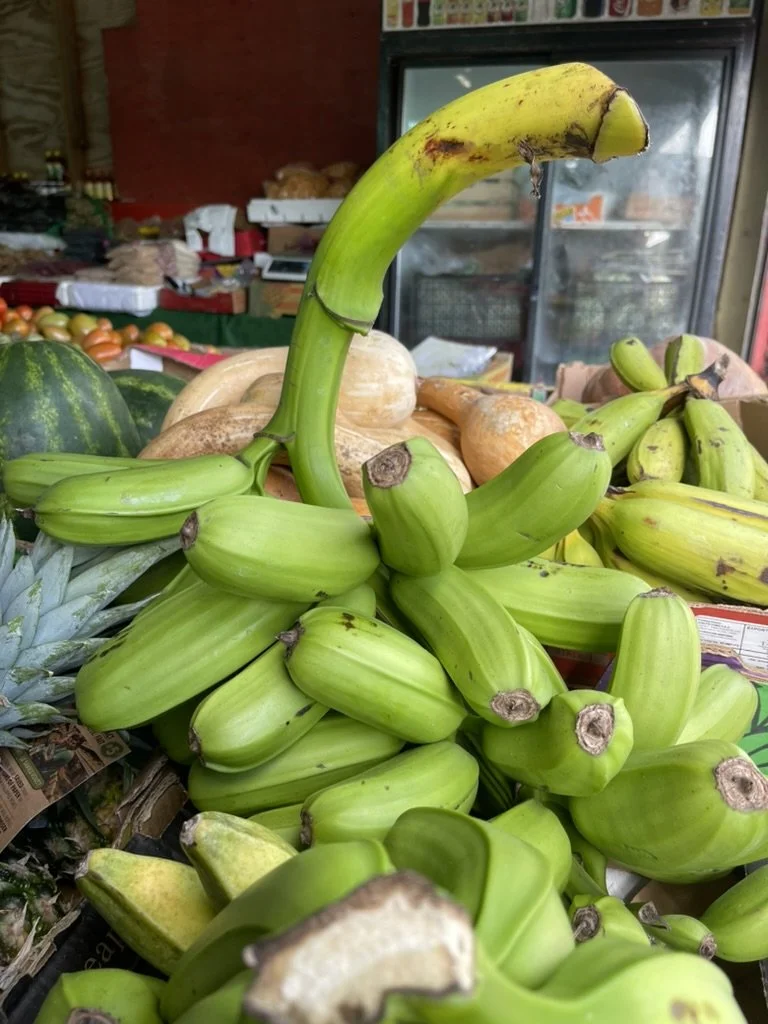
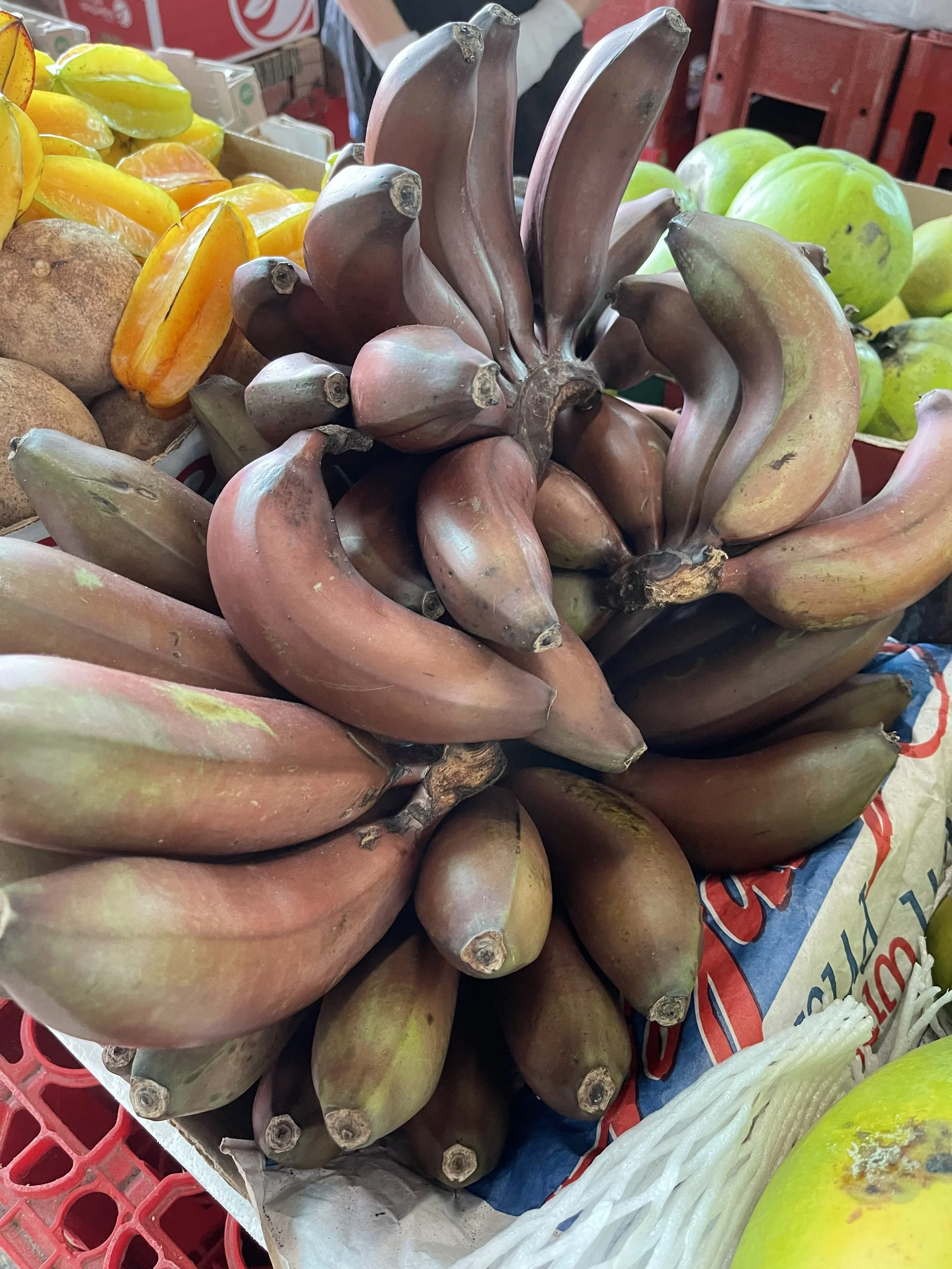
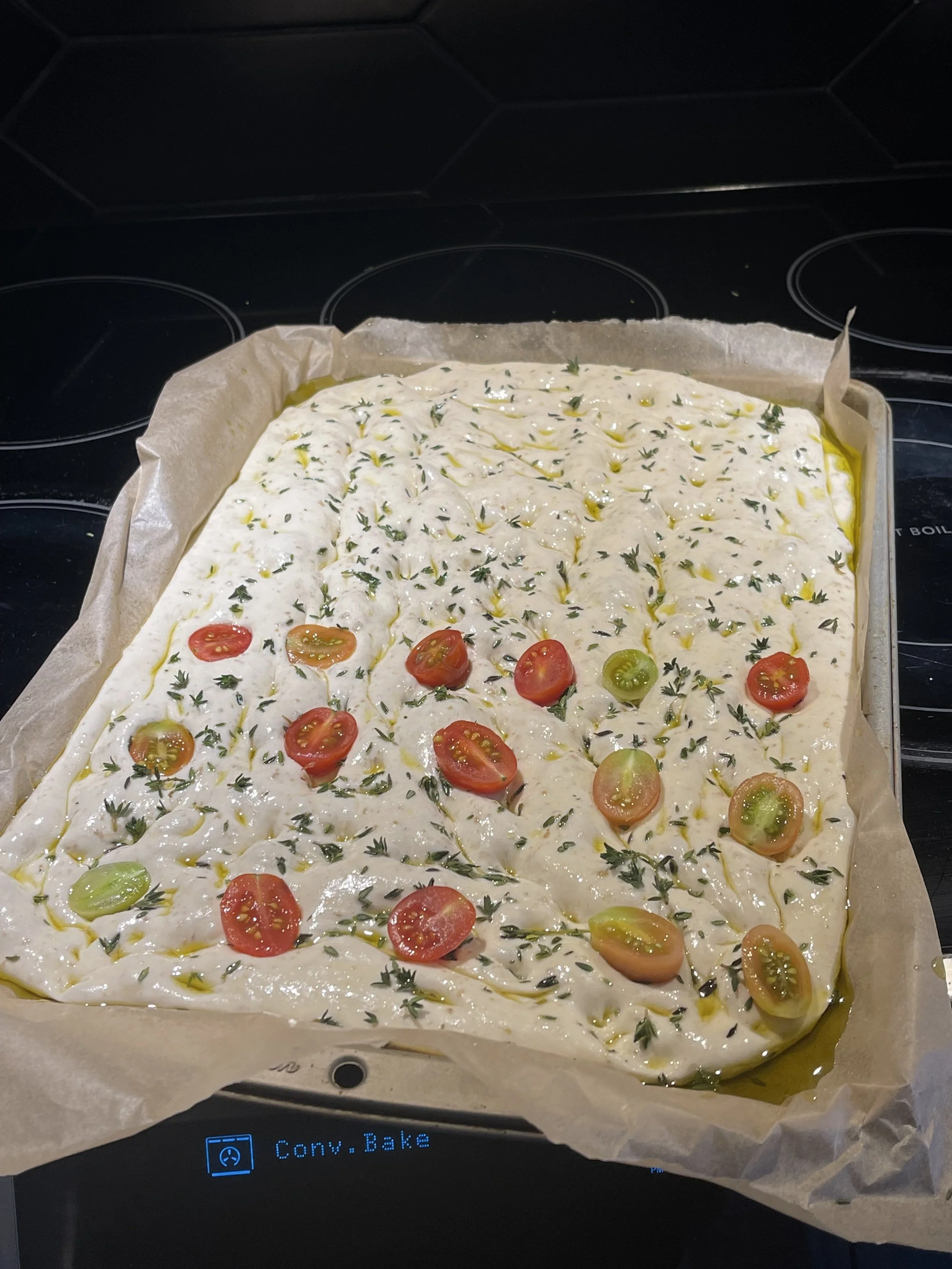
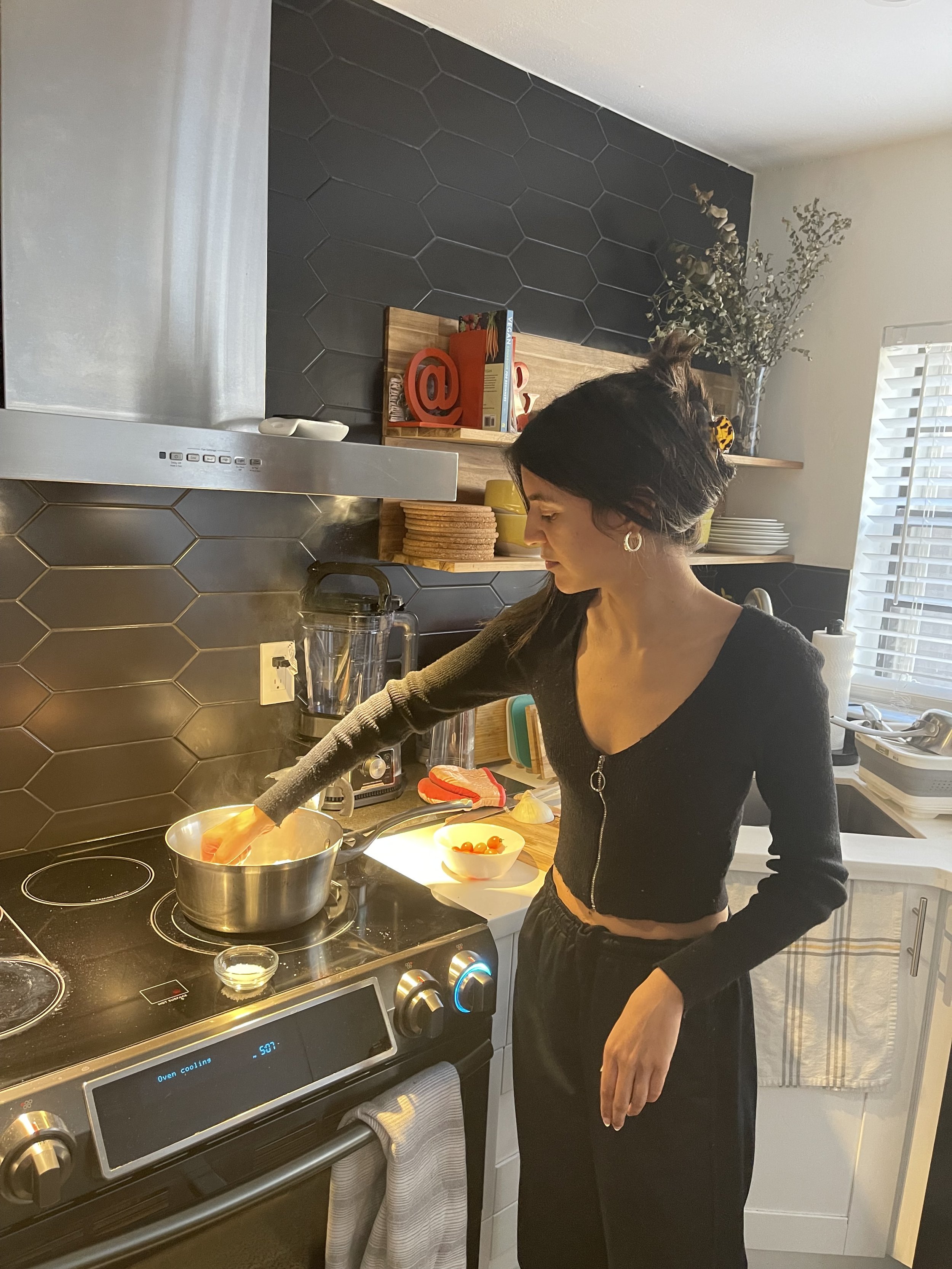
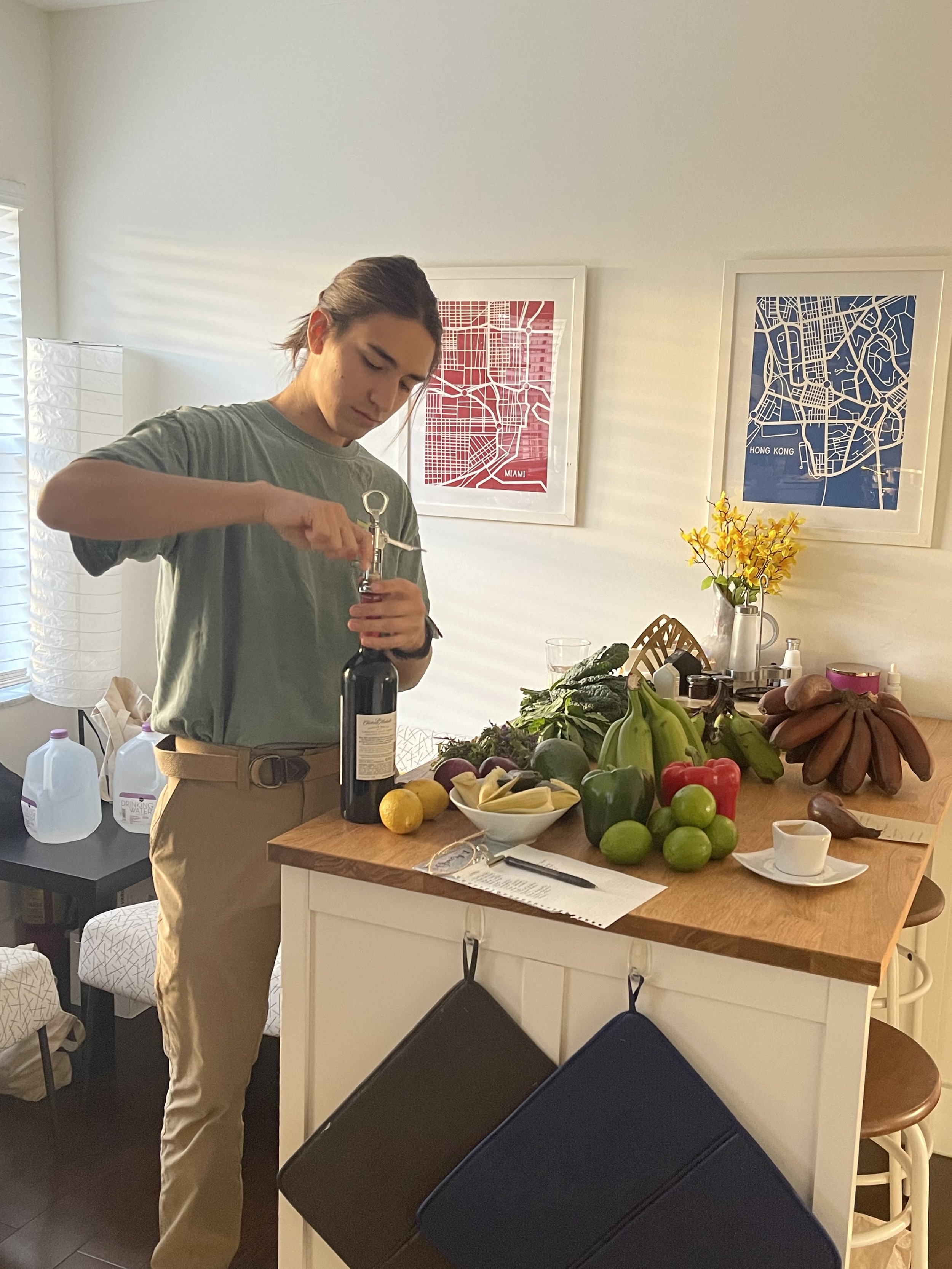
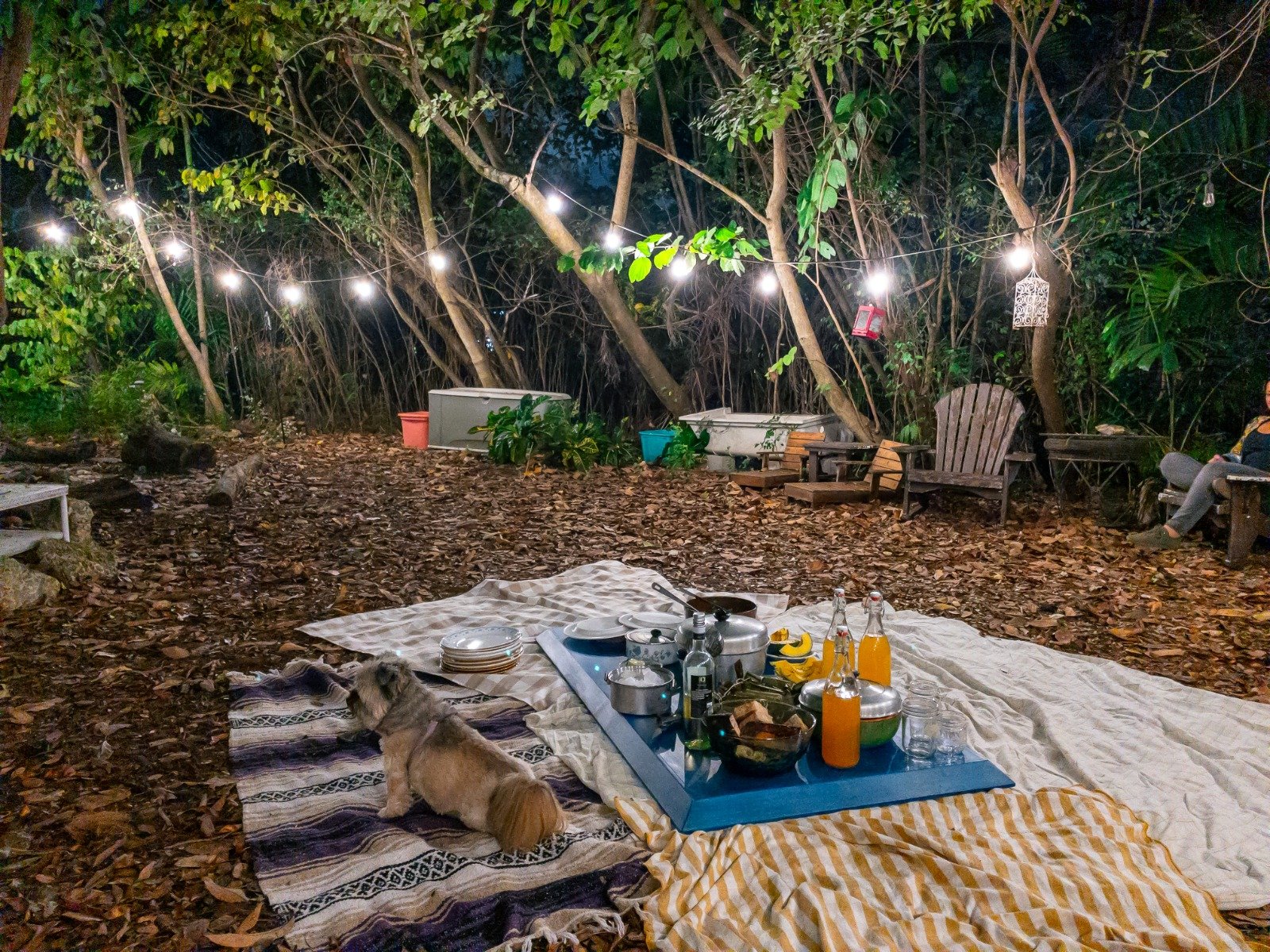
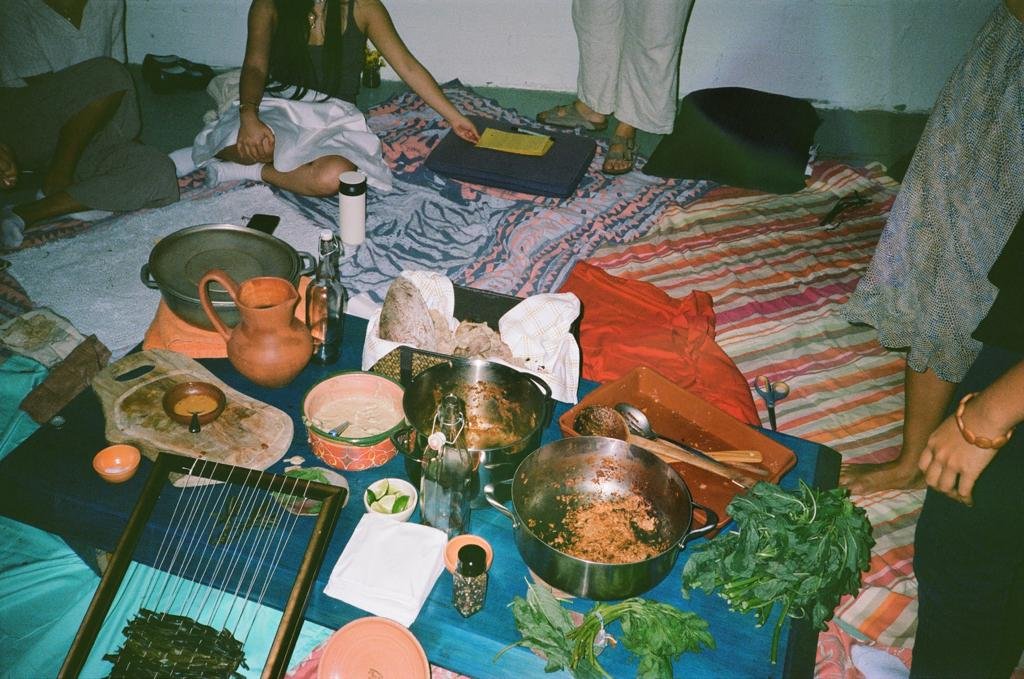
SOBREMESA | FINCA MORADA | NORTH MIAMI, FL | MAY 2022
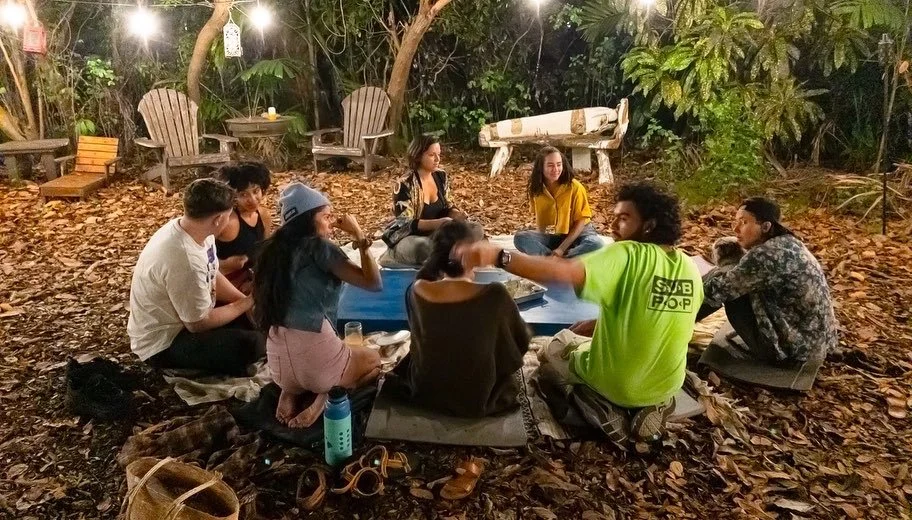
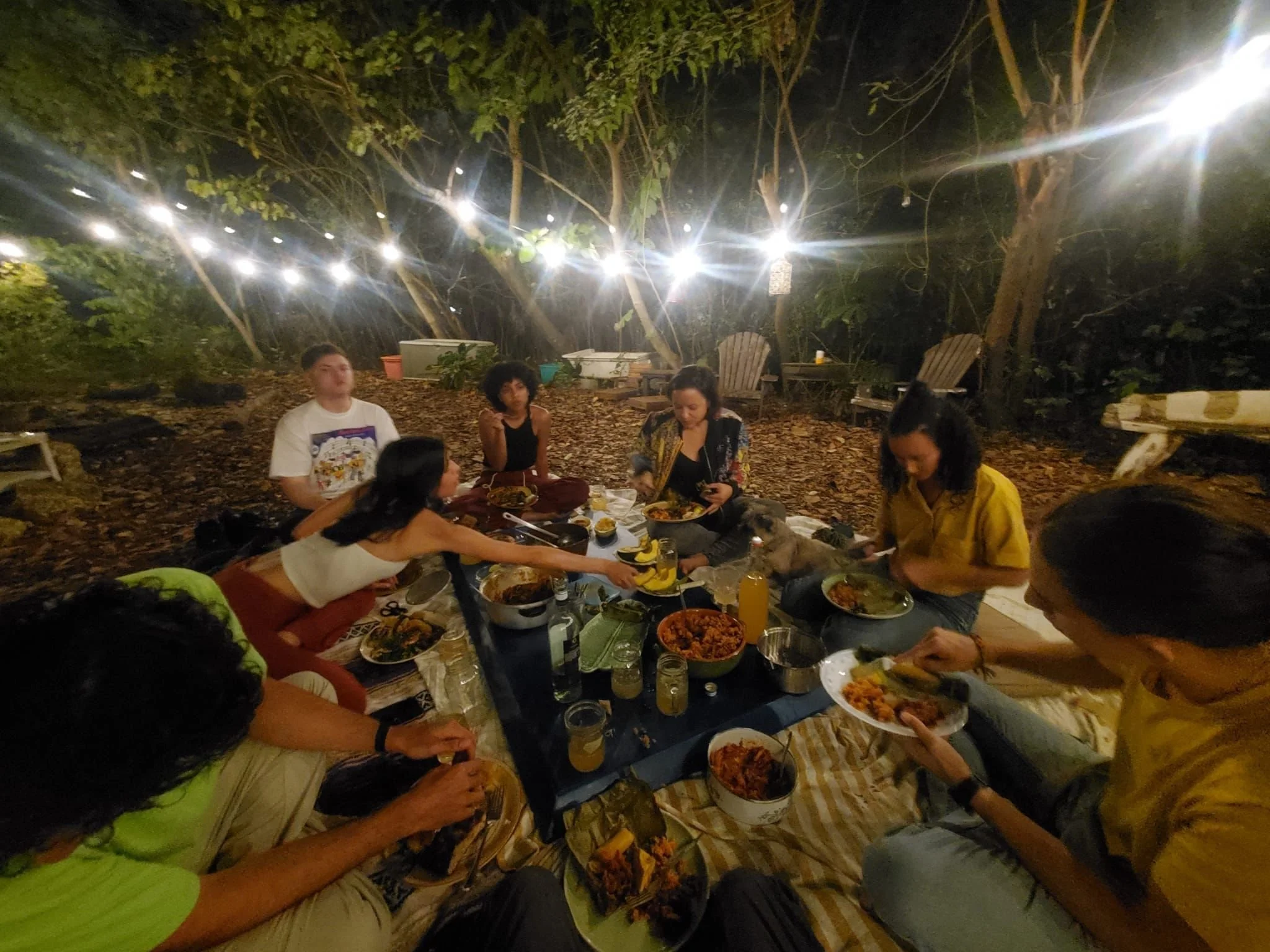
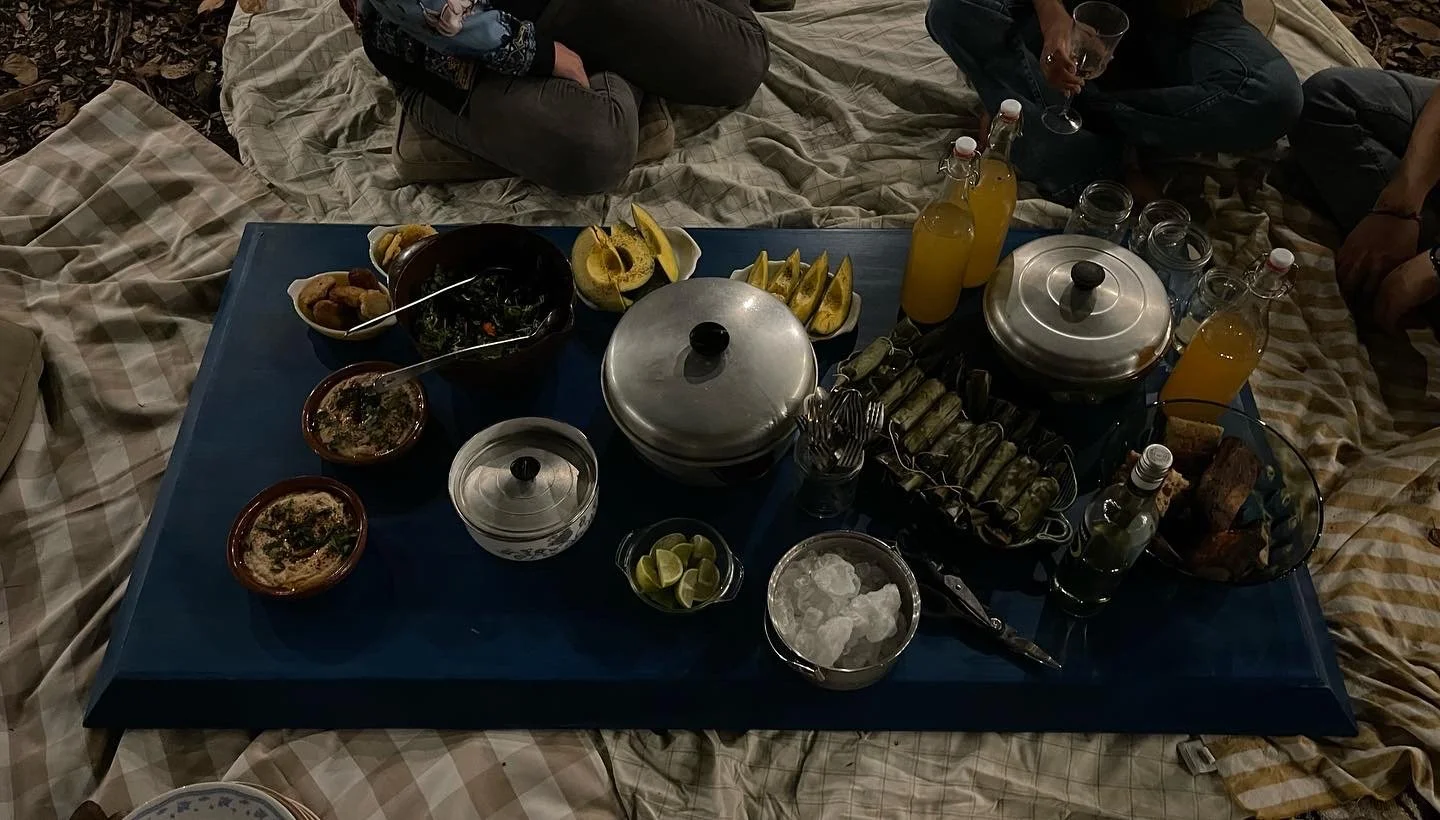
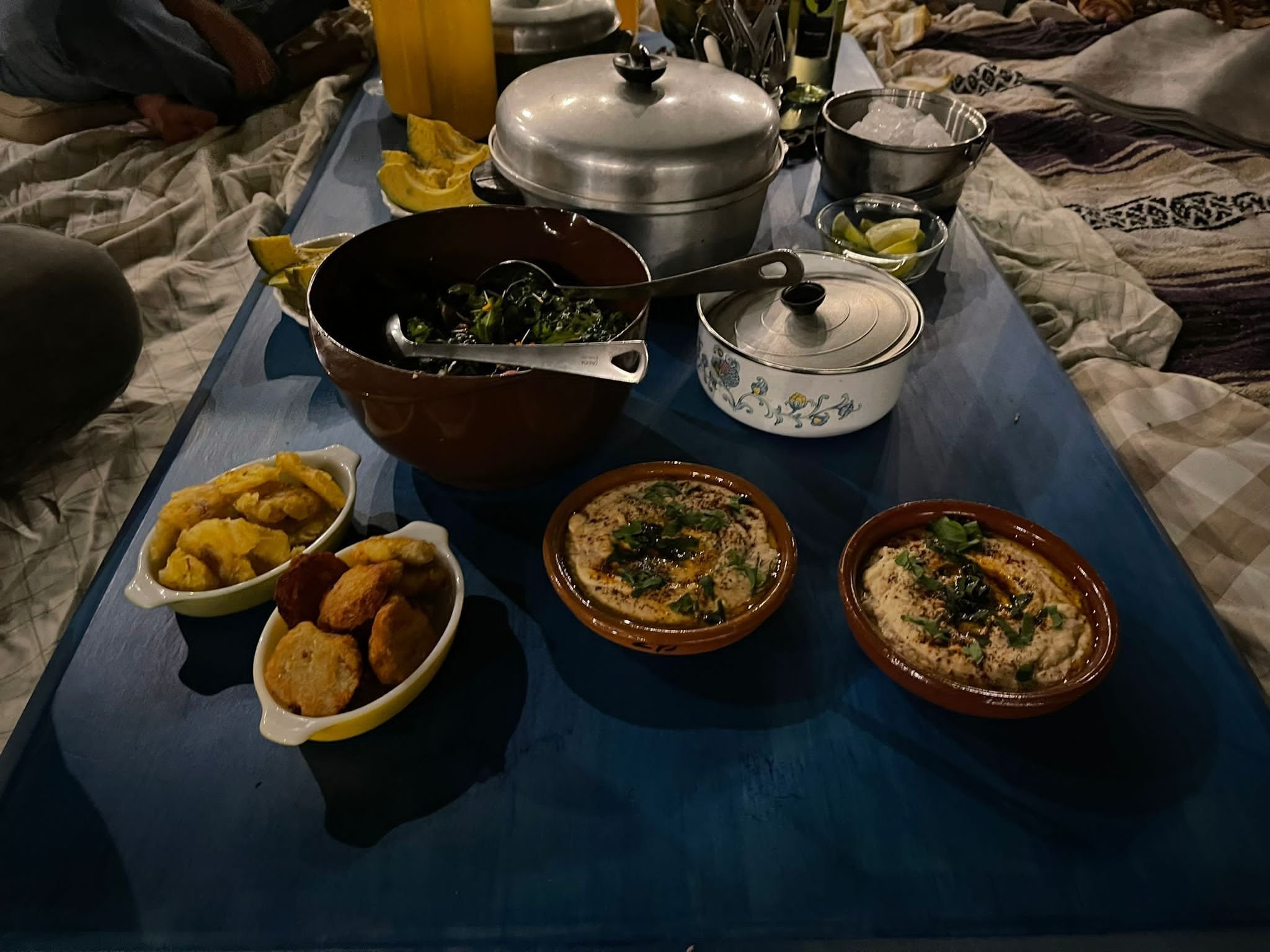
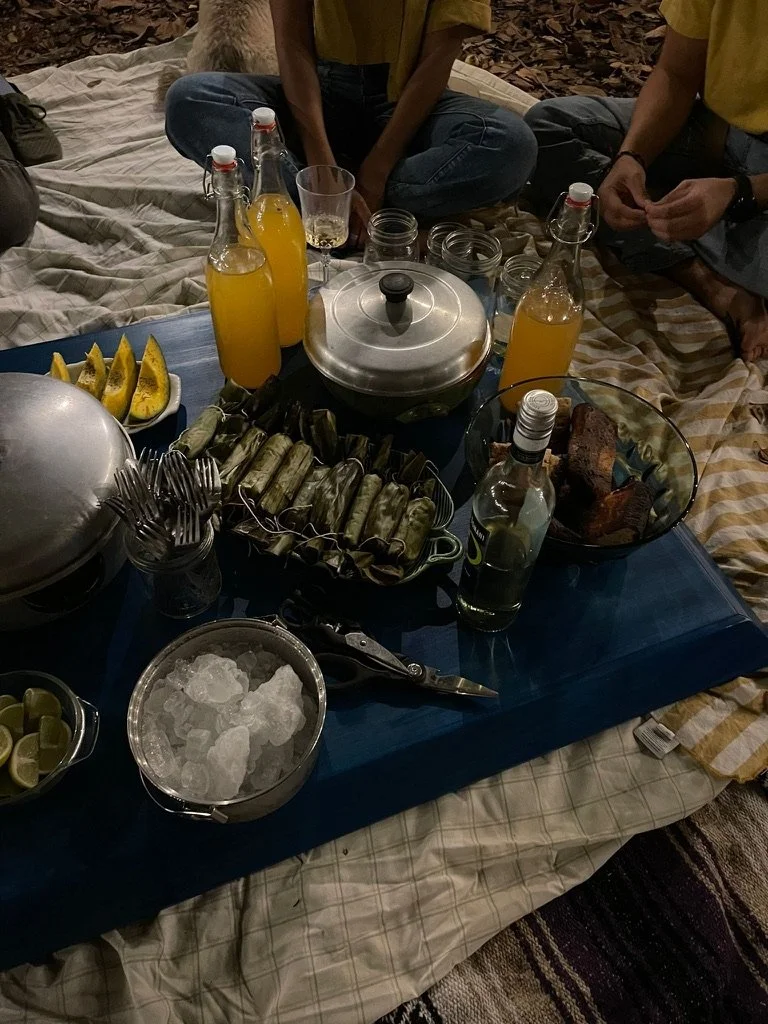
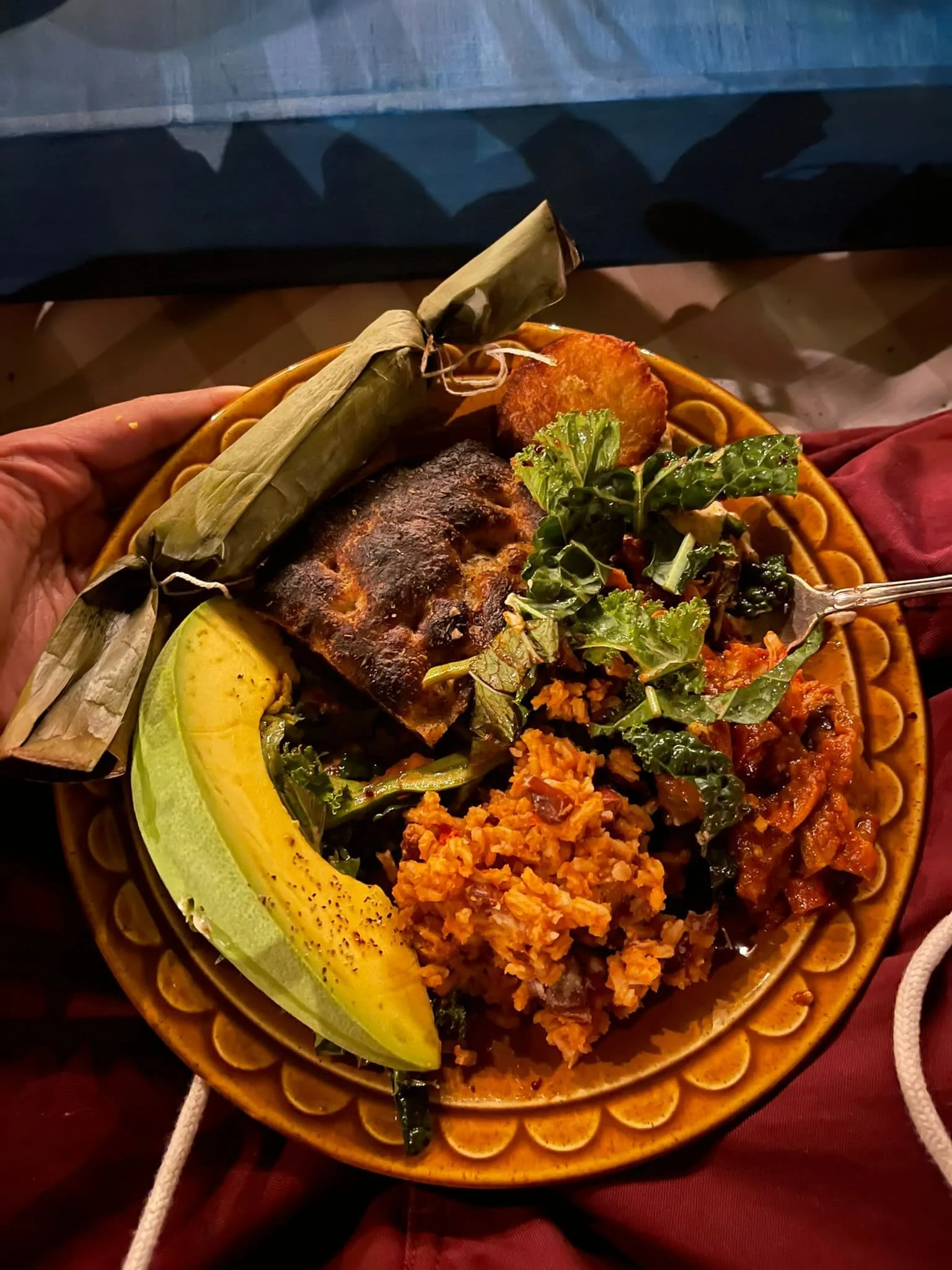
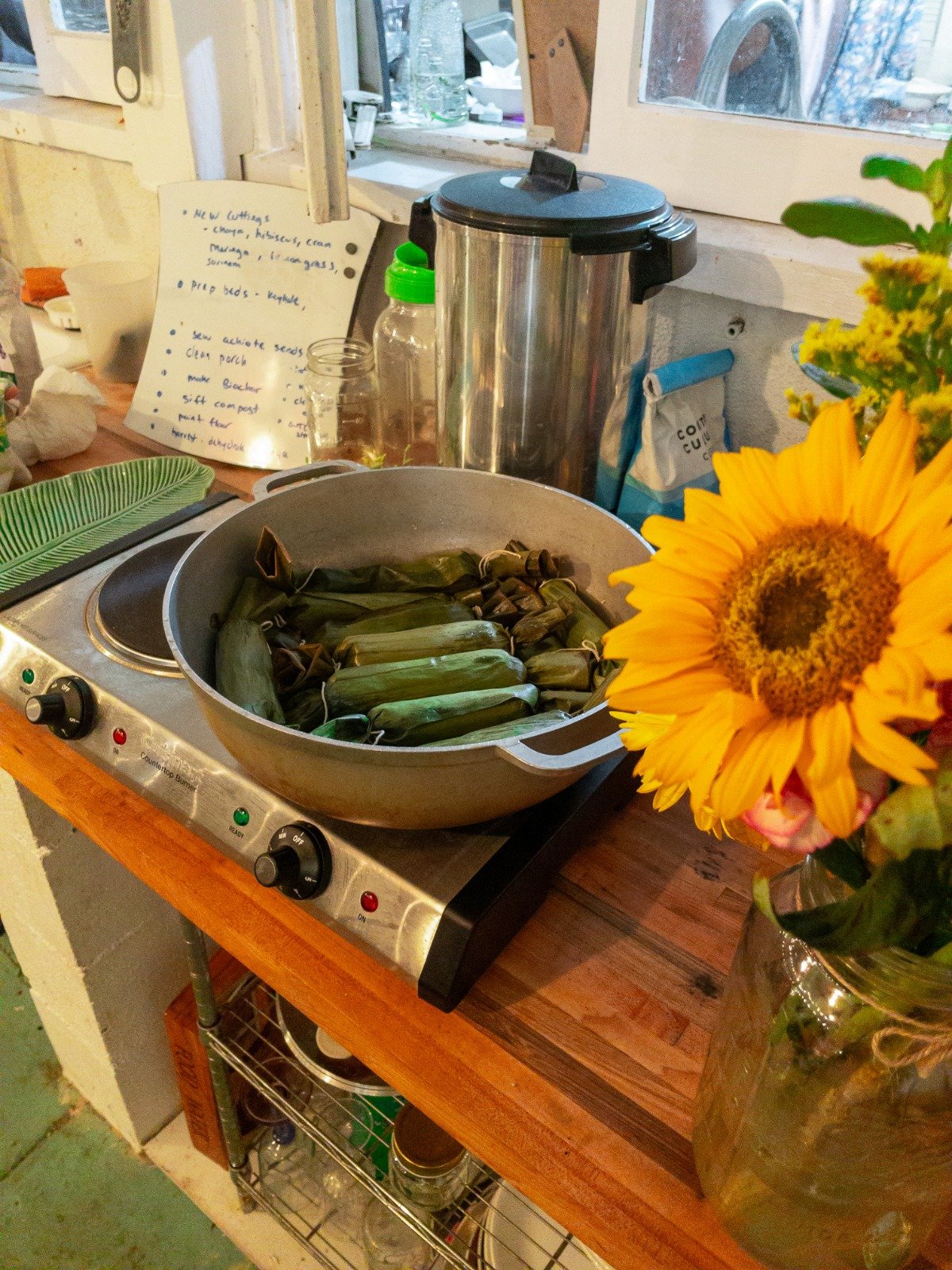
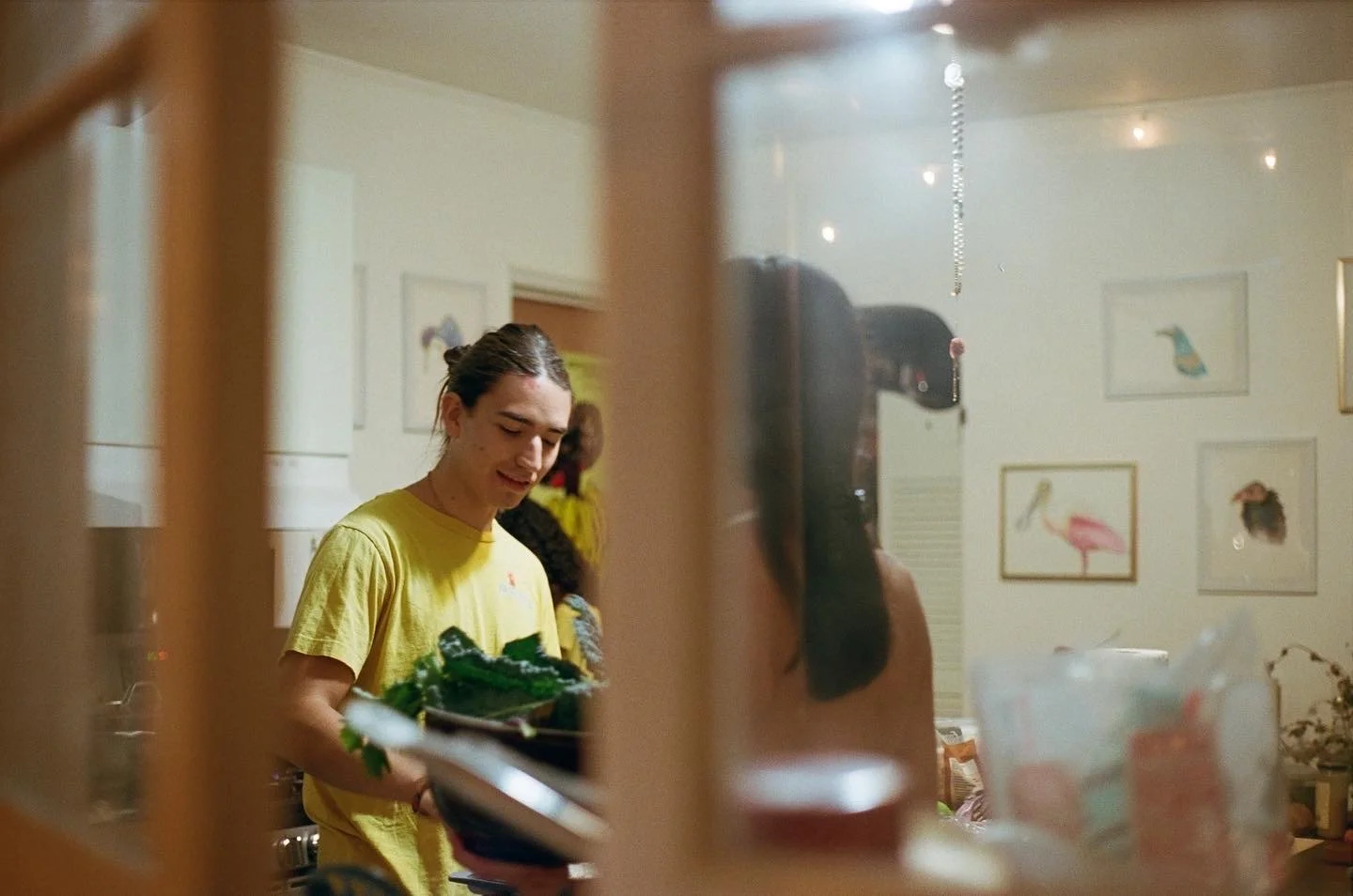
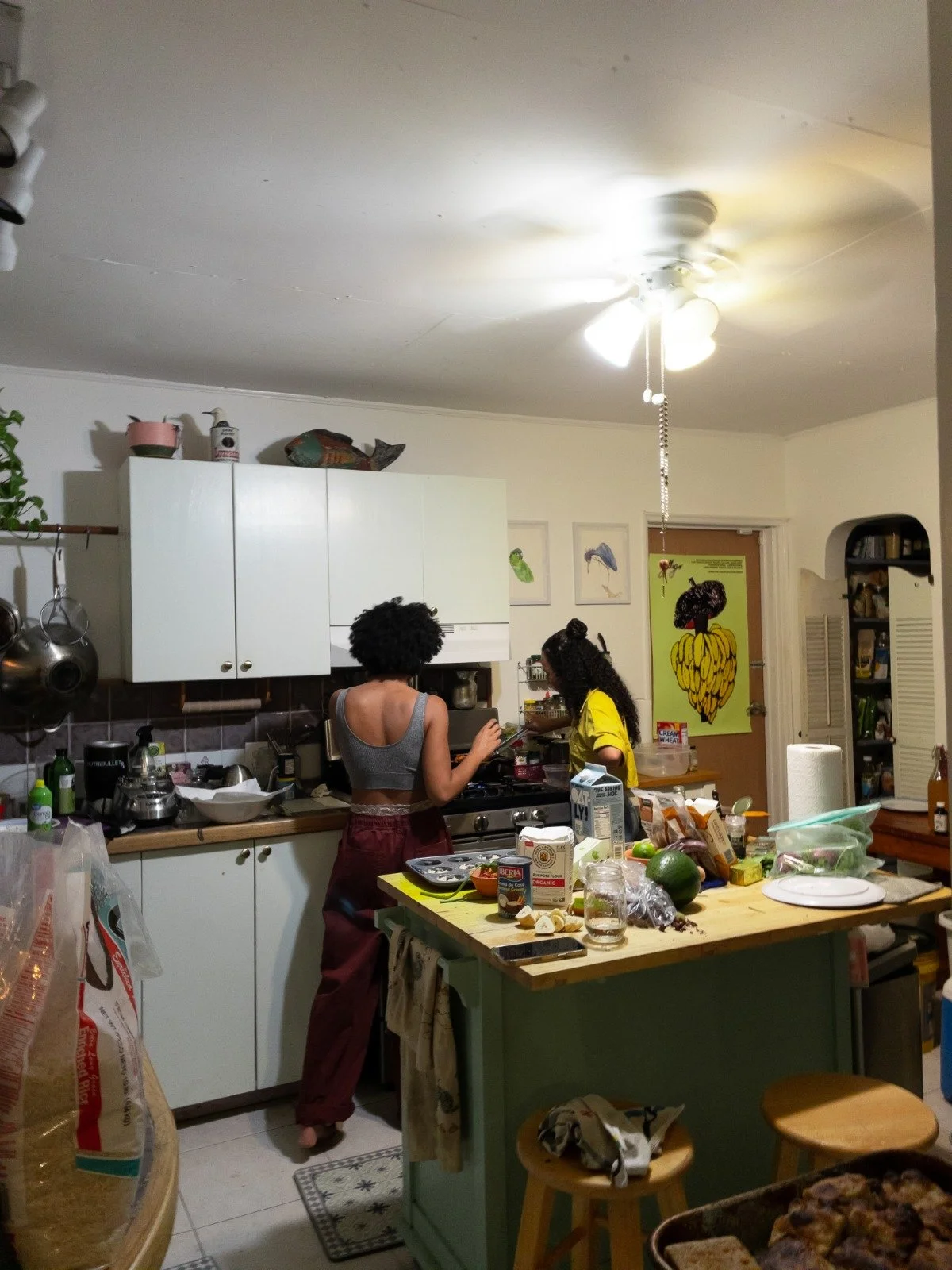
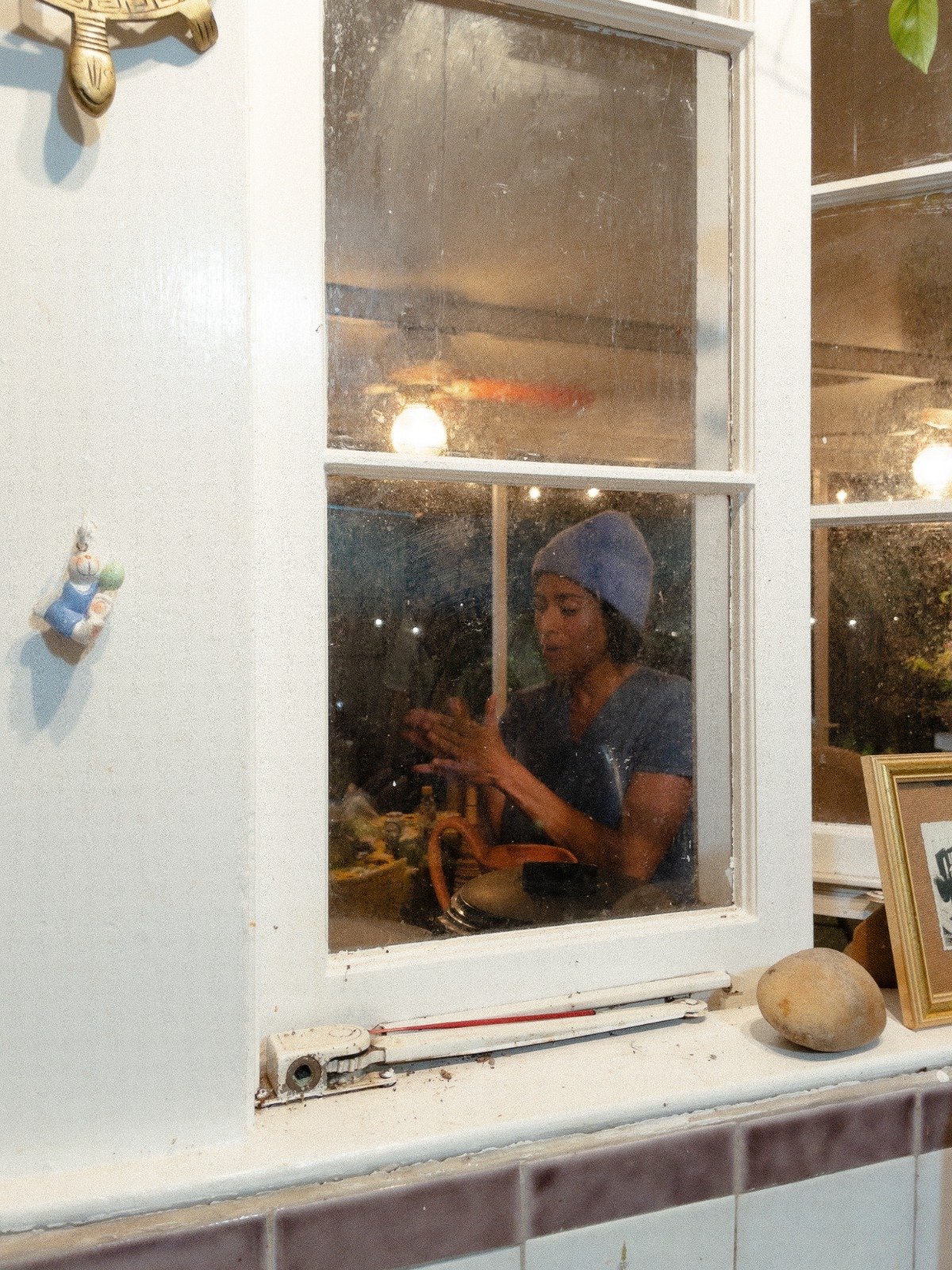
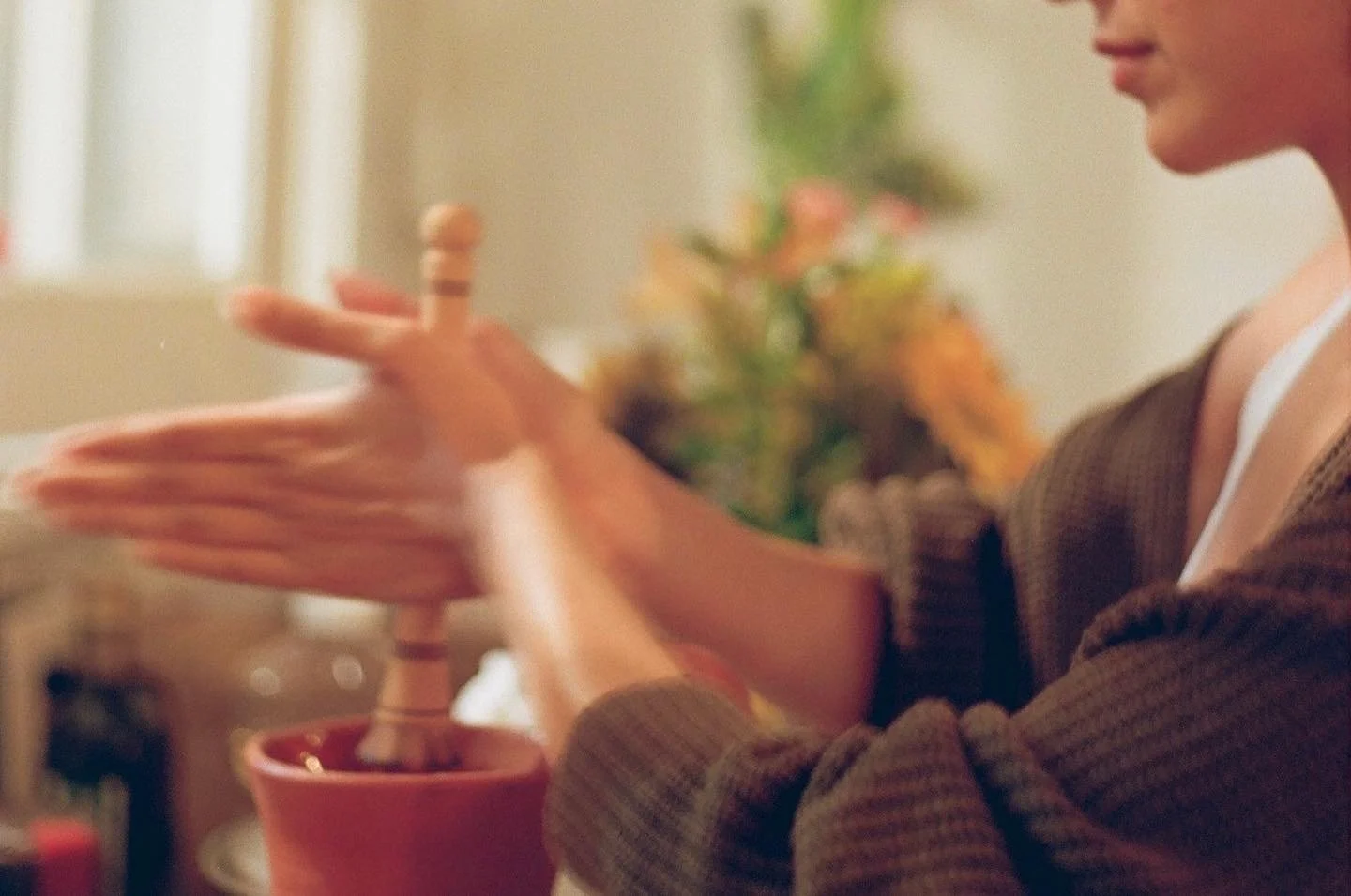
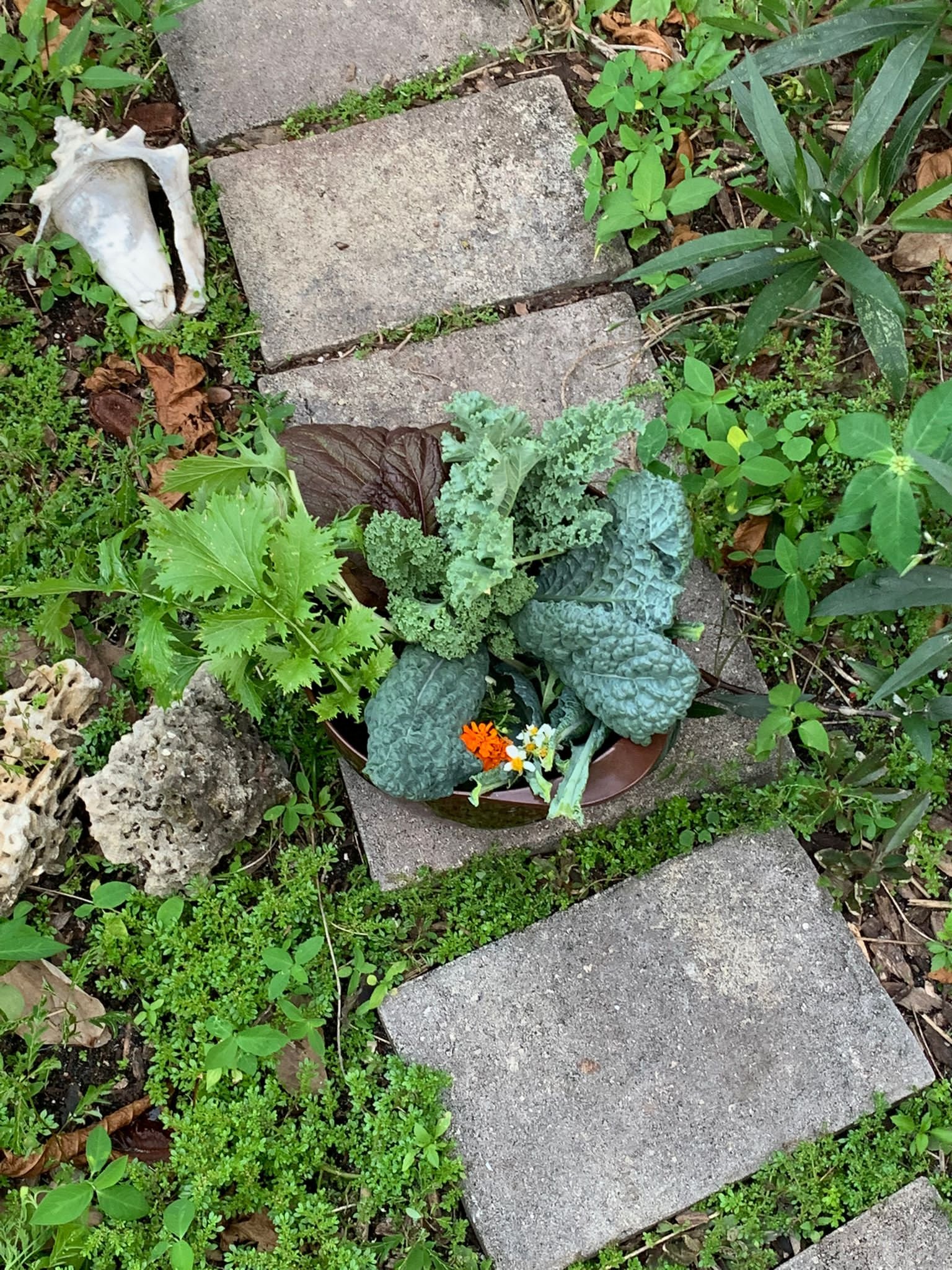
Our first gathering as Comedor Azul. Hosted to close Les’ residency at Finca Morada in May 2022.
[Finca Morada]
Finca Morada, est. 2019, in North Miami, Tequesta land, is cooperative of artists, farmers, & nature stewards living within a half acre urban agroecological food forest garden sanctuary.
IG @fincamorada
Subtack @fincamorada
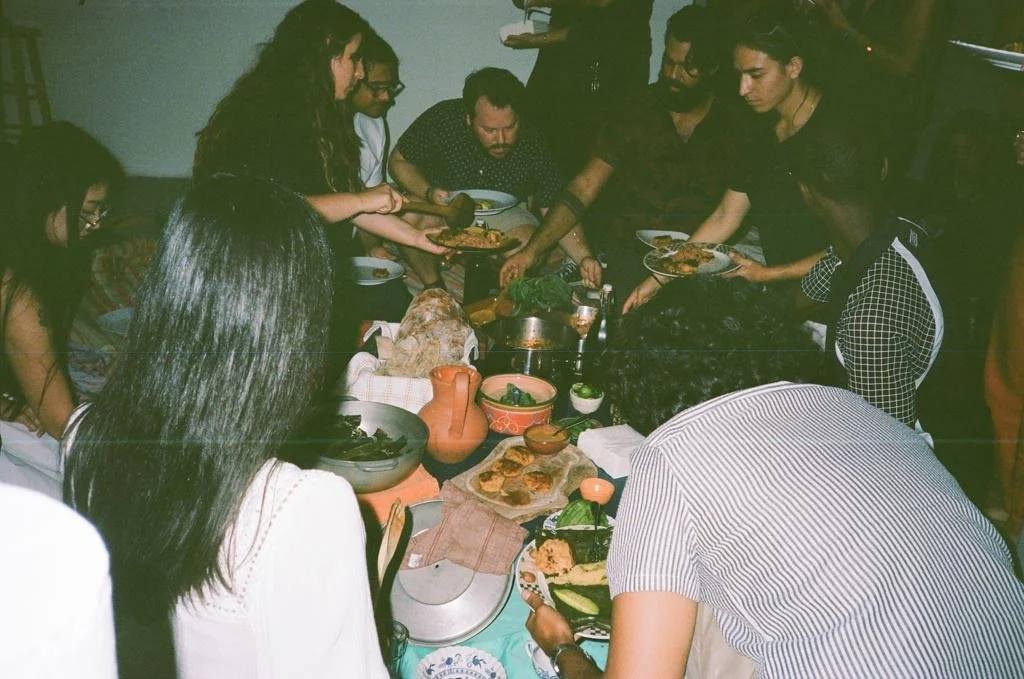
SOBREMESA VOL II I TROPOTROPE | LITTLE HAITI | MIAMI, FL | SEPTEMBER 2022
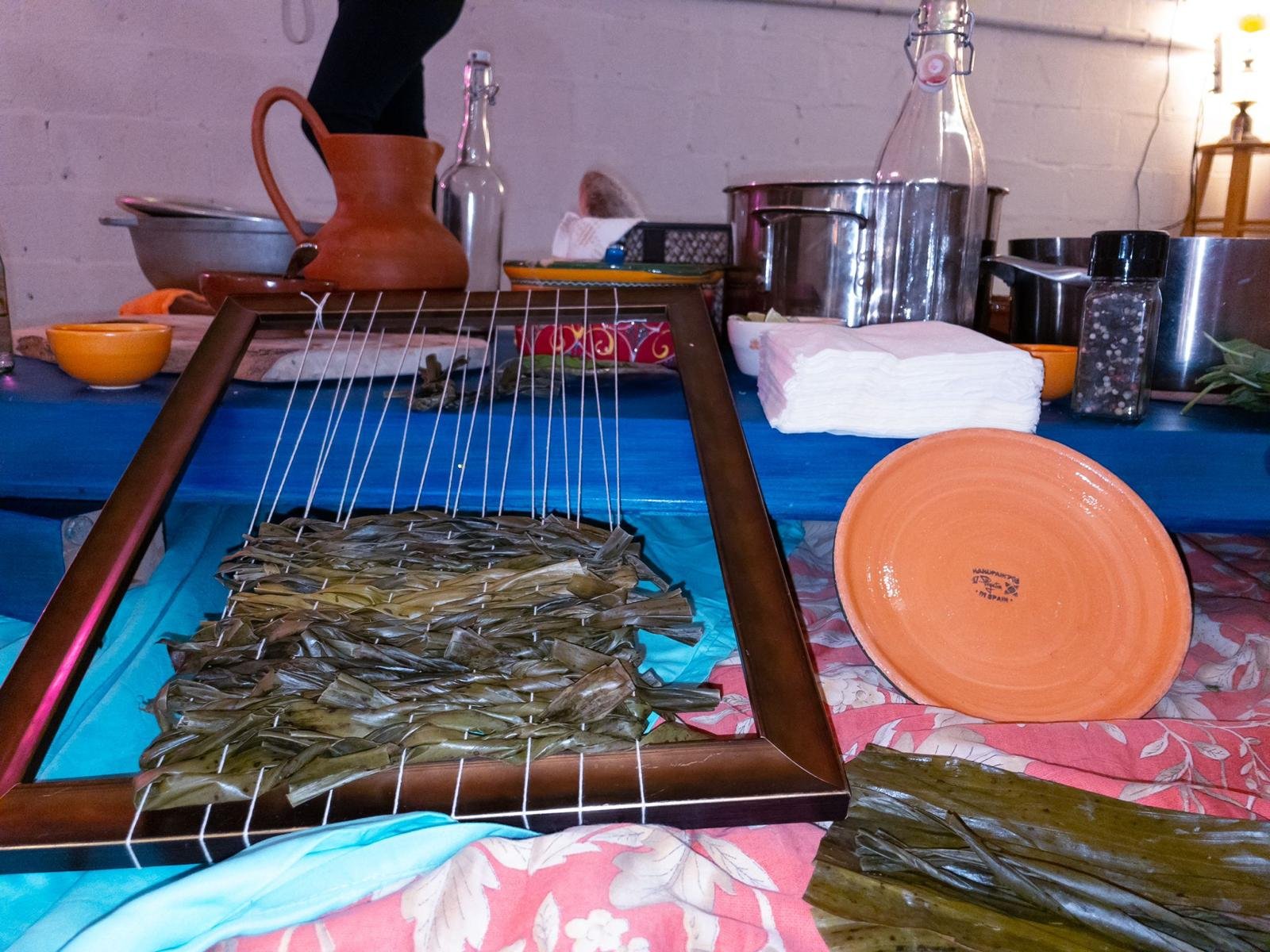
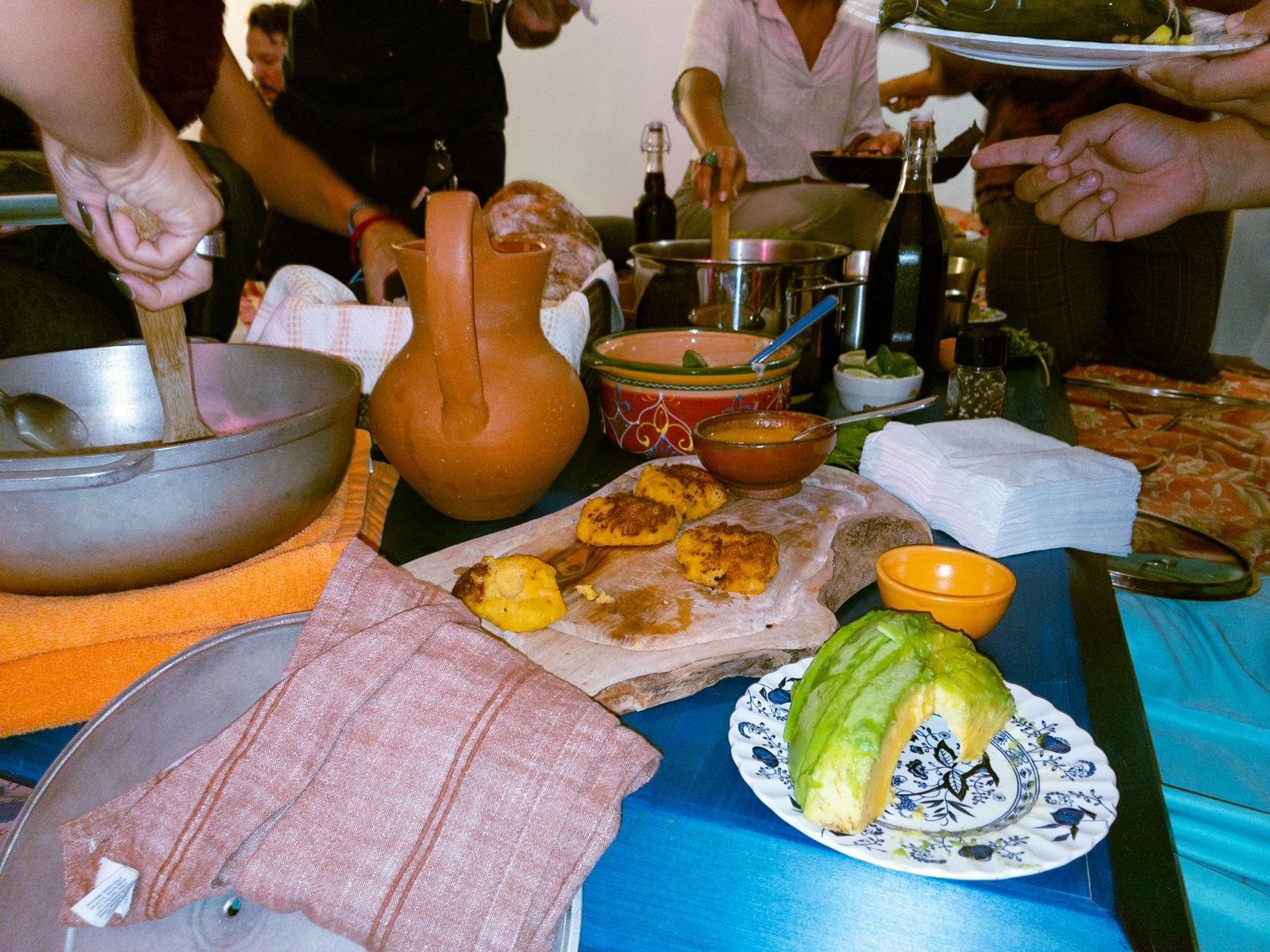
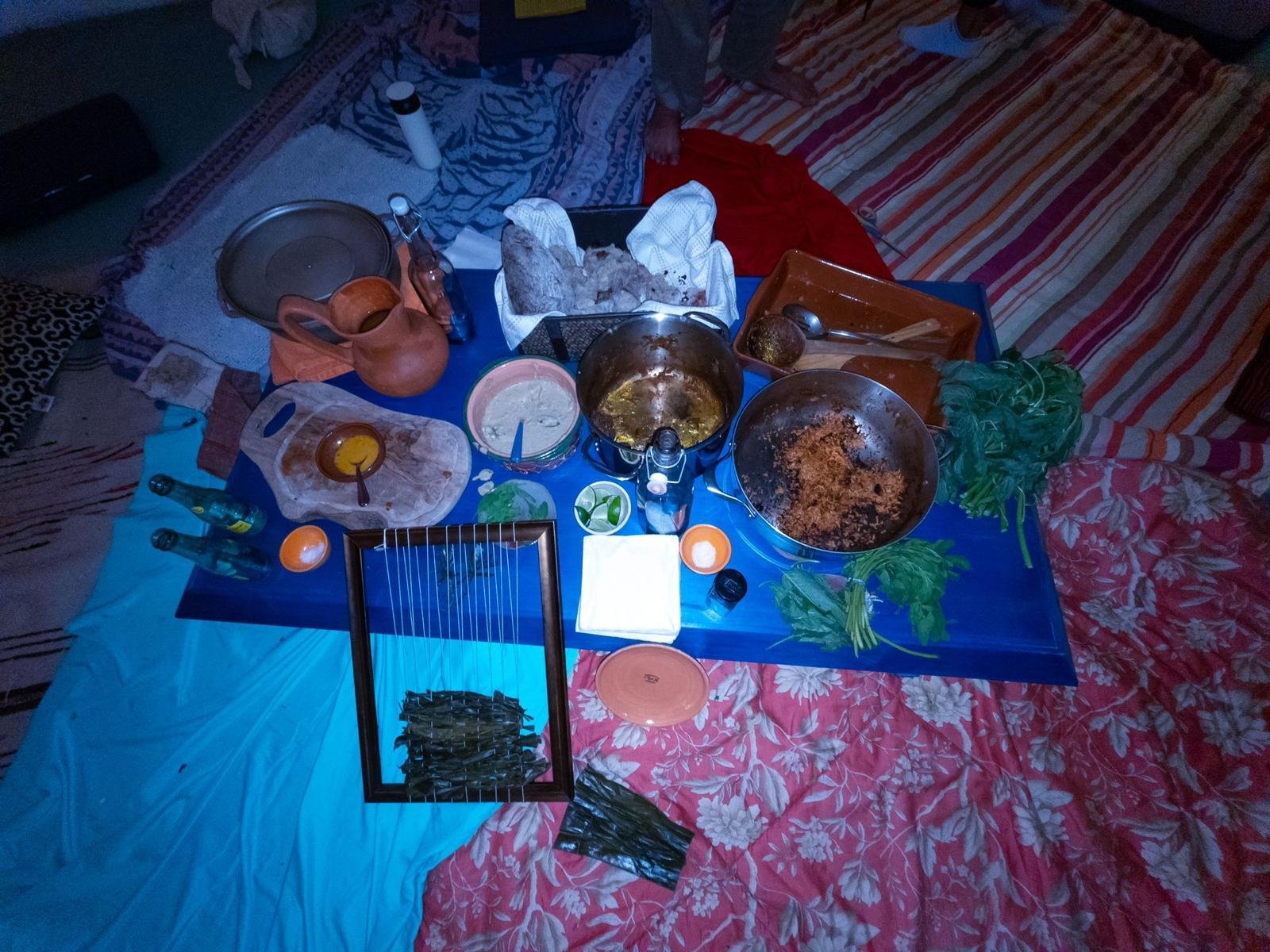
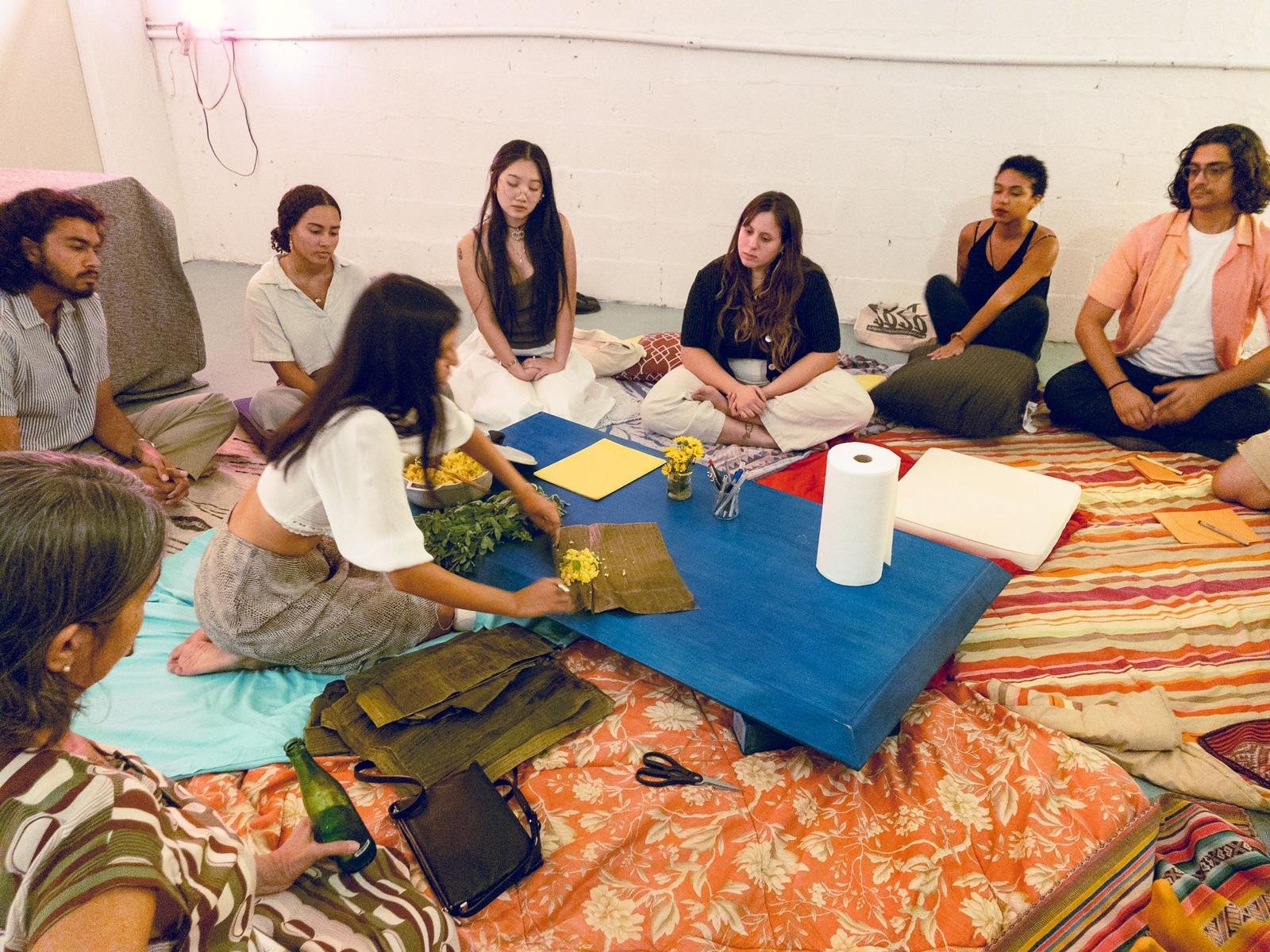
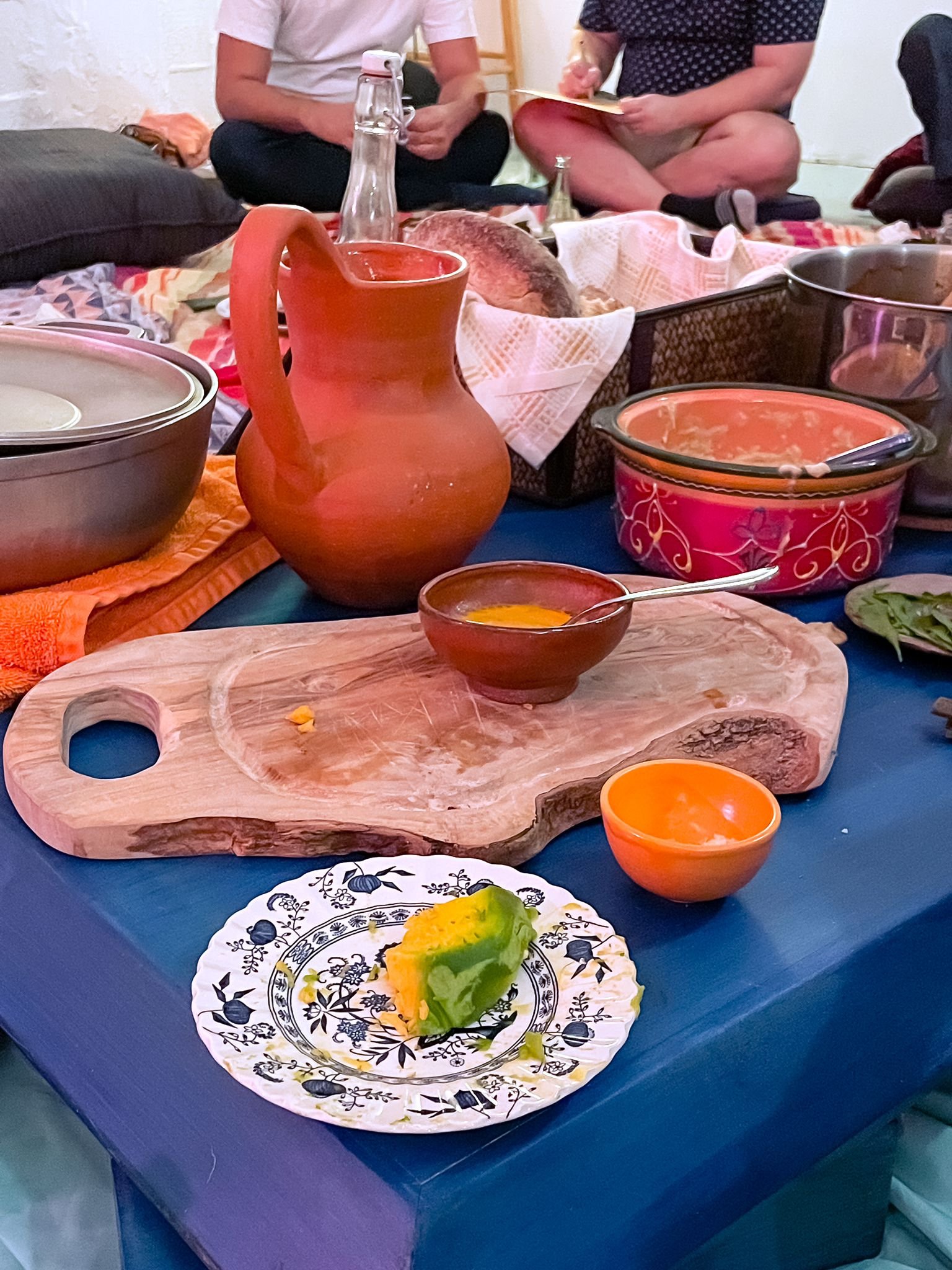
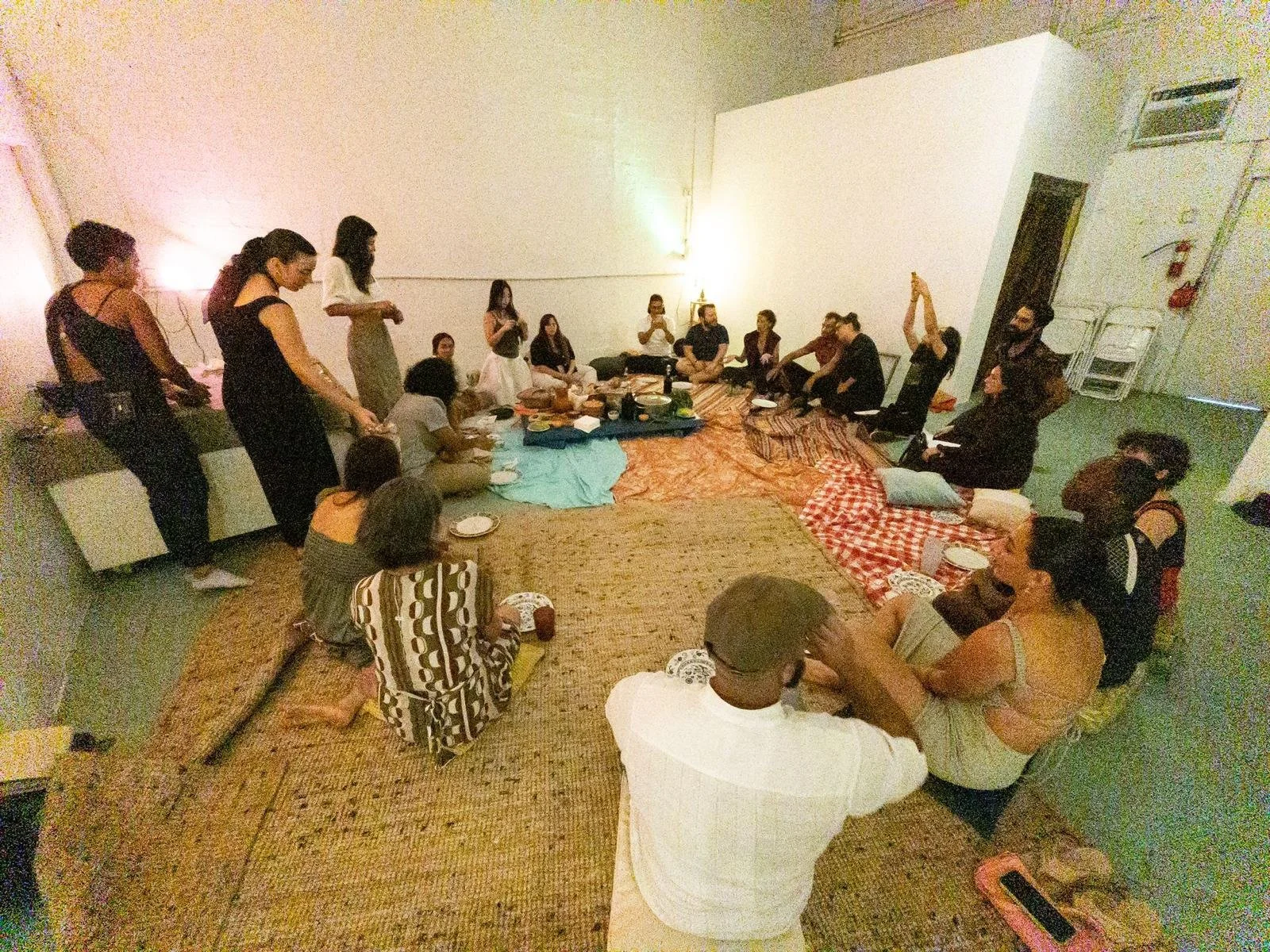
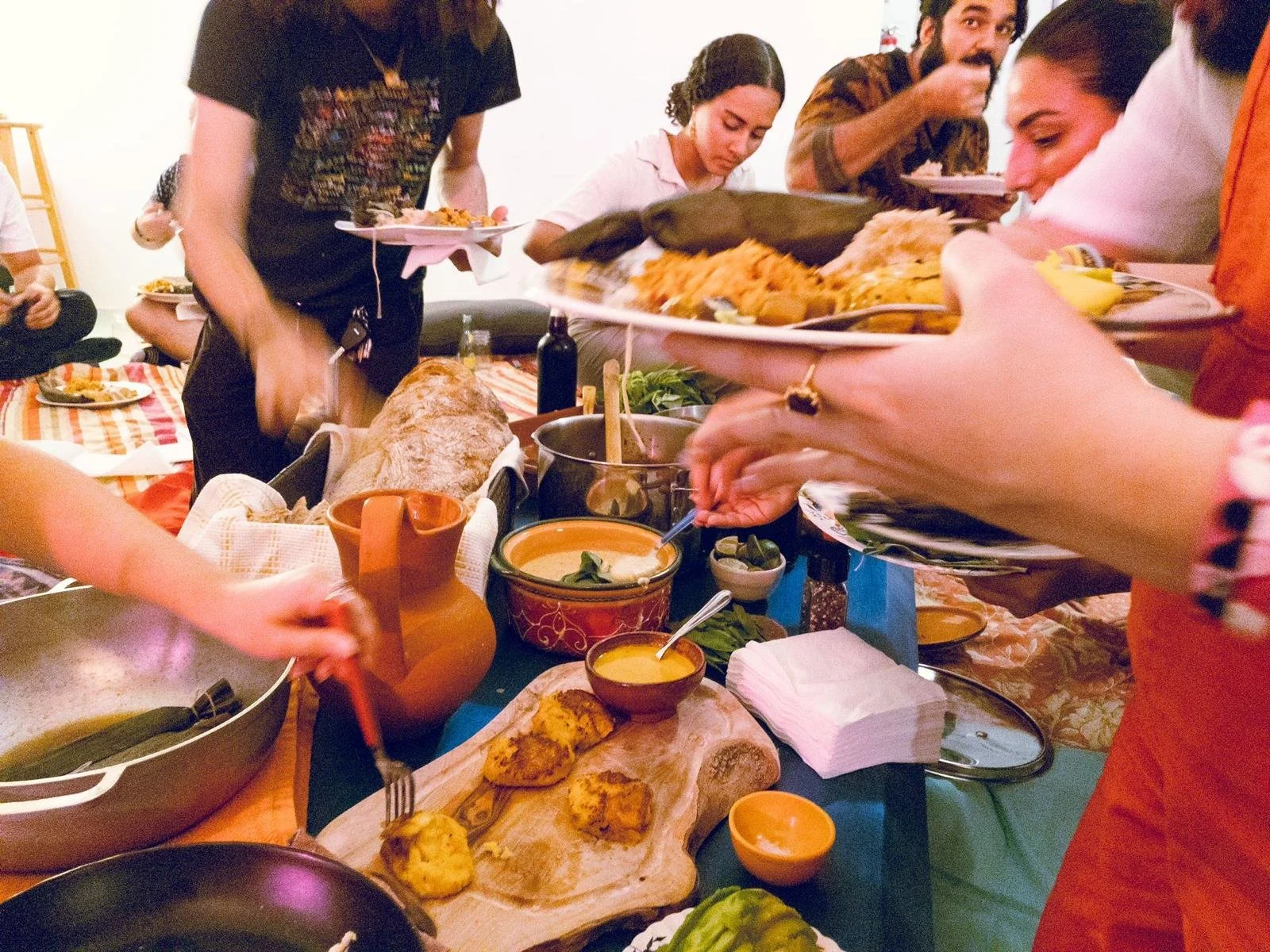
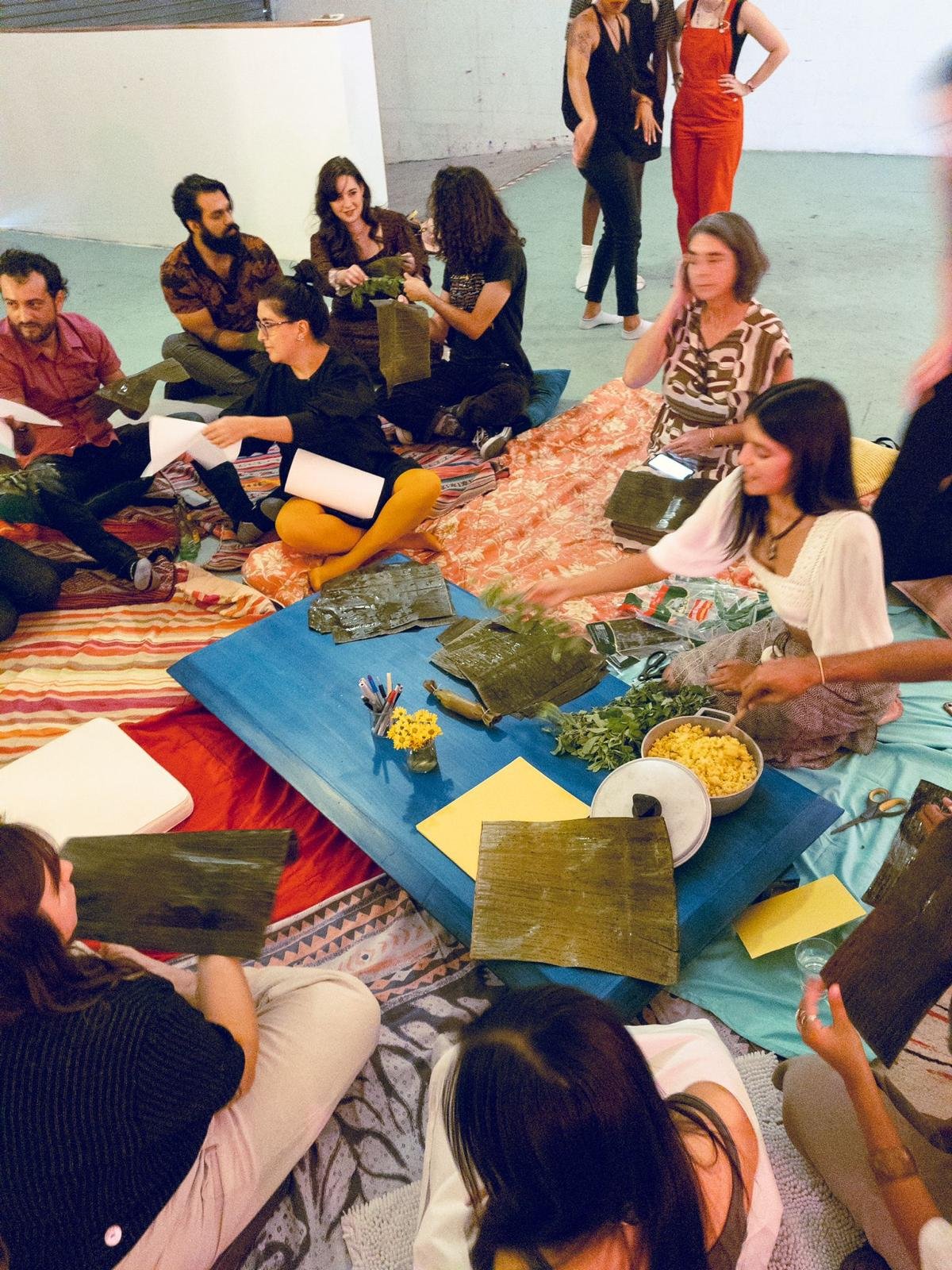
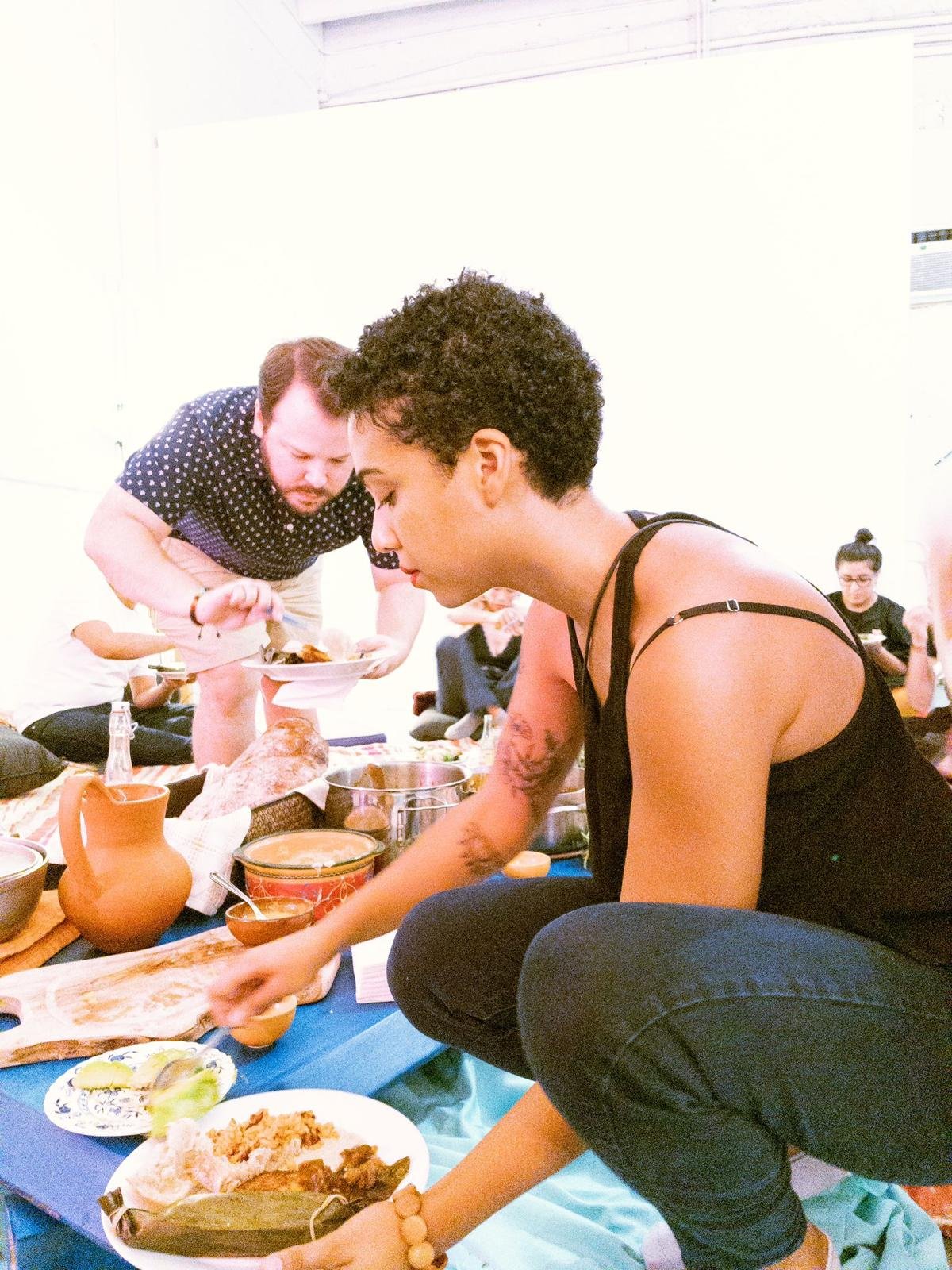
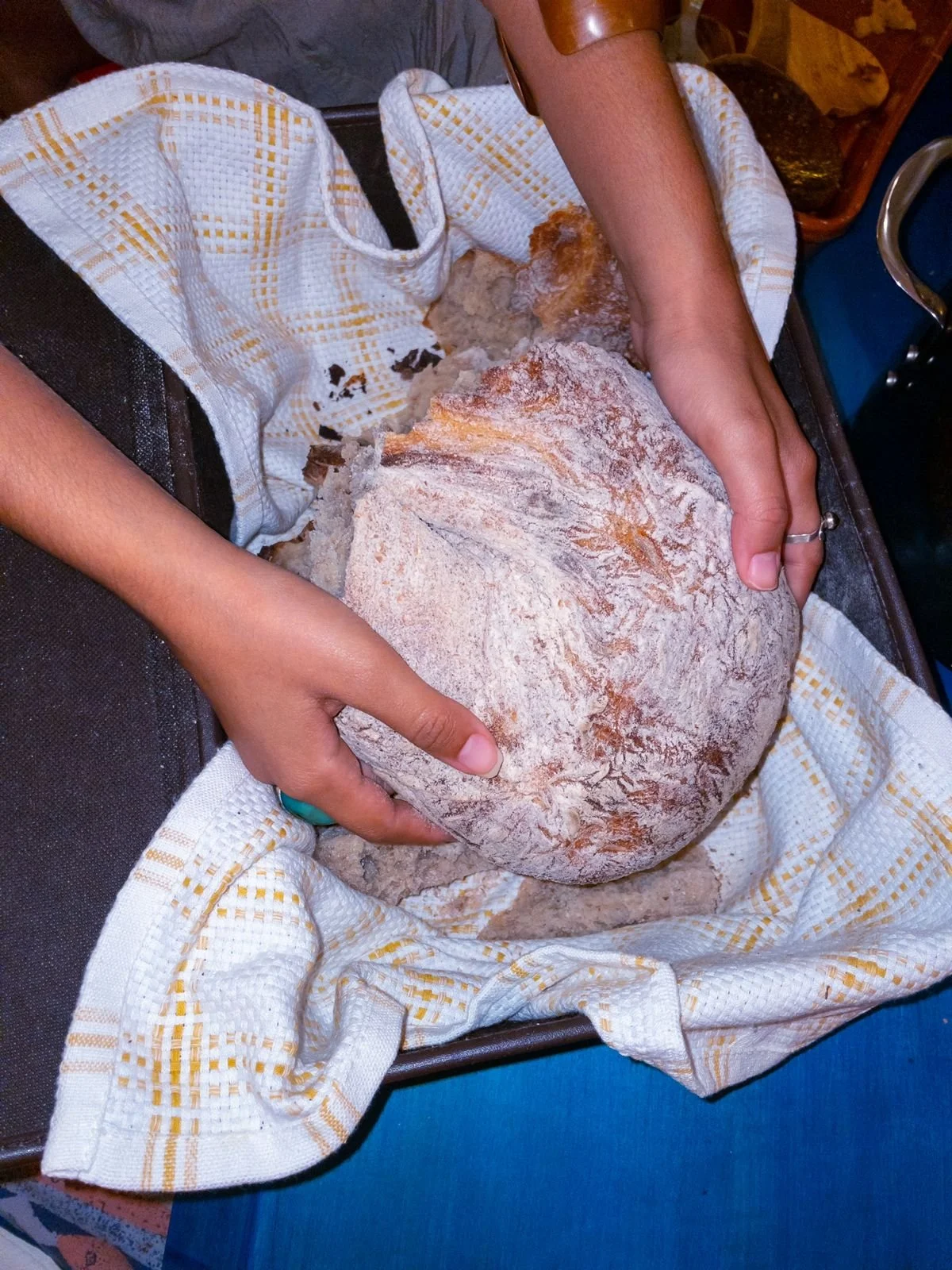
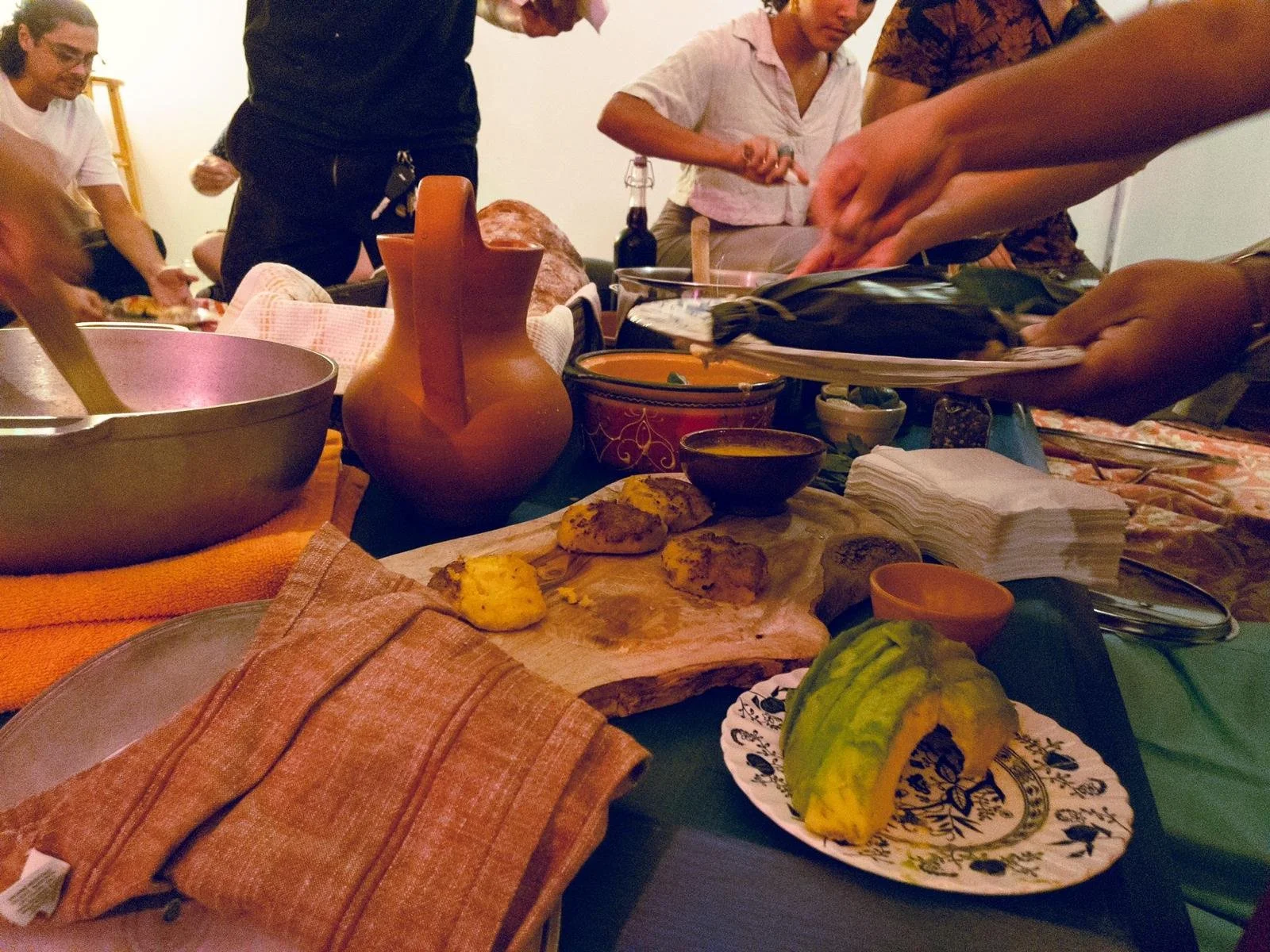
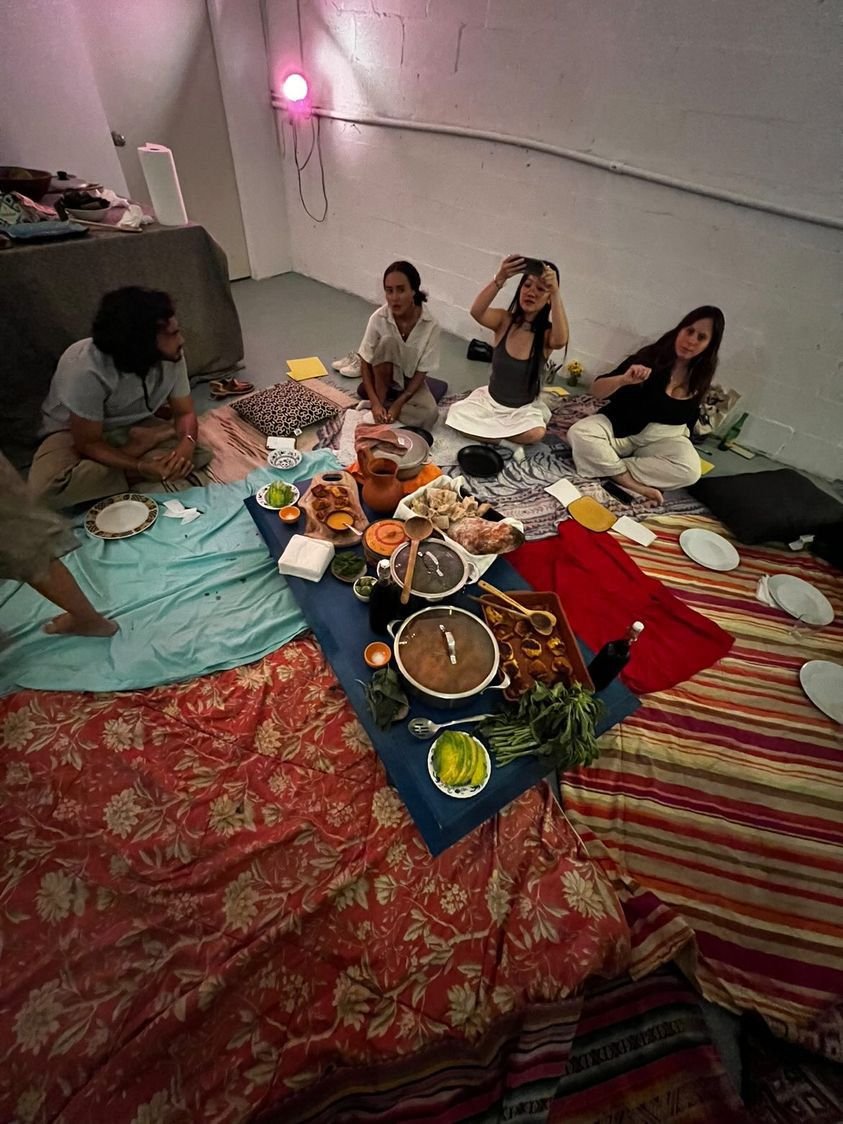
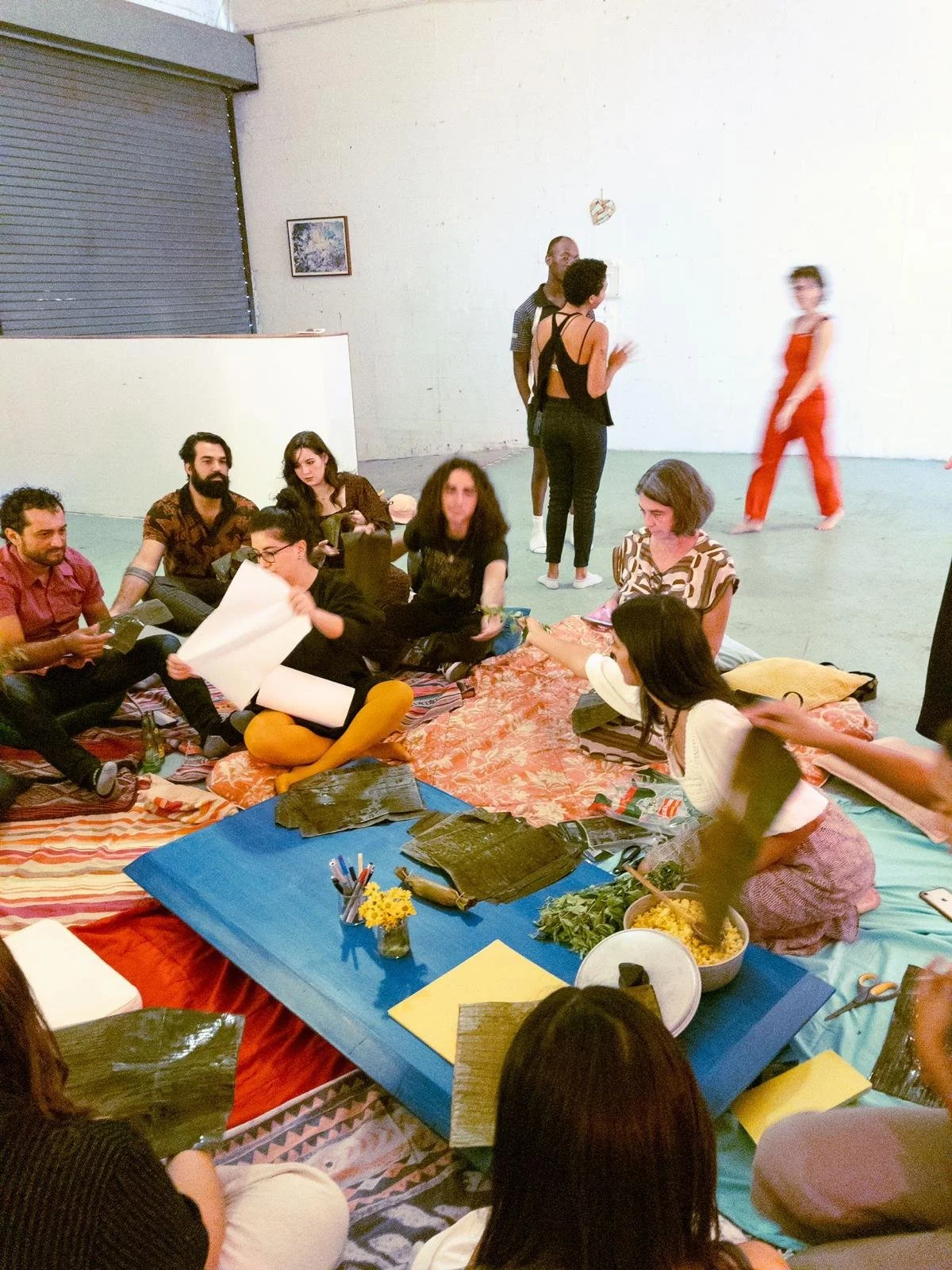
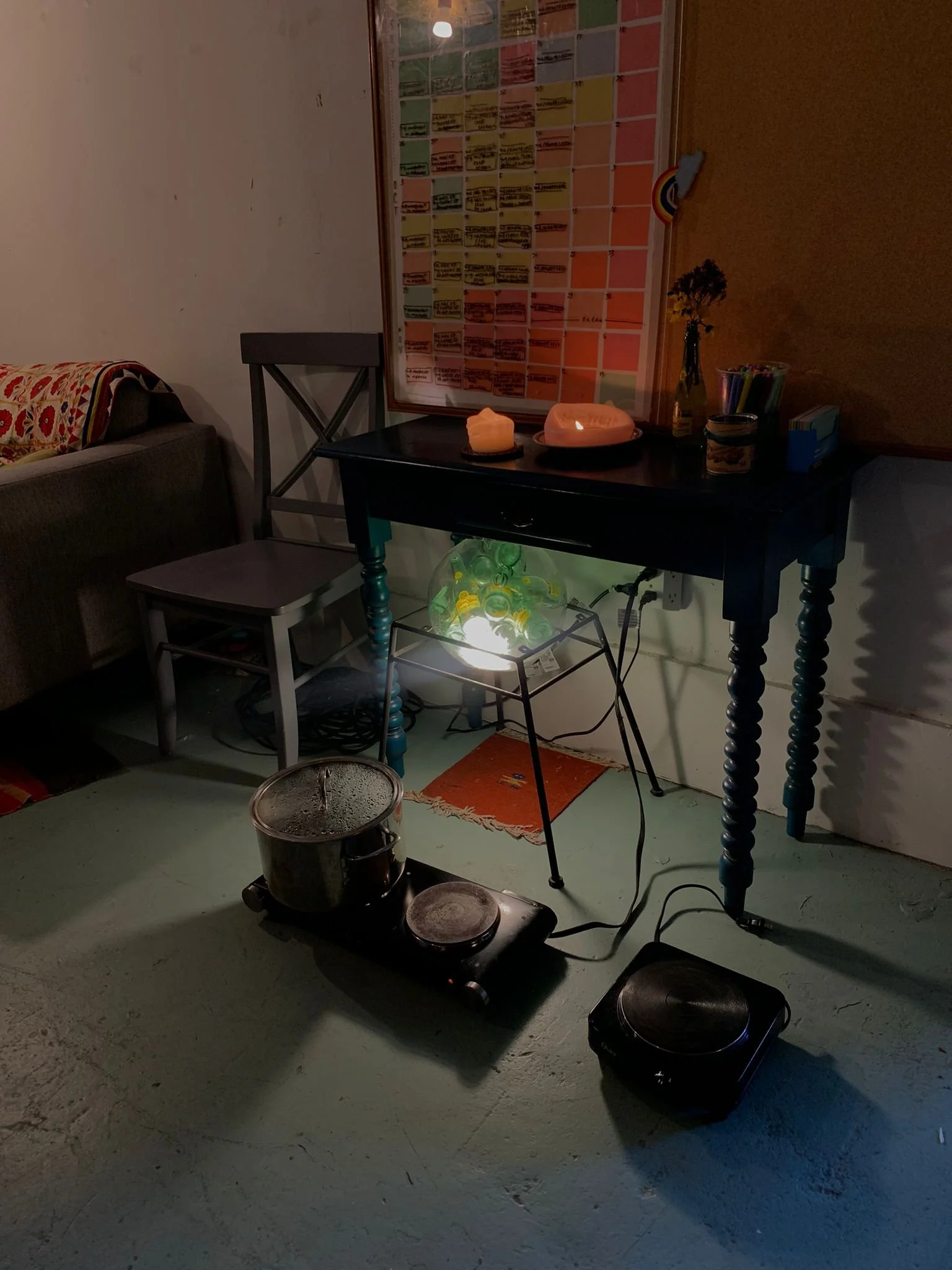
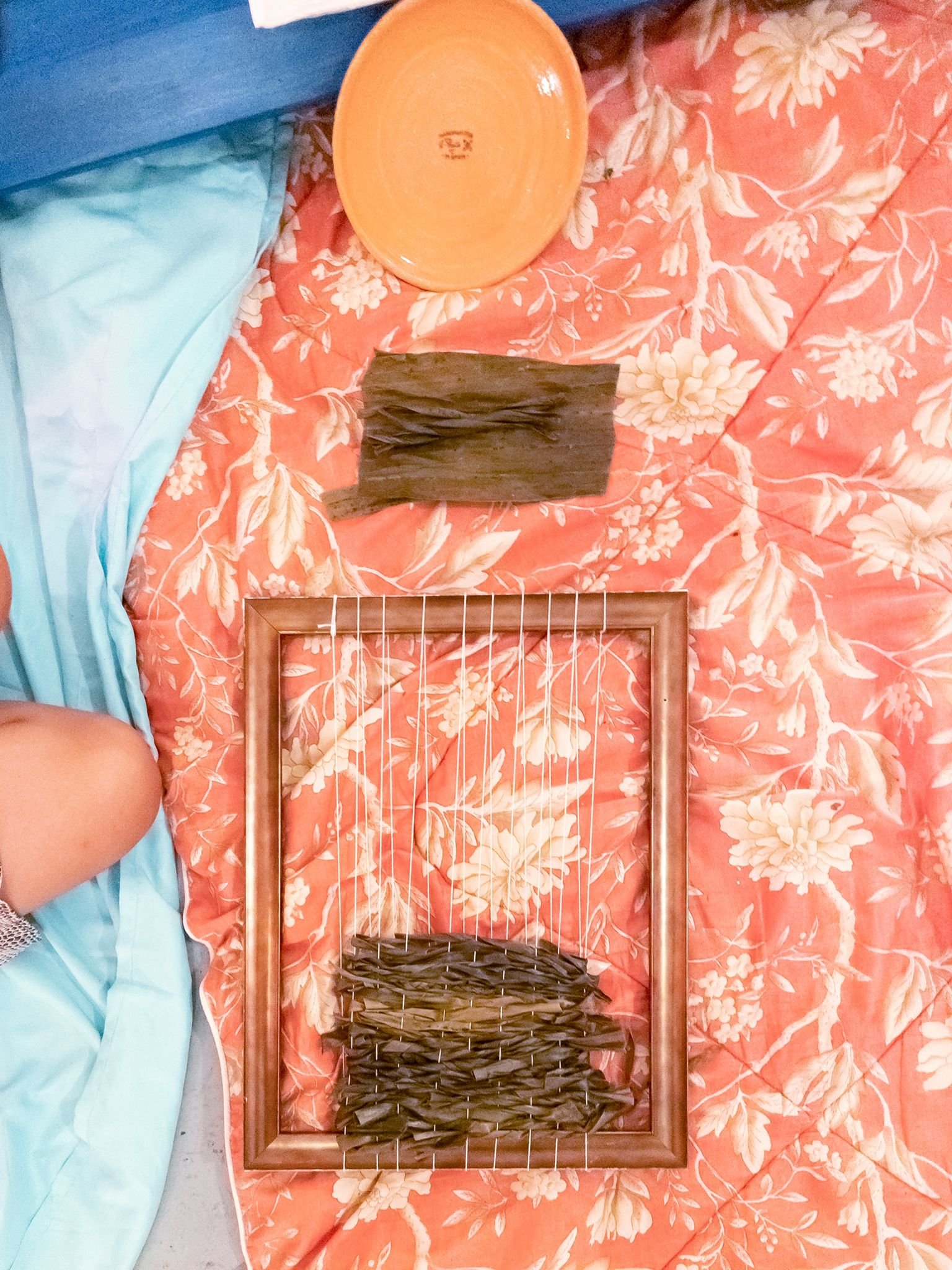
[TropoTrope: Arts Learning Lab]
Sara Haley
Tropotrop is a community warehouse in Little Haiti that features artist studios, classrooms, and lounge space; offering full programming of for profit, sliding scale, donation-based interdisciplinary art education experiences for learners of all ages.
IG: @tropotrope_miami
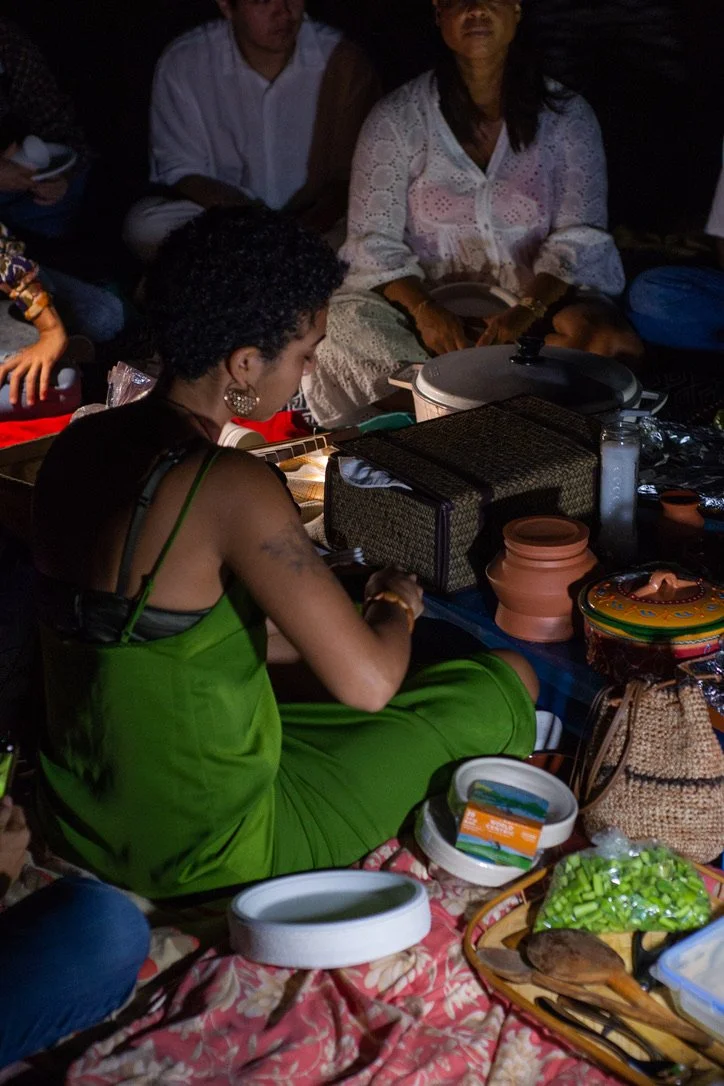
TAN LEJOS Y TAN CERCA| MIAMI BEACH URBAN STUDIOS | MIAMI BEACH, FL | OCTOBER 2022
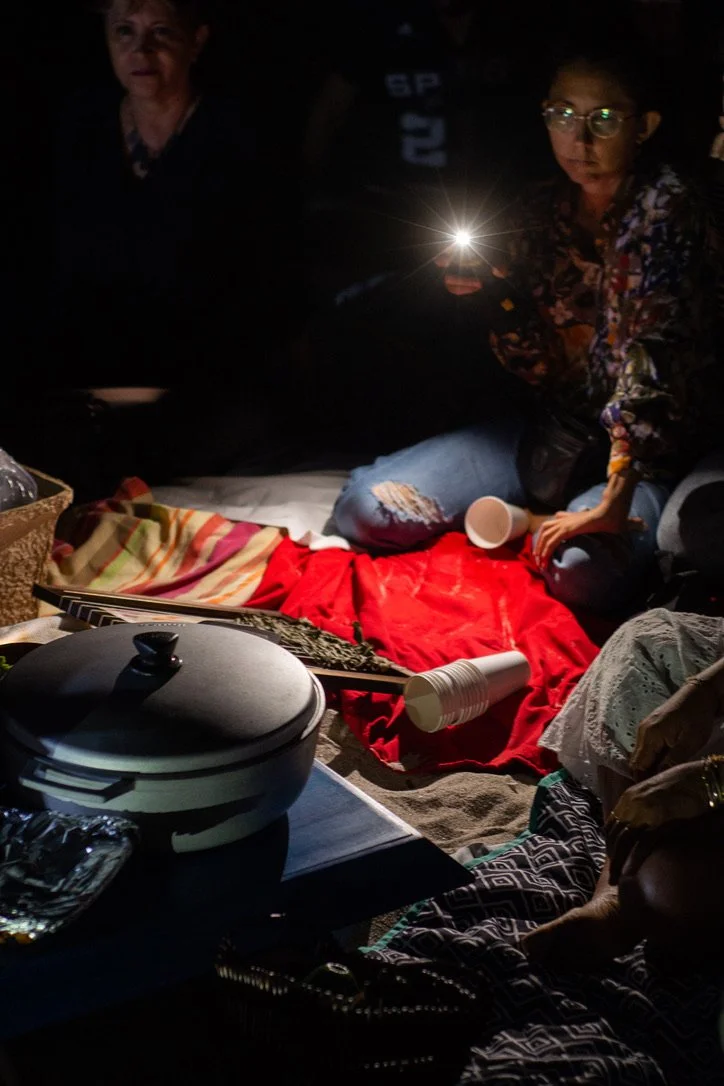
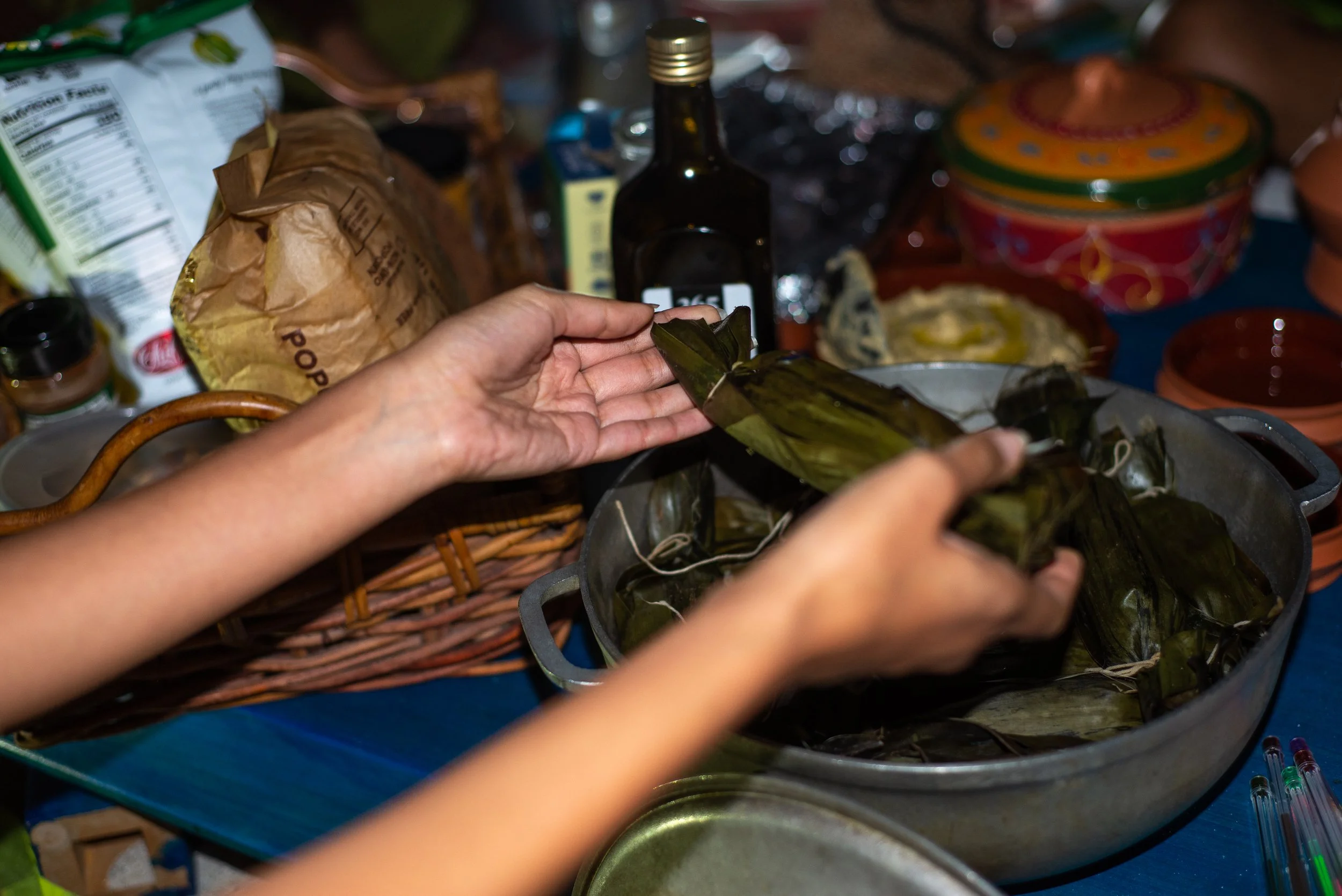
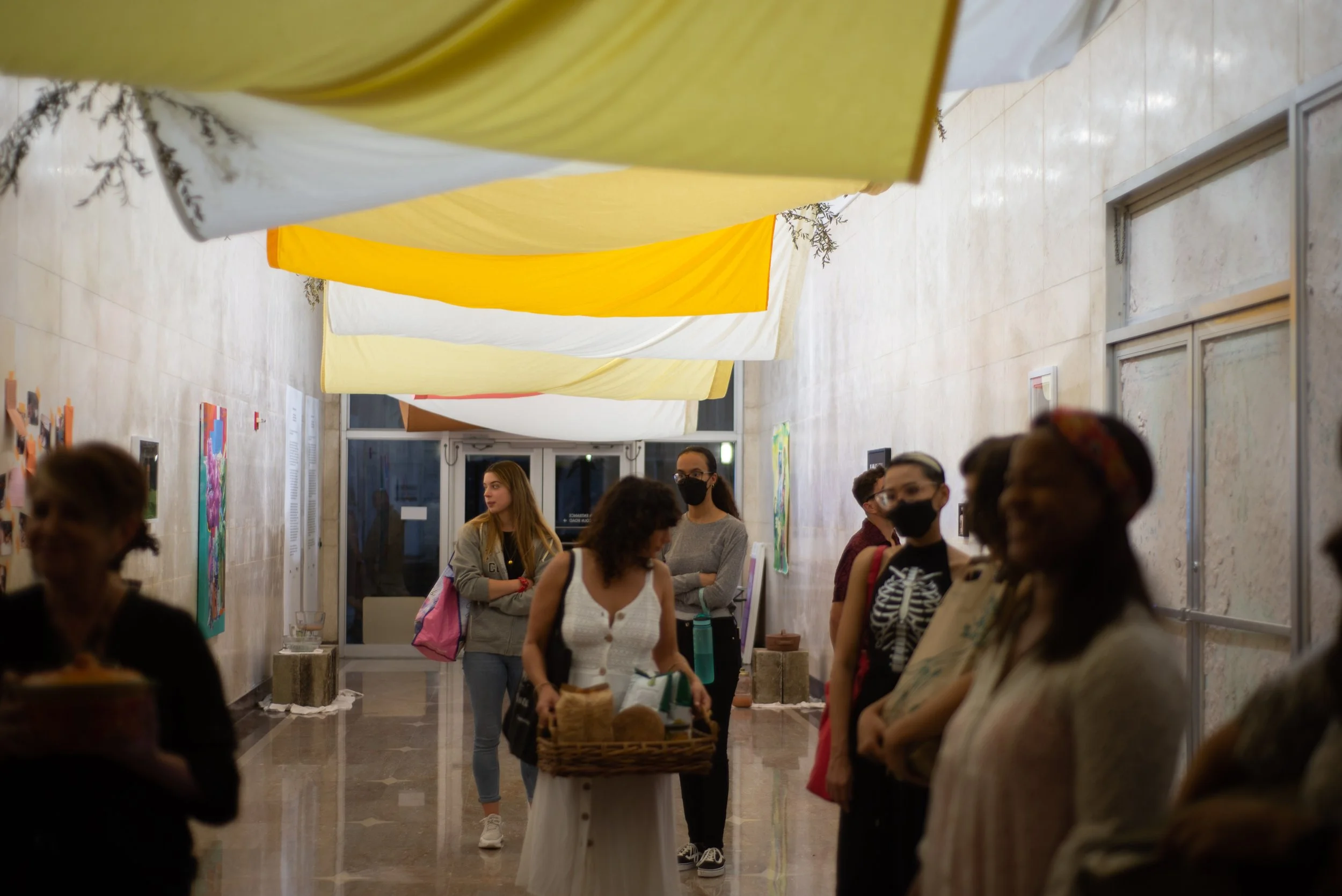
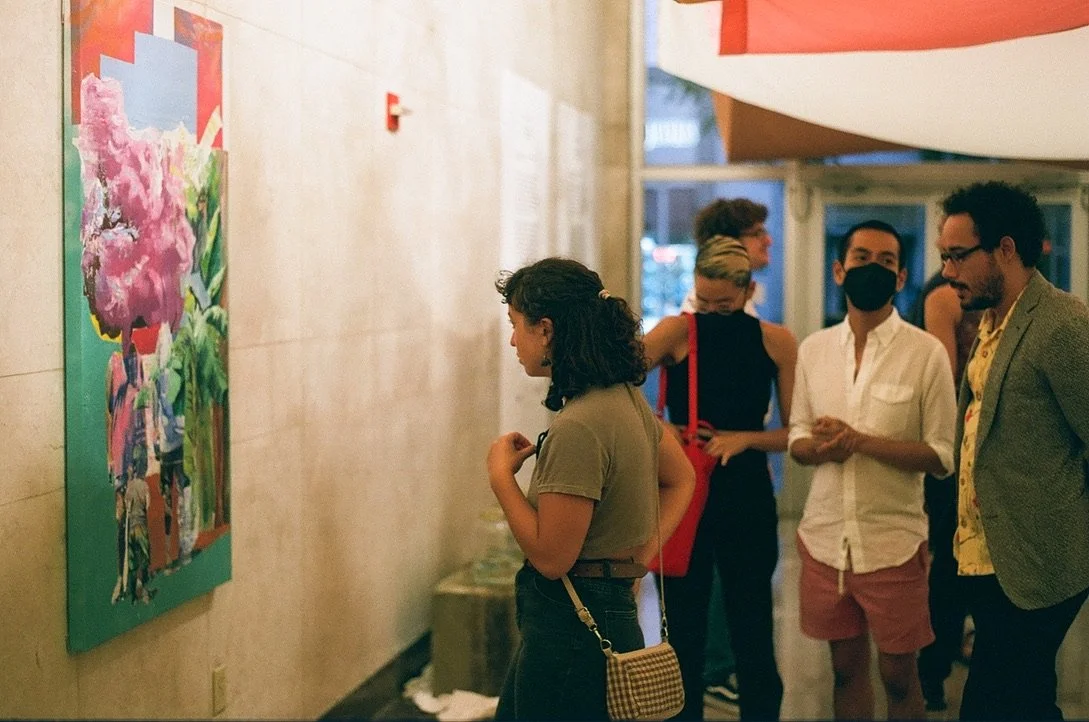
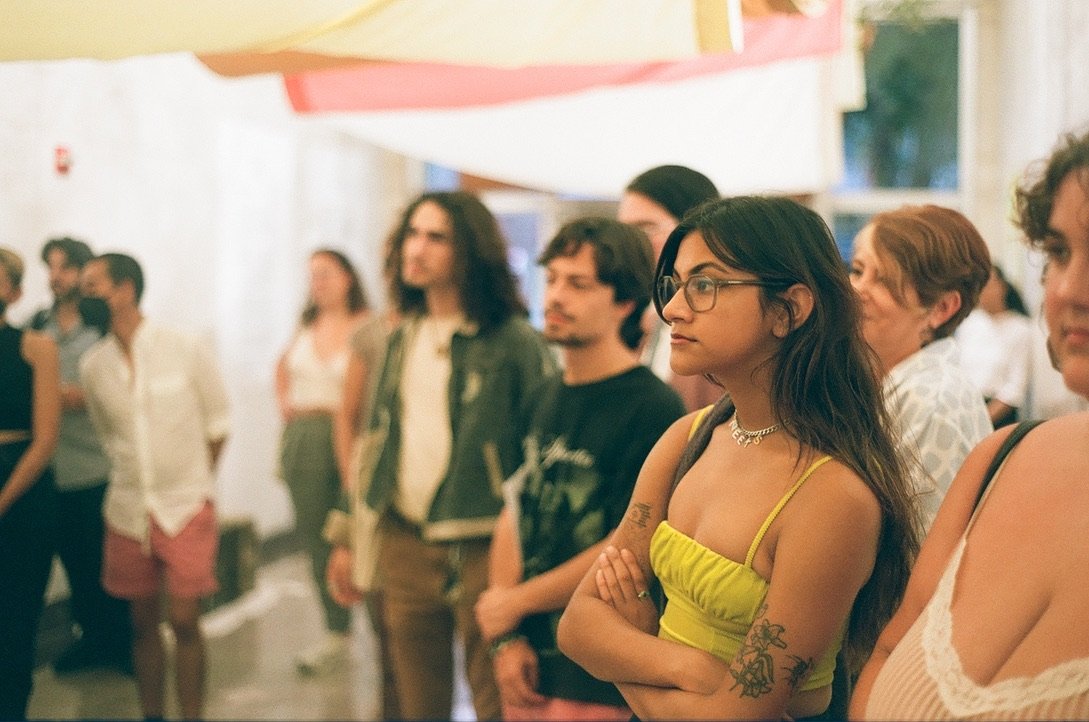
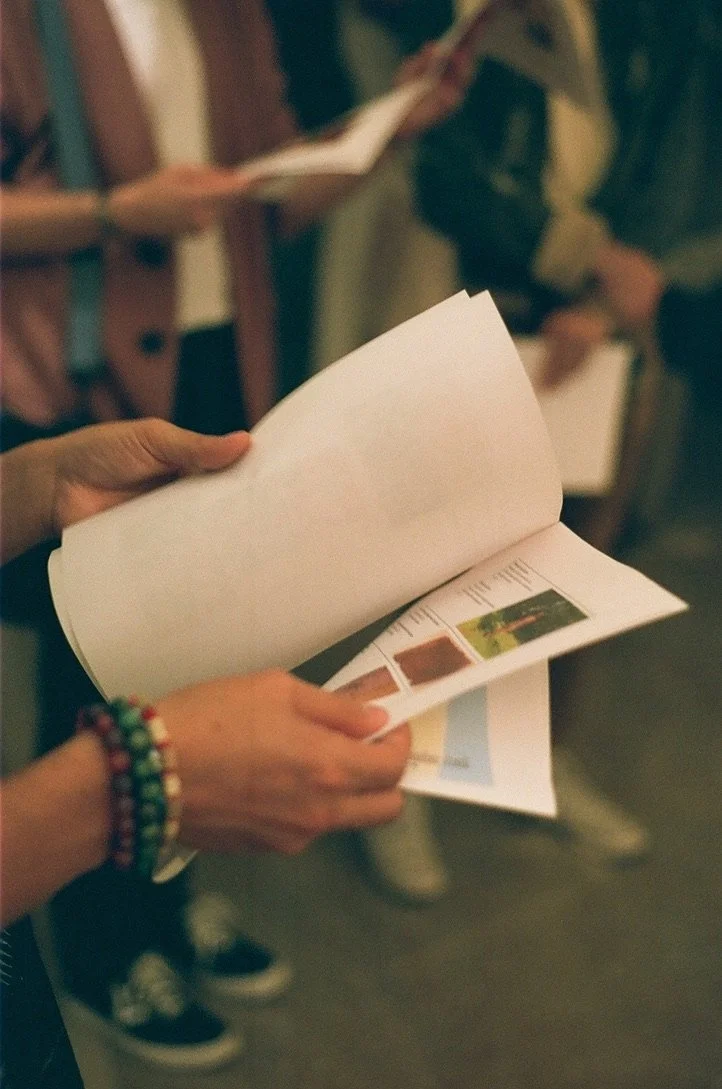
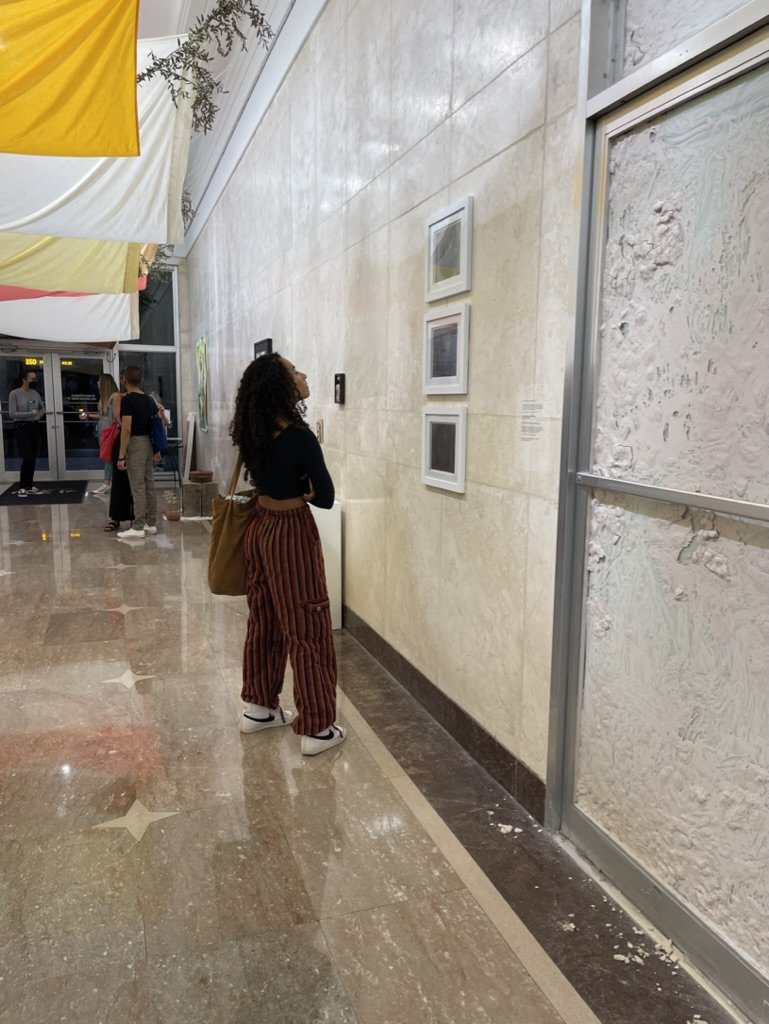
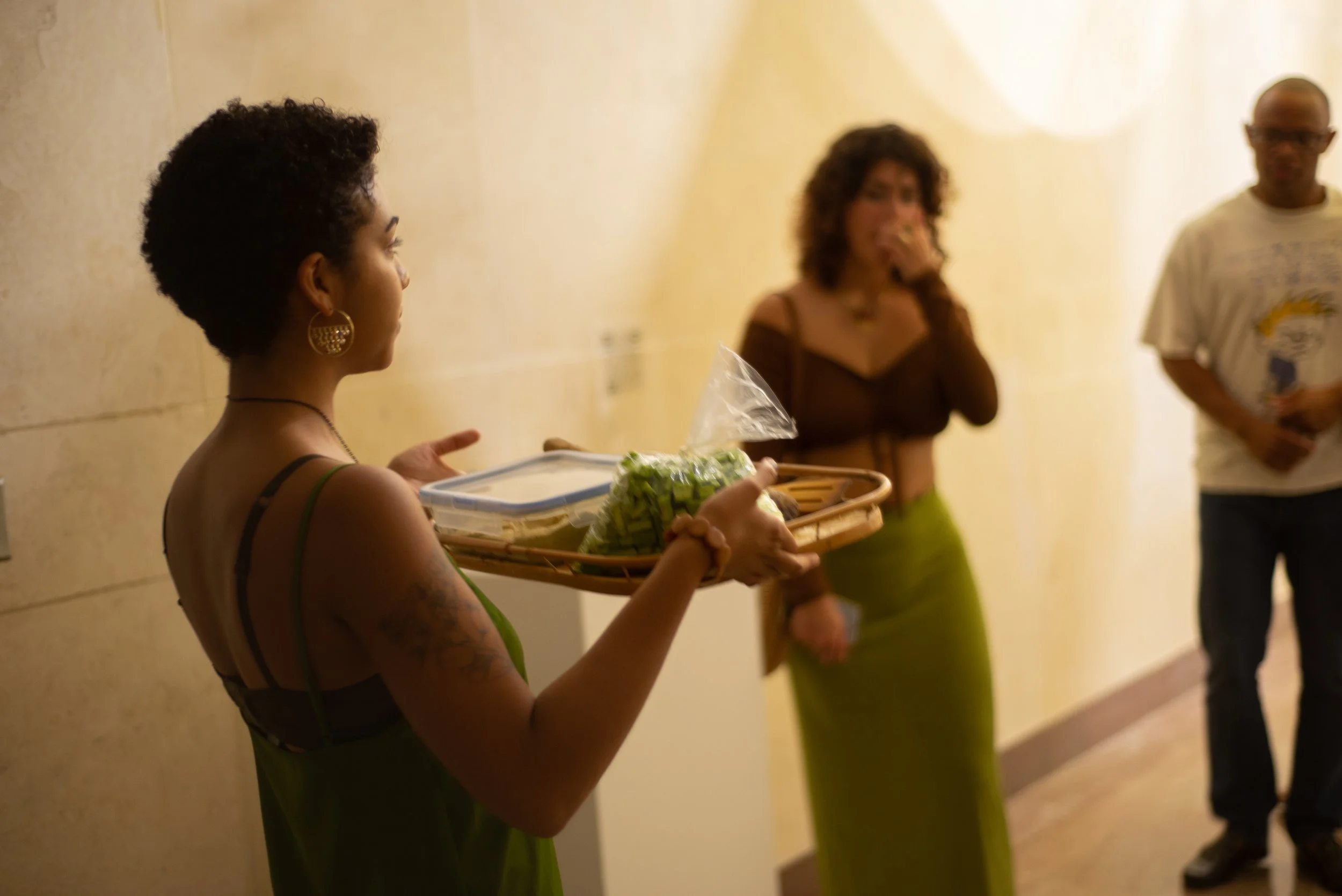
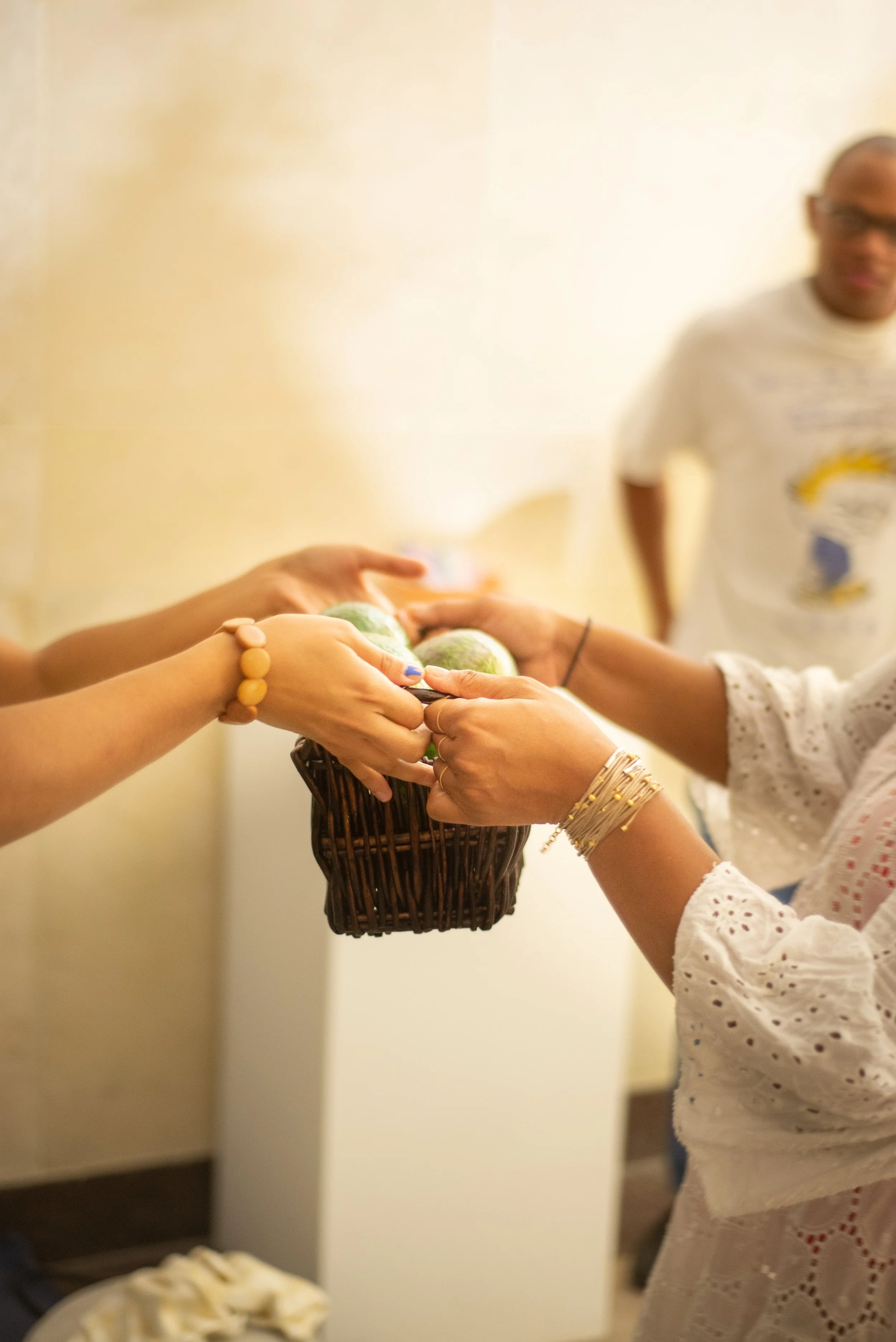
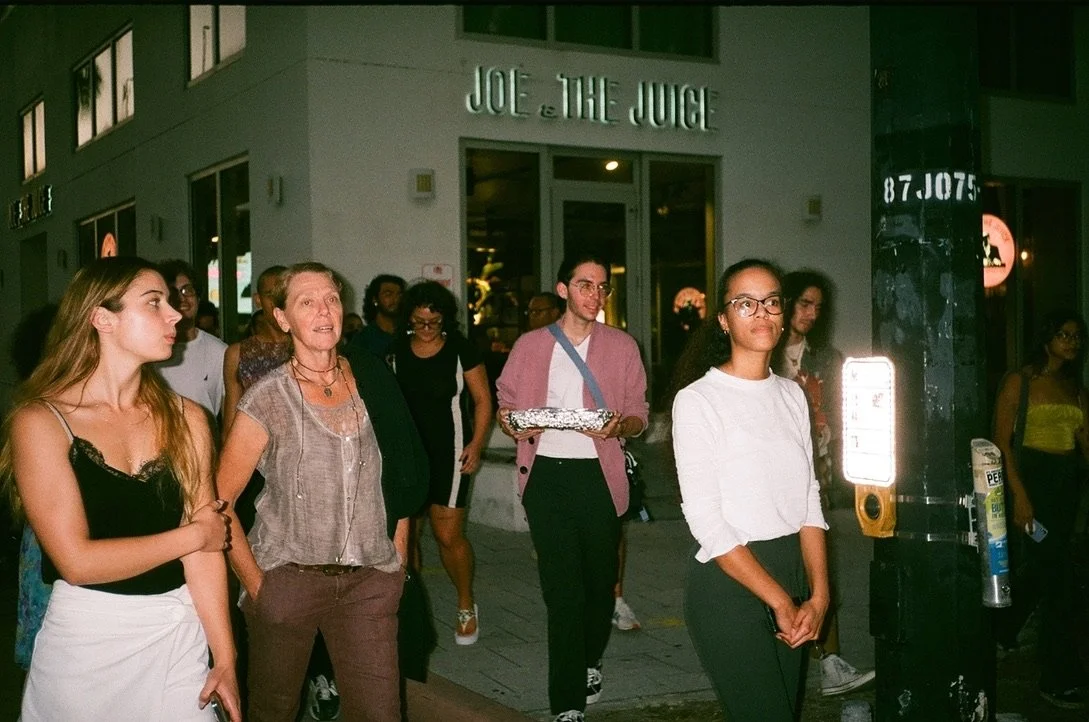
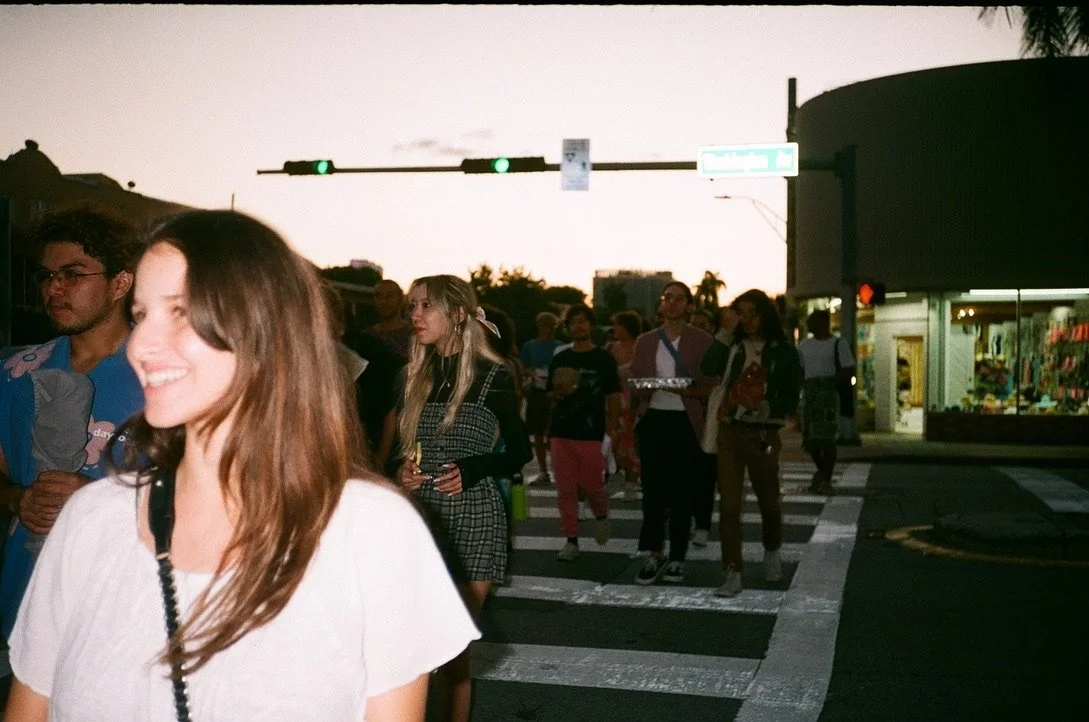
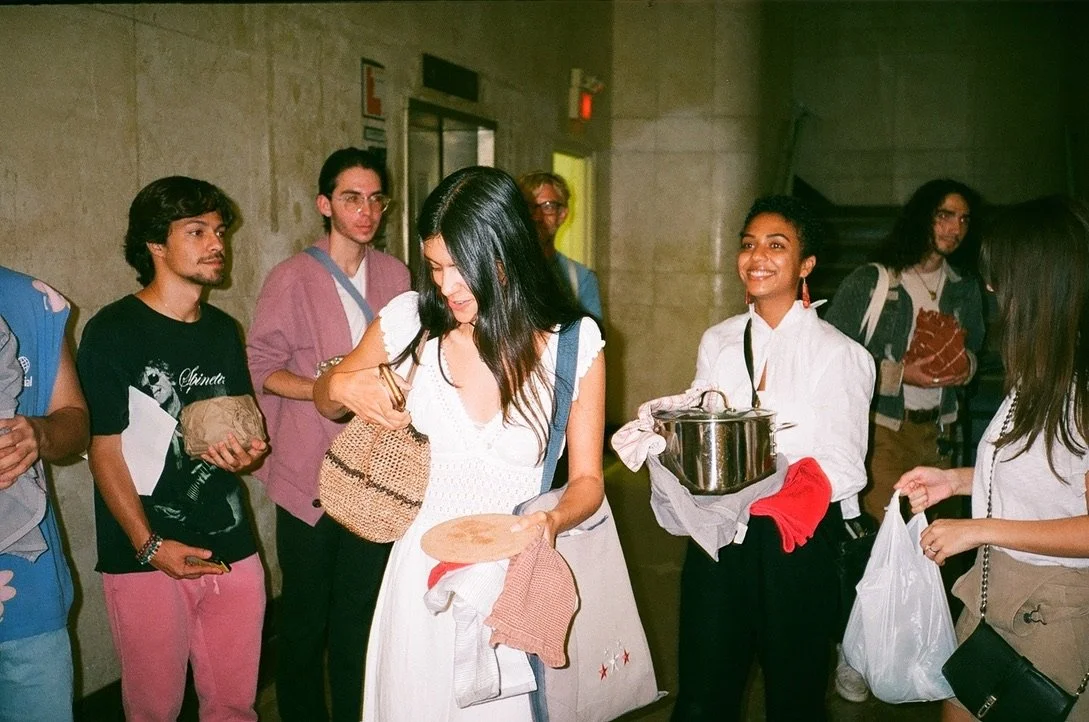
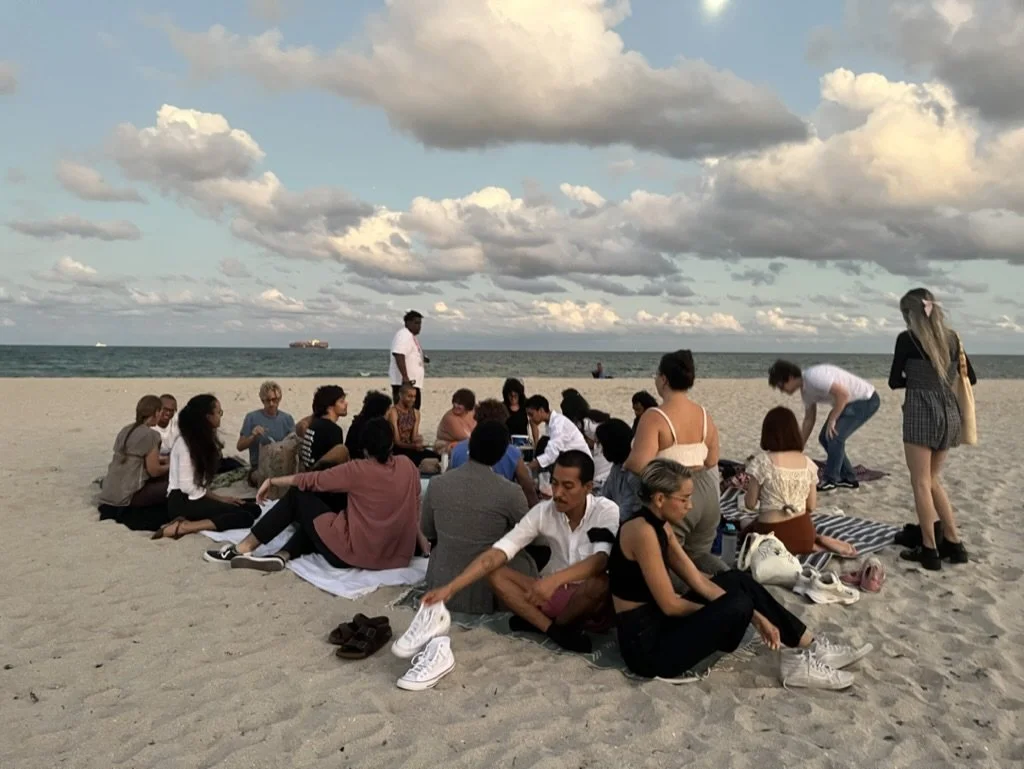
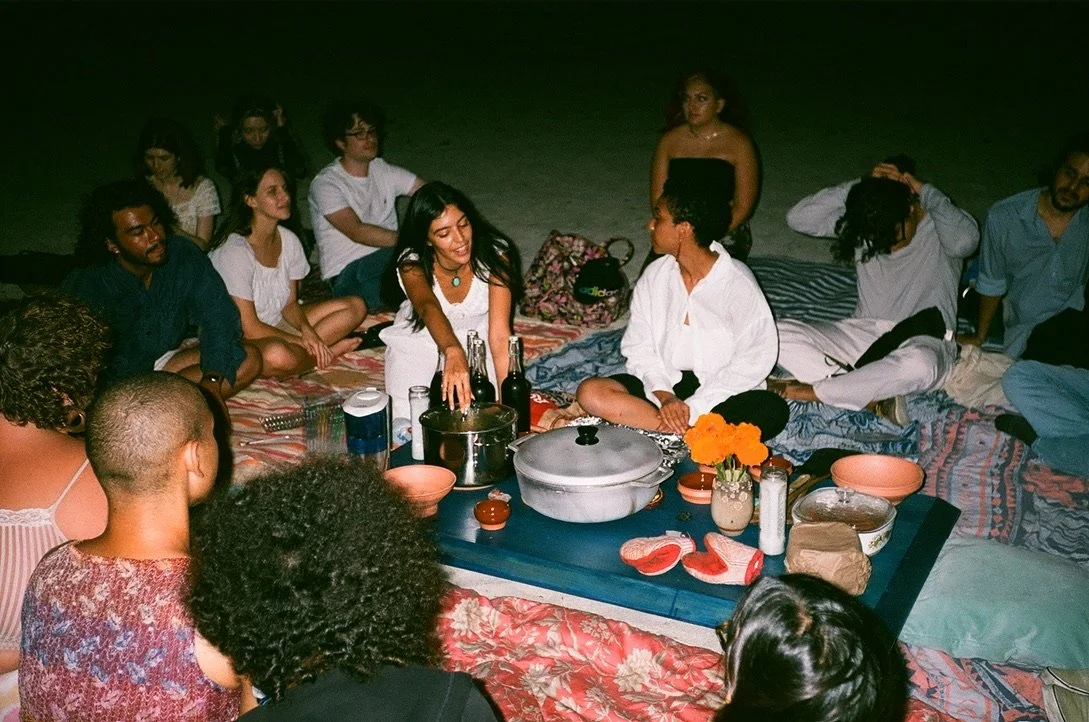
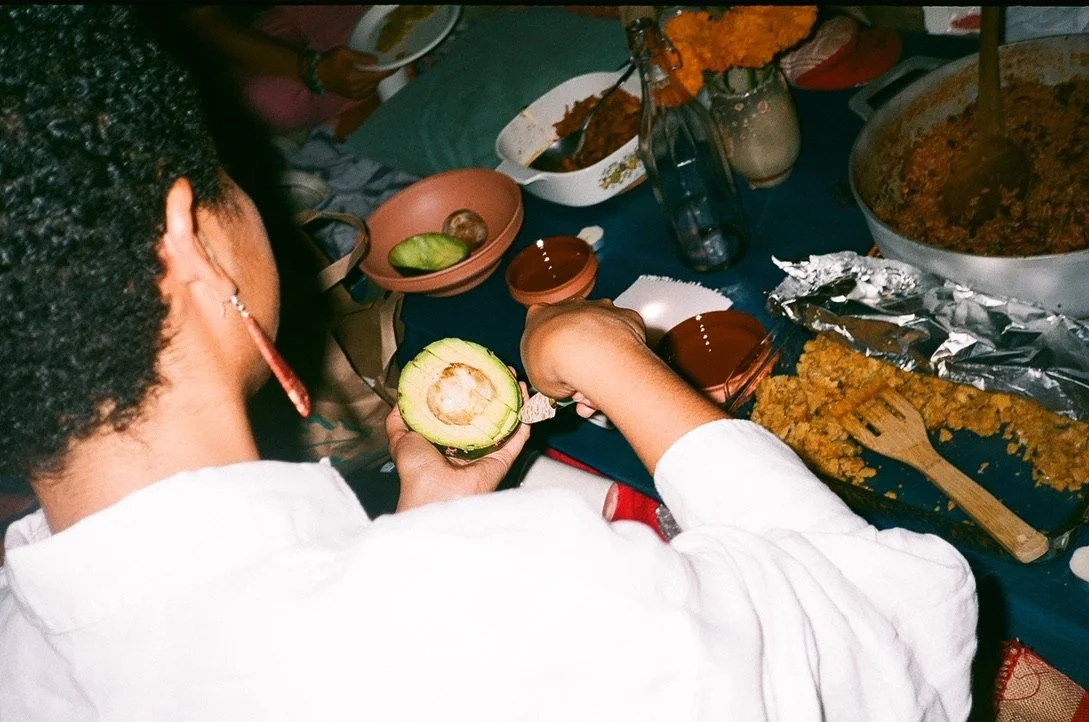
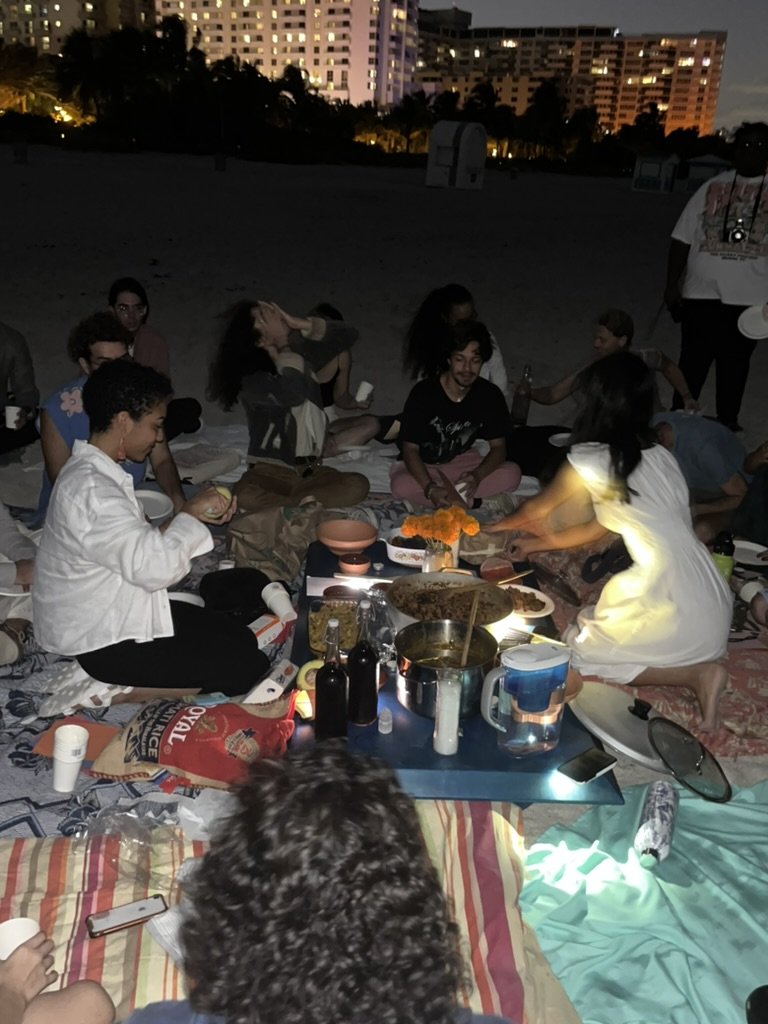
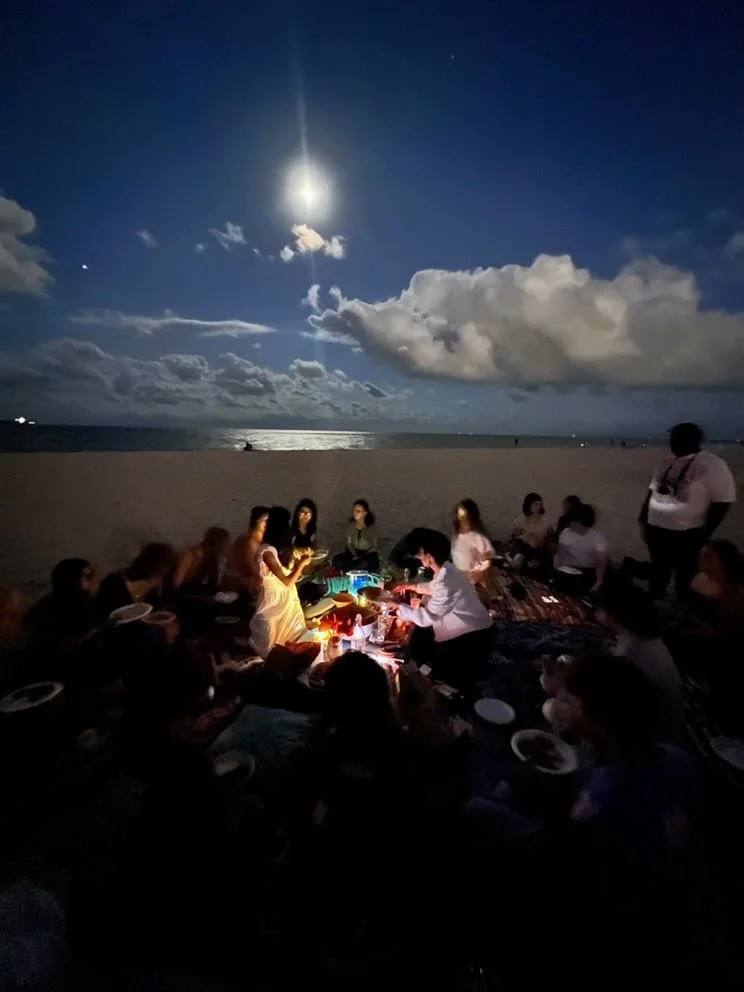
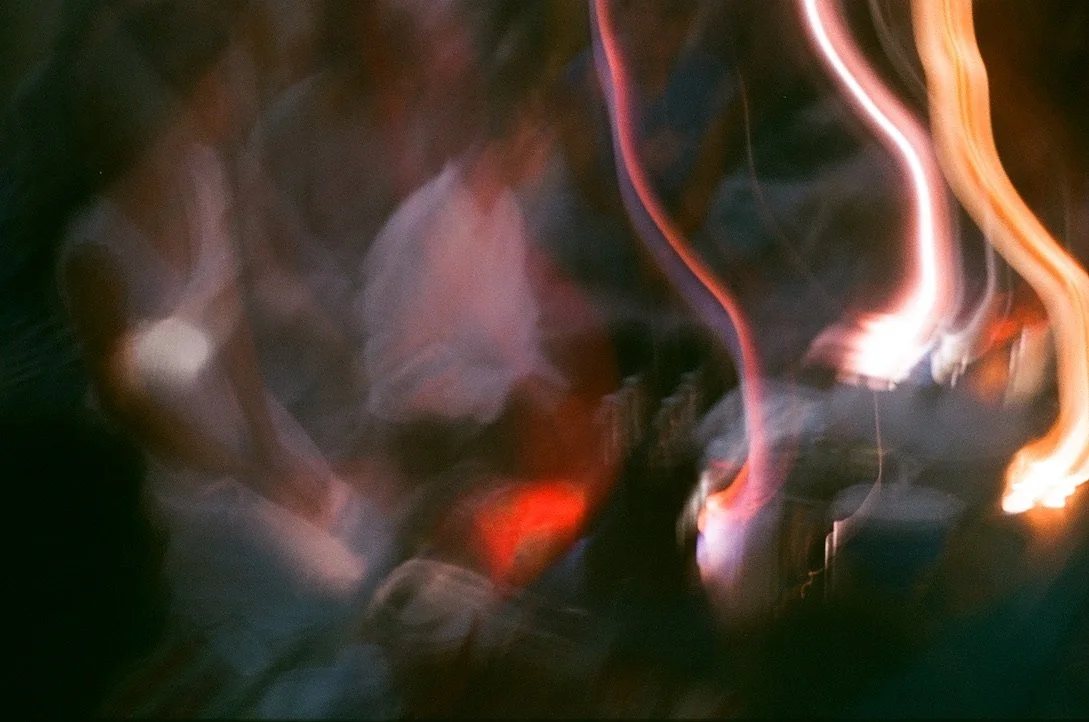
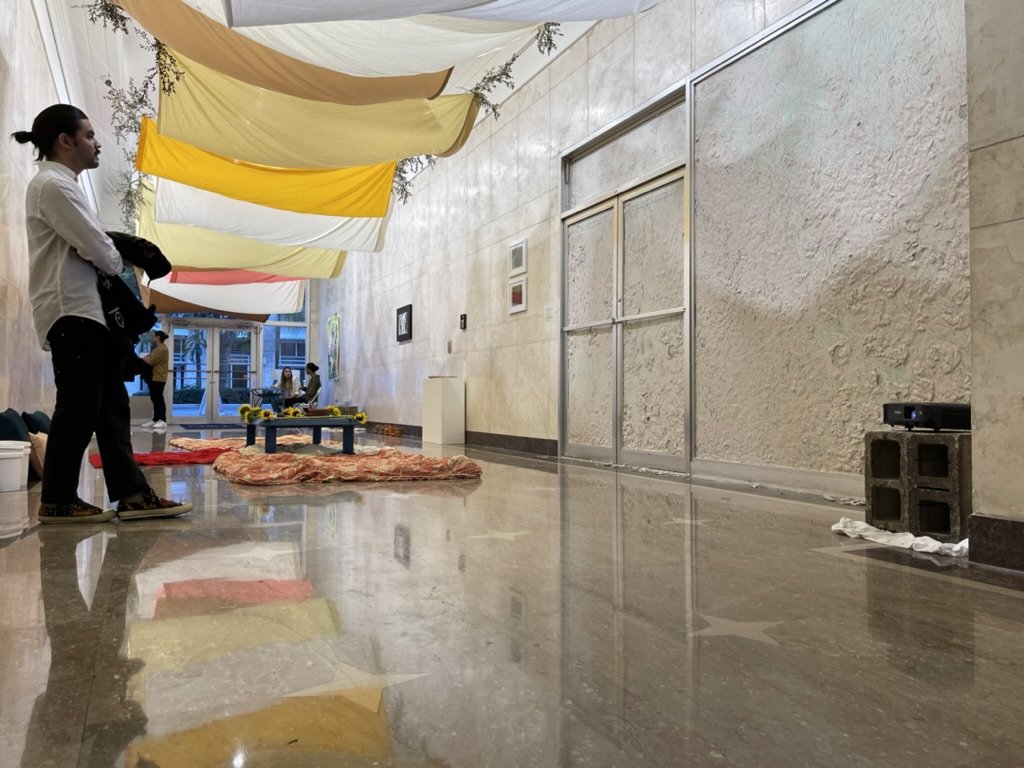
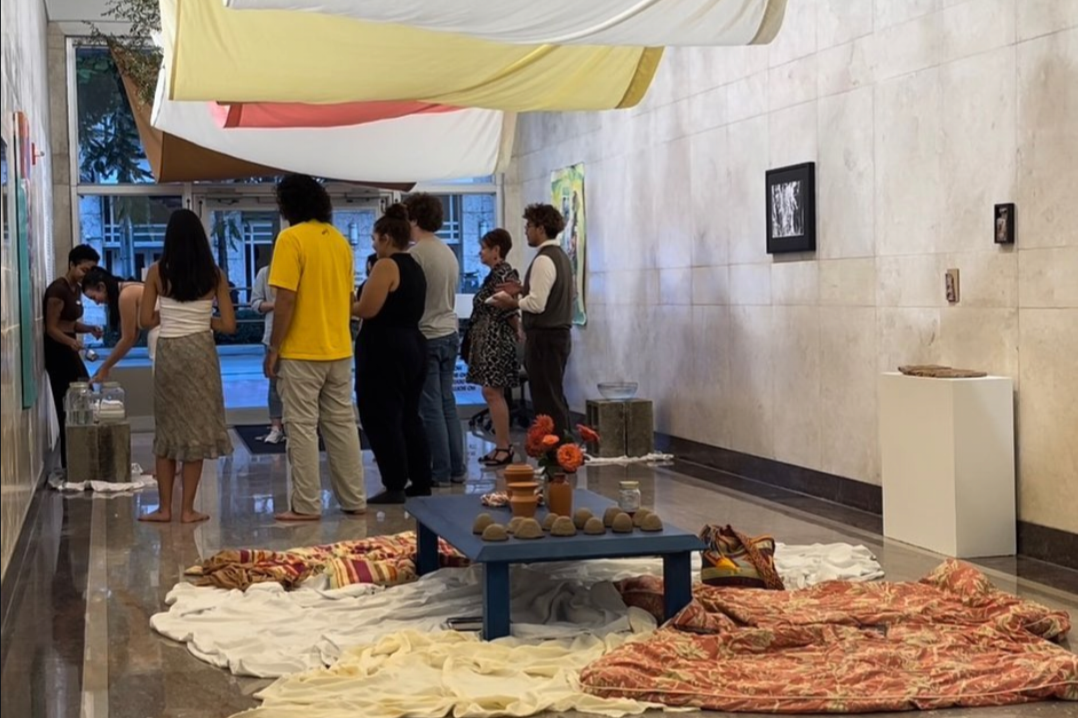
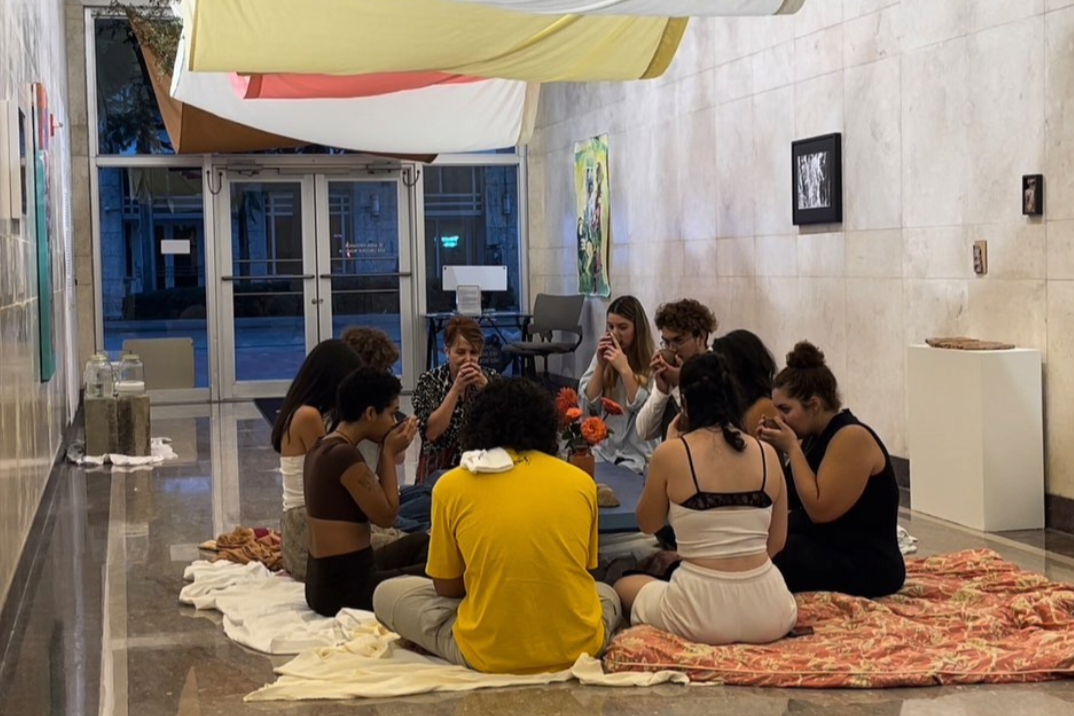
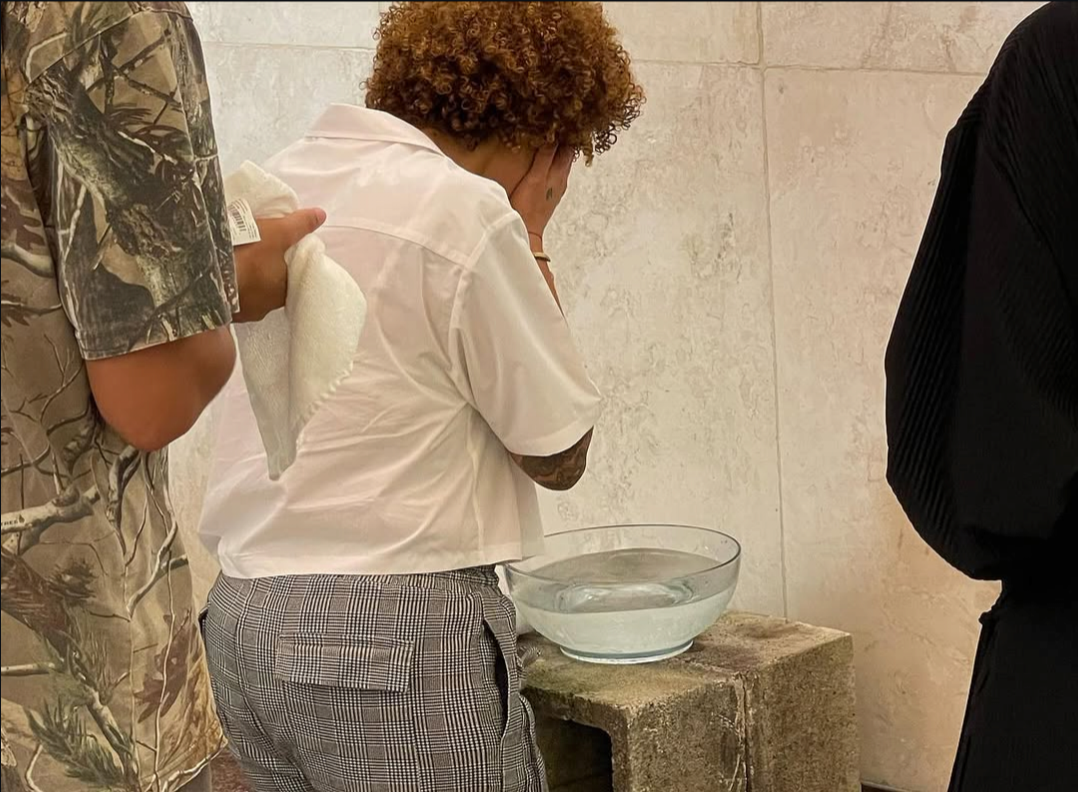
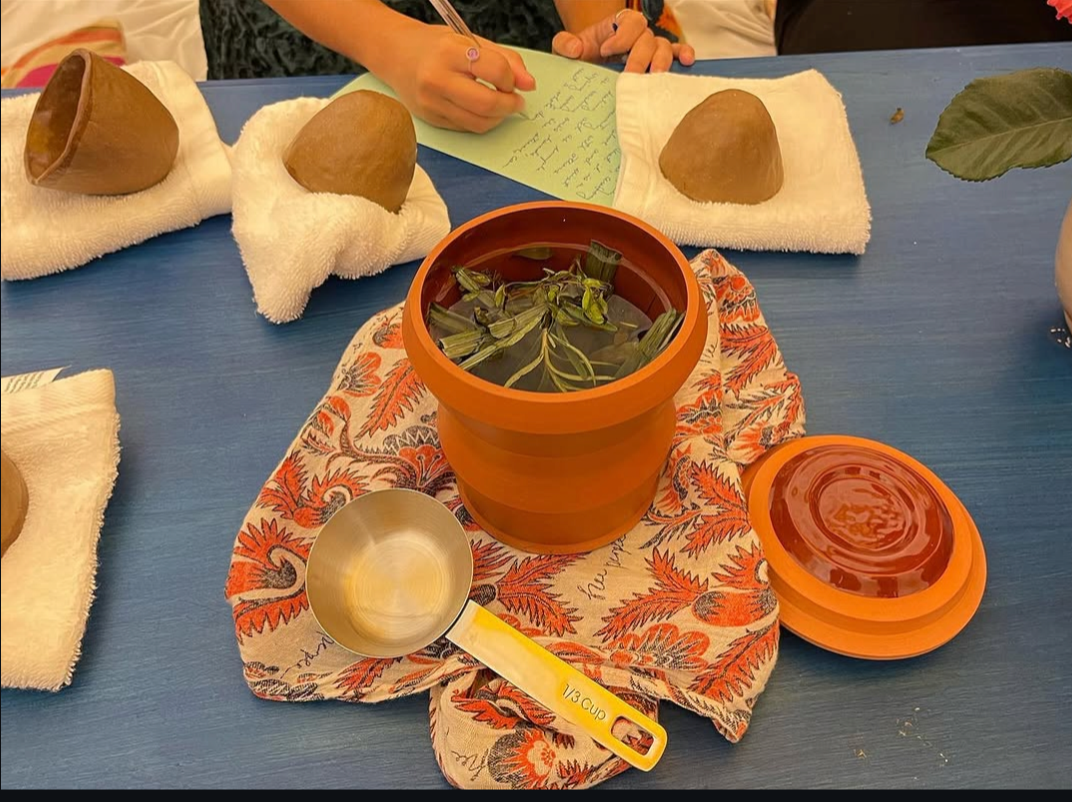
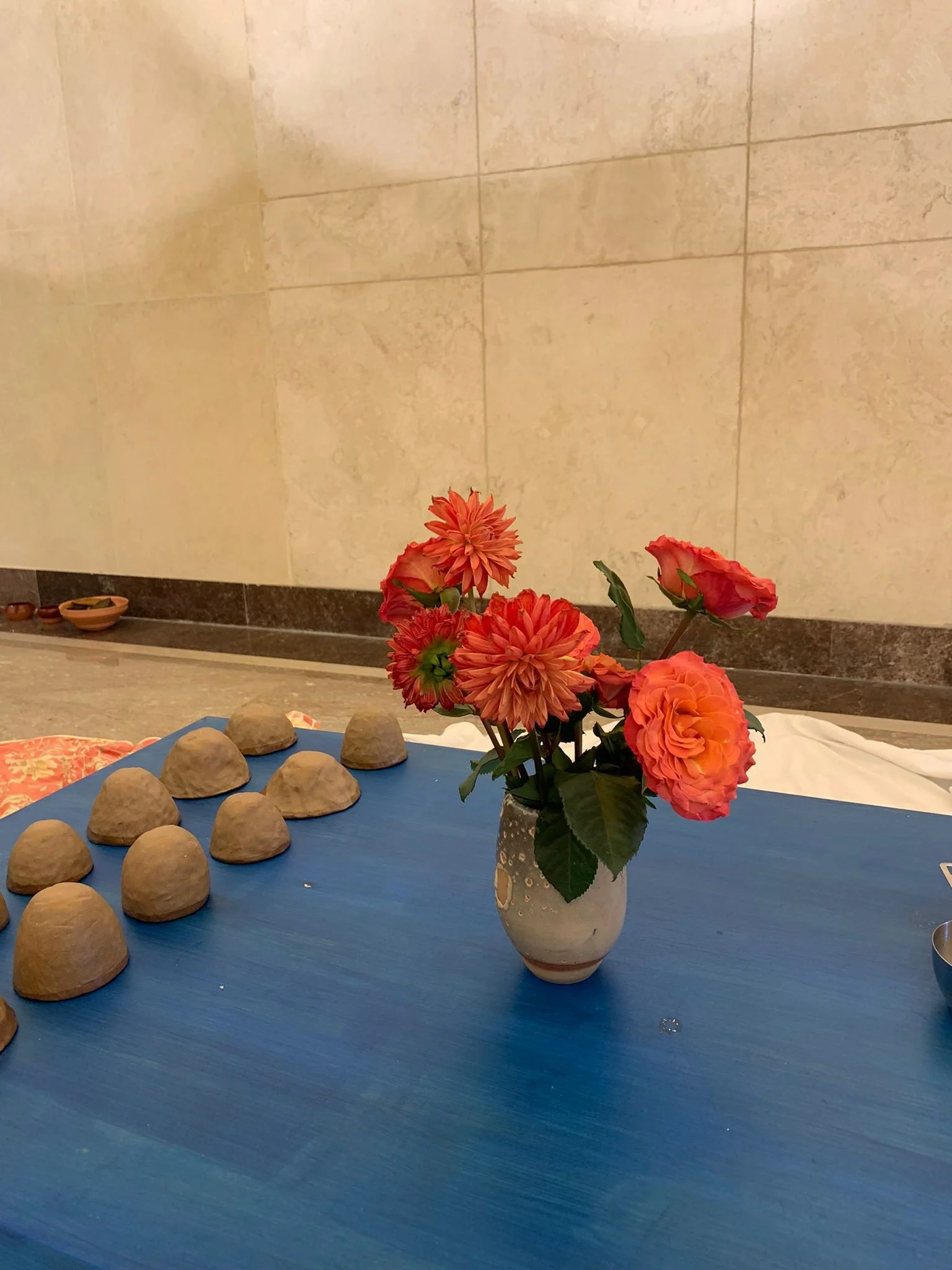
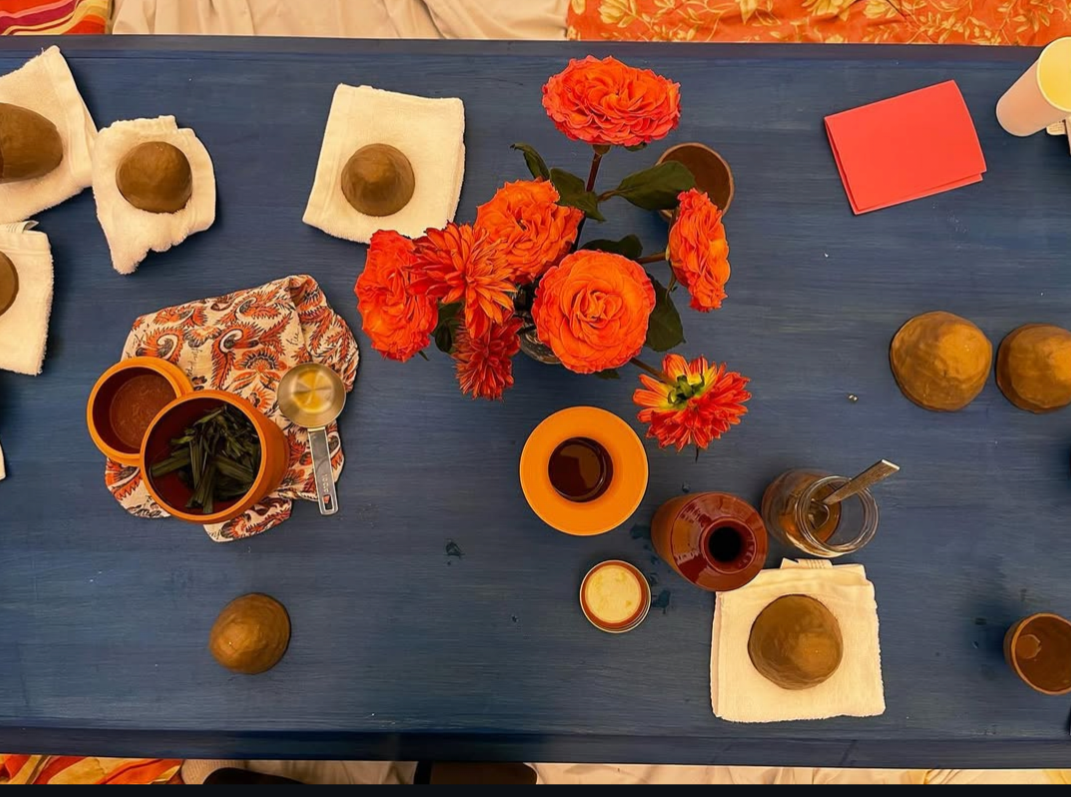
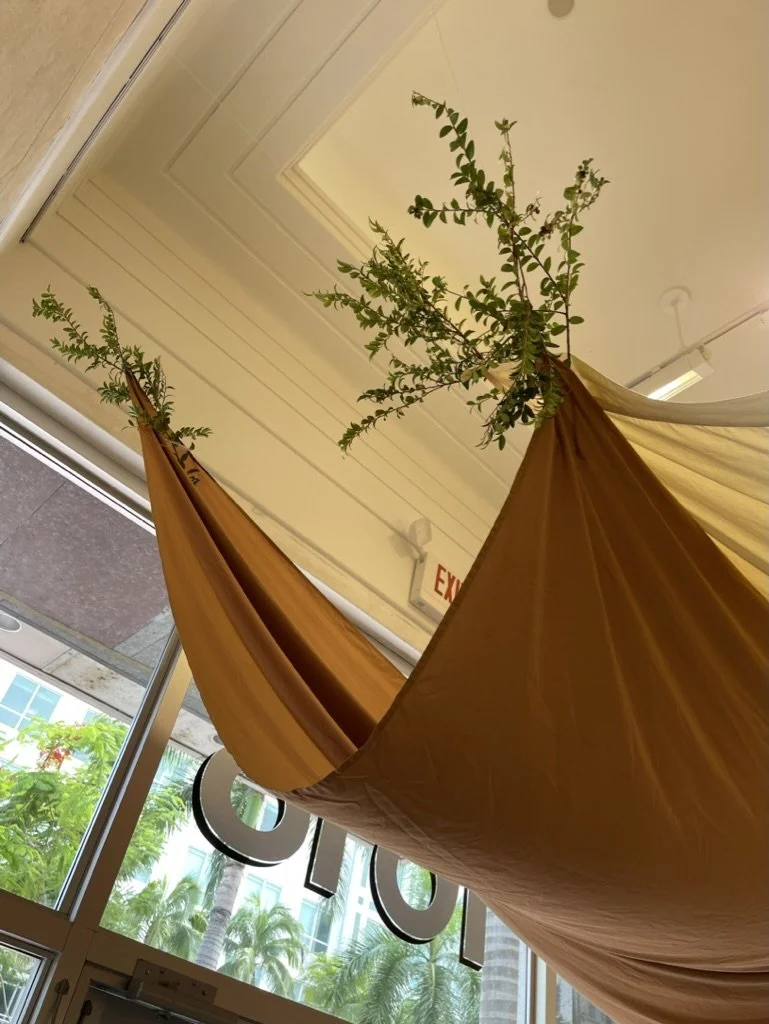
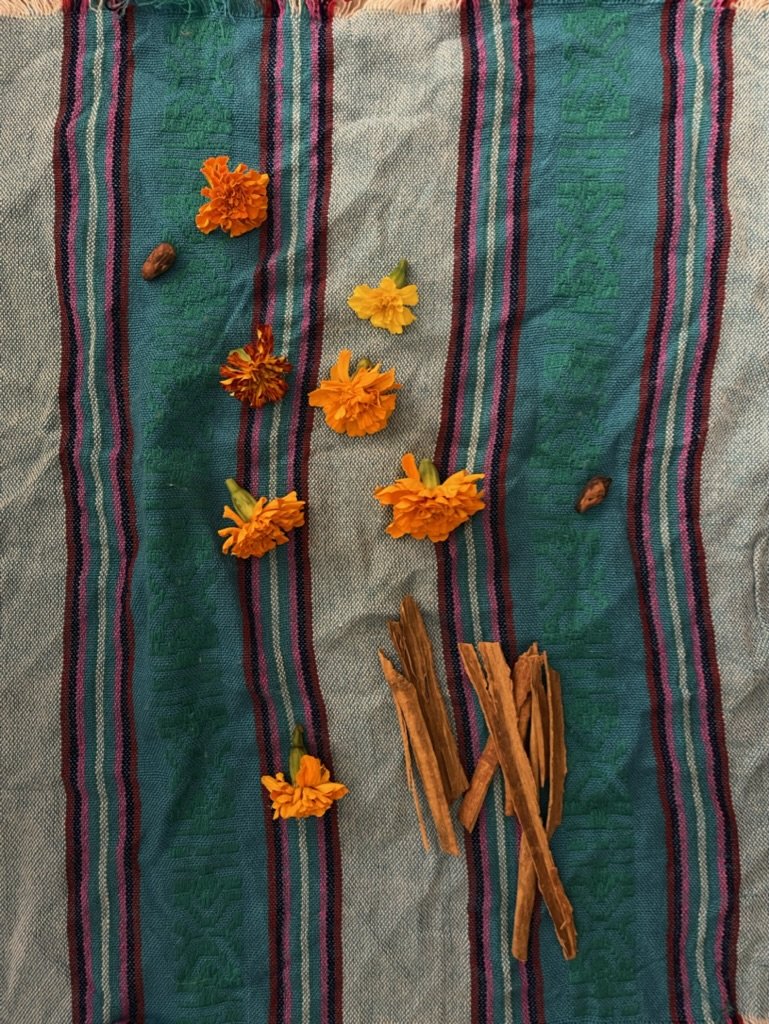
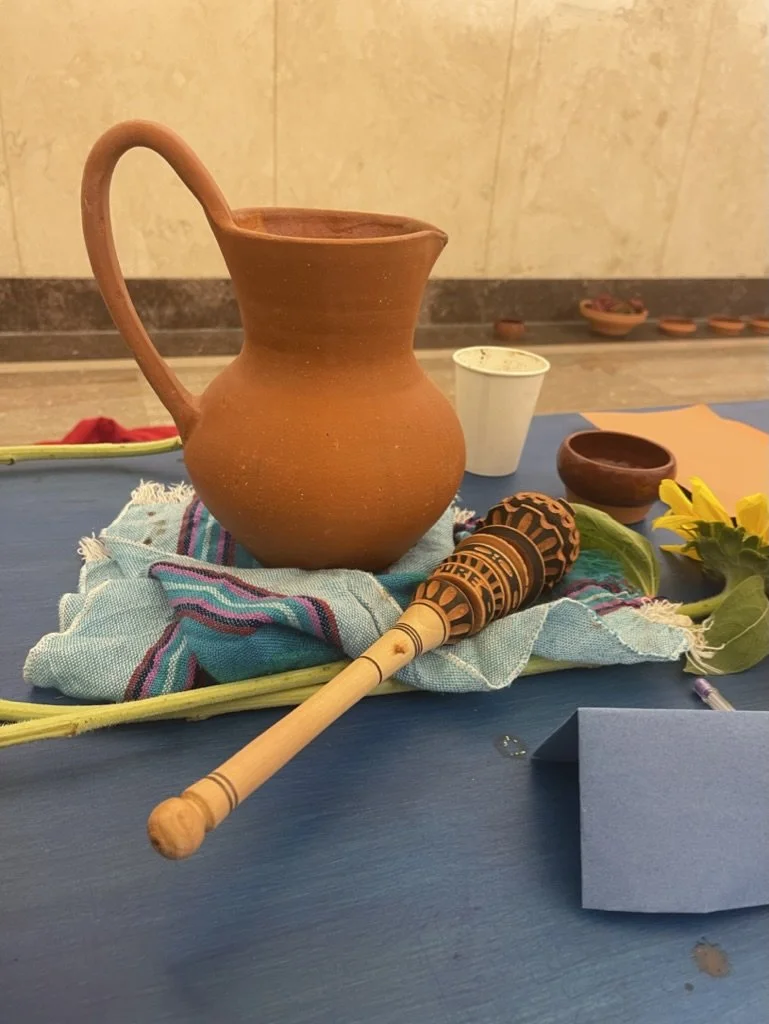
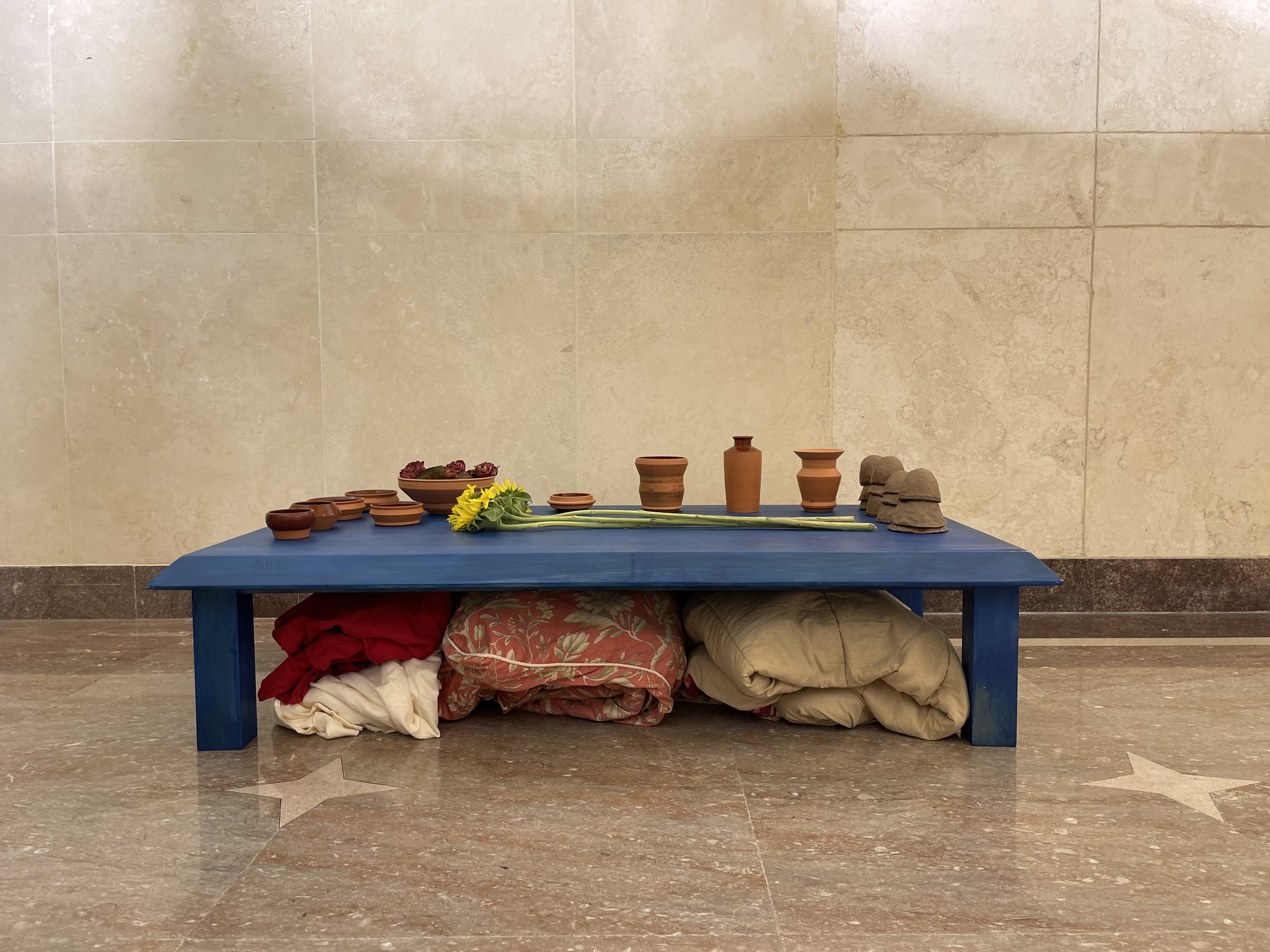
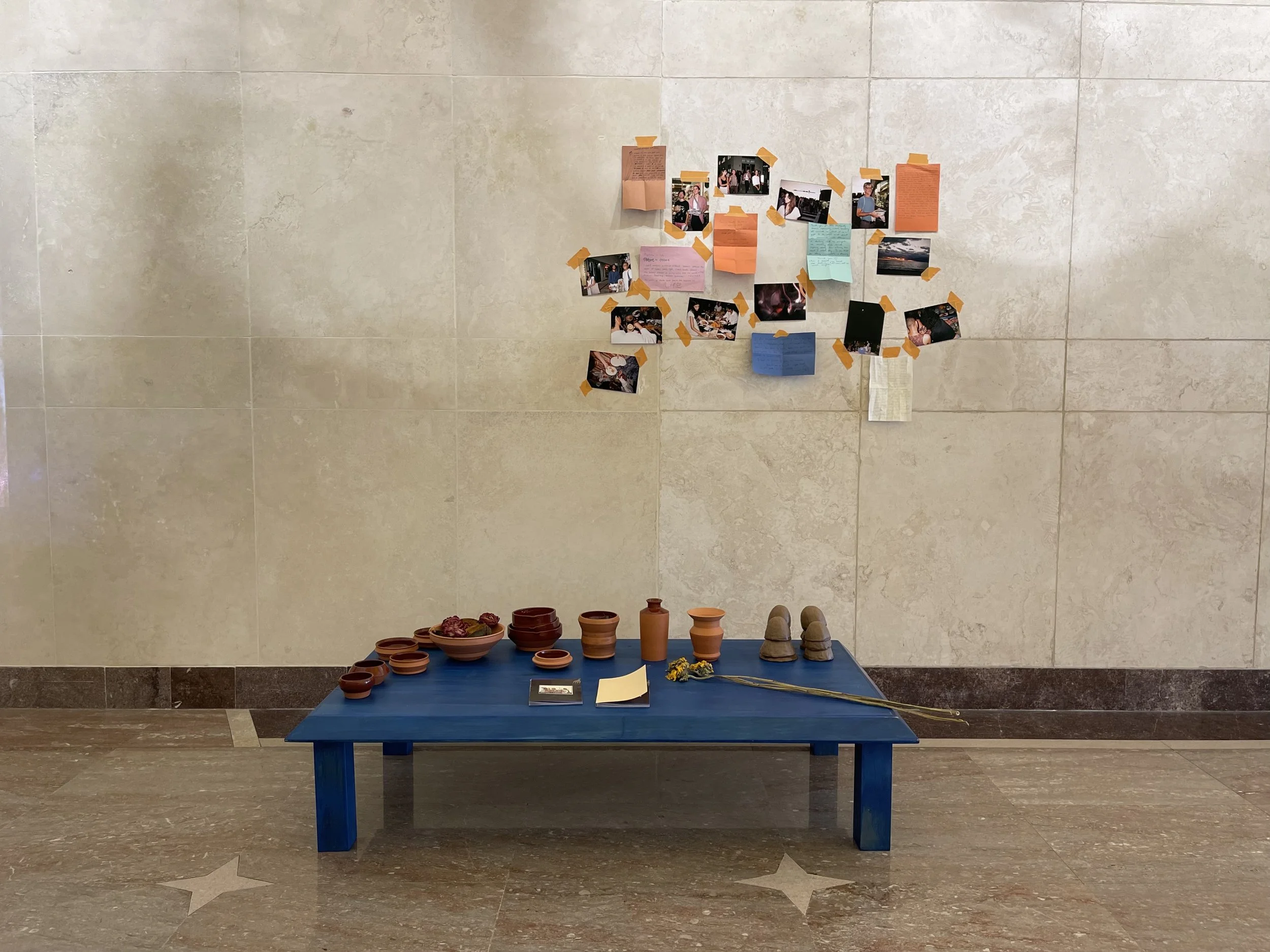
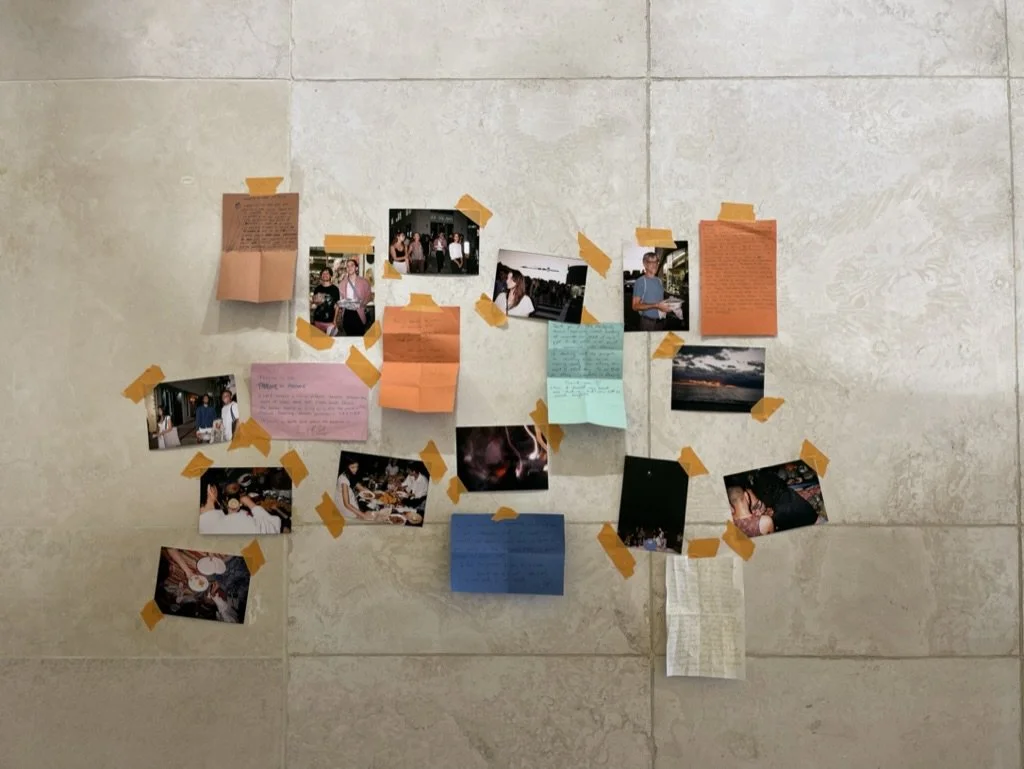
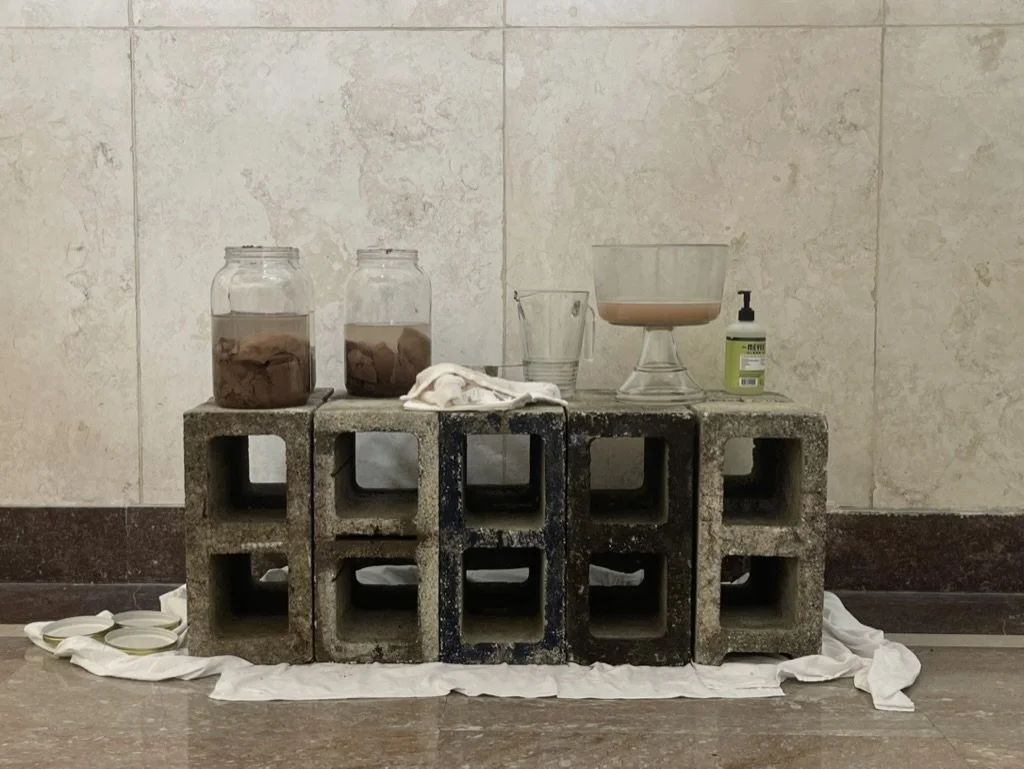
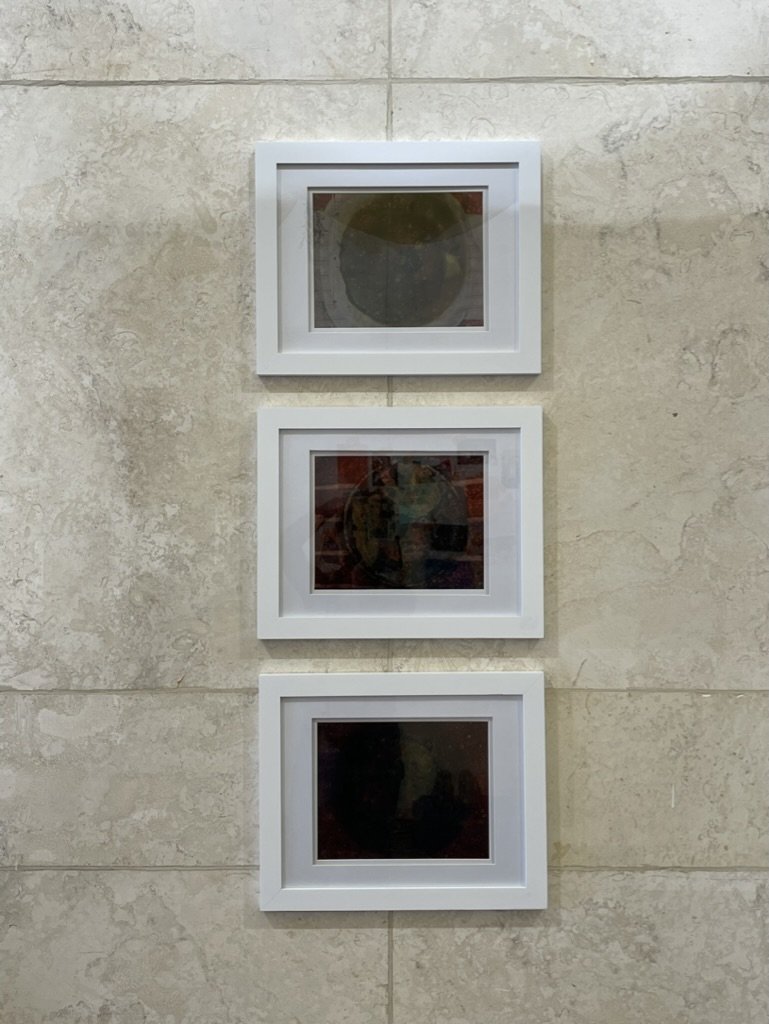
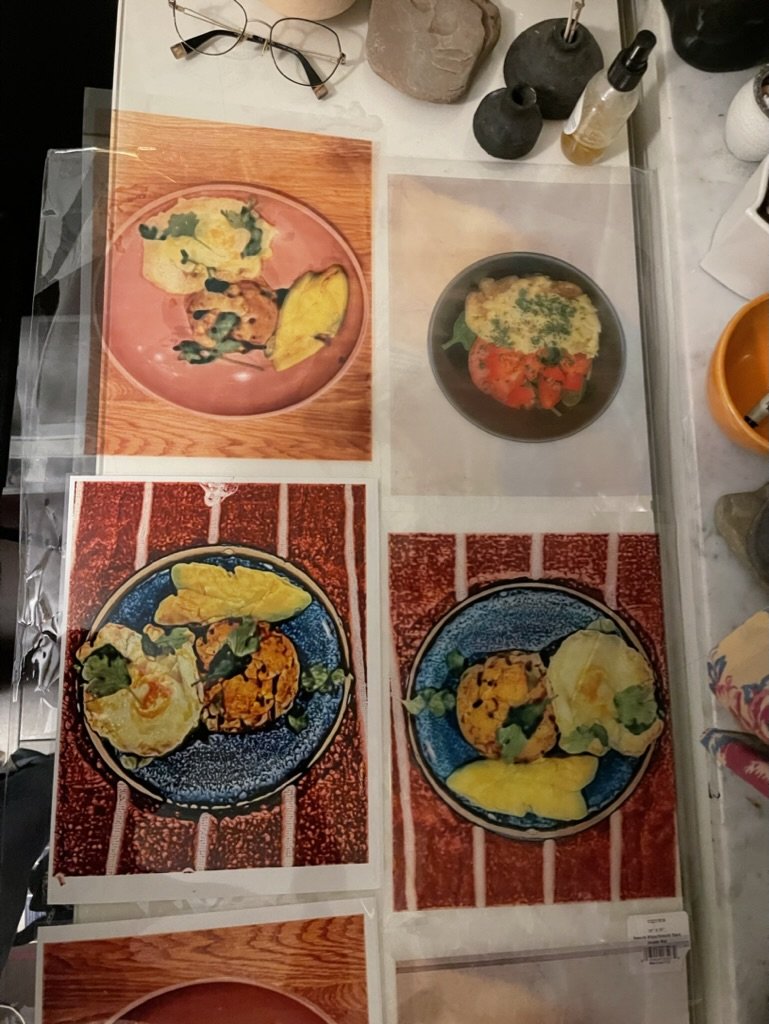
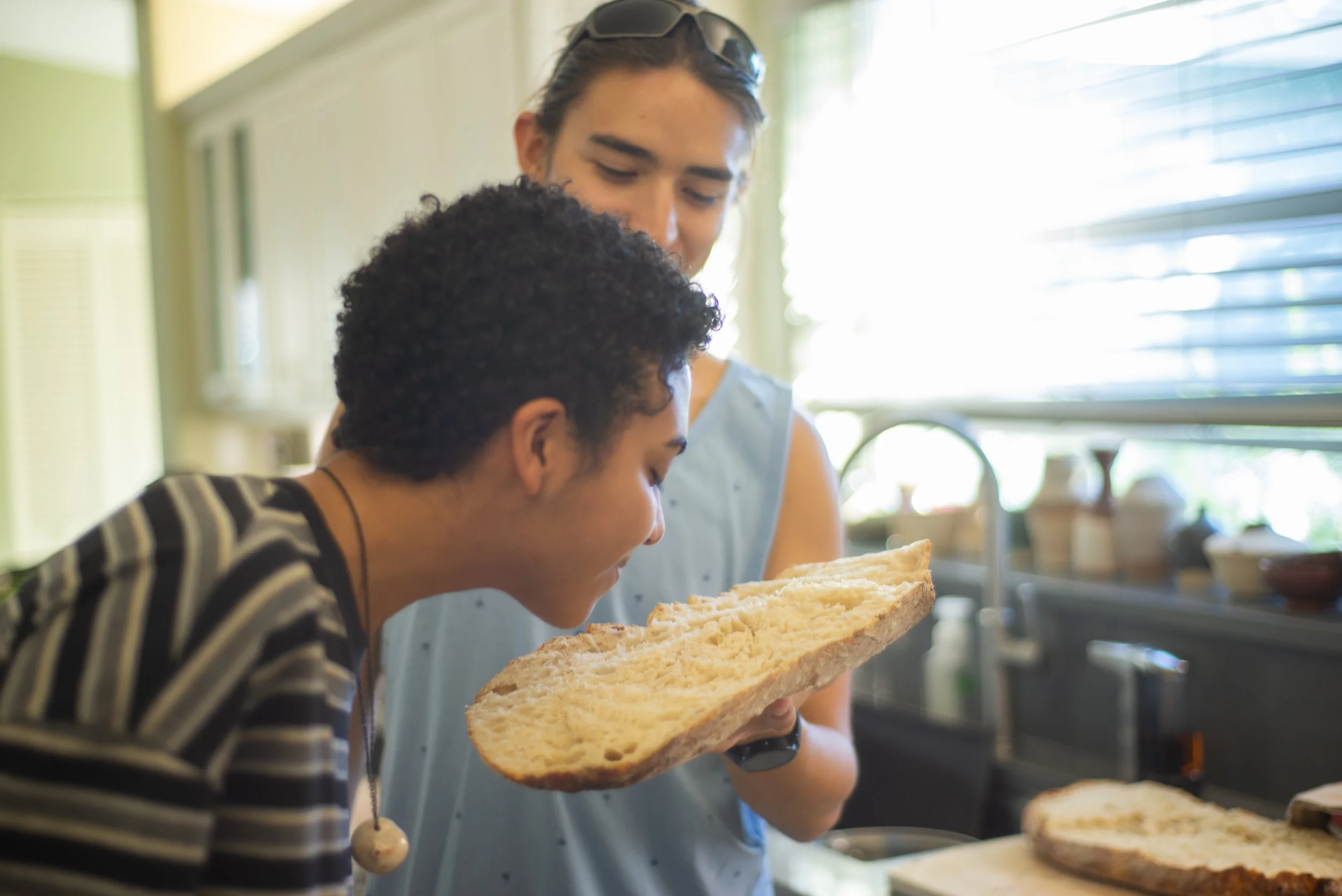
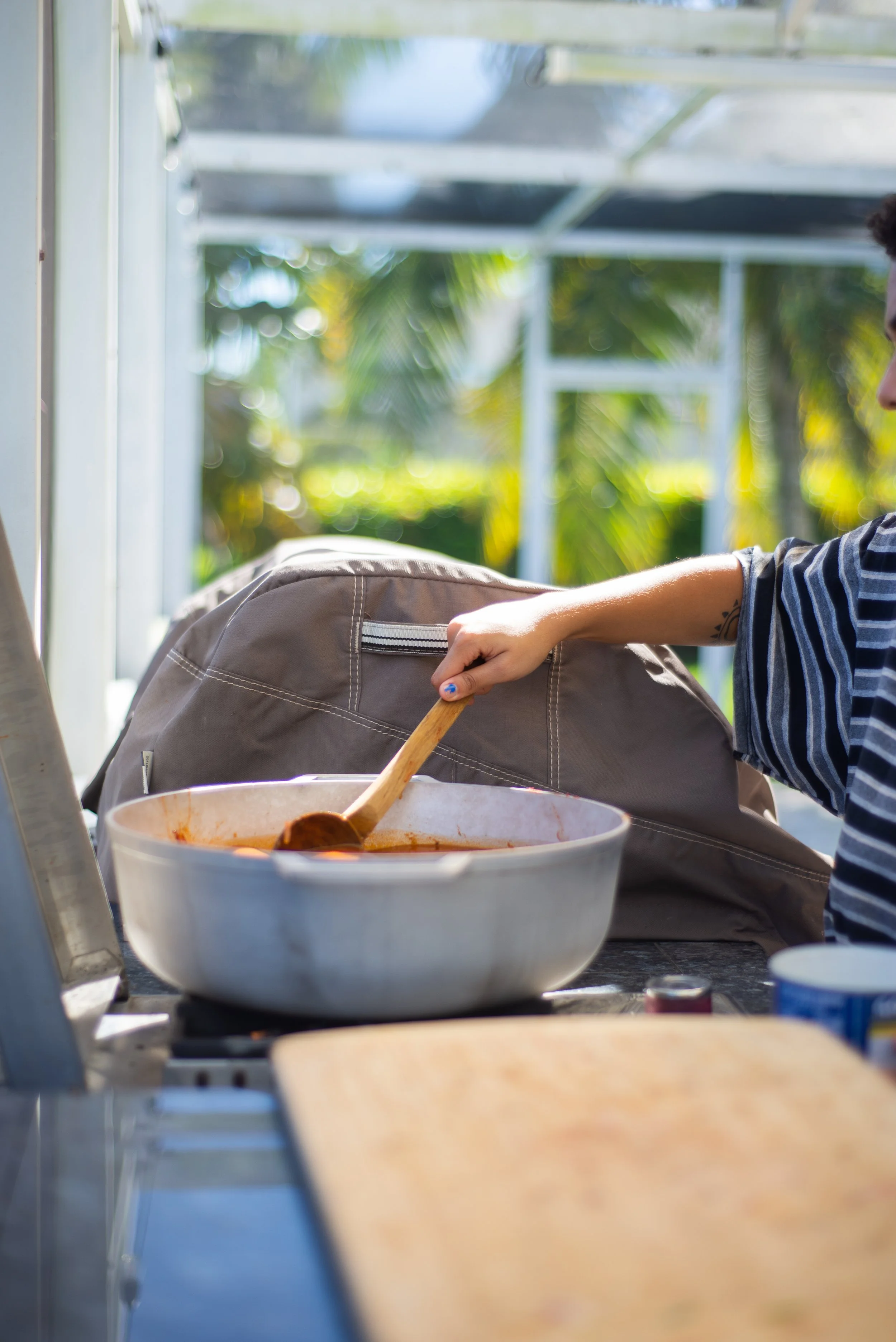
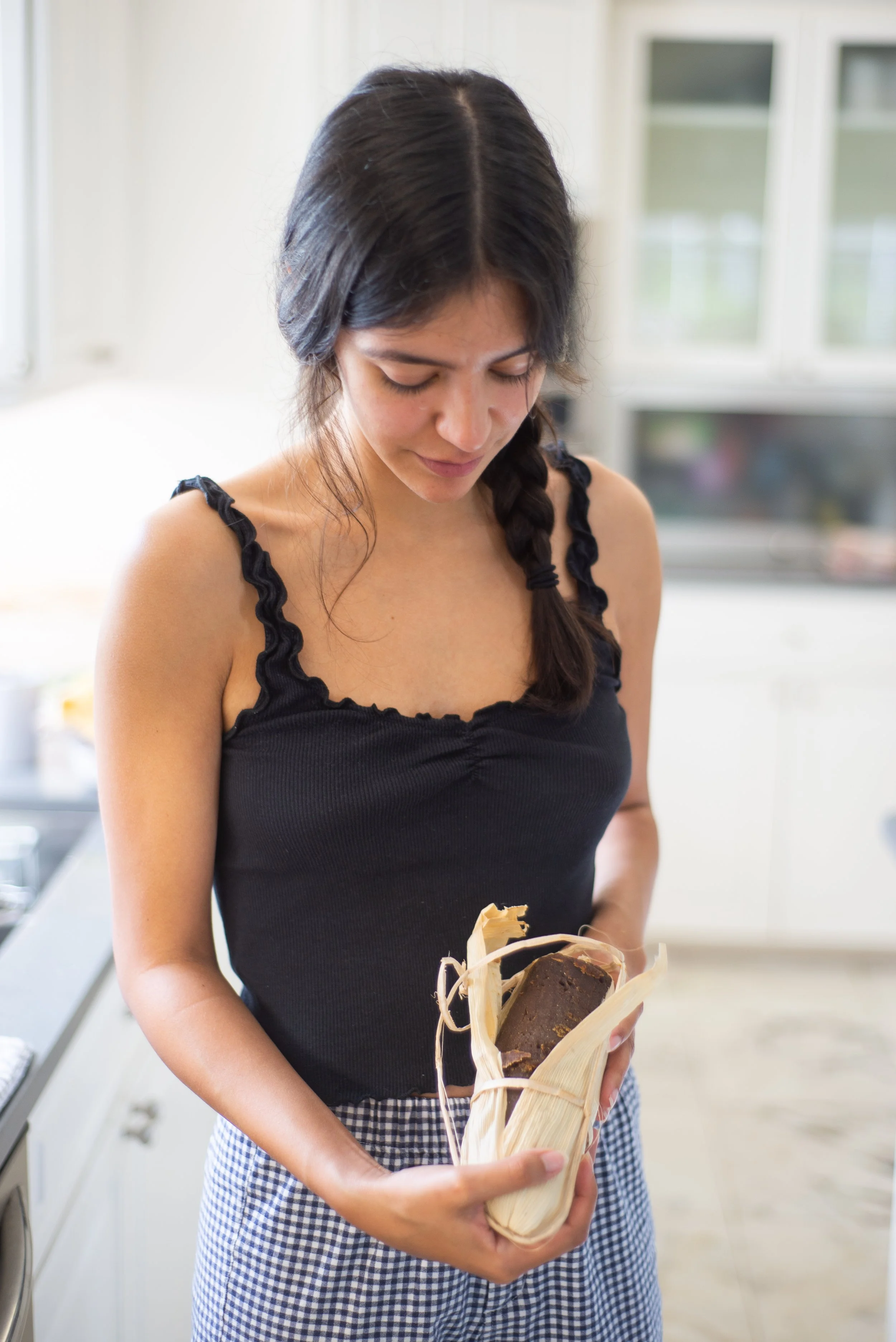
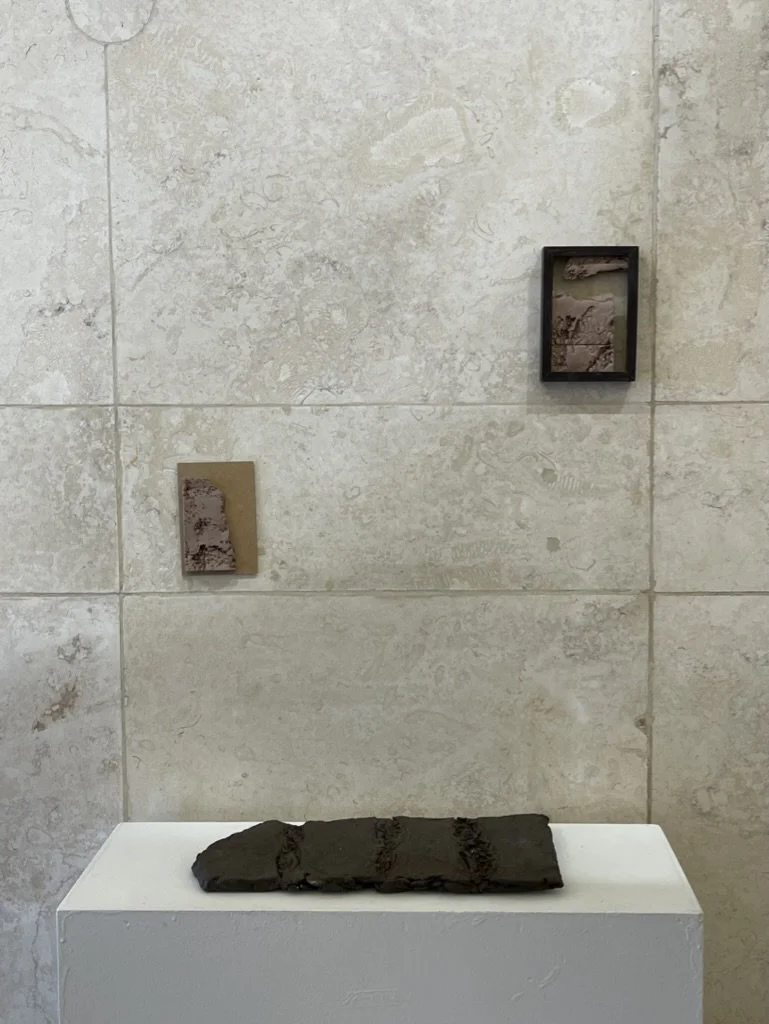
«Oí mucho, supuse un poco más e inventé el resto.» Miguel Ángel Asturias
Tan lejos y tan cerca envisions the dining table as an impetus for dialogue about history,tradition, and identity formations. This grouping of artists and works actively map out and definea geography from the Caribbean, Central America, South America, and –ultimately– Miami to Los Angeles. It interweaves a set of experiences linked to mestizo, Black, and Indigenous diasporic observation– experiences that blur the border between reality and dreams; porous and not concrete.
Tan lejos y tan cerca features the work of Comedor Azul, a group of three artists: Amaris Cruz-Guerrero, Leslie Gomez-Gonzalez, and Joaquín Stacey-Calle, who are based in Miami and Los Angeles. Their project consists of a blue table that travels to different communities in an effort to create opportunities for connection, listening, and gathering. Theirpractice is centered on reintroducing traditional foods through the decolonization of recipes and sharing the history of ingredients, stories, and language of these meals from their respective motherlands: República Dominicana, Puerto Rico, Nicaragua, and Ecuador.
This exhibition retools the intimate, the domestic, and the spatial aspects of eating– whether it is outdoors on a banana leaf or indoors at a dinner table. The importance of food within the scopes of pre- and post-colonial ideology allows us to understand its impact on the corporeality of the body. Food played a fundamental role in this colonial mission to categorize the “Spanish”, “Indian”, and “African” body, which has led to profound effects that have shaped the palate’s memory: the bond that unites ingredients and dishes that leave an impression on us. It is a medicinal metaphor that offers a new understanding of cultural experiences through this Latin American dialogue. The fantastical power of the blue dinner table maintains a connection to one’s homeland and with themselves.
Tan lejos y tan cerca is an exploration of works that are related to this project and an archive of these gatherings. More gatherings will happen in the future. This exhibition is living and breathing.
[ESP]
Tan lejos y tan cerca imagina la mesa del comedor como un ímpetu para el diálogo sobre la historia, tradiciones y formaciones identitarias. Esta agrupación de artistas y obras traza y define una geografía desde el Caribe, América Central, América del Sur y, en últimamente, Miami hasta Los Ángeles. Entrelaza un conjunto de experiencias vinculadas a la observación diaspórica mestiza, negra e indígena, experiencias que desdibujan la frontera entre la realidad y los sueños; poroso y no concreto.
Tan lejos y tan cerca presenta el trabajo de Comedor Azul, un grupo de tres artistas:Amaris Cruz-Guerrero, Leslie Gomez-Gonzalez y Joaquín Stacey-Calle, que residen en Miami y Los Ángeles. Su proyecto consiste en una mesa azul que viaja a diferentes comunidades en un esfuerzo por crear oportunidades para conectarse, escuchar y reunirse. Su práctica se centra en reintroducir los alimentos tradicionales a través de la descolonización de recetas al compartir el trayecto de los ingredientes, las historias y el lenguaje de estas comidas desde sus respectivas patrias: República Dominicana, Puerto Rico, Nicaragua y Ecuador.
Esta exposición renueva los aspectos íntimos, domésticos y espaciales de la comida, ya sea al aire libre en una hoja de plátano o en el interior de una mesa. La importancia de la alimentación en los ámbitos de la ideología pre y poscolonial permite comprender su impacto en la corporeidad del cuerpo. La comida jugó un papel fundamental en esta misión colonial de categorizar el cuerpo “español”, “indio” y “africano”, lo que ha provocado profundos efectos que han moldeado la memoria del paladar: el vínculo que une ingredientes y platos que dejan huella sobre nosotros. Es una metáfora medicinal que ofrece una nueva comprensión de las experiencias culturales a través de este diálogo latinoamericano. El poder fantástico de la mesa azul mantiene una conexión entre sus países y ellos.
Tan lejos y tan cerca es una exploración de obras relacionadas con este proyecto y un archivo de estos encuentros. Habrá más reuniones en el futuro. Esta exposición está viva y respira.
[Miami Beach Urban Studios]
The FIU School of Architecture Miami Beach Urban Studios (SOA MBUS) is a unique 7,500sf facility in the 420 Lincoln Road Building that hosts an interdisciplinary array of innovative exhibitions, classes, research laboratories, and events for the following FIU School of Architecture departments: Architecture, Landscape Architecture, Interior Architecture. MBUS houses the 3,500sf Knight-sponsored SOA Innovation Lab, which, with over 62 3D printers, is one of the largest 3D printing laboratories of its kind in the United States. The lab is proud to have been selected to be a participant in the HP/EDUCAUSE Building the Campus of the Future Project (carta.fiu.edu/mbus)
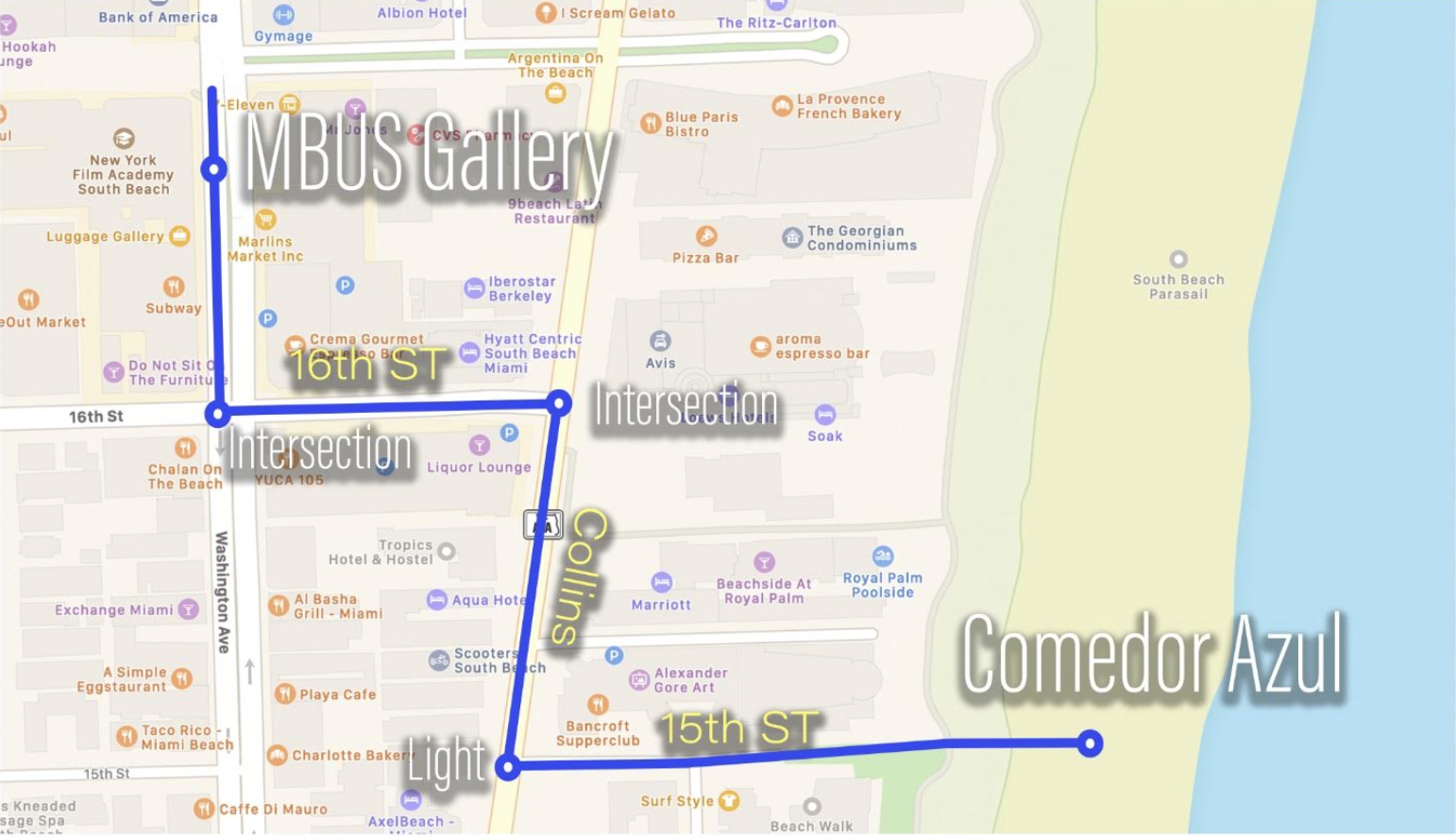
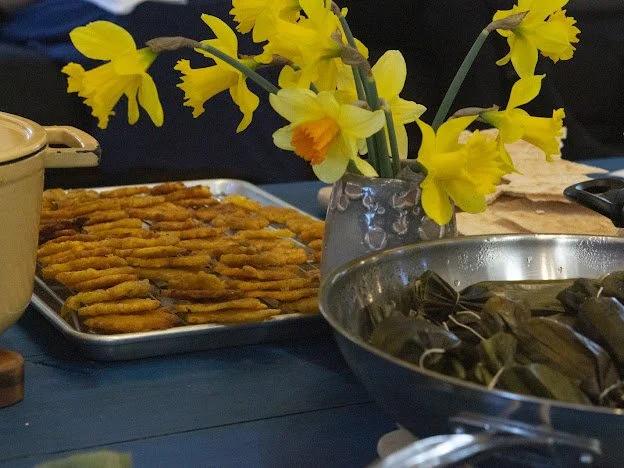
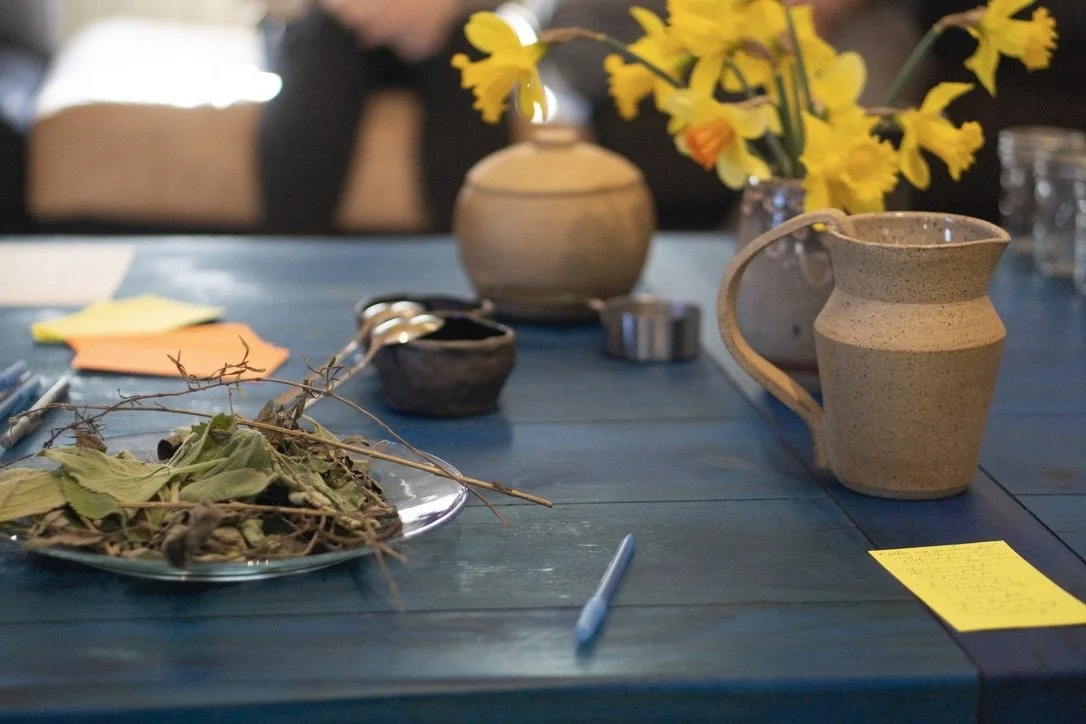
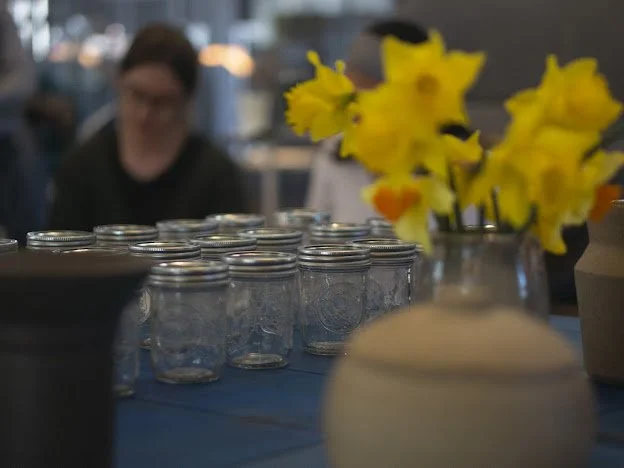
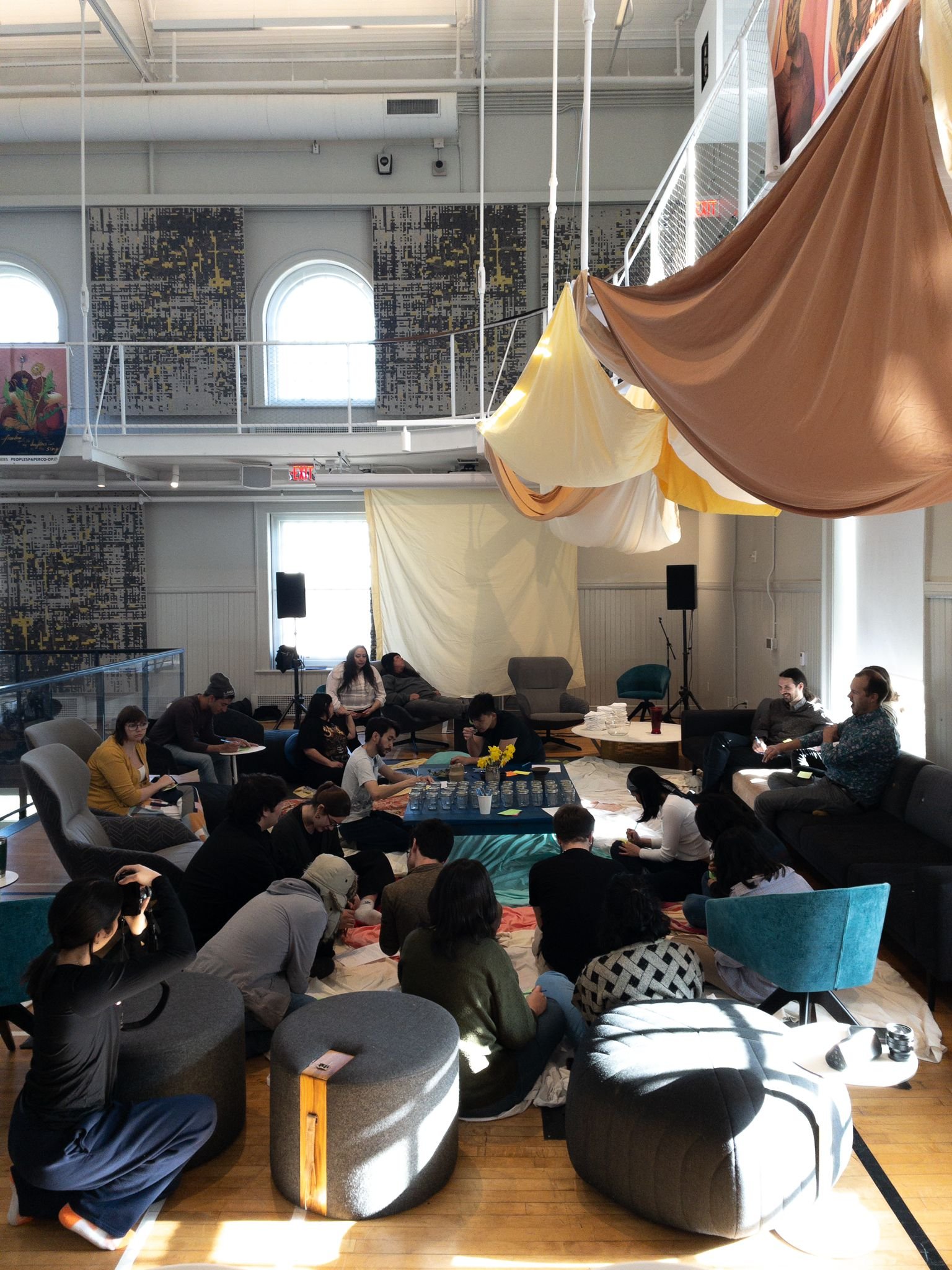
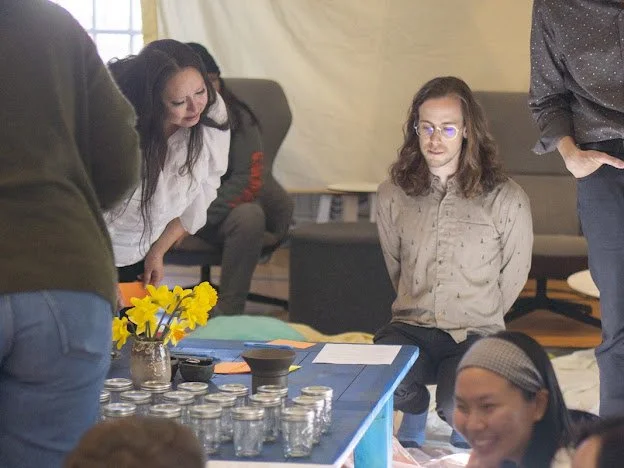
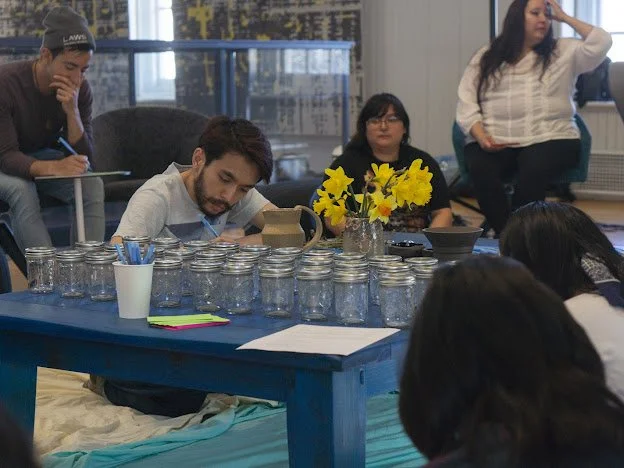
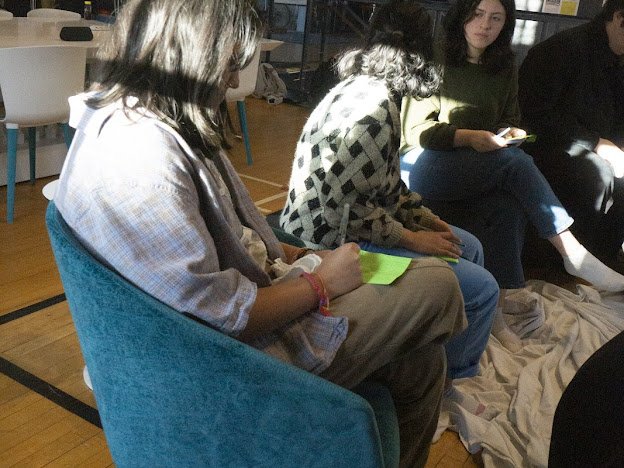
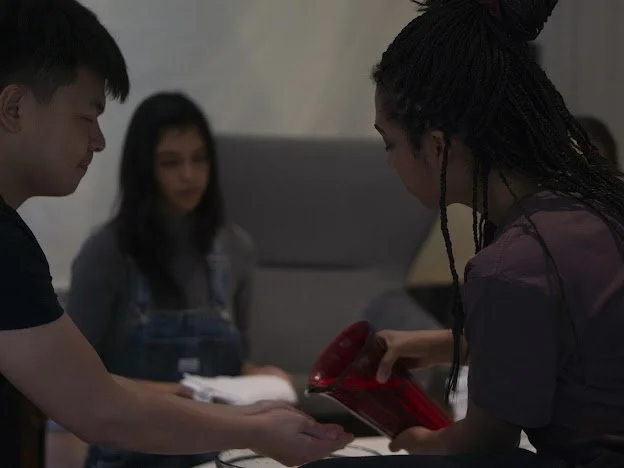
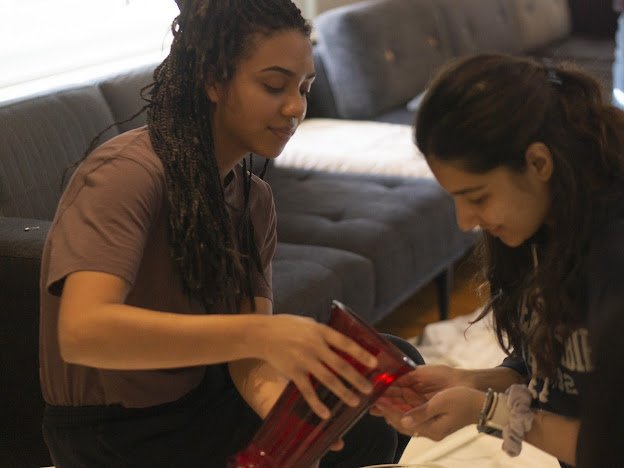
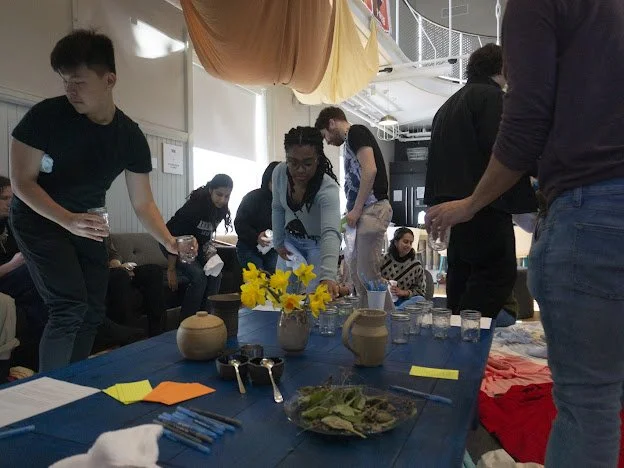
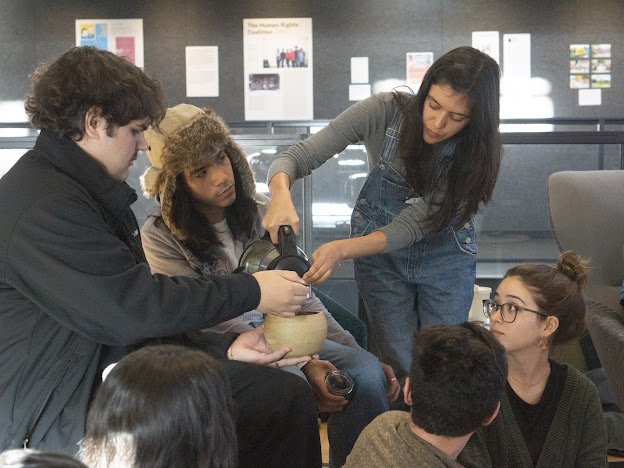
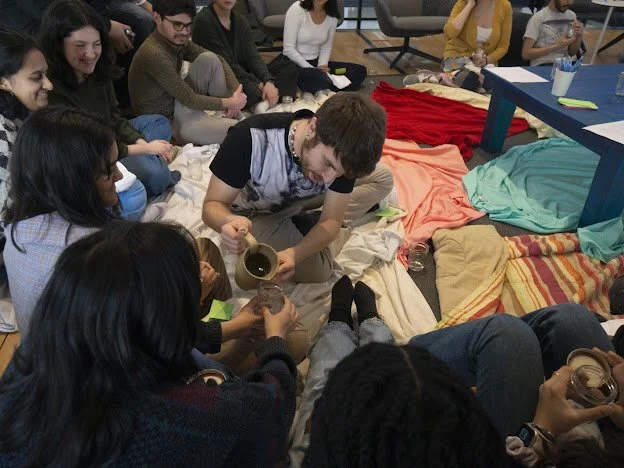
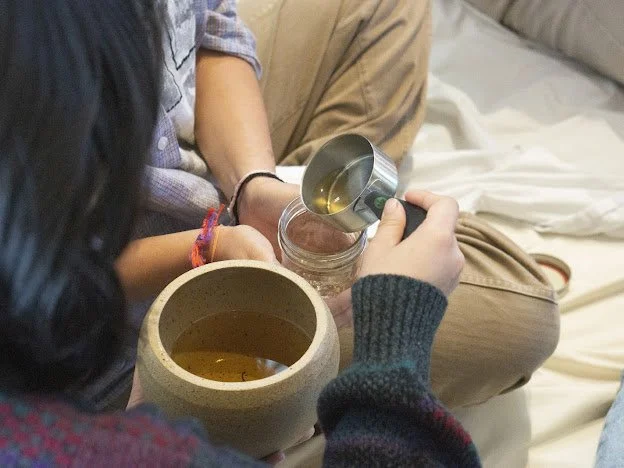
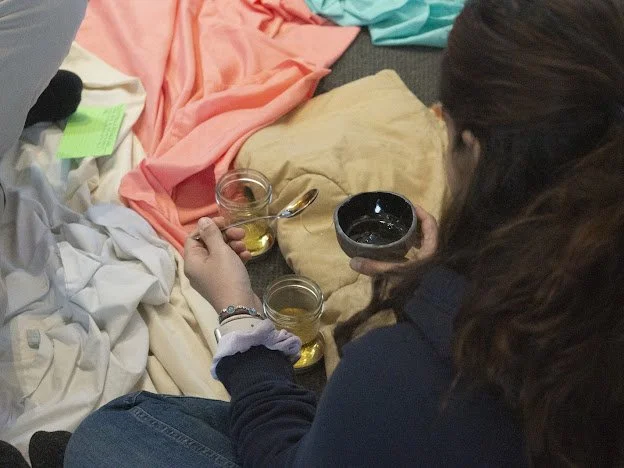
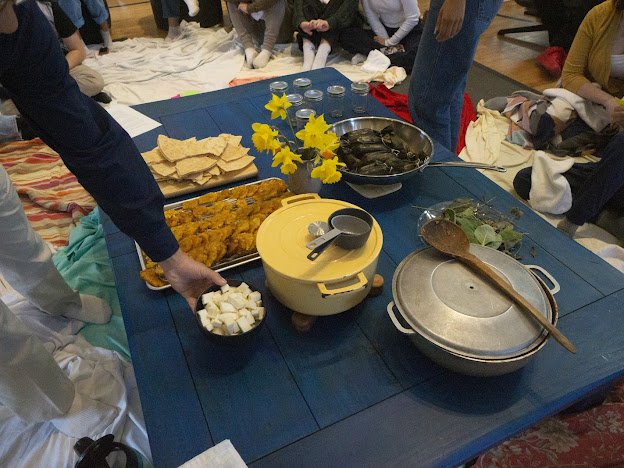
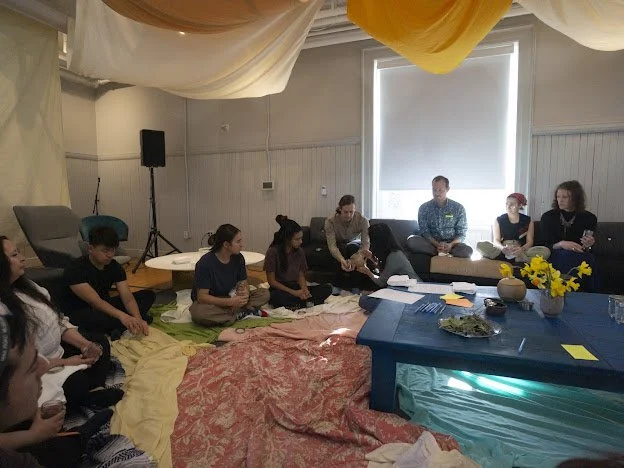
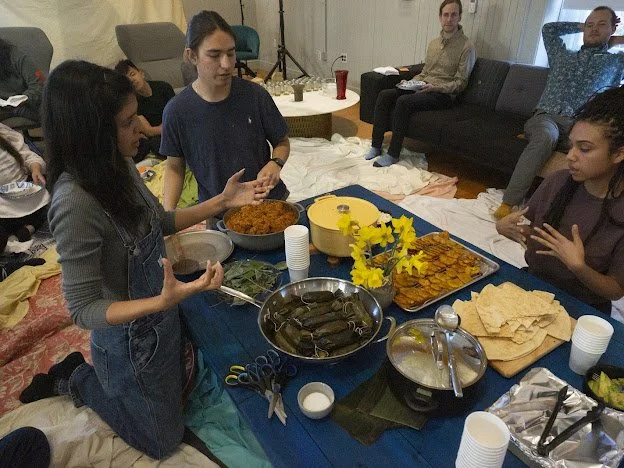
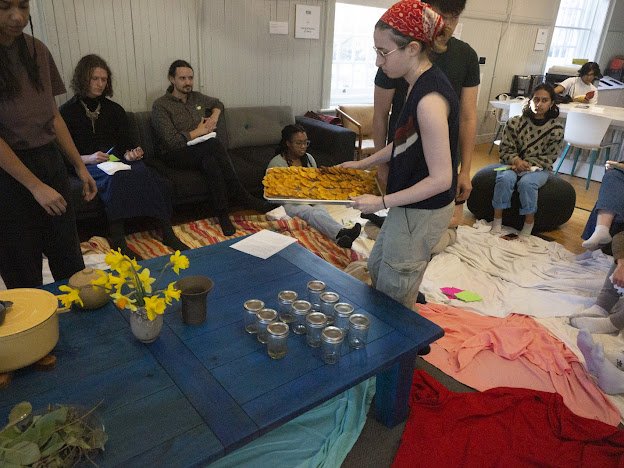
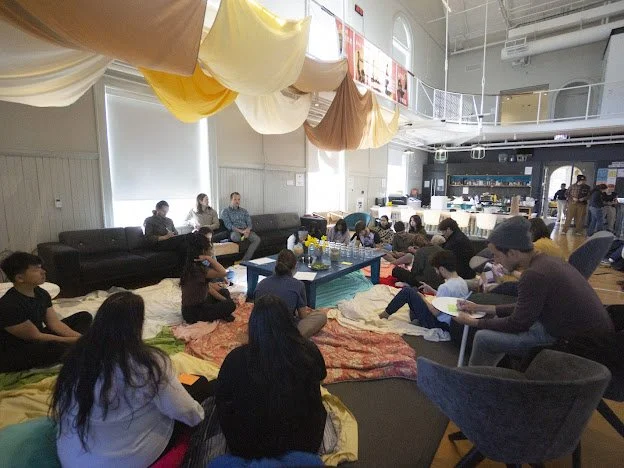
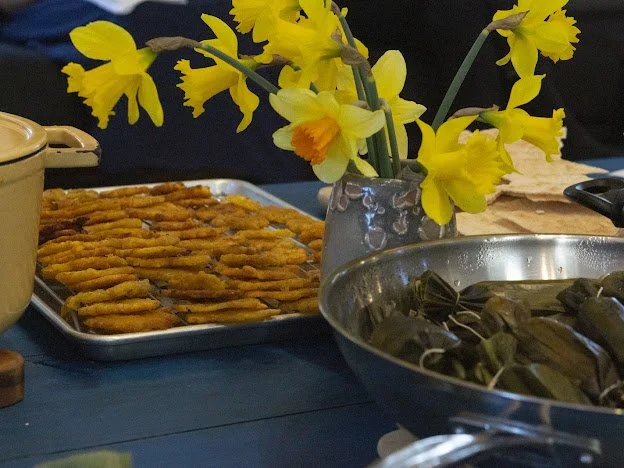
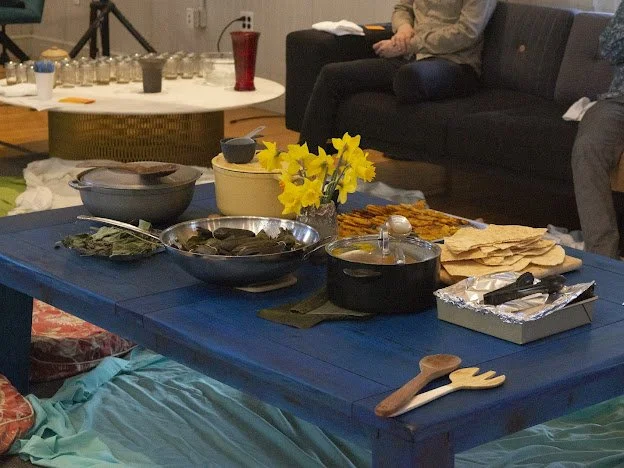
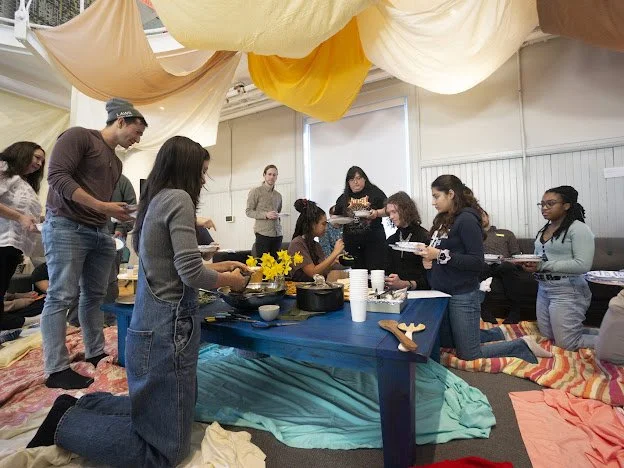
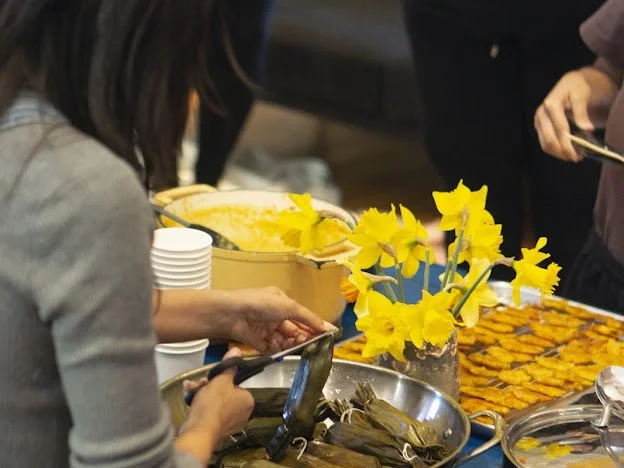
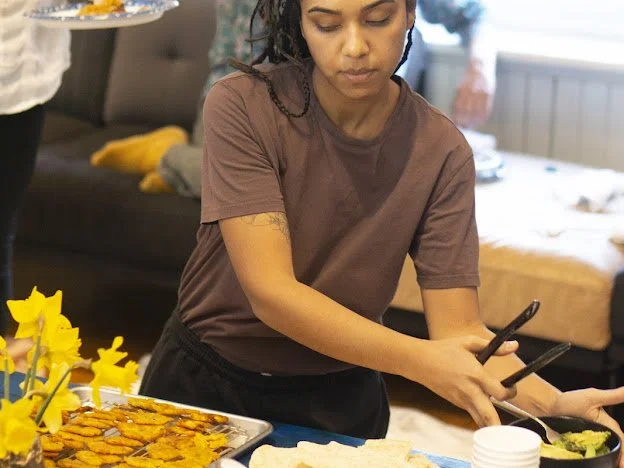
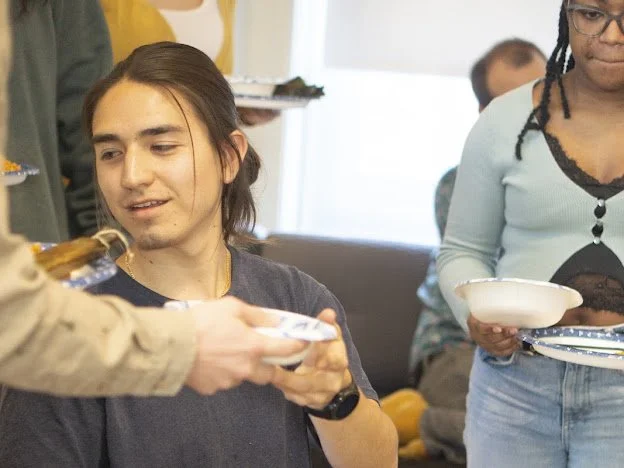
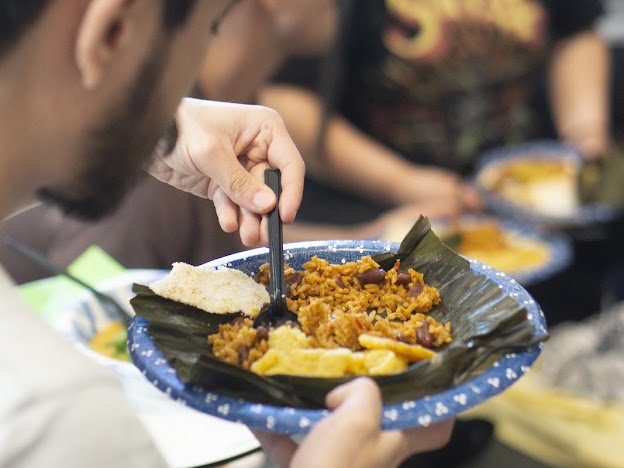
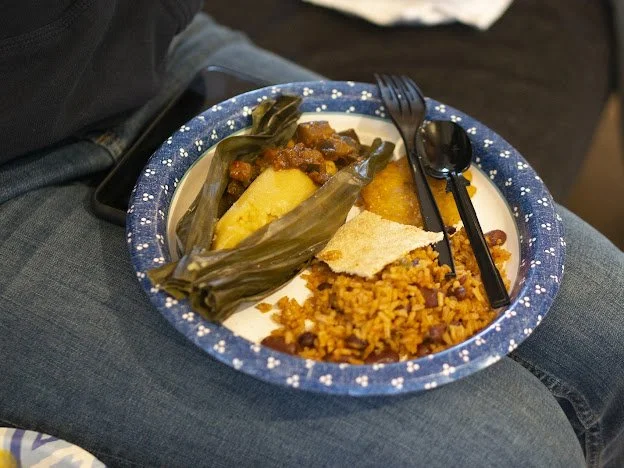
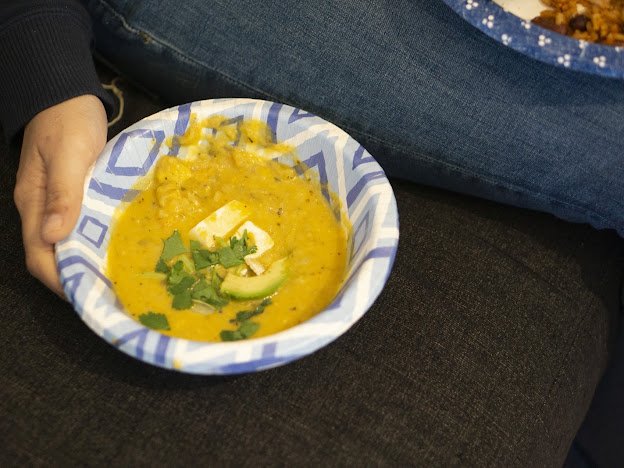
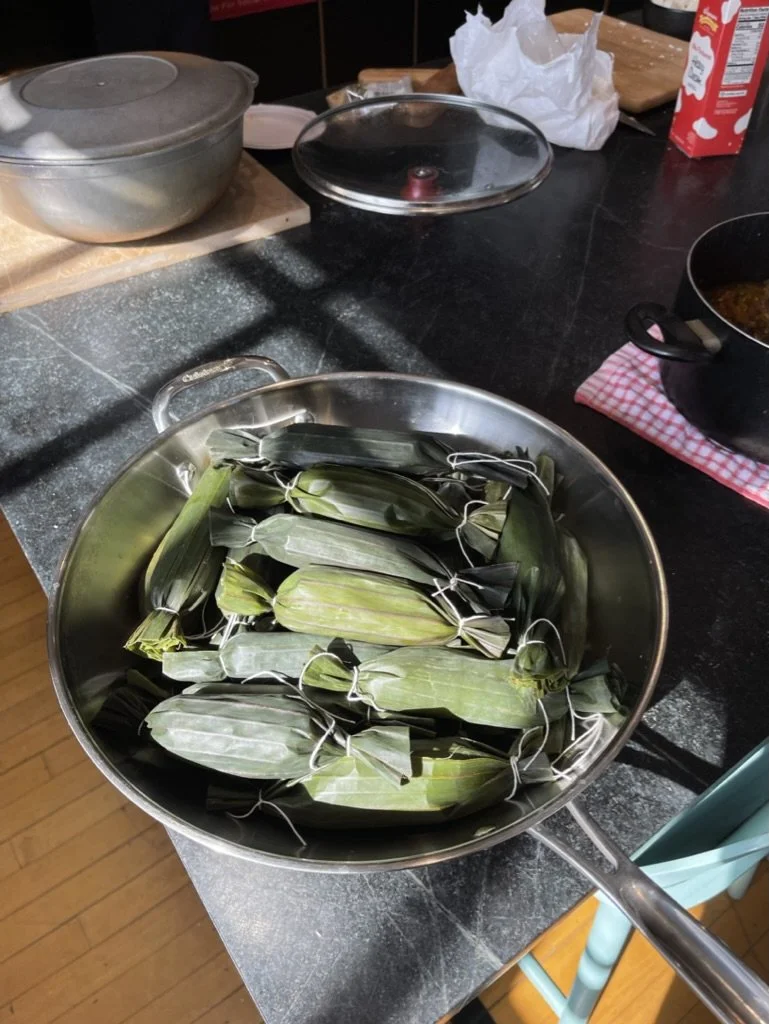
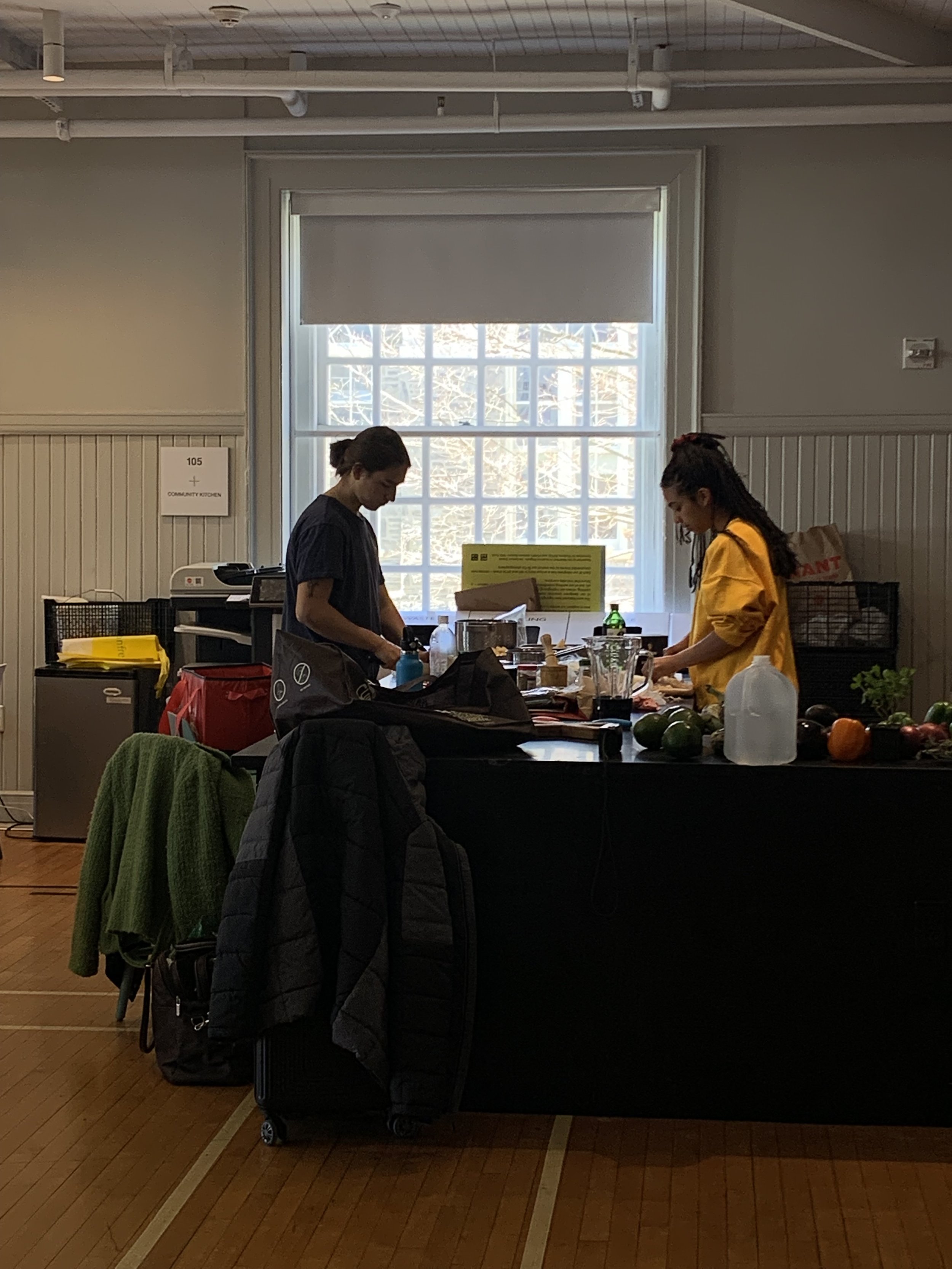
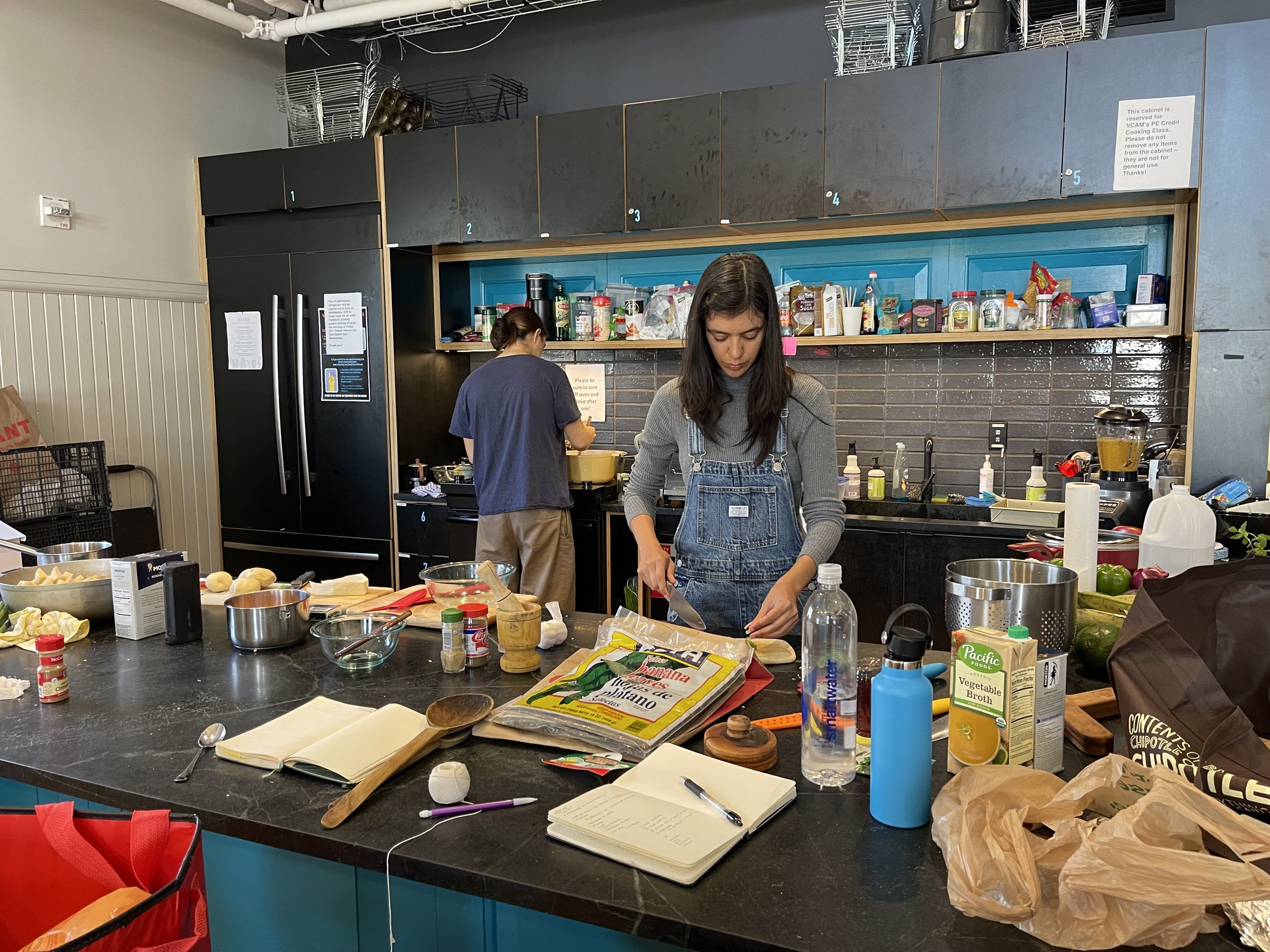
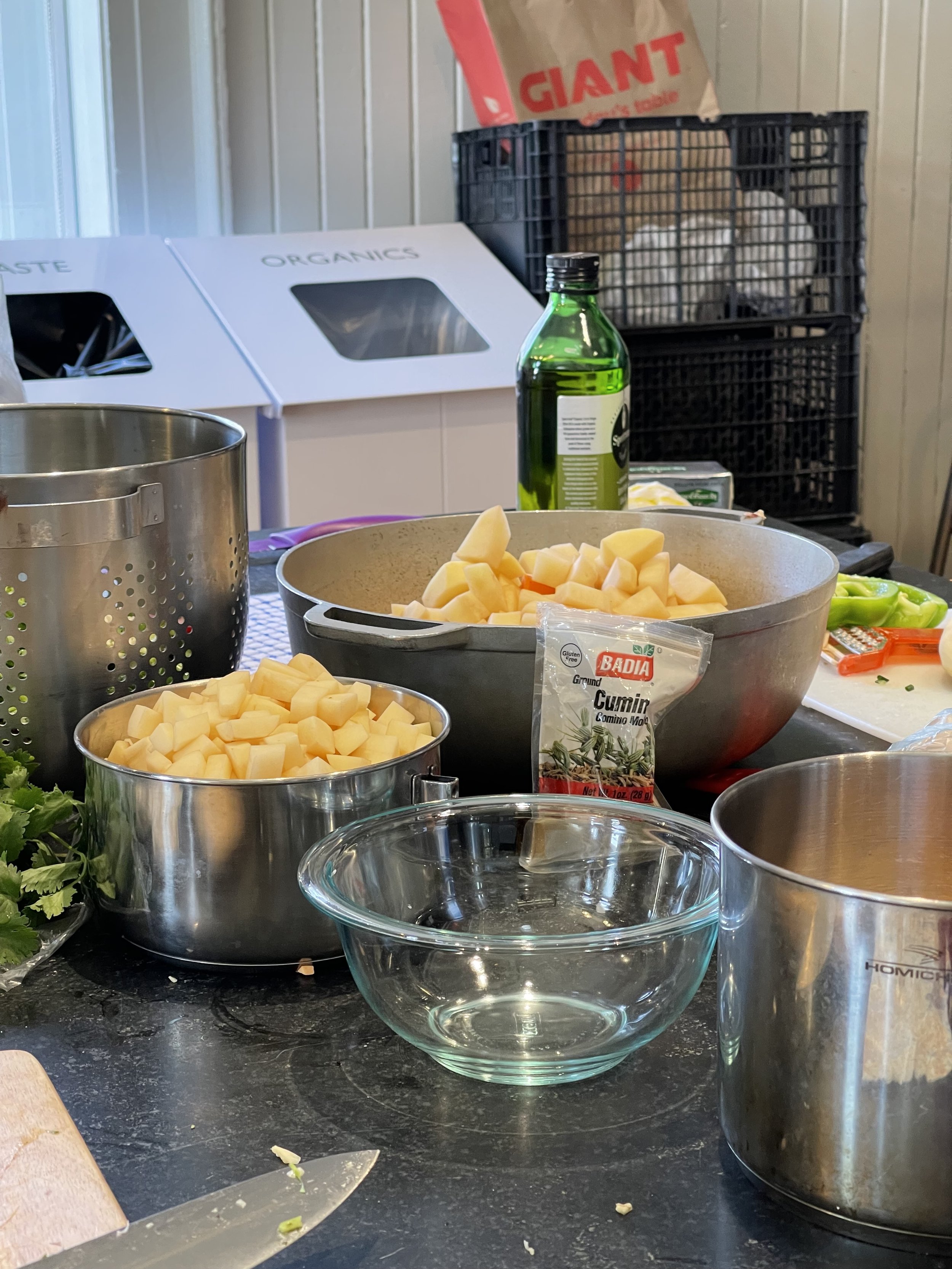
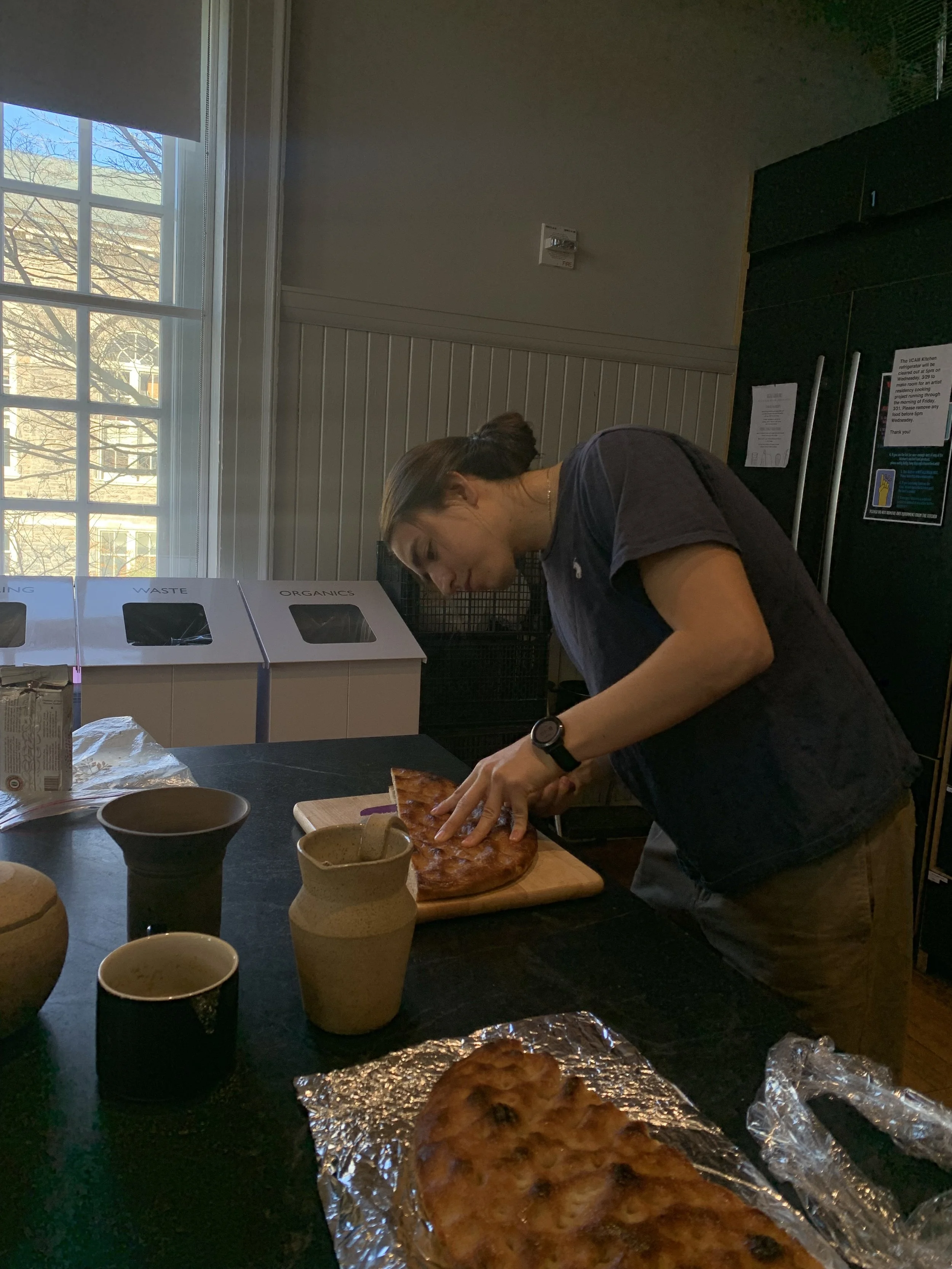
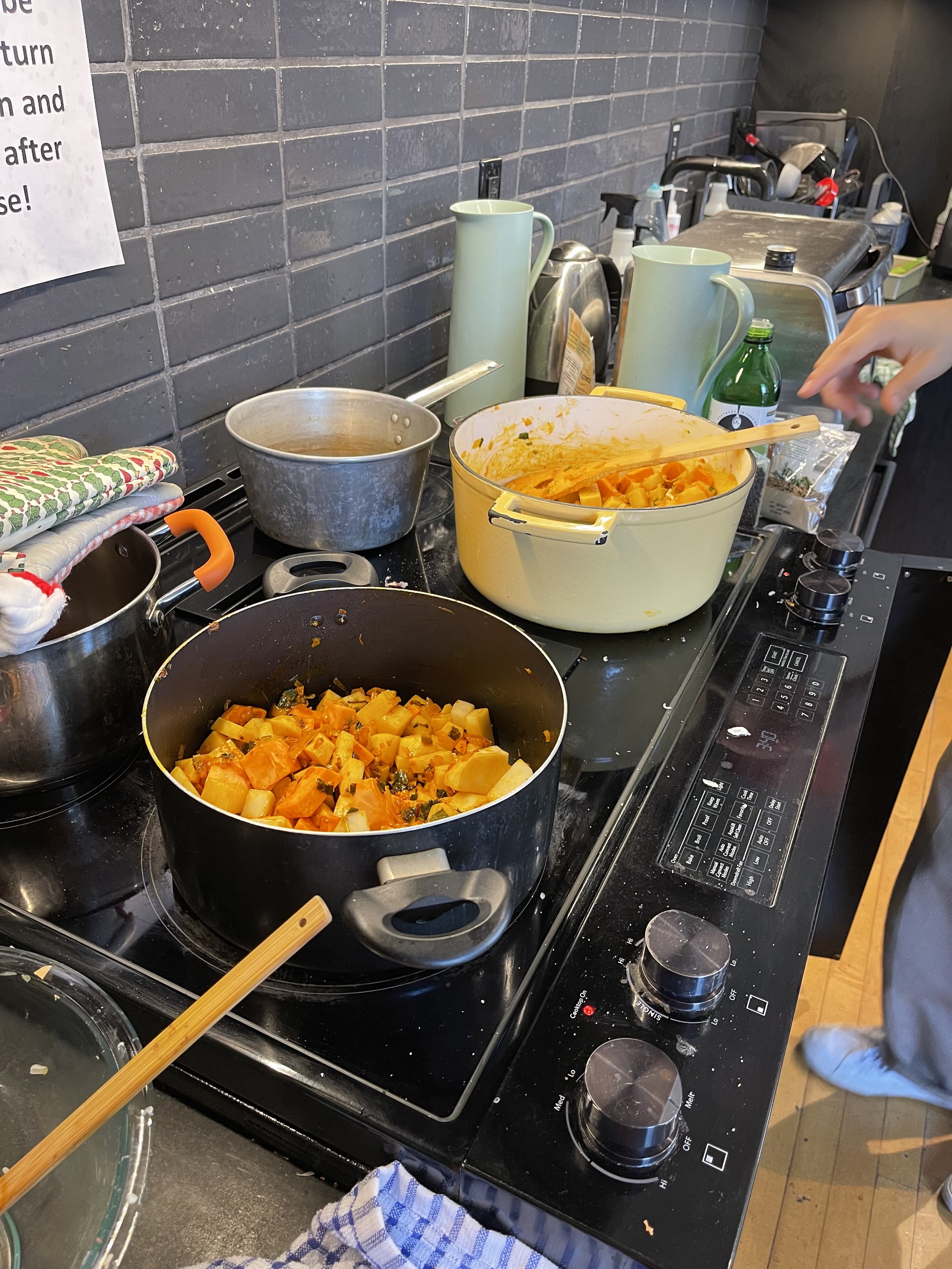
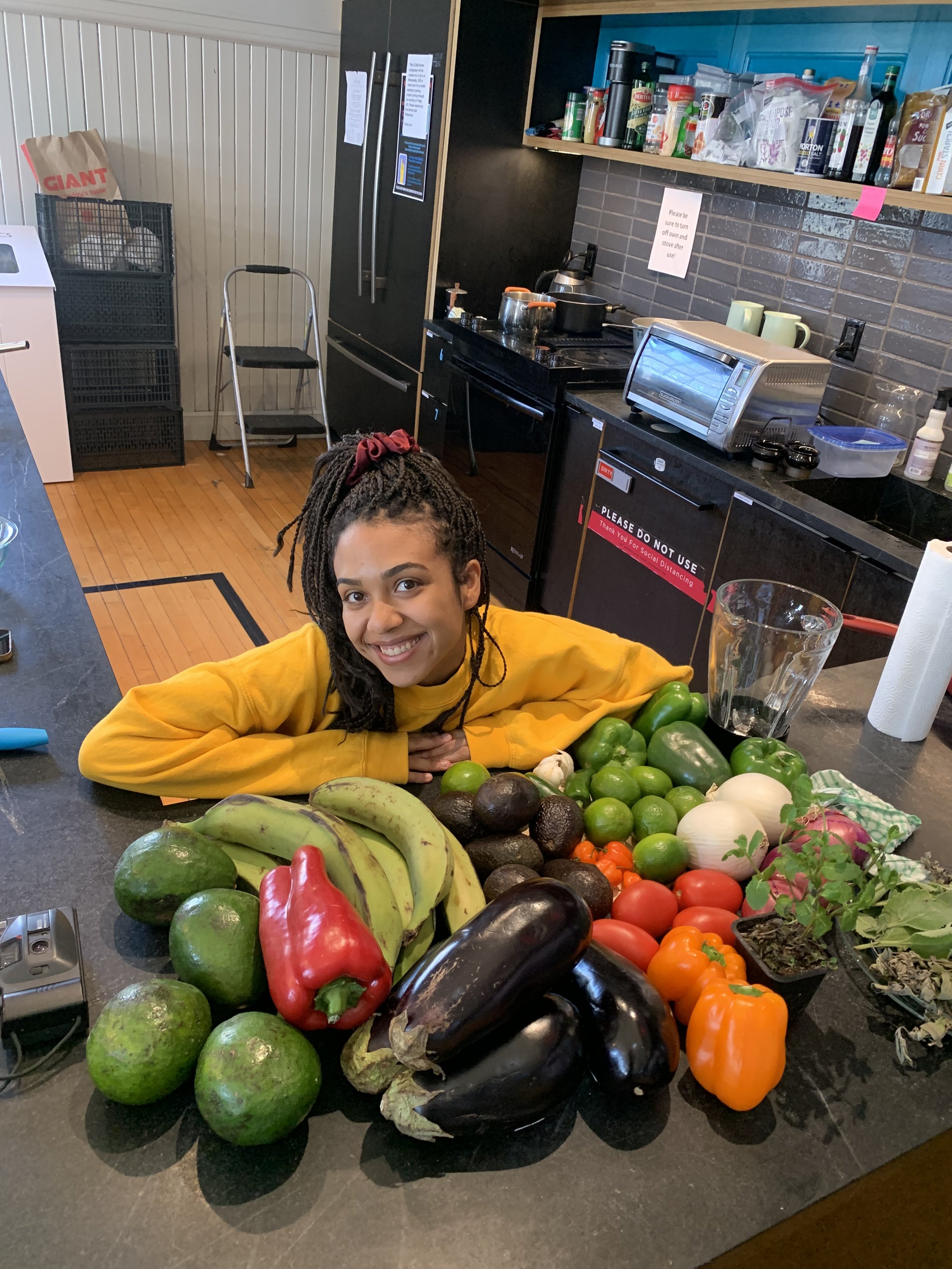
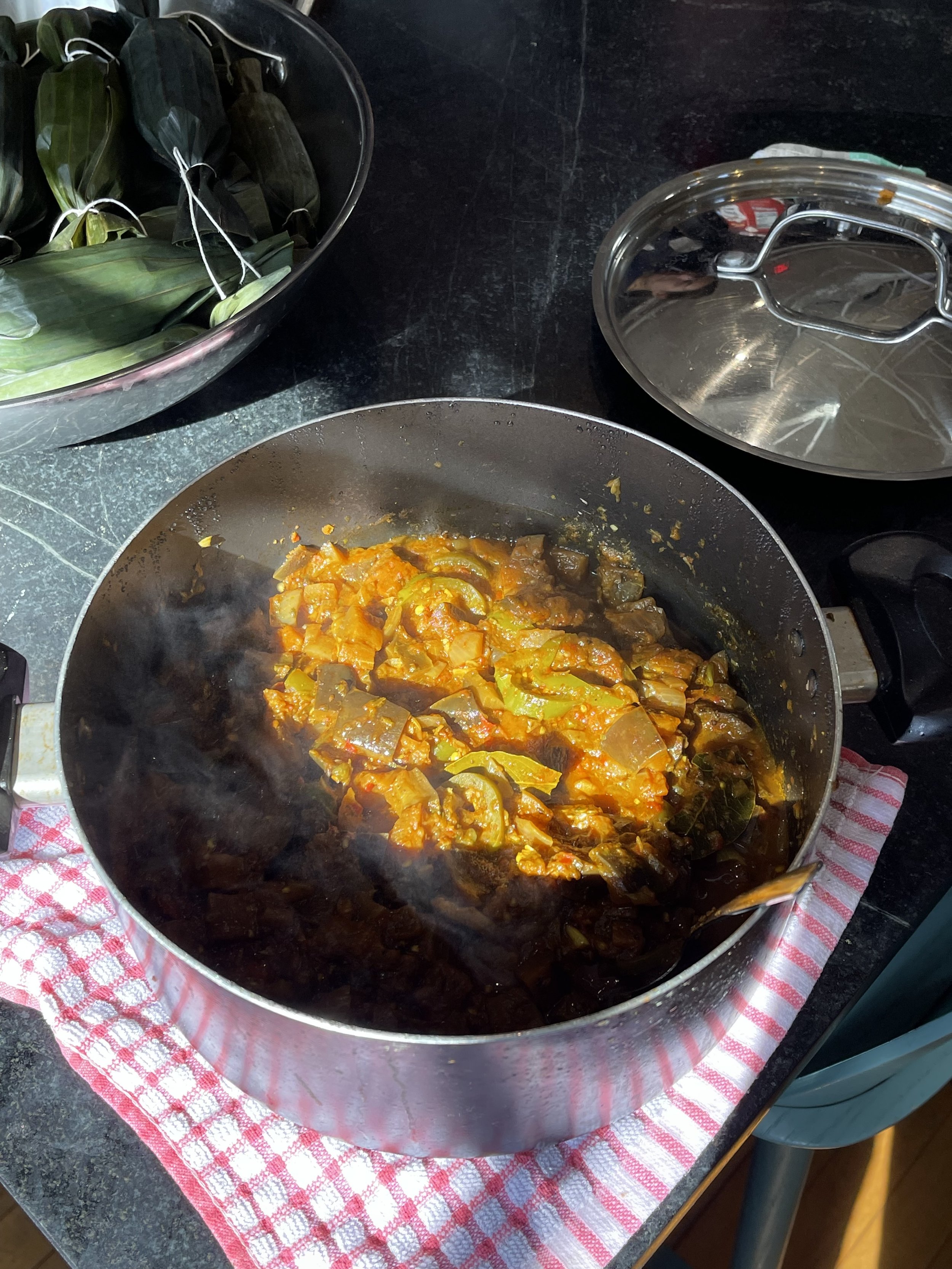
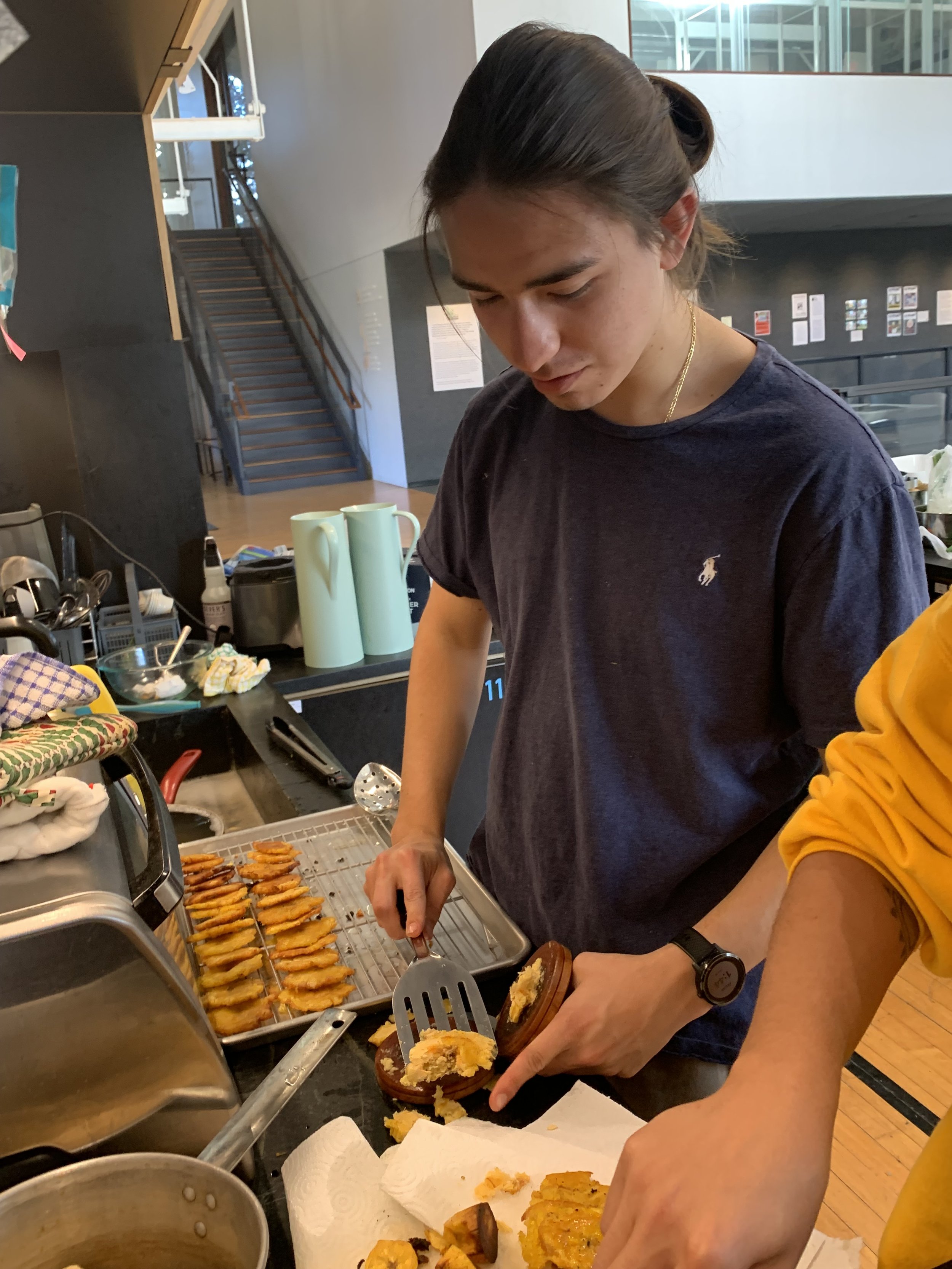
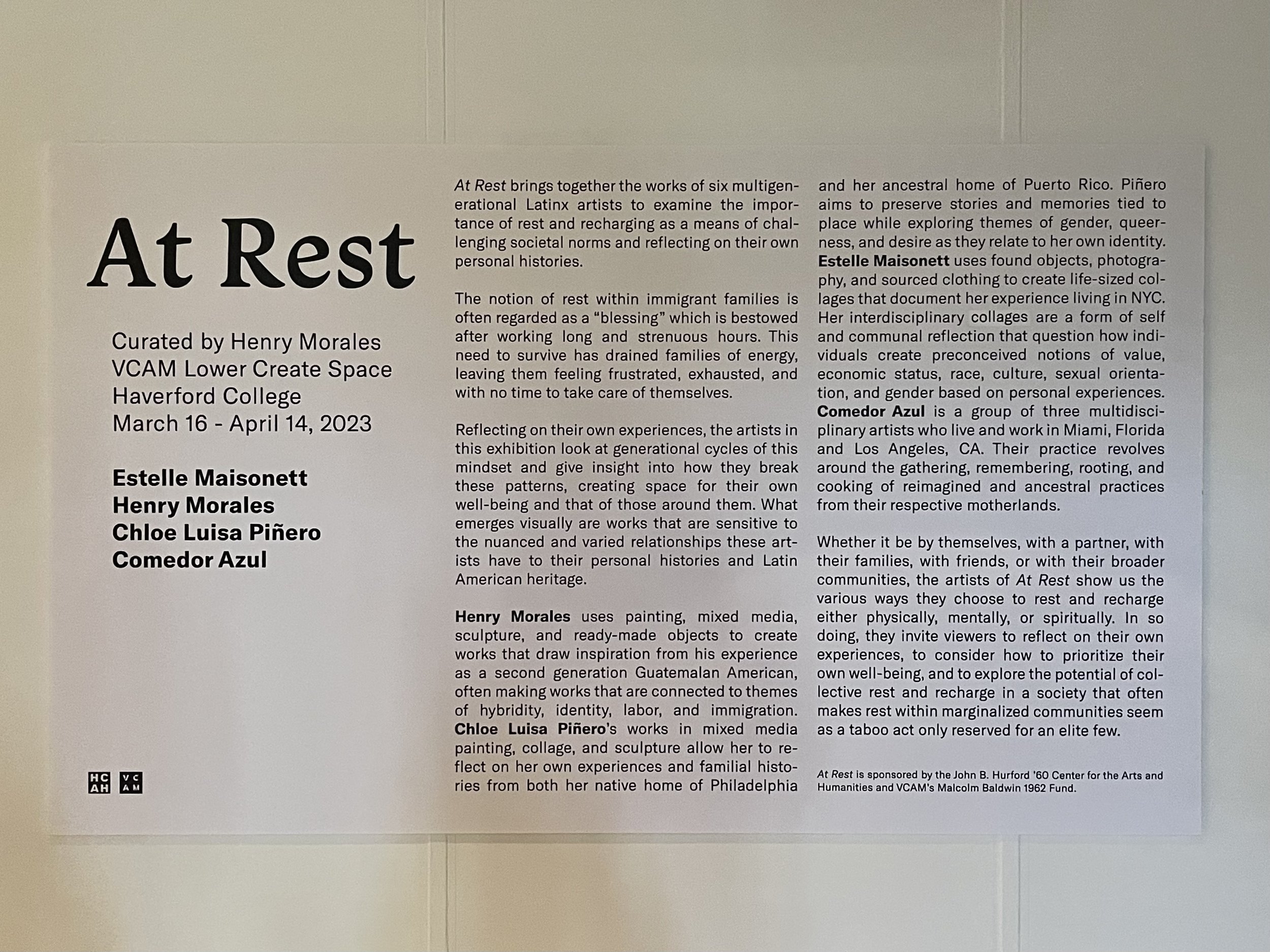
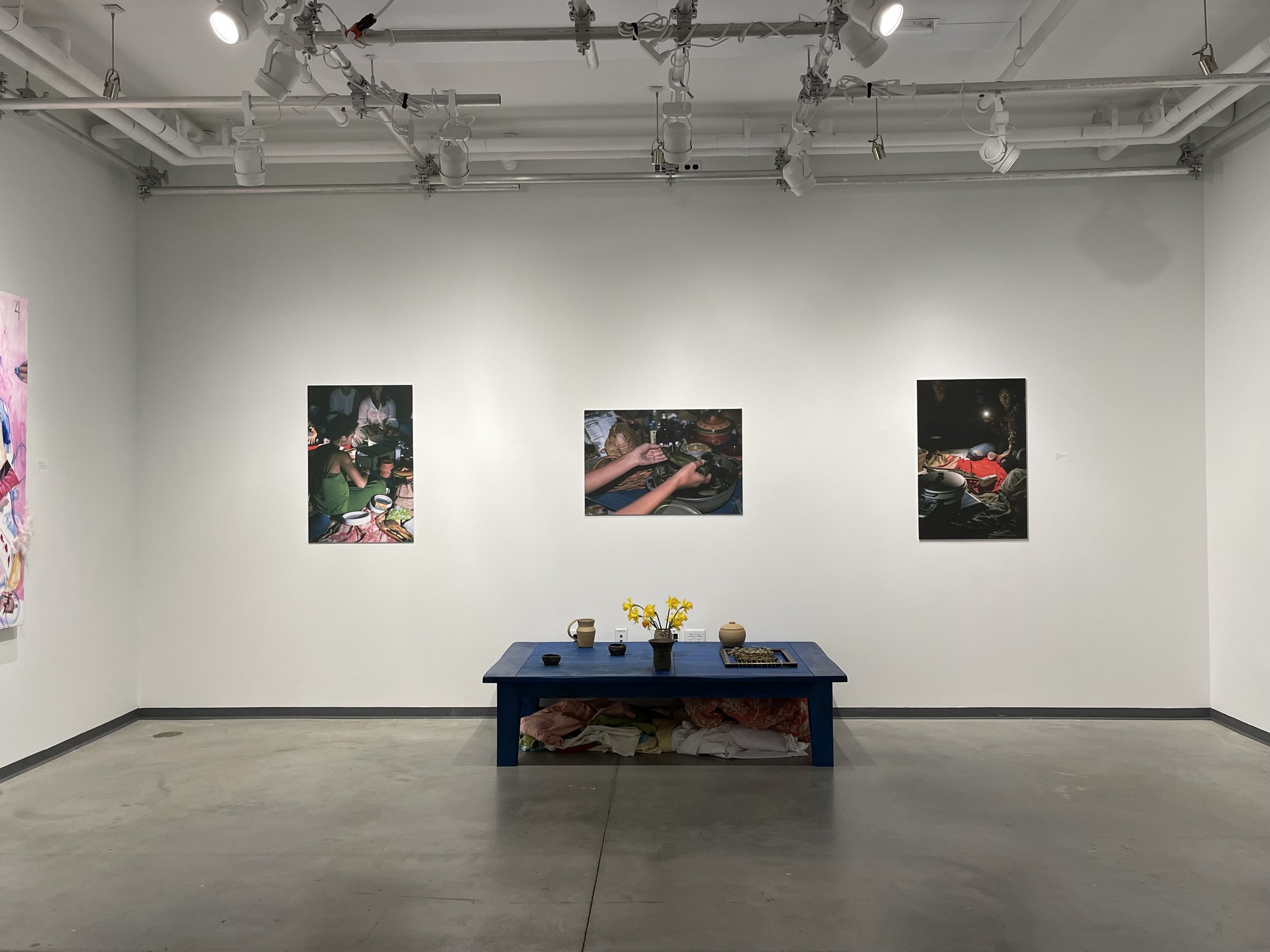
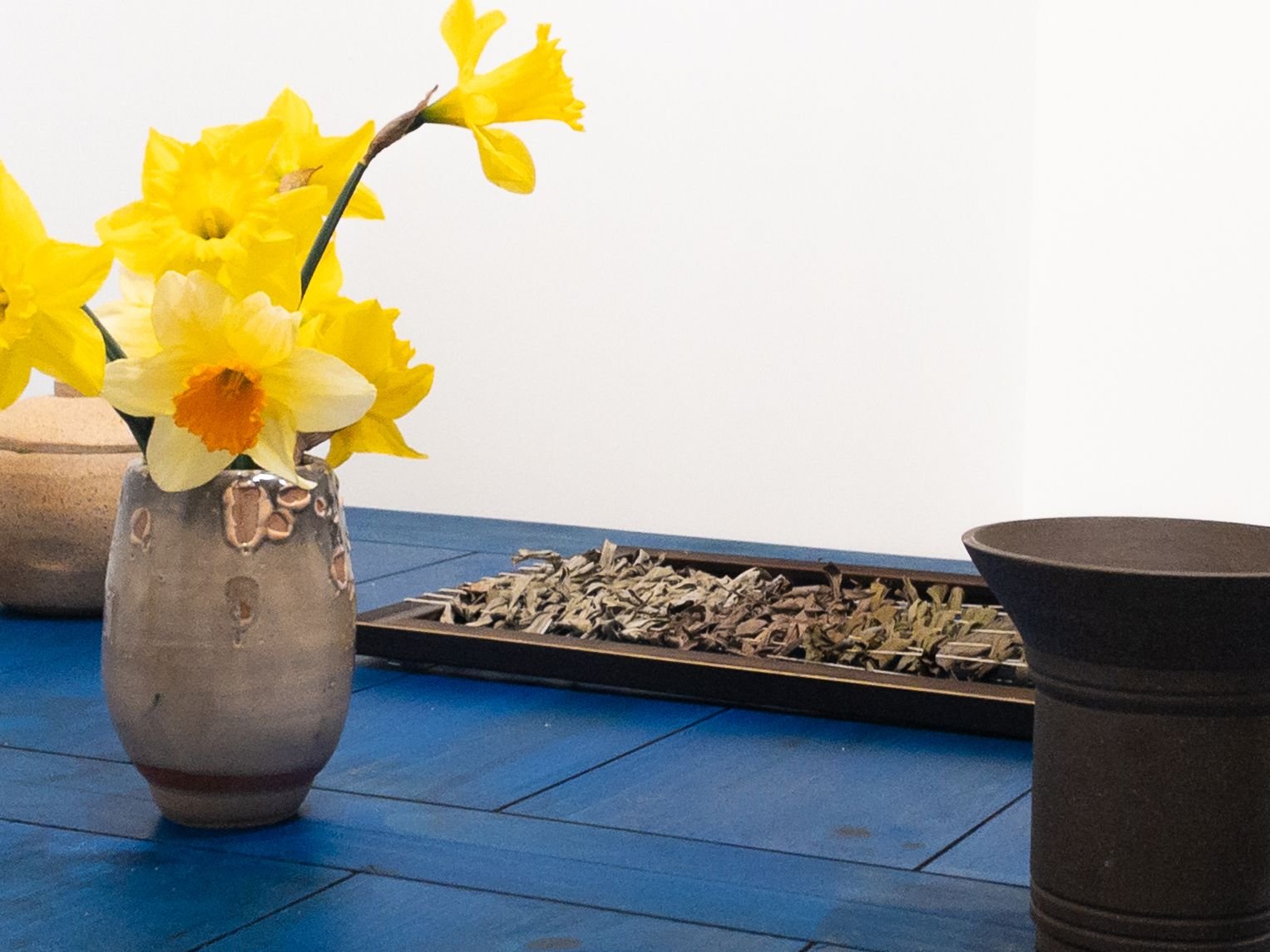
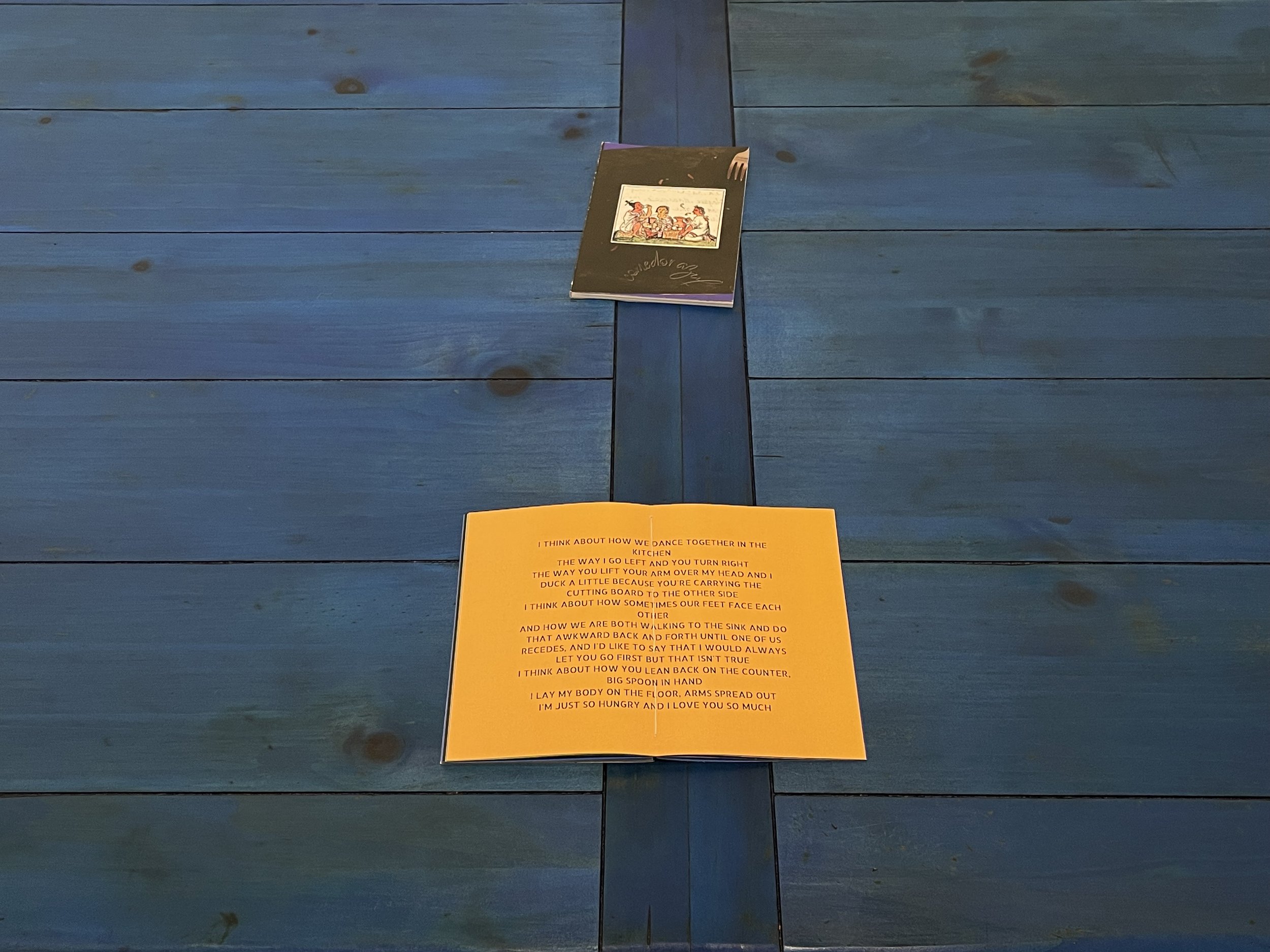
“At Rest brings together the works of six multigenerational Lainx artists to examine the importance of rest and recharging as a means of challenging societal norms and reflect on their own personal histories. Whether it be by themselves, with a partner, with their families, with friends, or with their broader communities, artists Estelle Maisonett, Henry Morales, Chloe Luisa Piñero, and the collective Comedor Azul shows us the various ways in which they choose to rest and recharge either physically, mentally, or spiritually. By inviting viewers to reflect on their experiences and prioritize their well-being, this exhibition encourages exploring collective rest and recharge as a way to challenge societal norms that stigmatize rest within marginalized communities.”
Curated by Henry Morales
IG @hmoreales123
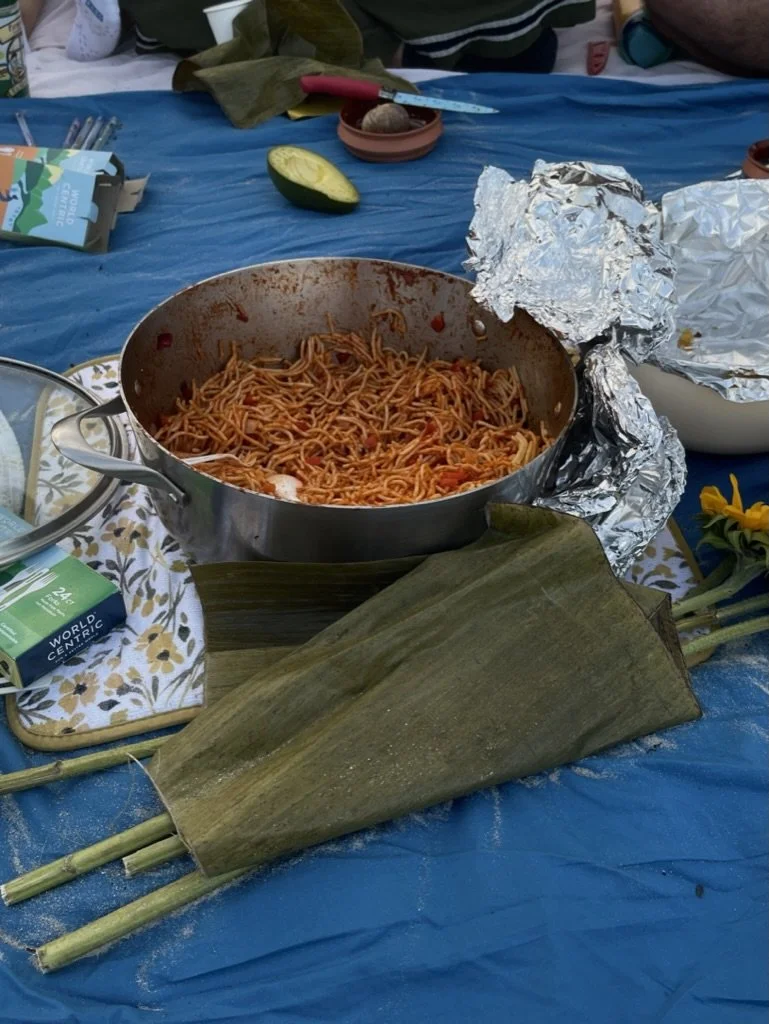
EMPAGUETADA | CRANDEN PARK | KEY BISCAYNE, FL | MAY 2023
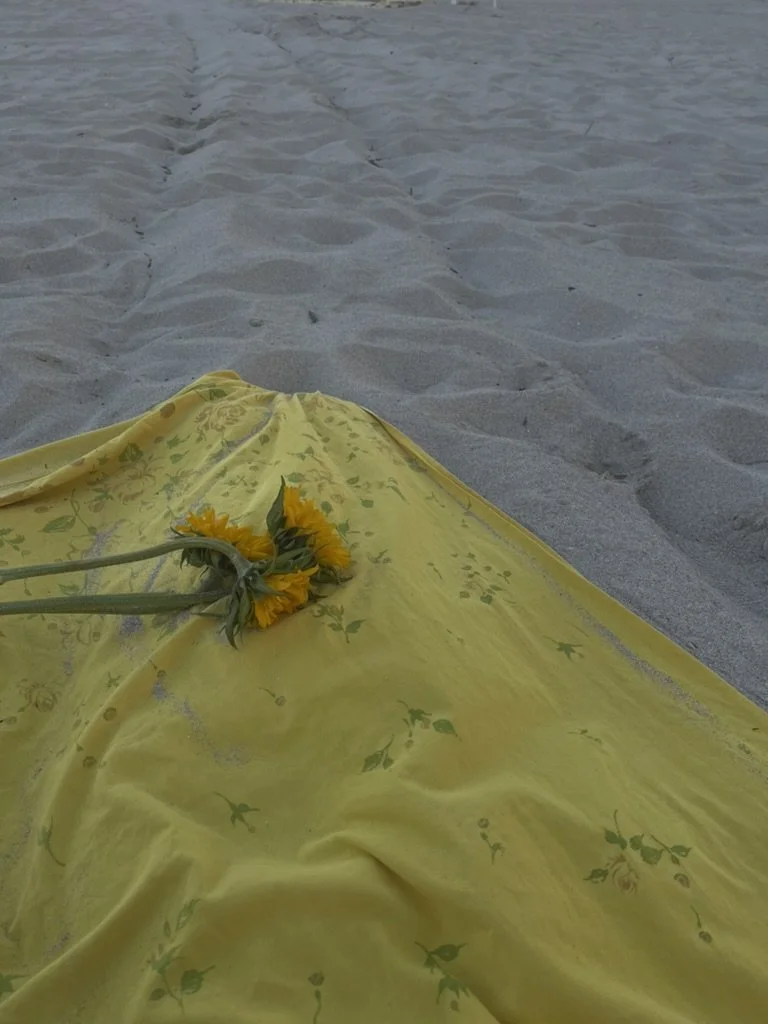
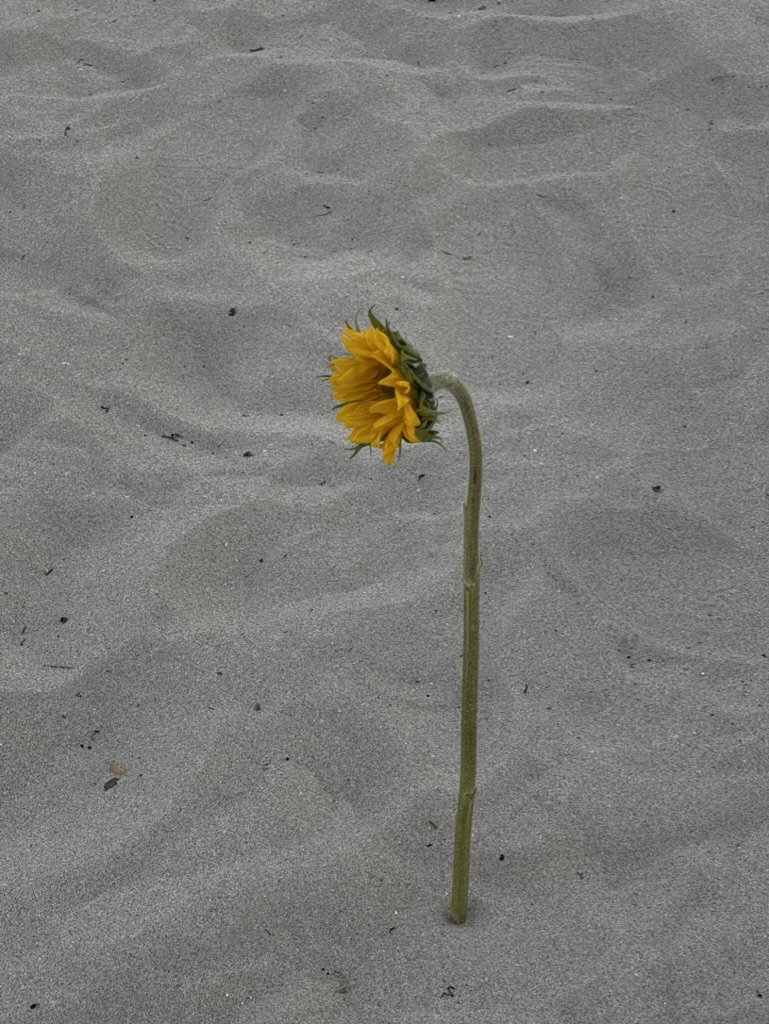
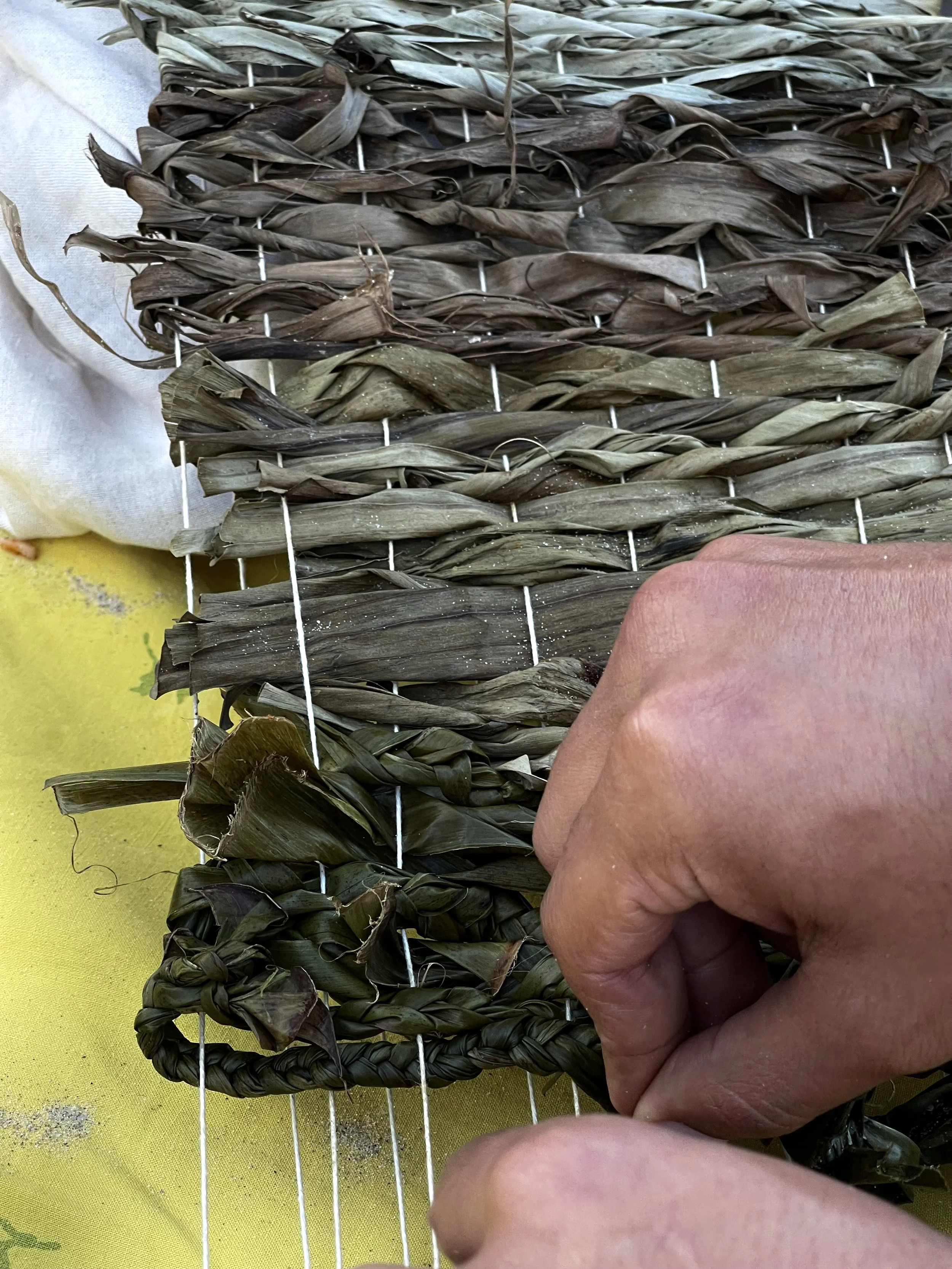
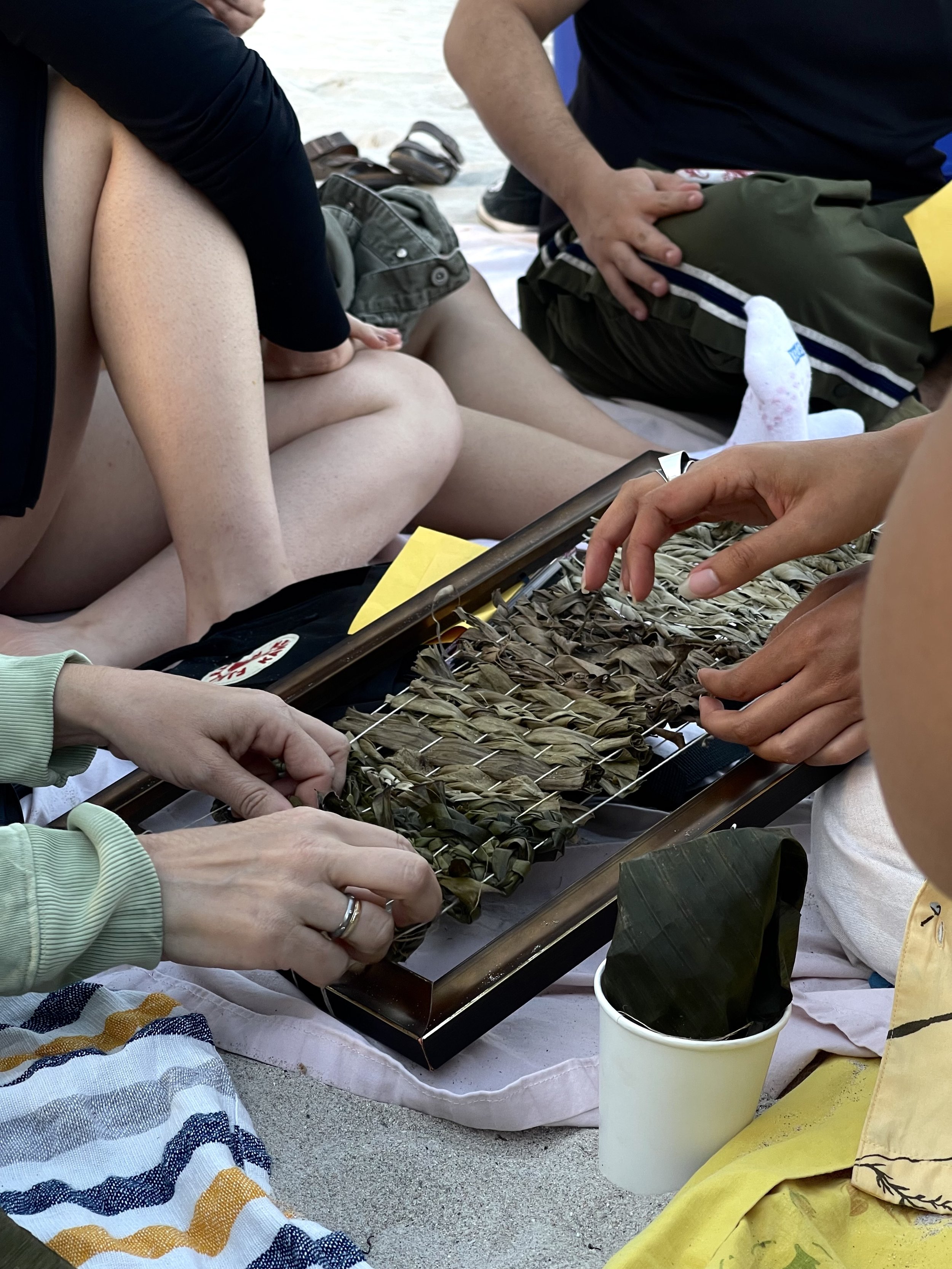
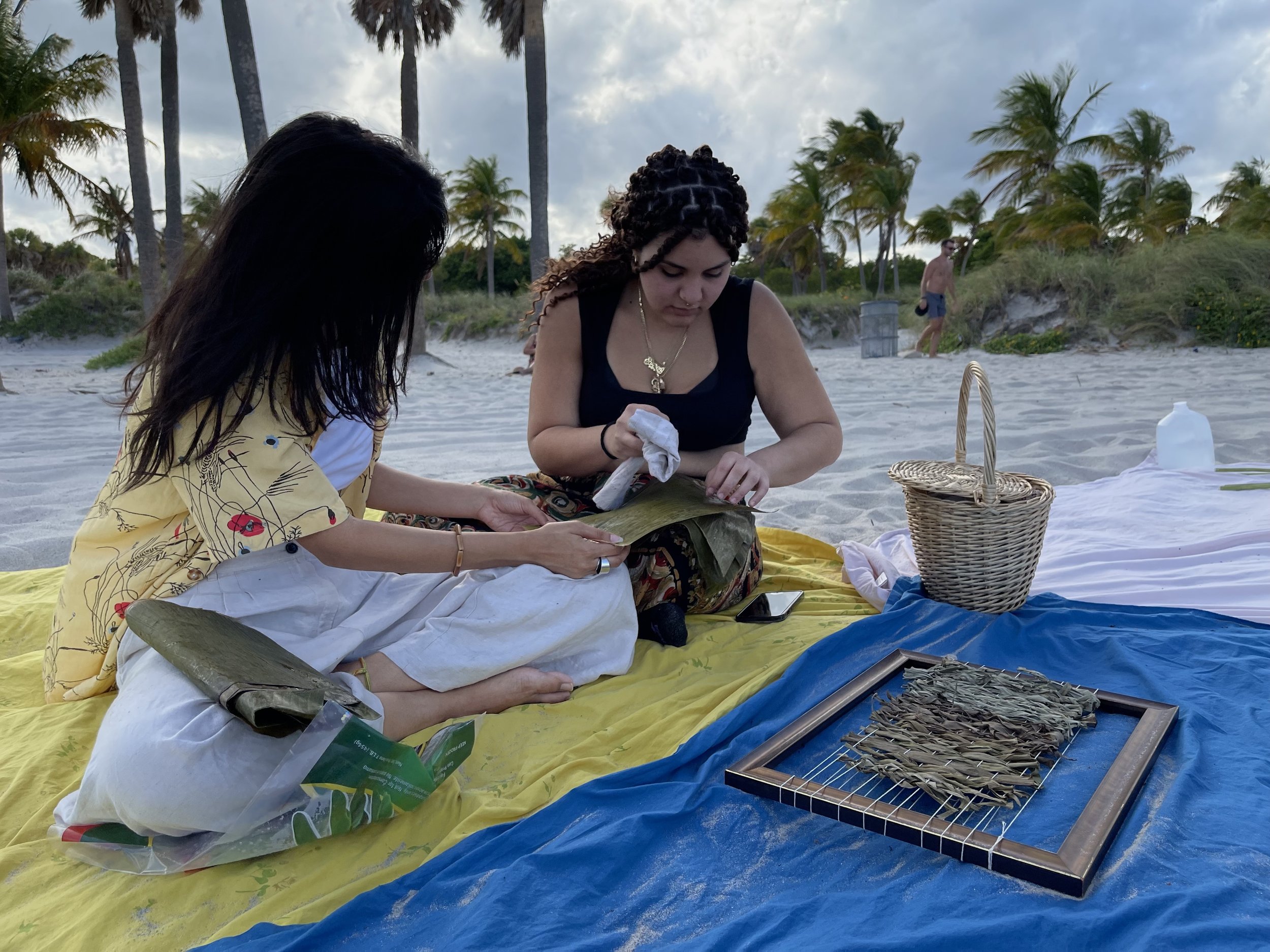
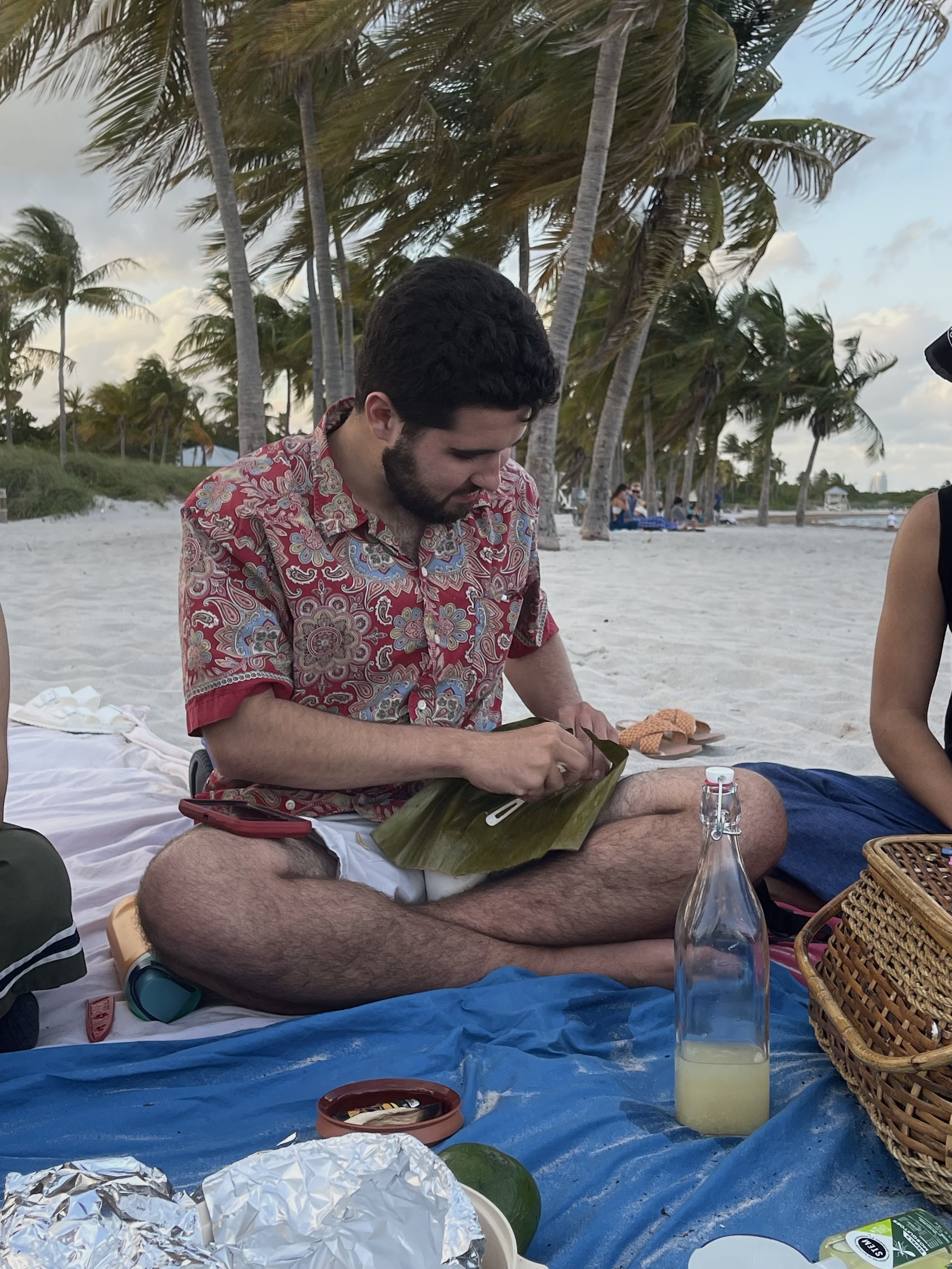
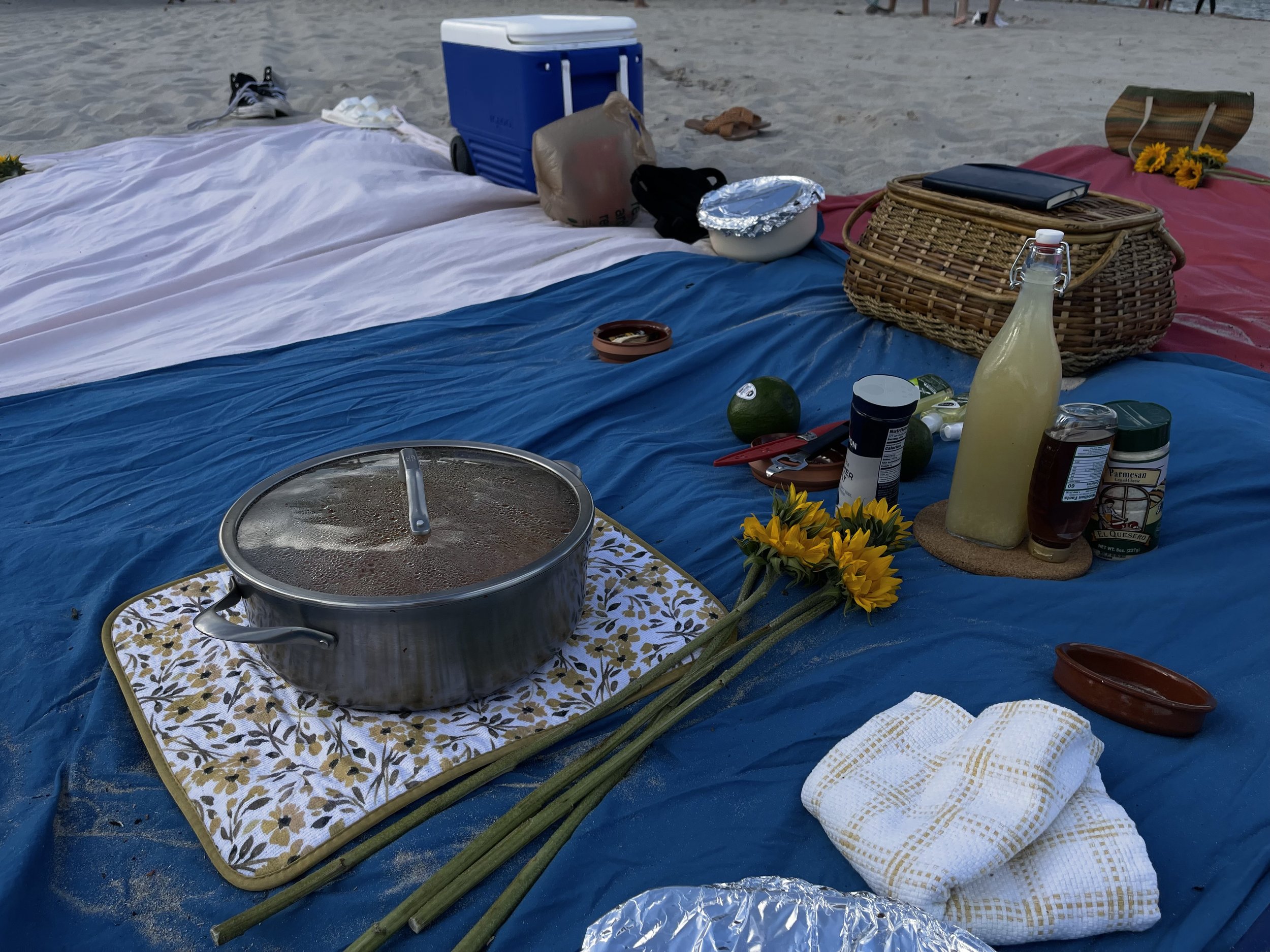
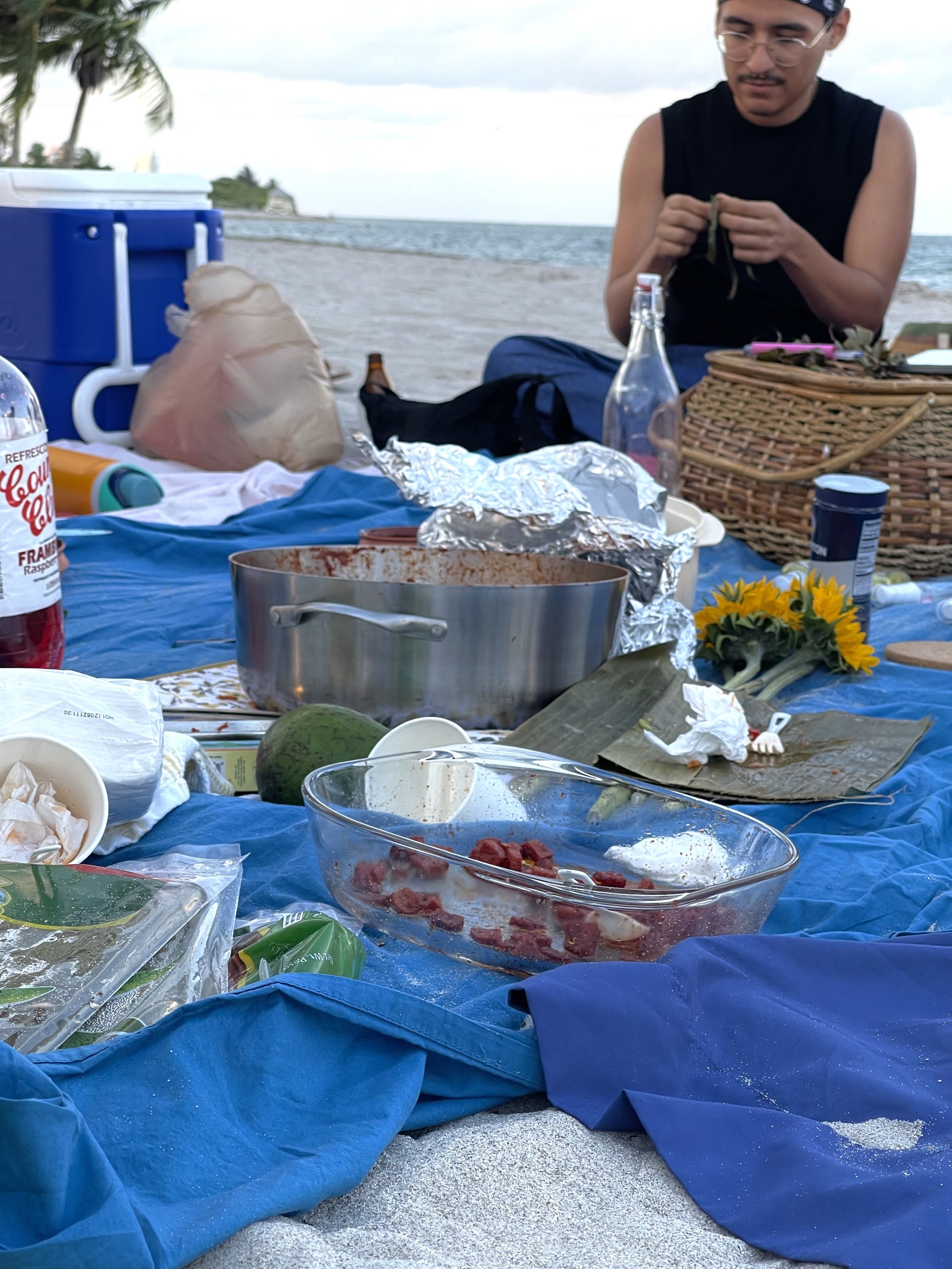
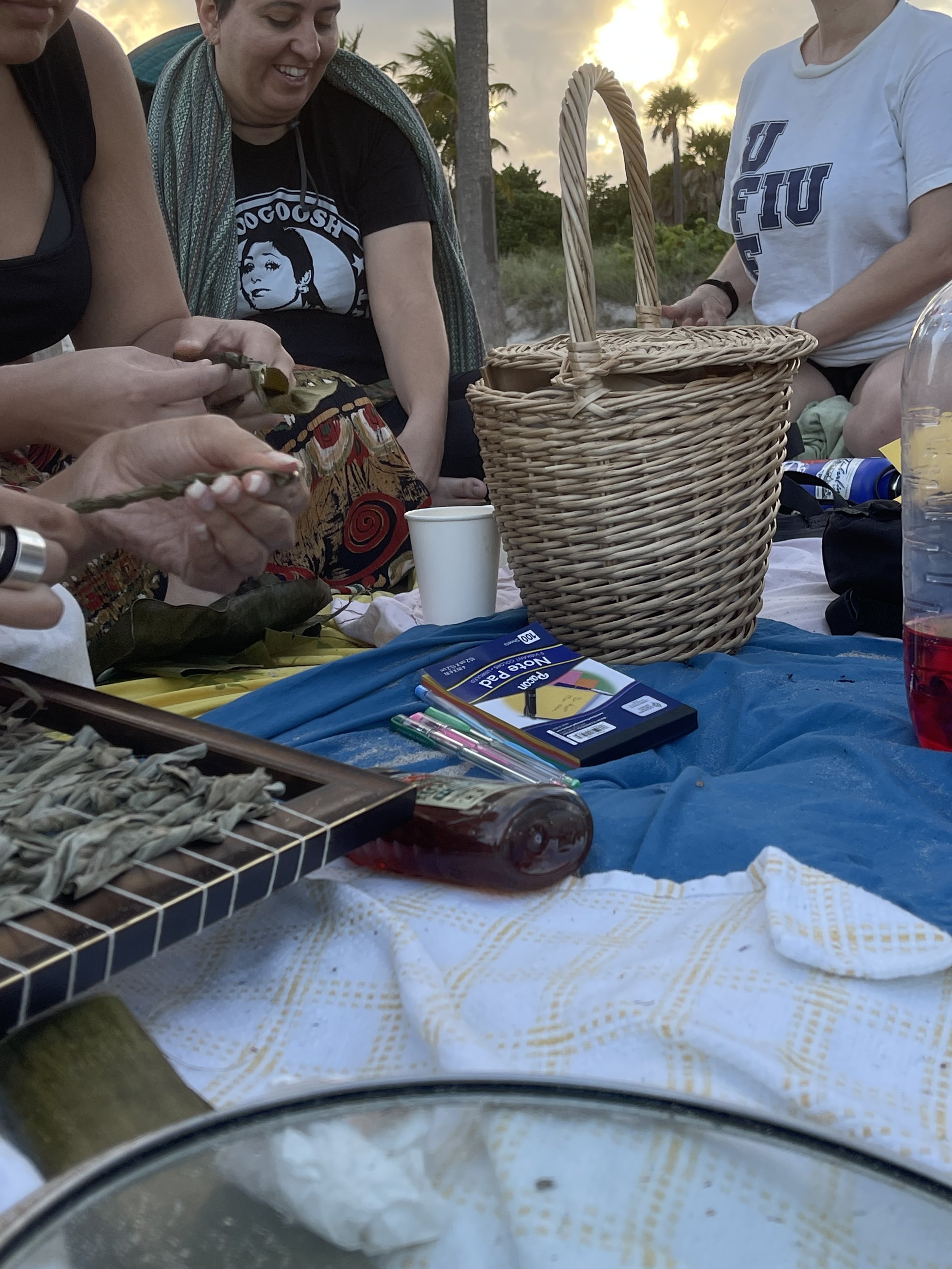
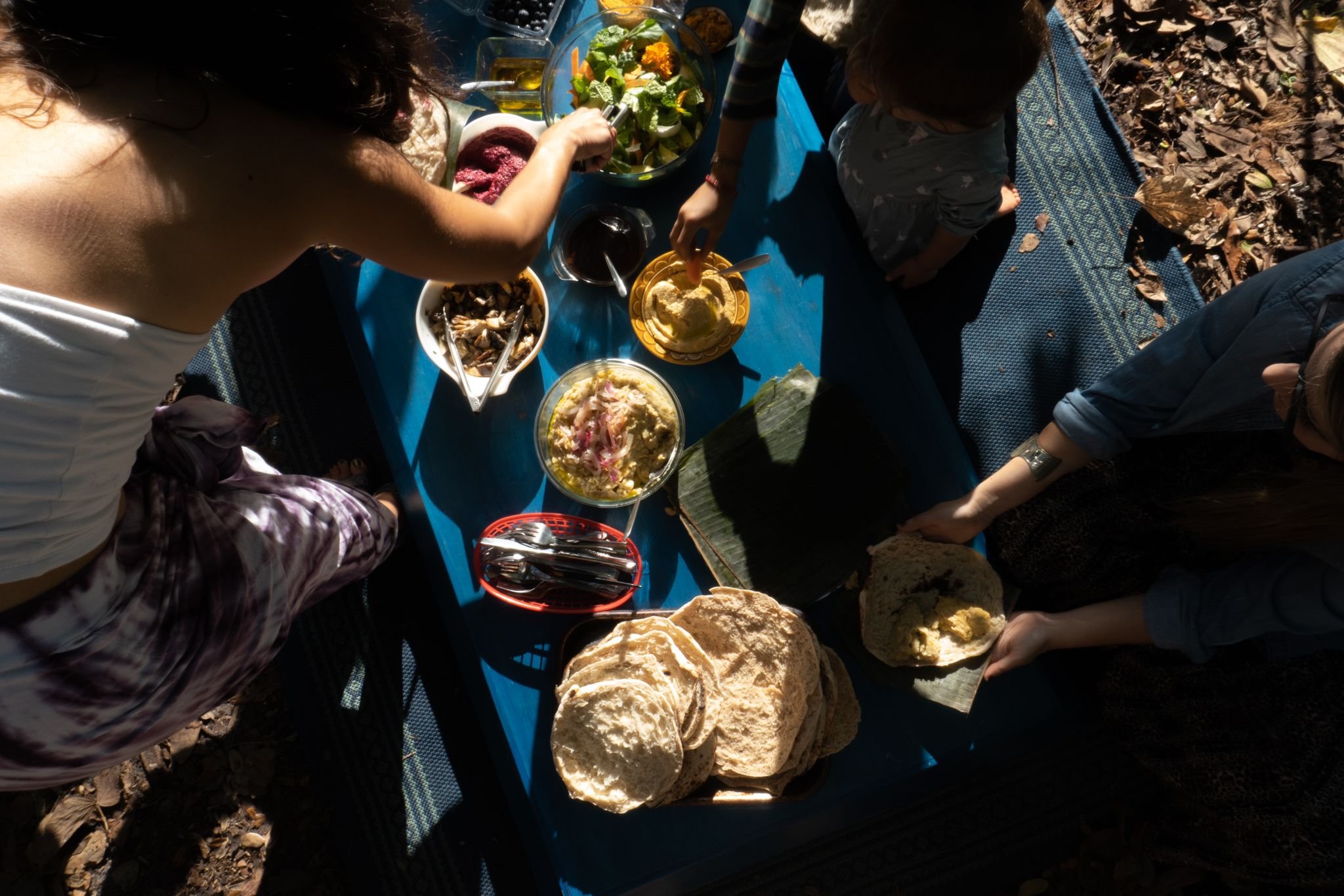
Empaguetada:
d. grandes cantidades de espaguetis para un grupo de amigxs para saciar su vacio estomacal (hambre del diablo)
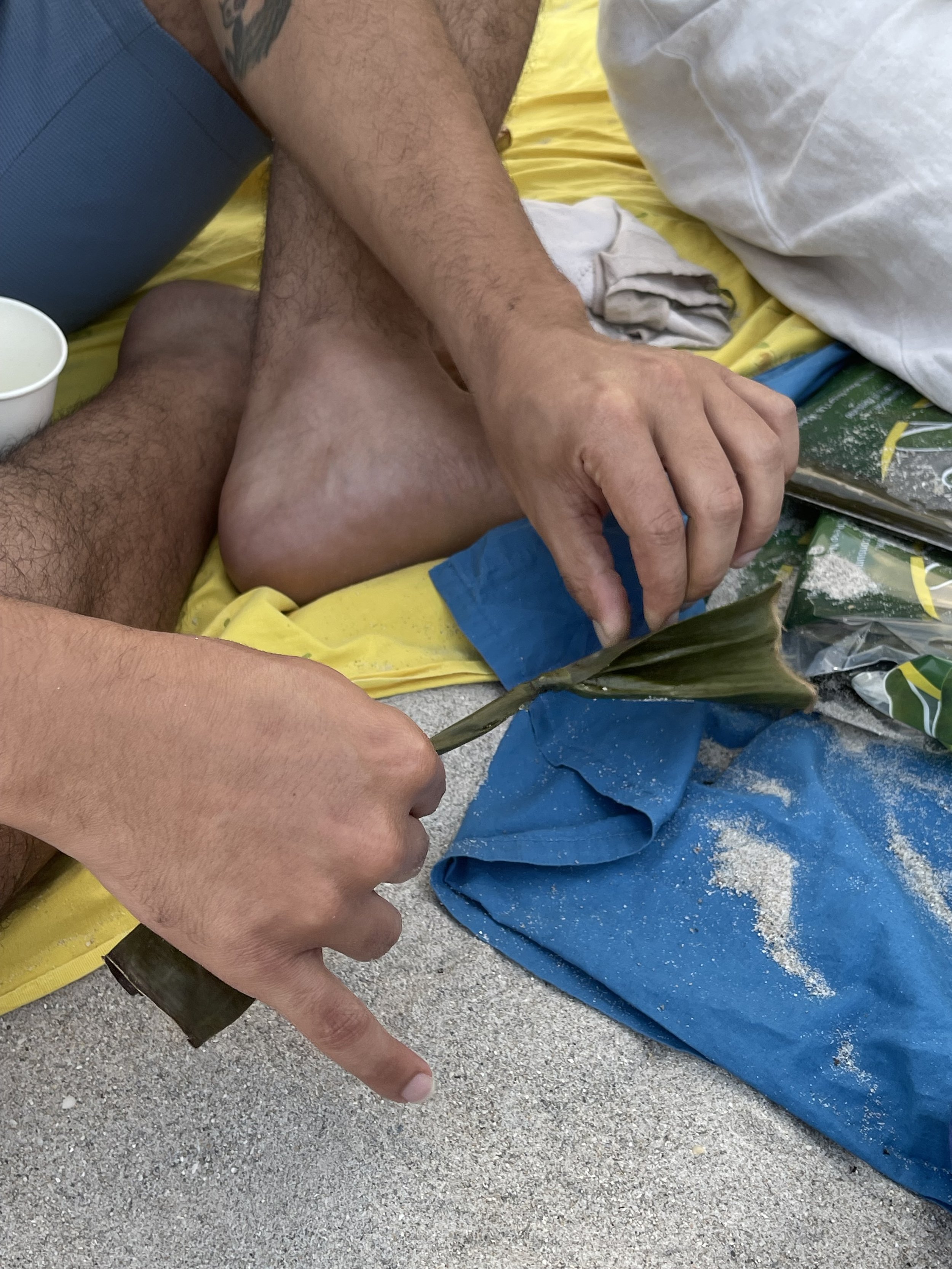
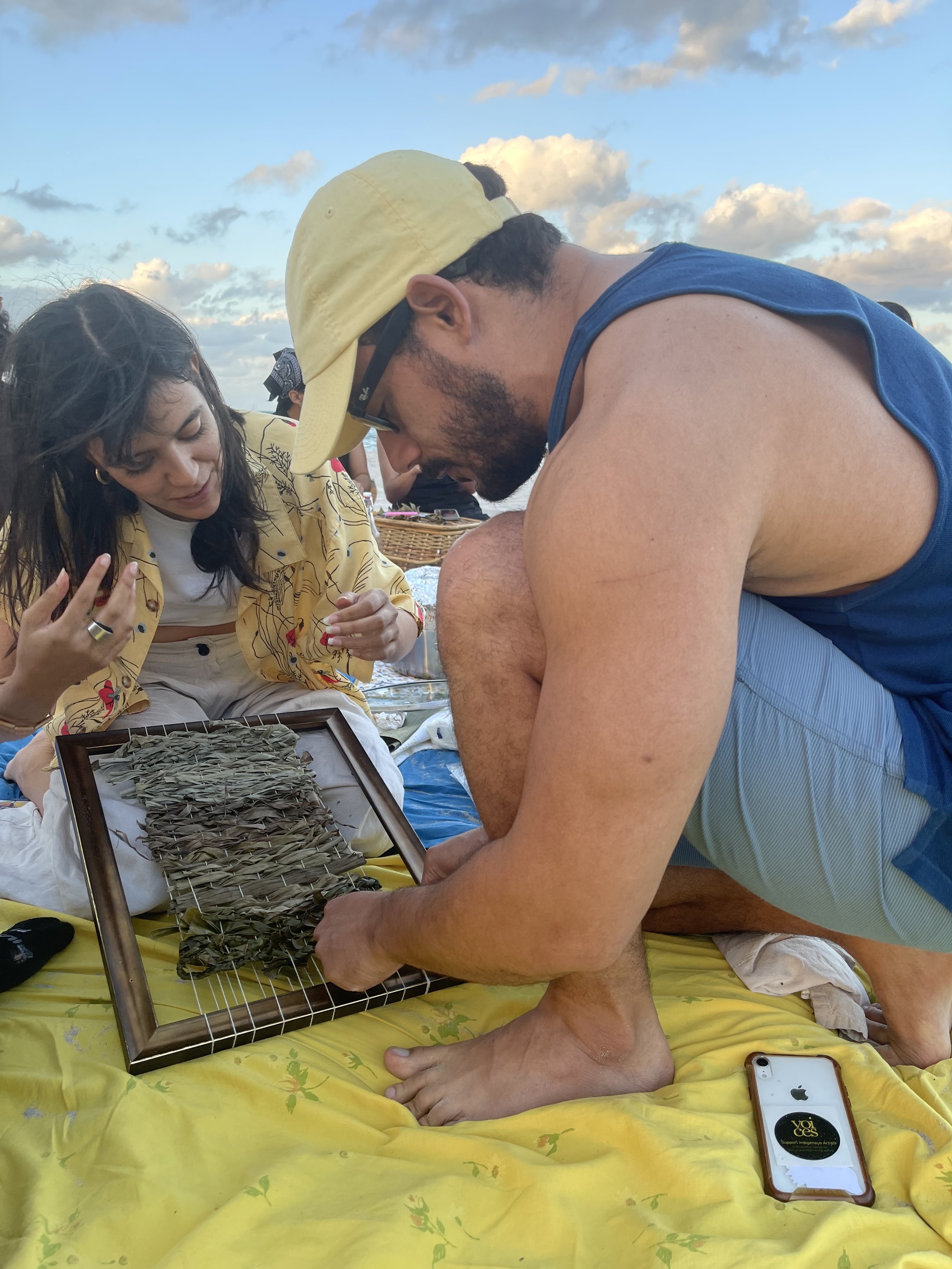
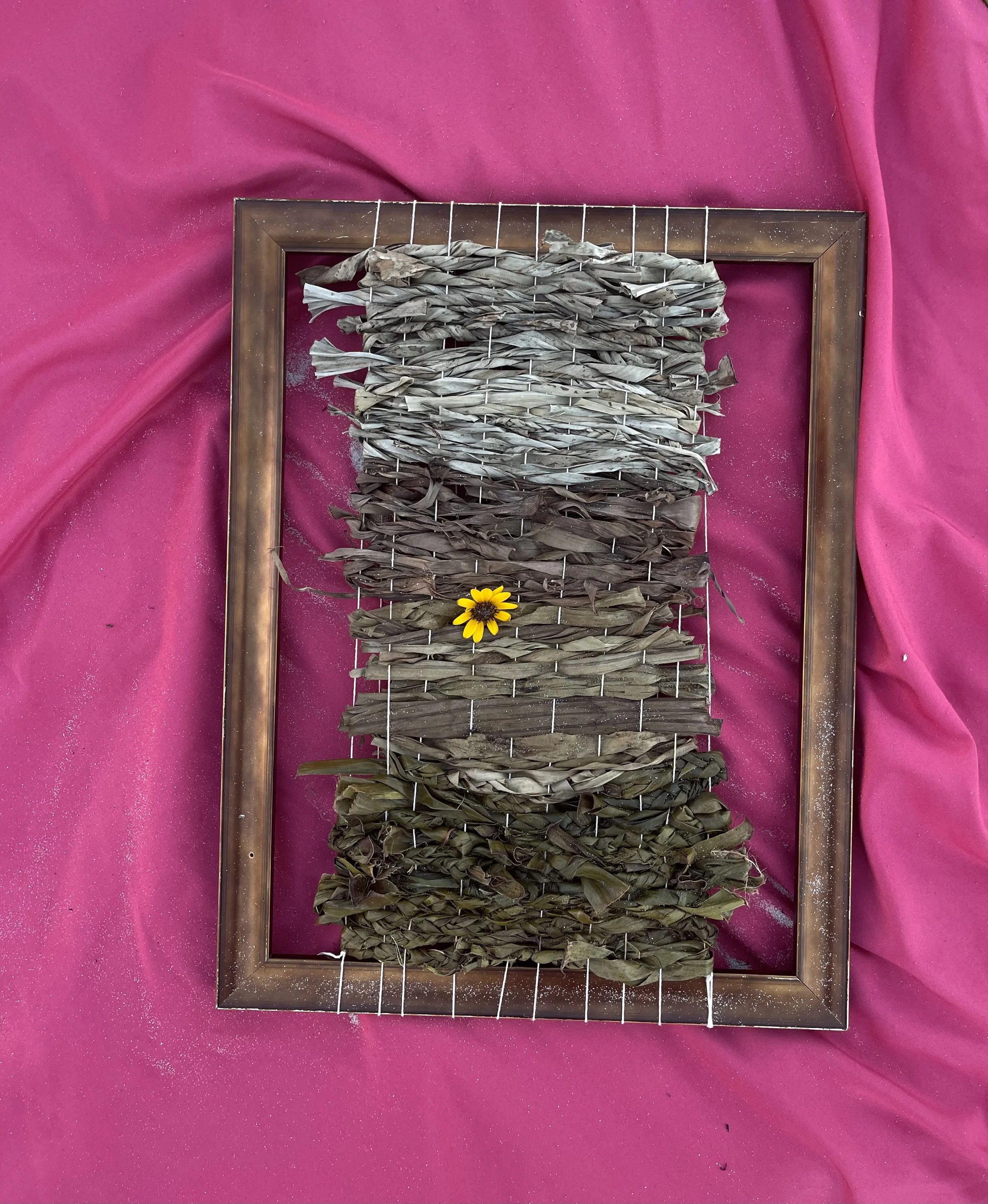
WEAVING CIRCLE | COMEDOR AZUL X FINCA MORADA | NORTH MIAMI, FL | MAY 2023
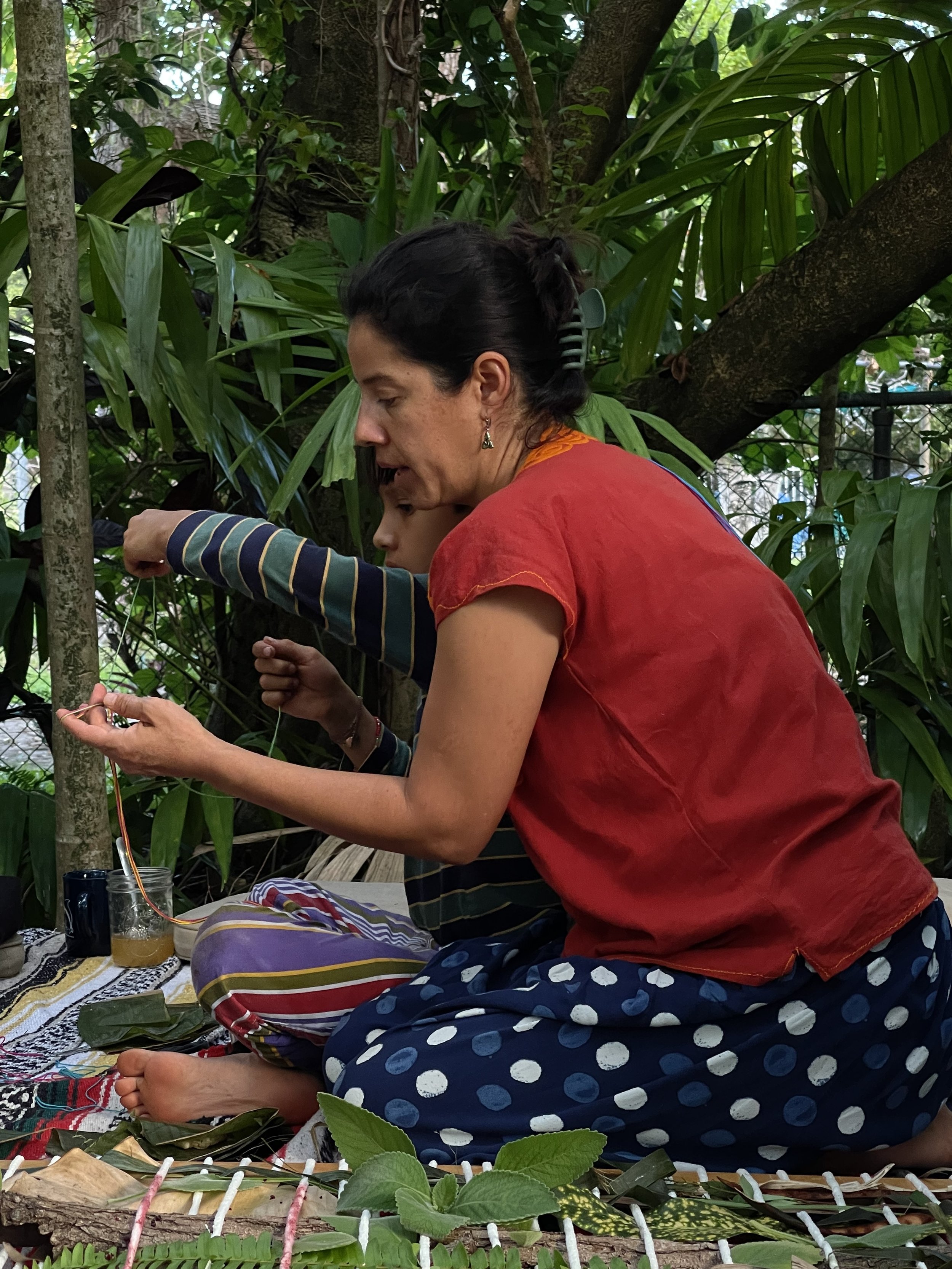
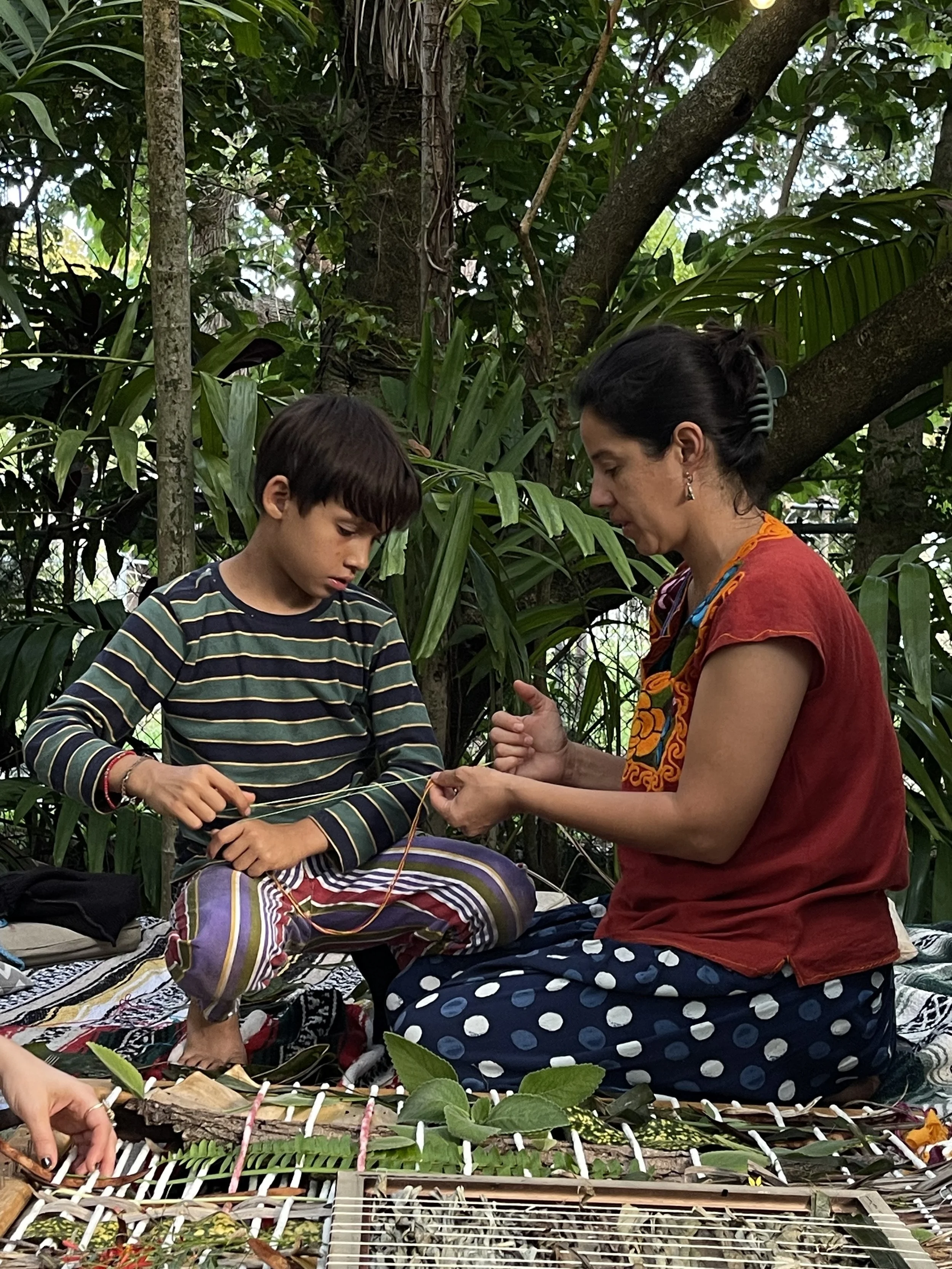
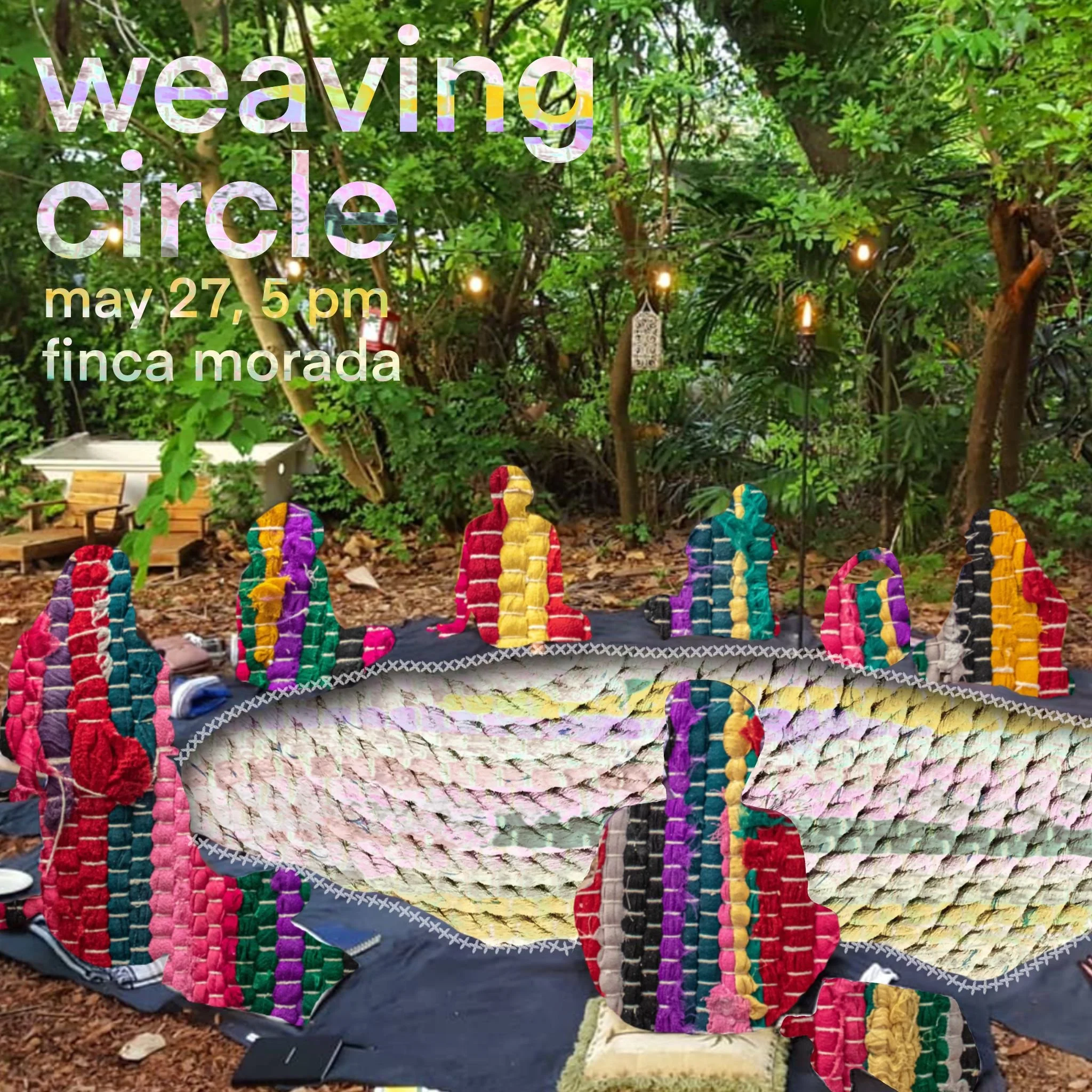
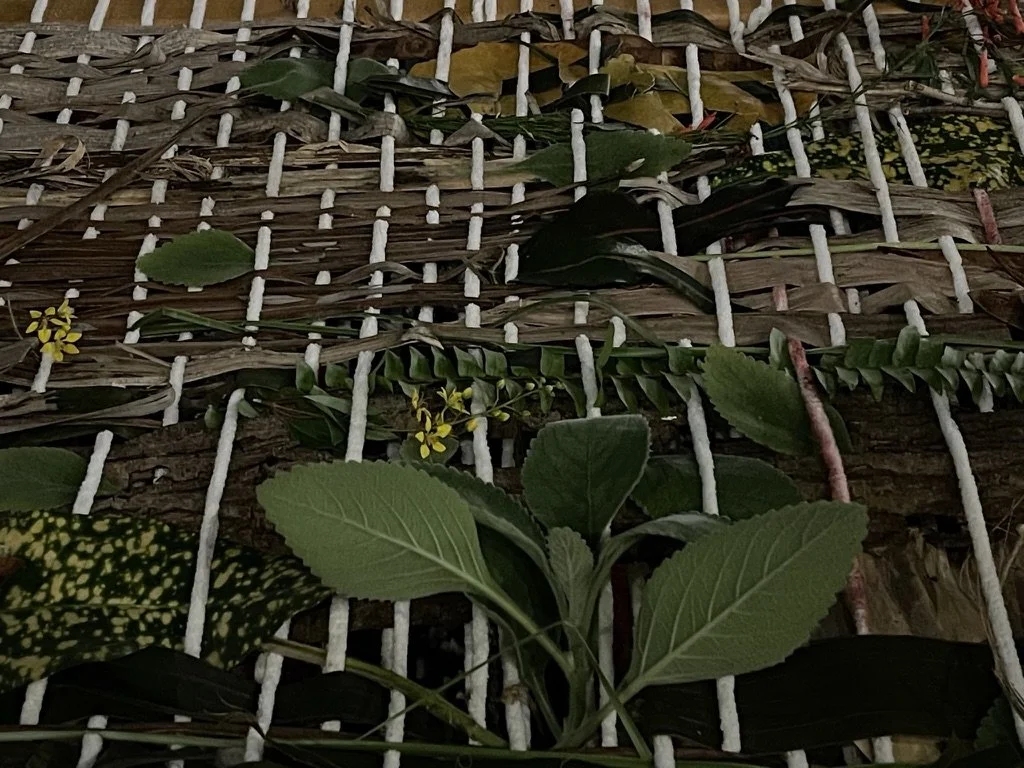
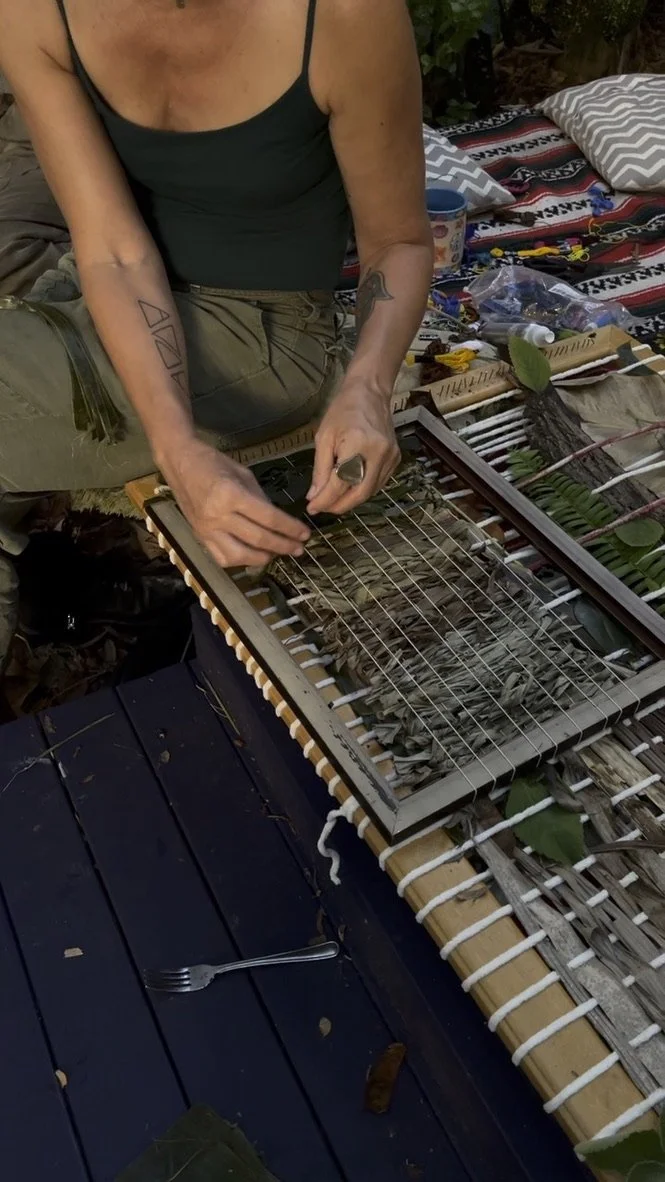
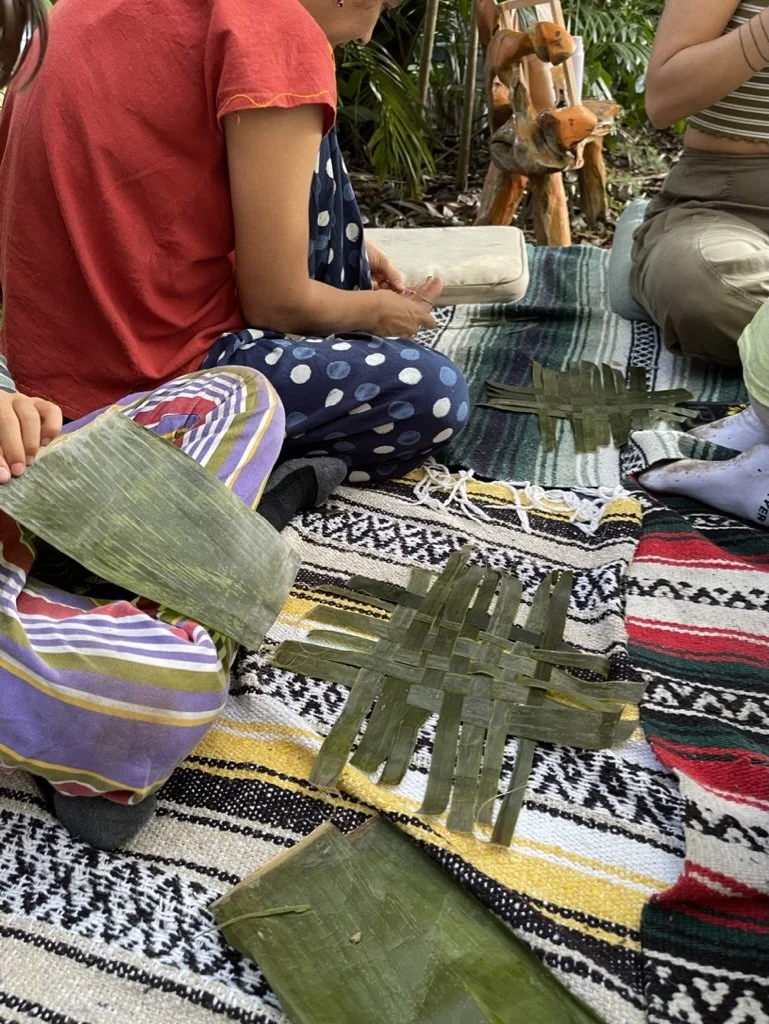
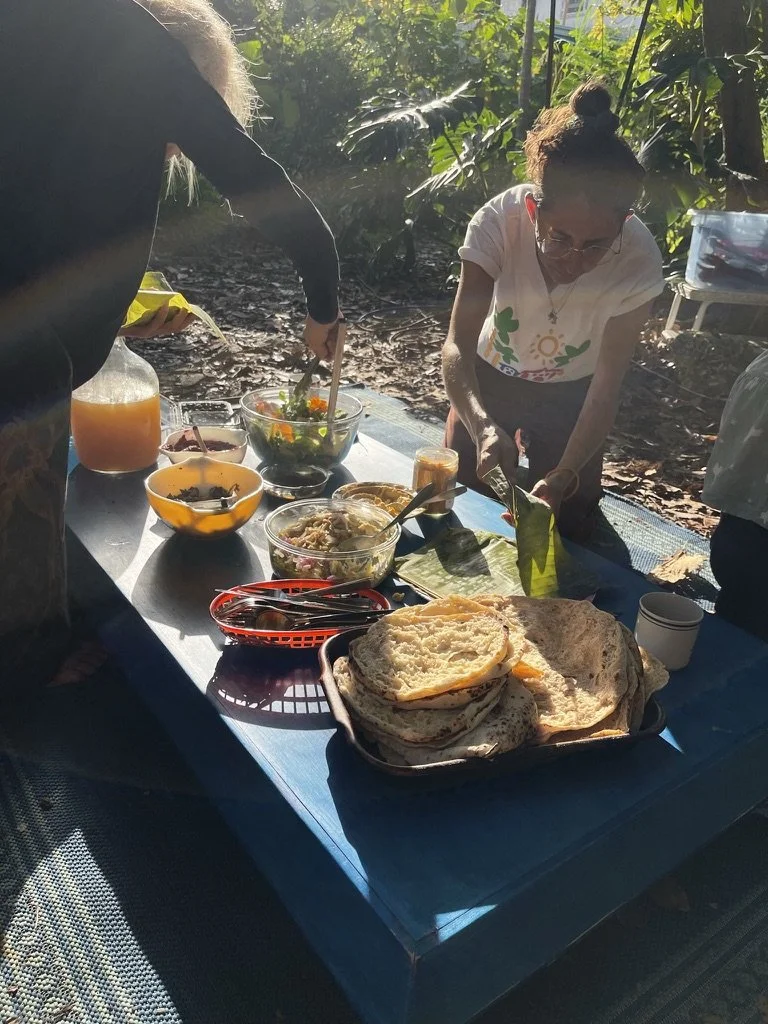
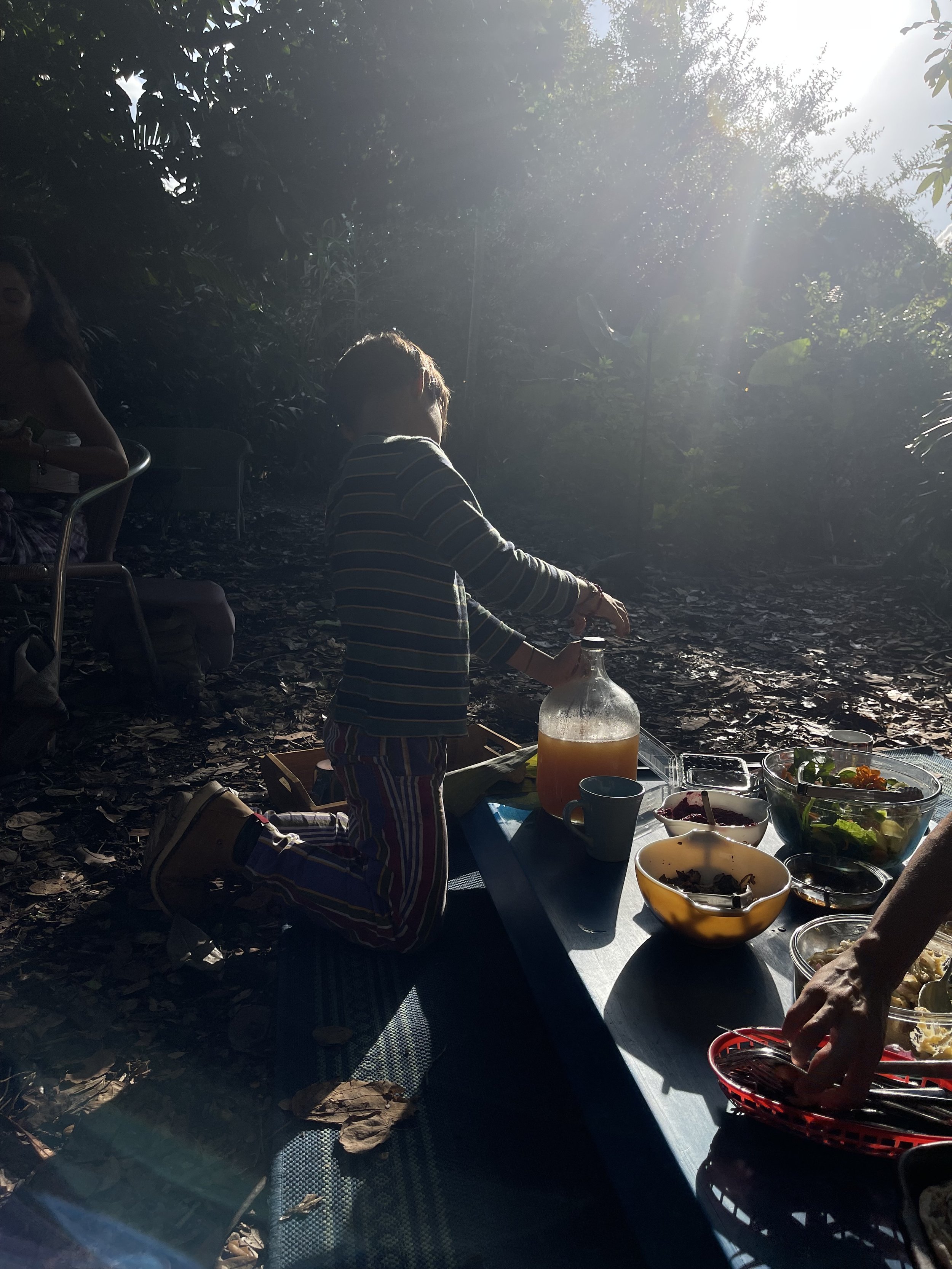
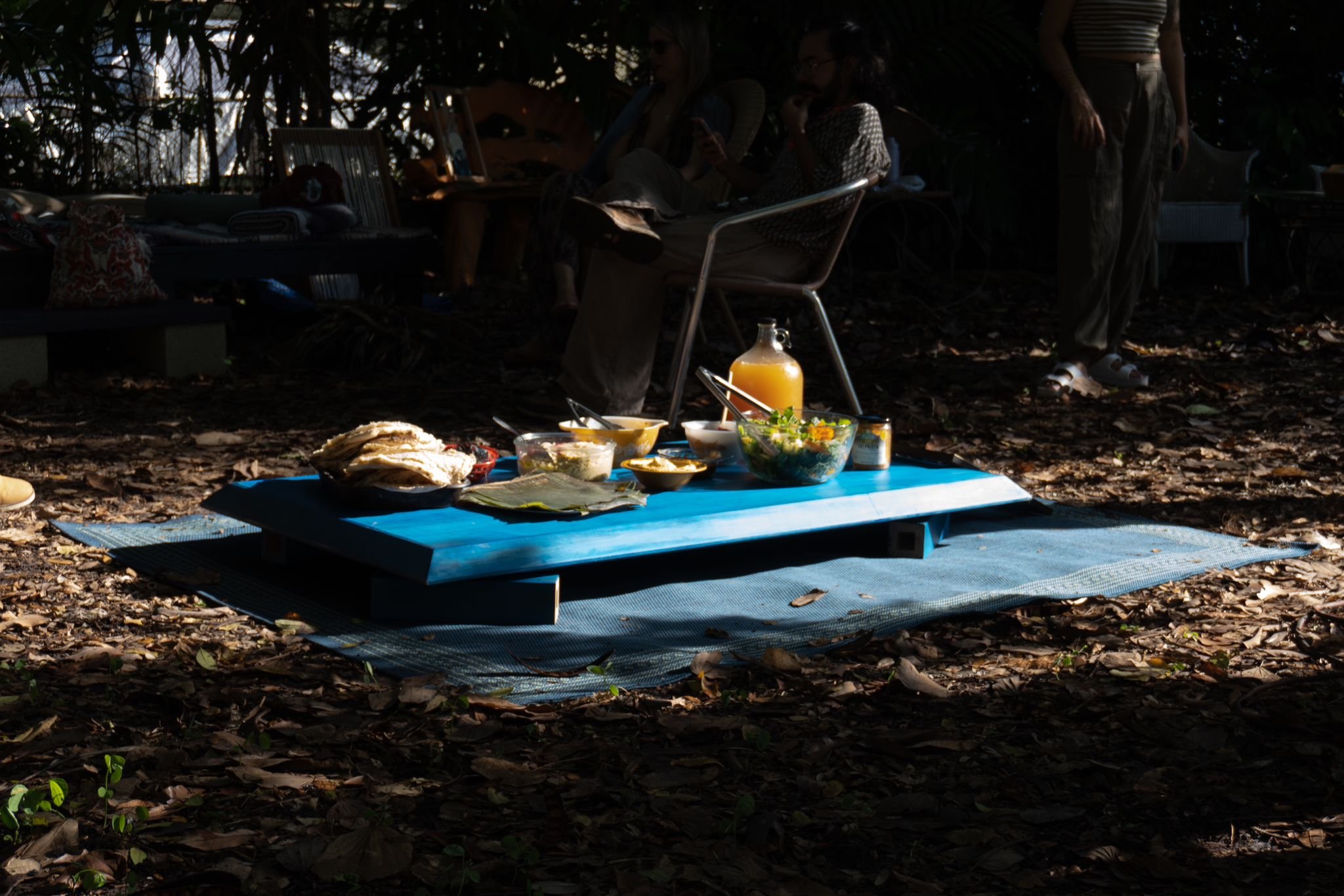
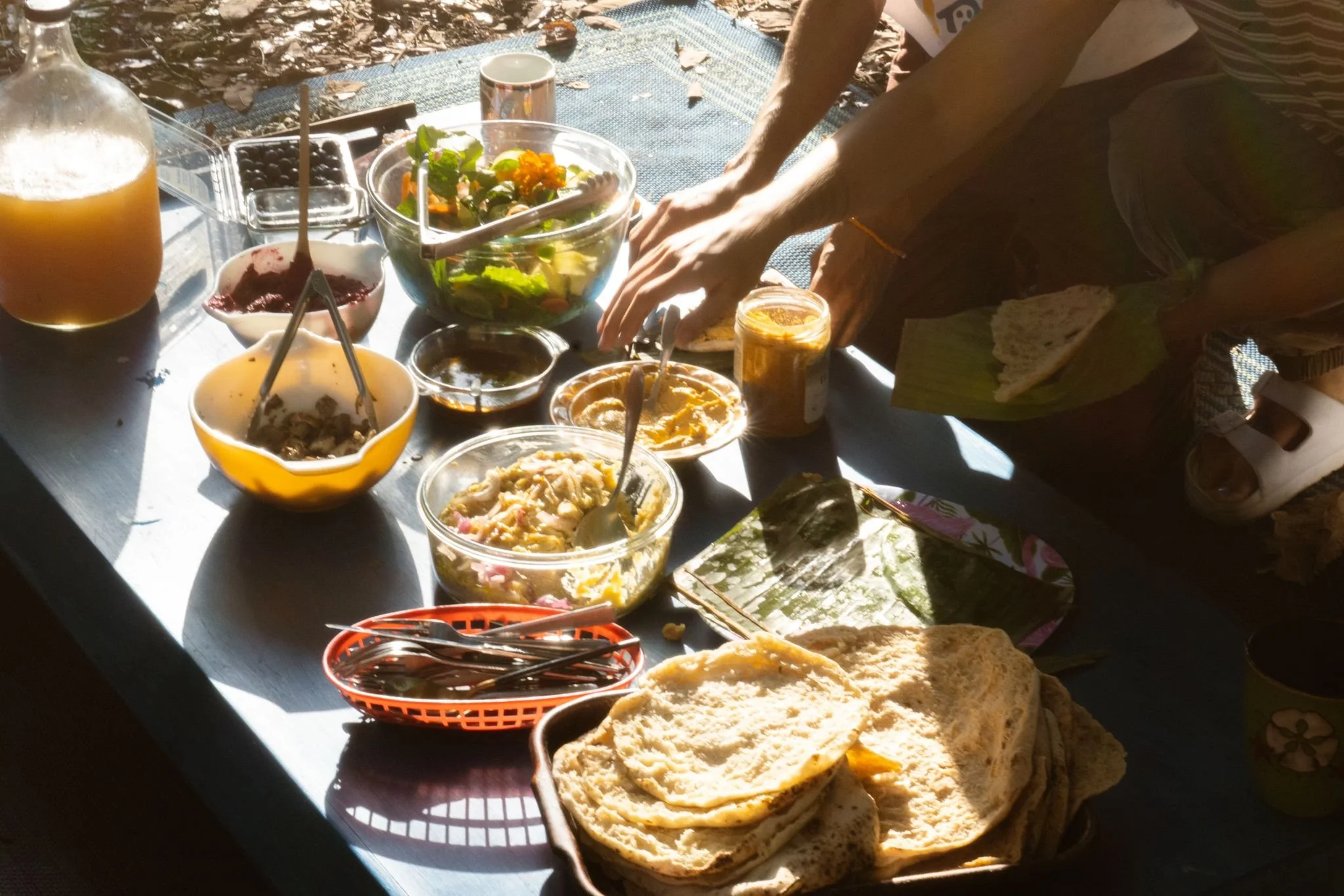
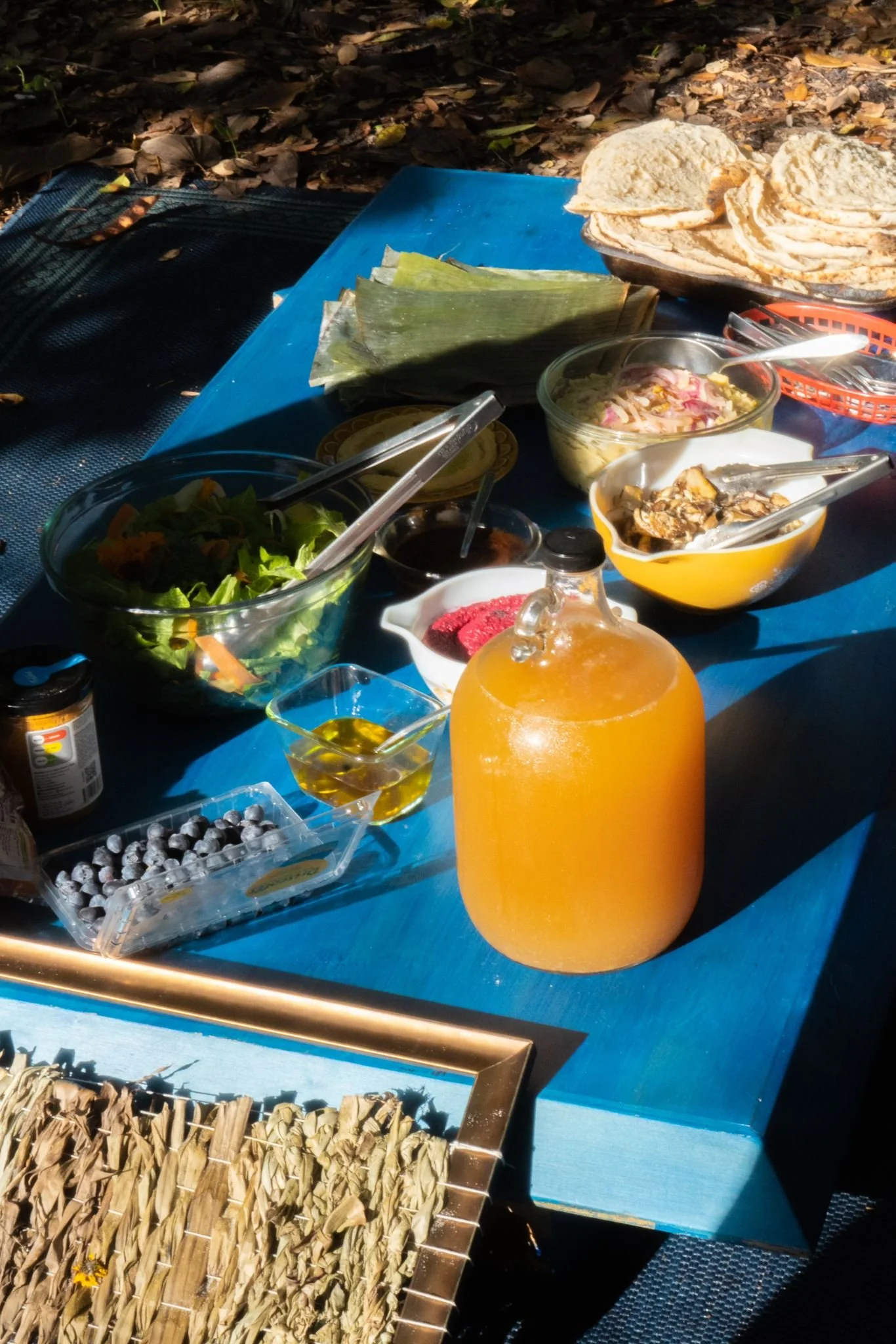
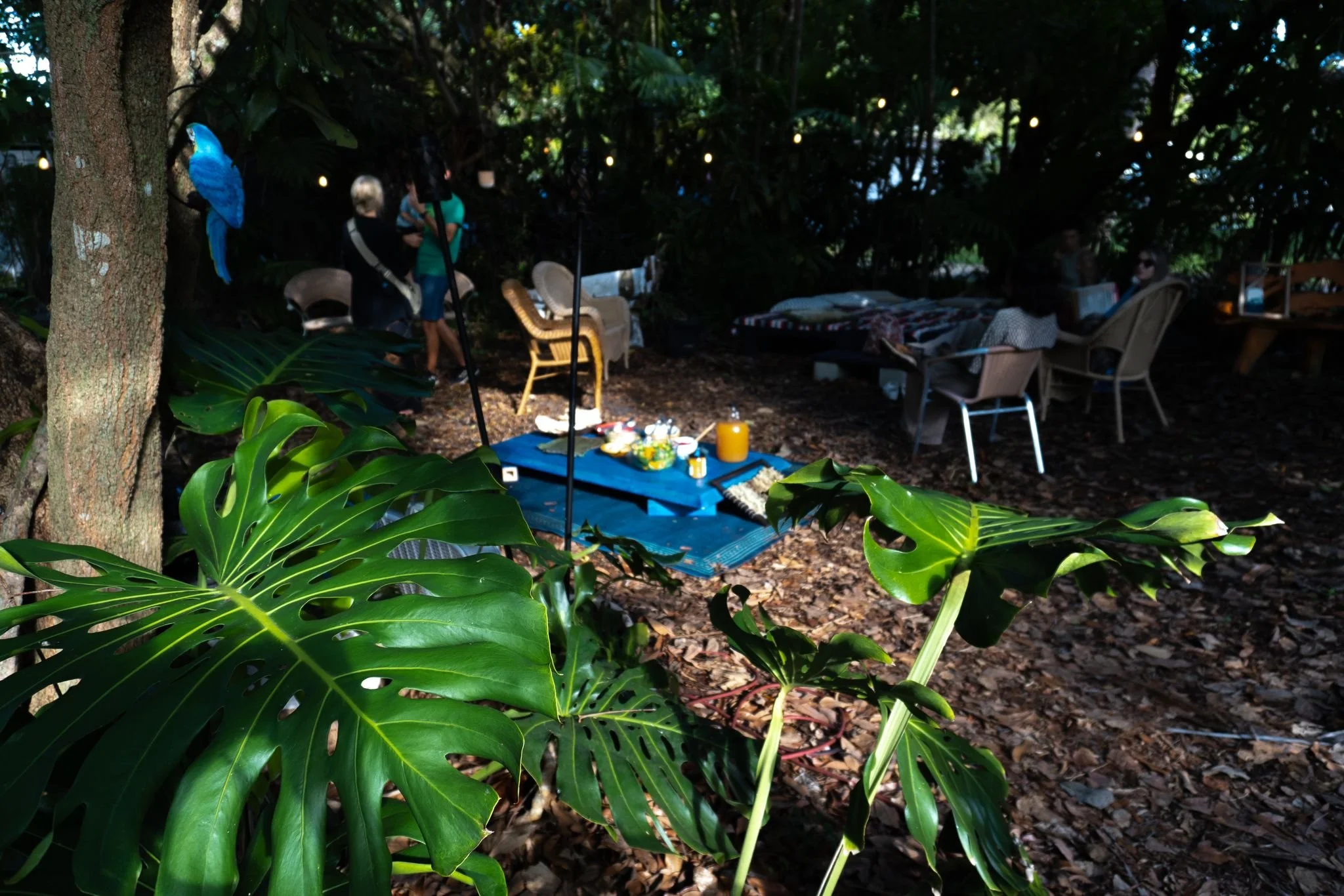
“…a weaving circle in Finca Morada’s food forest, where folks are invited to share different textile craft techniques they’ve learned so far, ranging from beginners to those with more experience. Some of the practices we will have are crochet, basket weaving, palm leaf weaving, embroidery, needlepoint, and more!
As a circle, we will co-creating textile pieces, rather than creating out own individual pieces. We will have some materials to offer, but you are welcome to bring any you’d like to share! The goal is to collaborate, share, and learn with each other. And have fun!
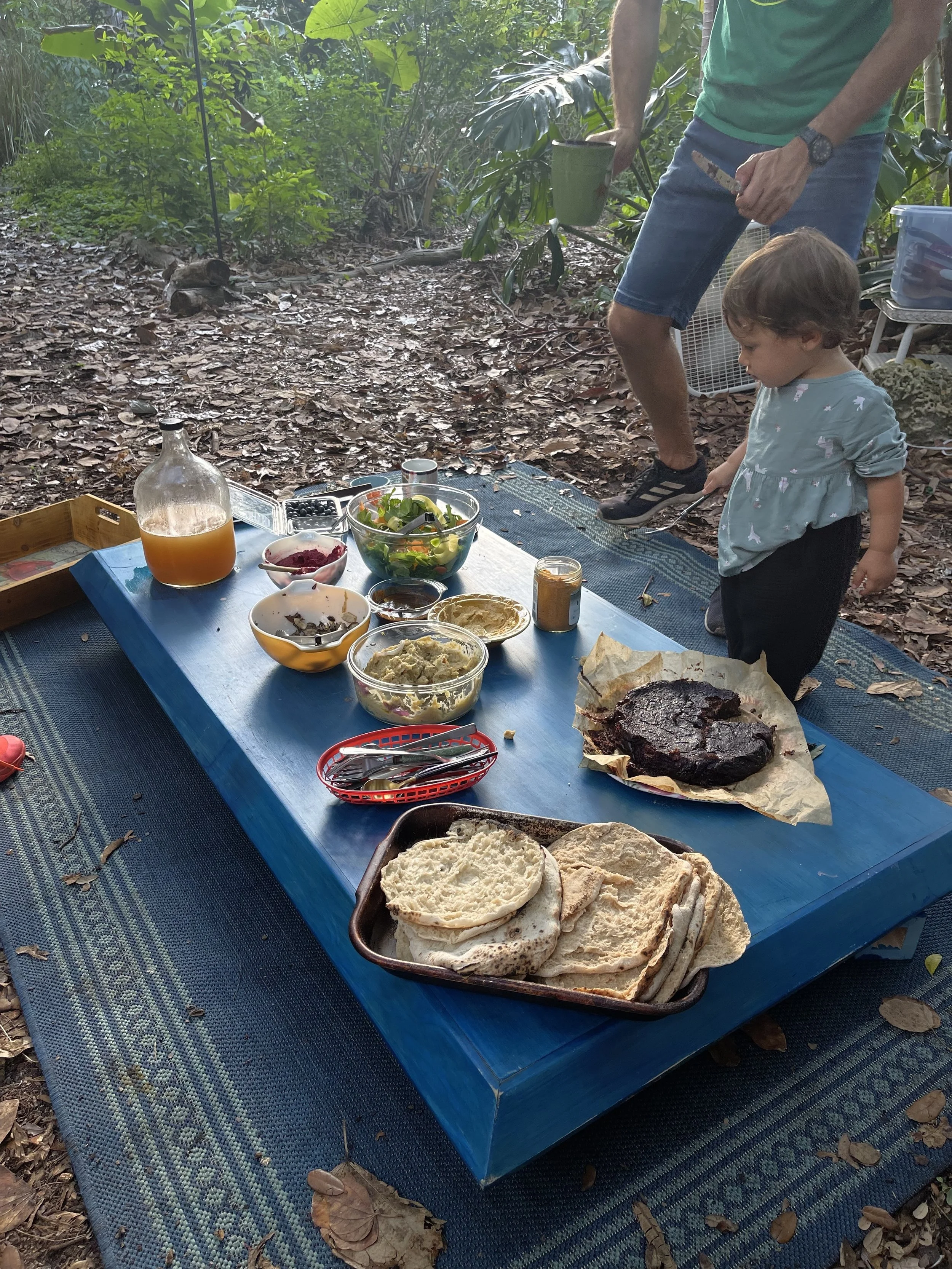
A collaboration offered in this circle is with Comedor Azul and their project, “olvidar, es olvidarnos…” Comedor Azul will offer a meal for folks who join the circle.”
www.fincamorada.org
IG @fincamorada
Substack @fincamorada
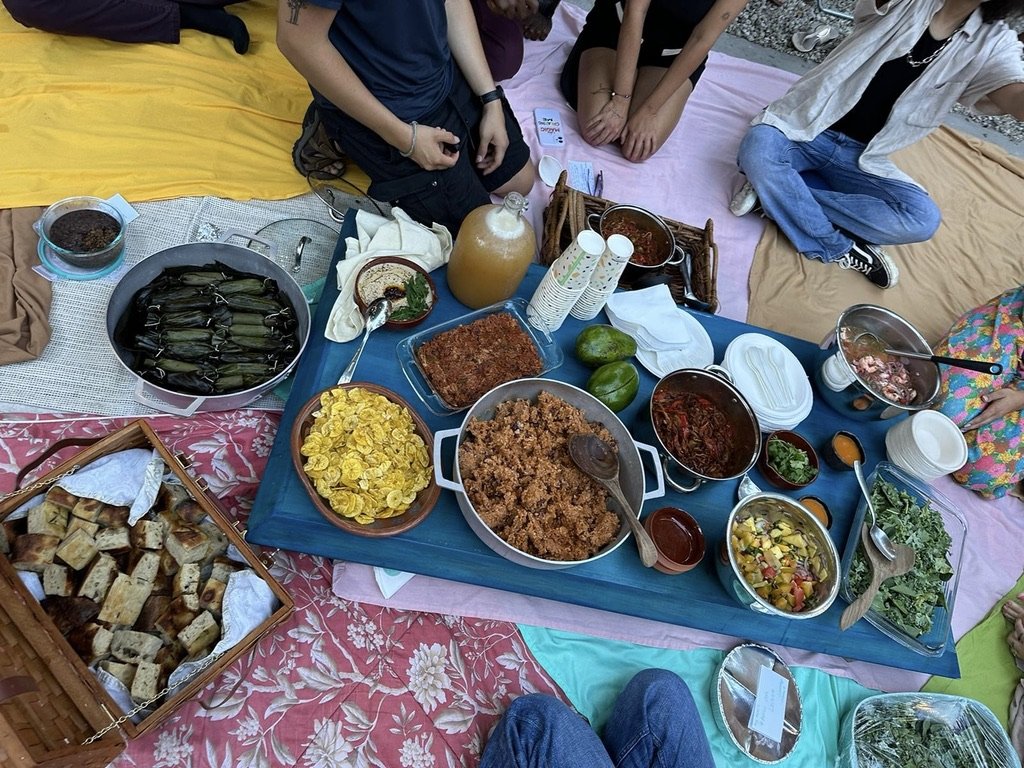
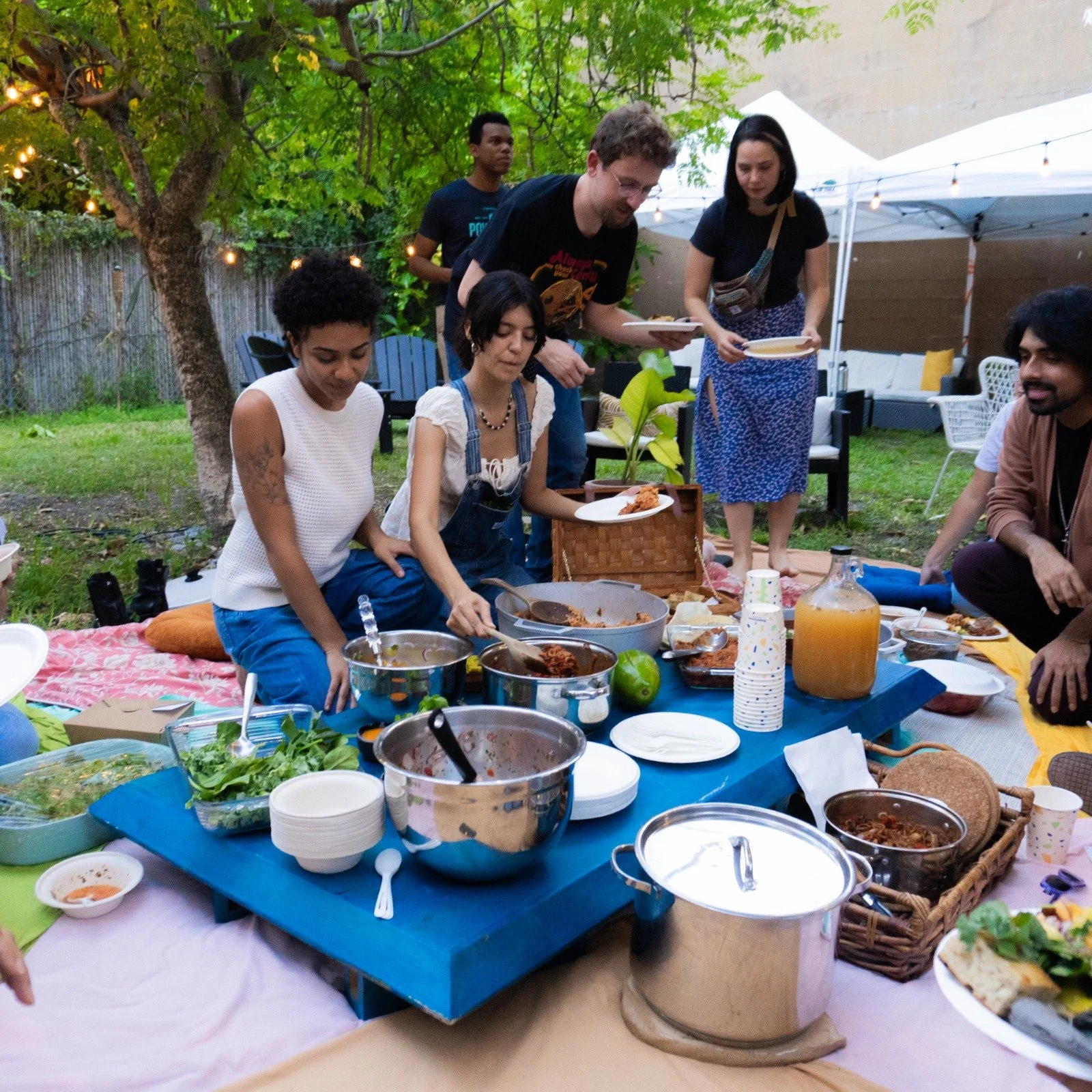
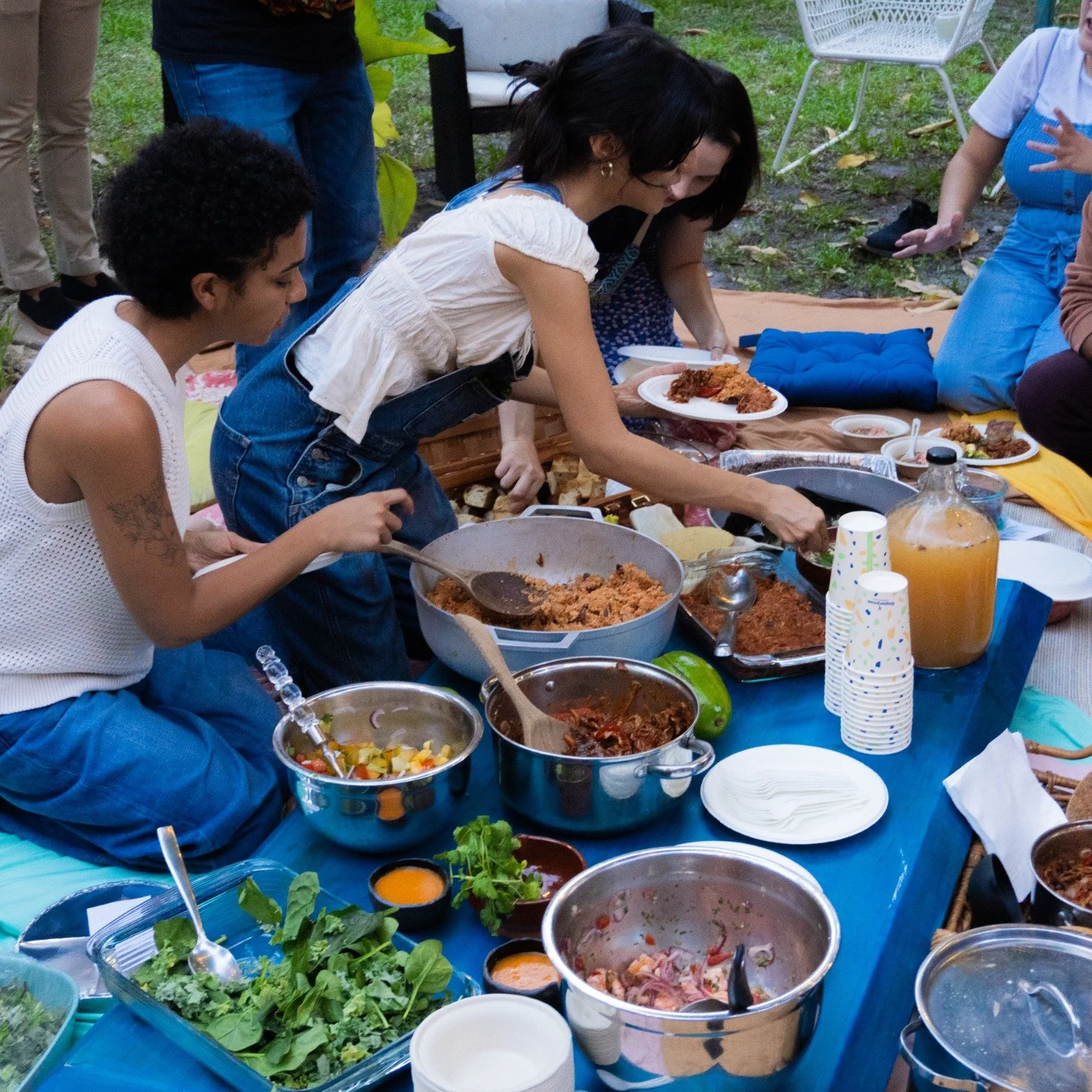
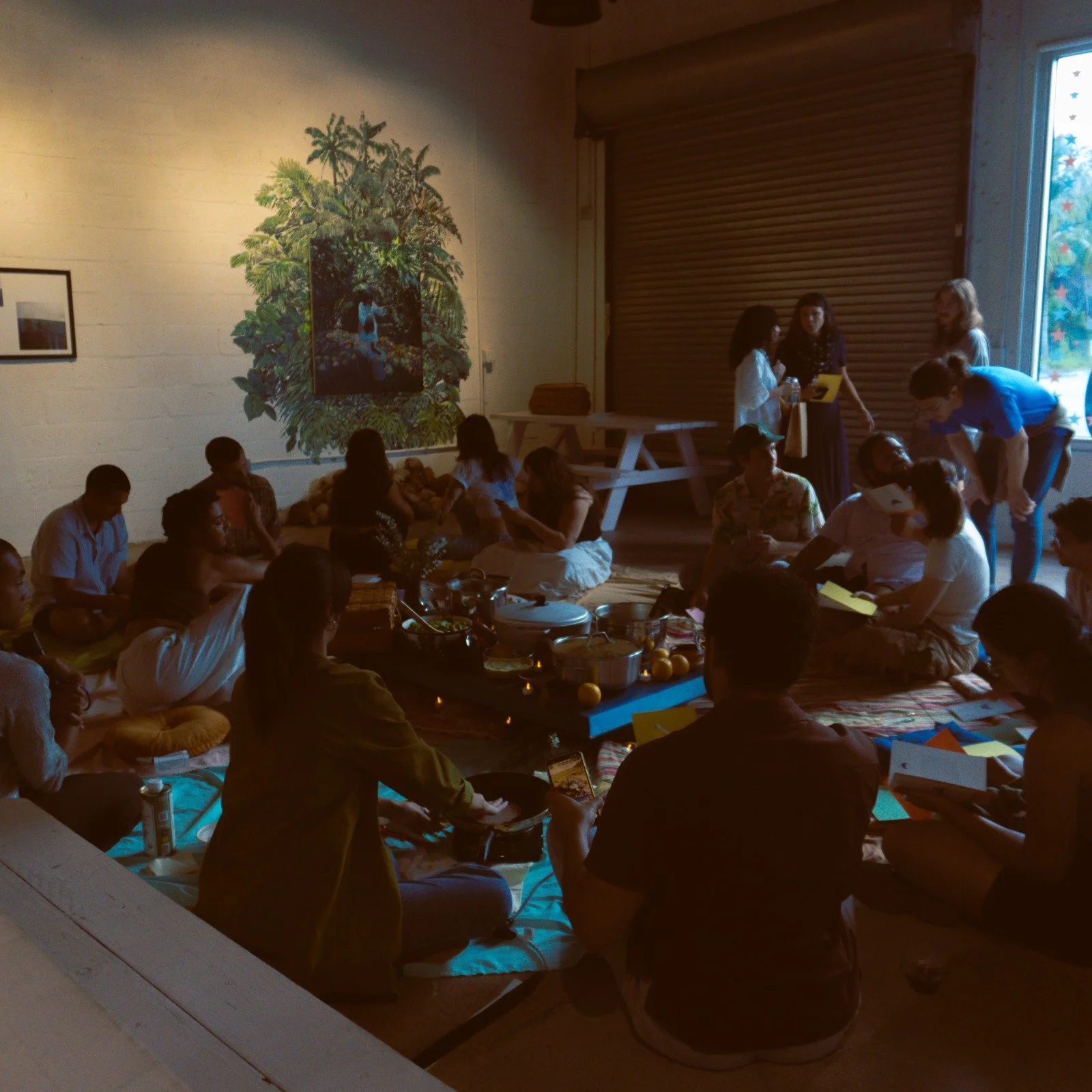
MIAMI FREEDOM PROJECT X COMEDOR AZUL | OF COURSE I STILL LOVE YOU | WYNWOOD, MIAMI, FL | JULY 2023
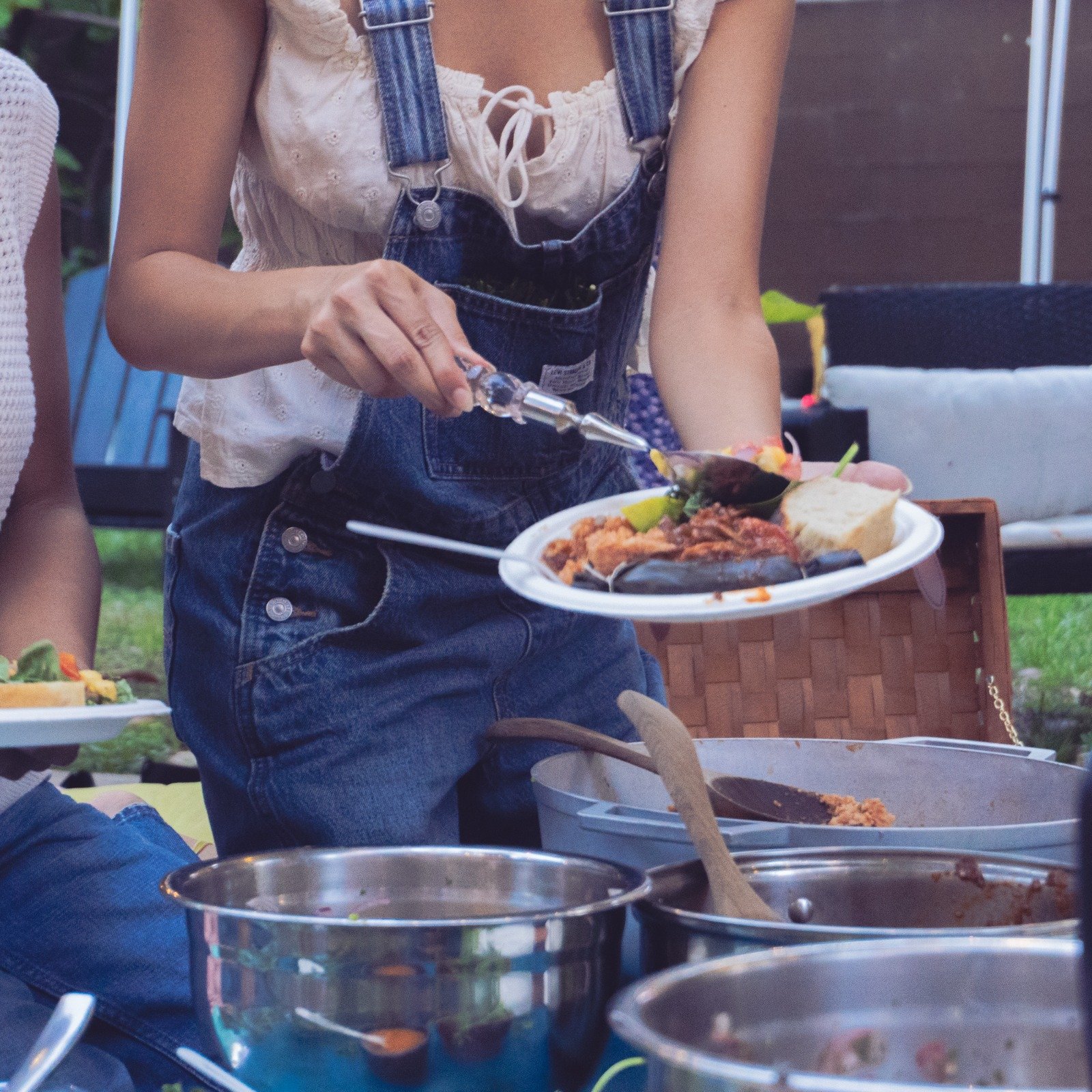
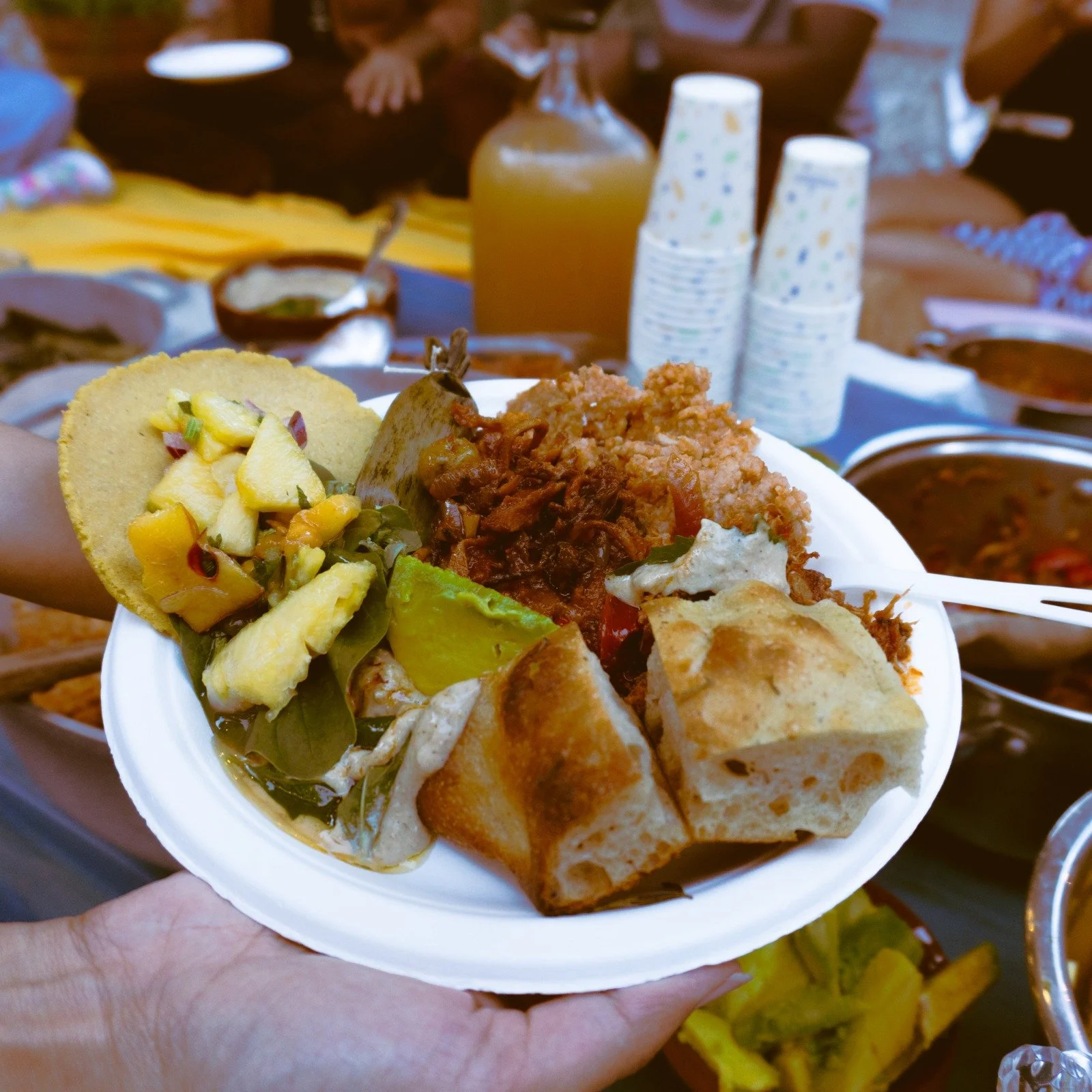
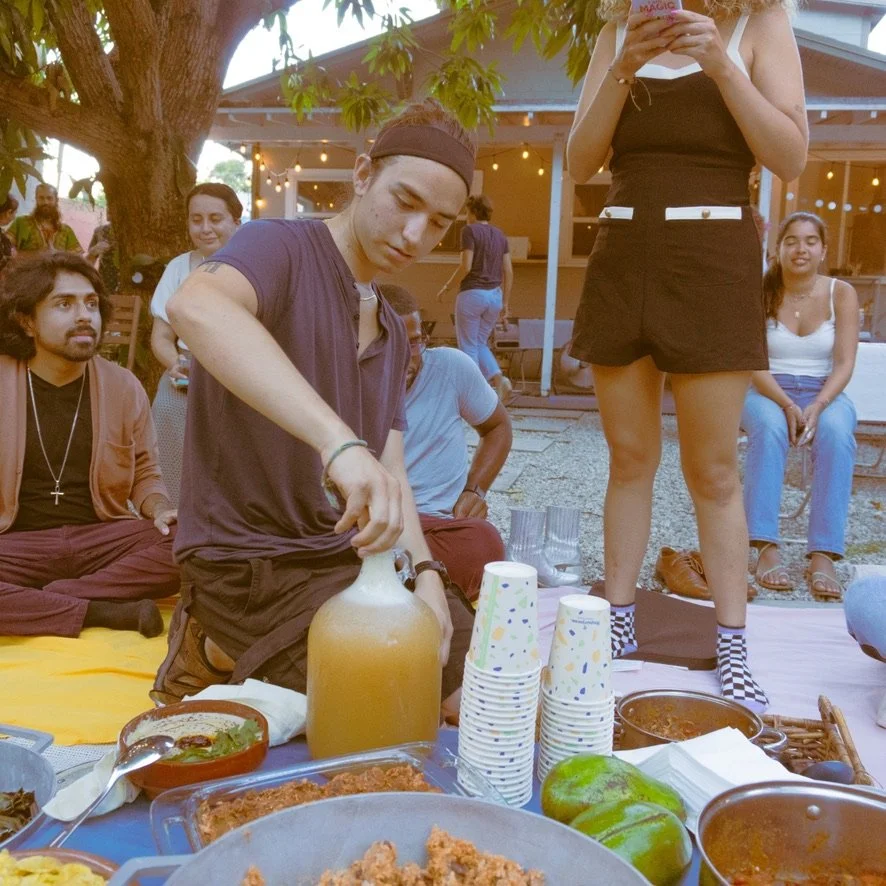
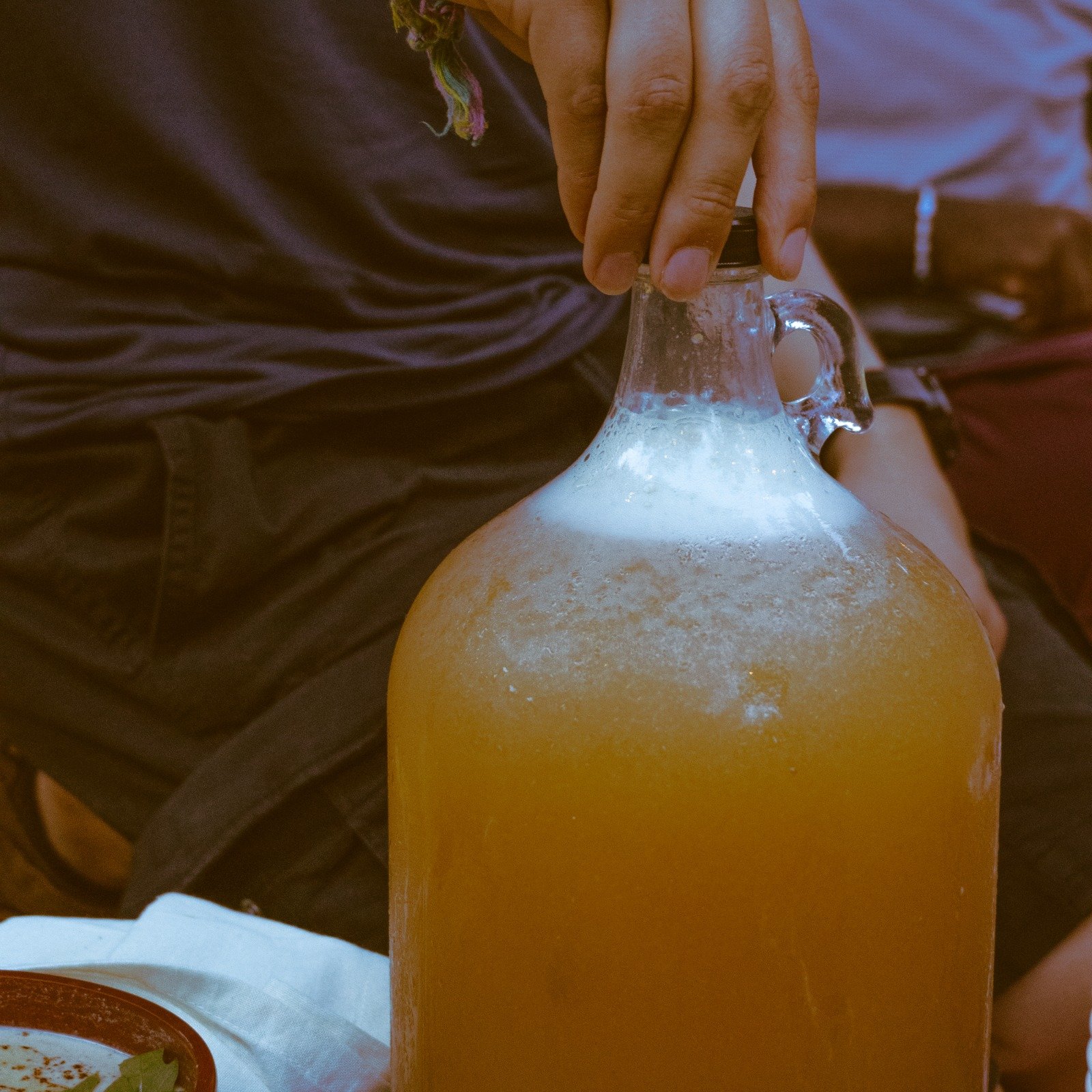
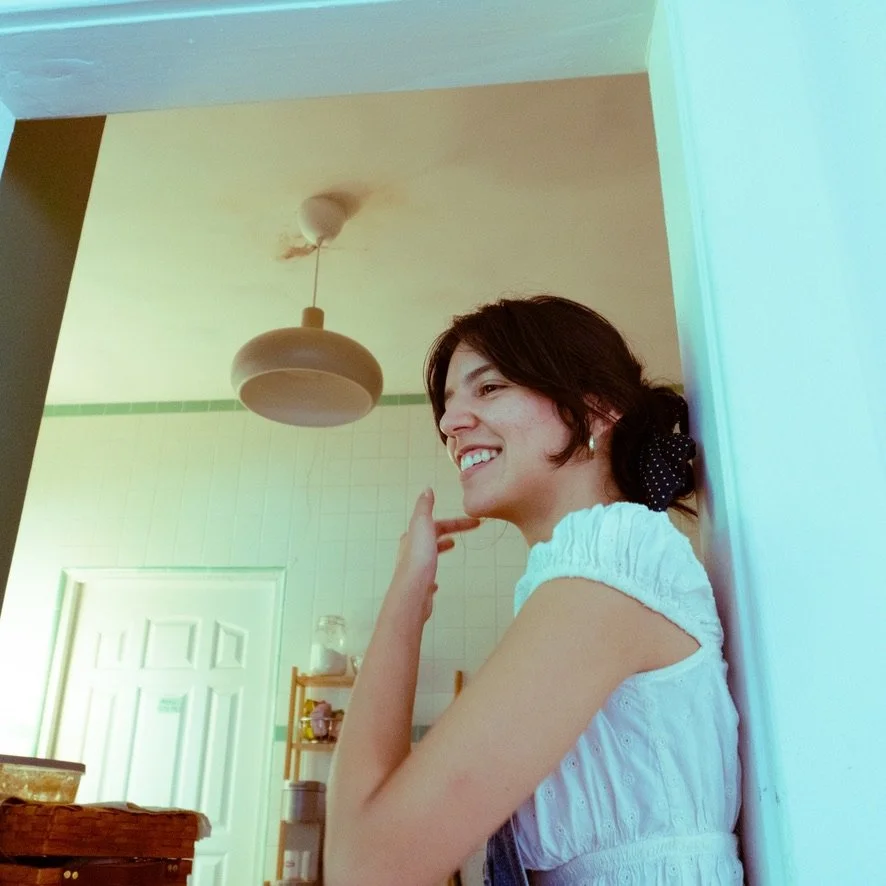
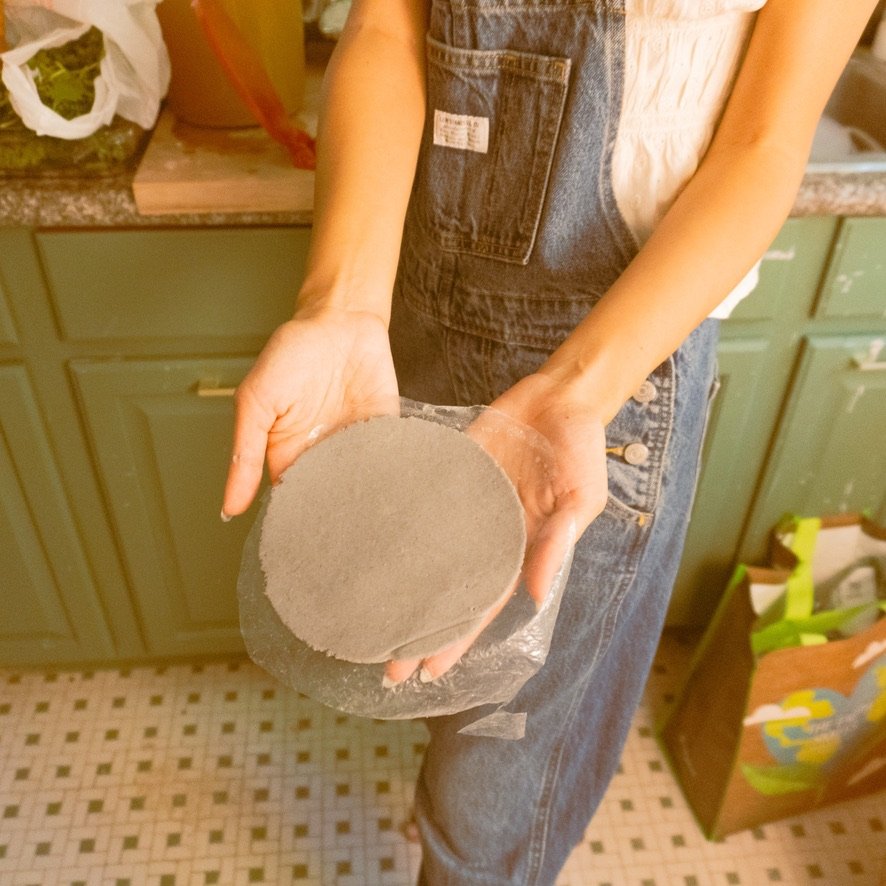
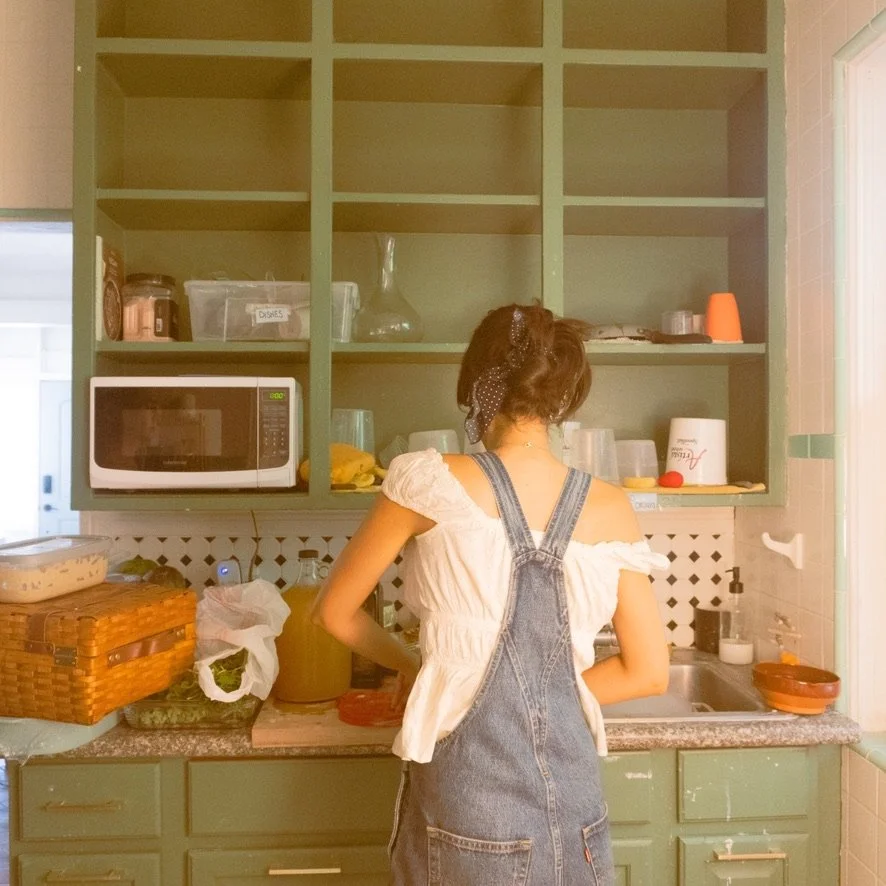
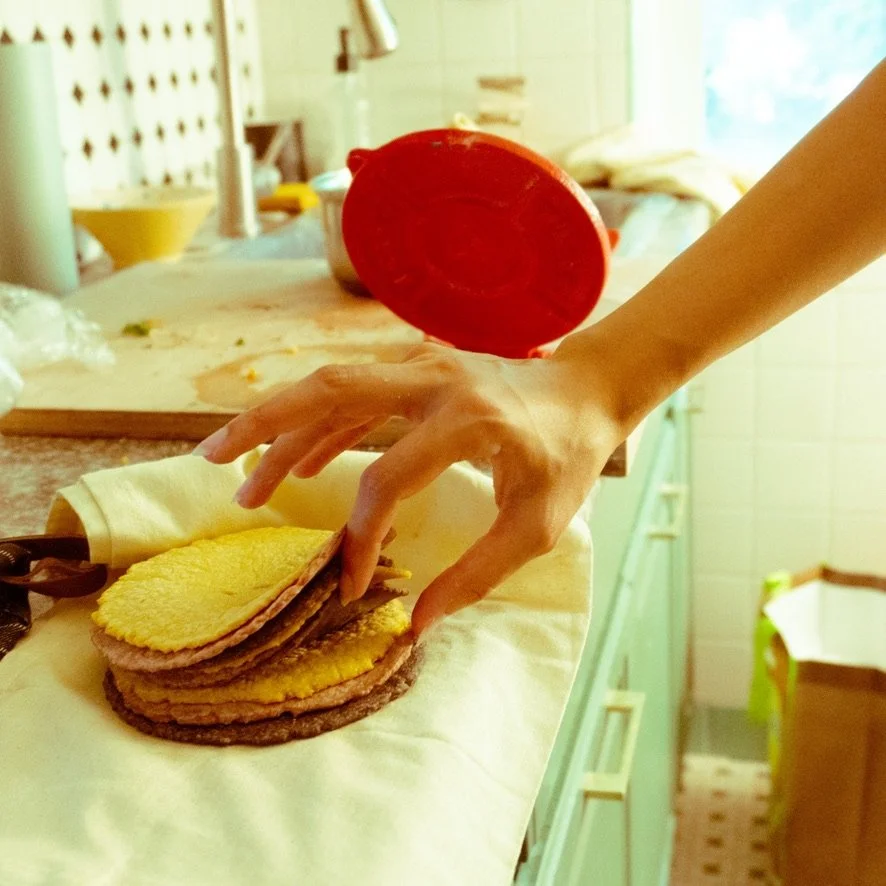
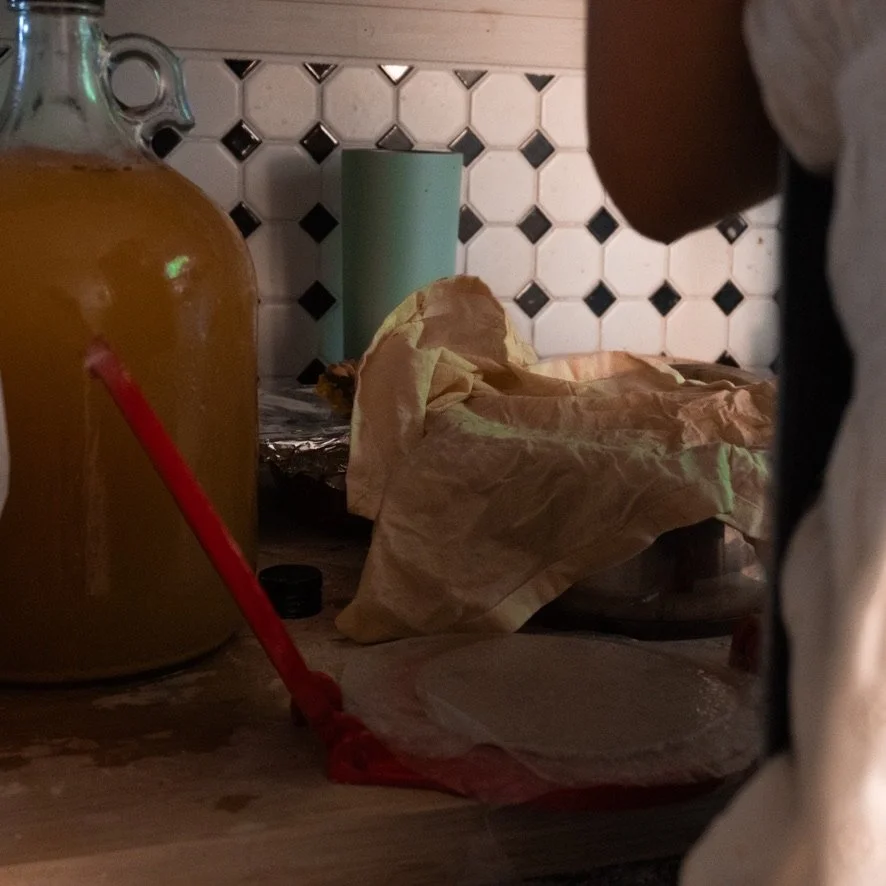
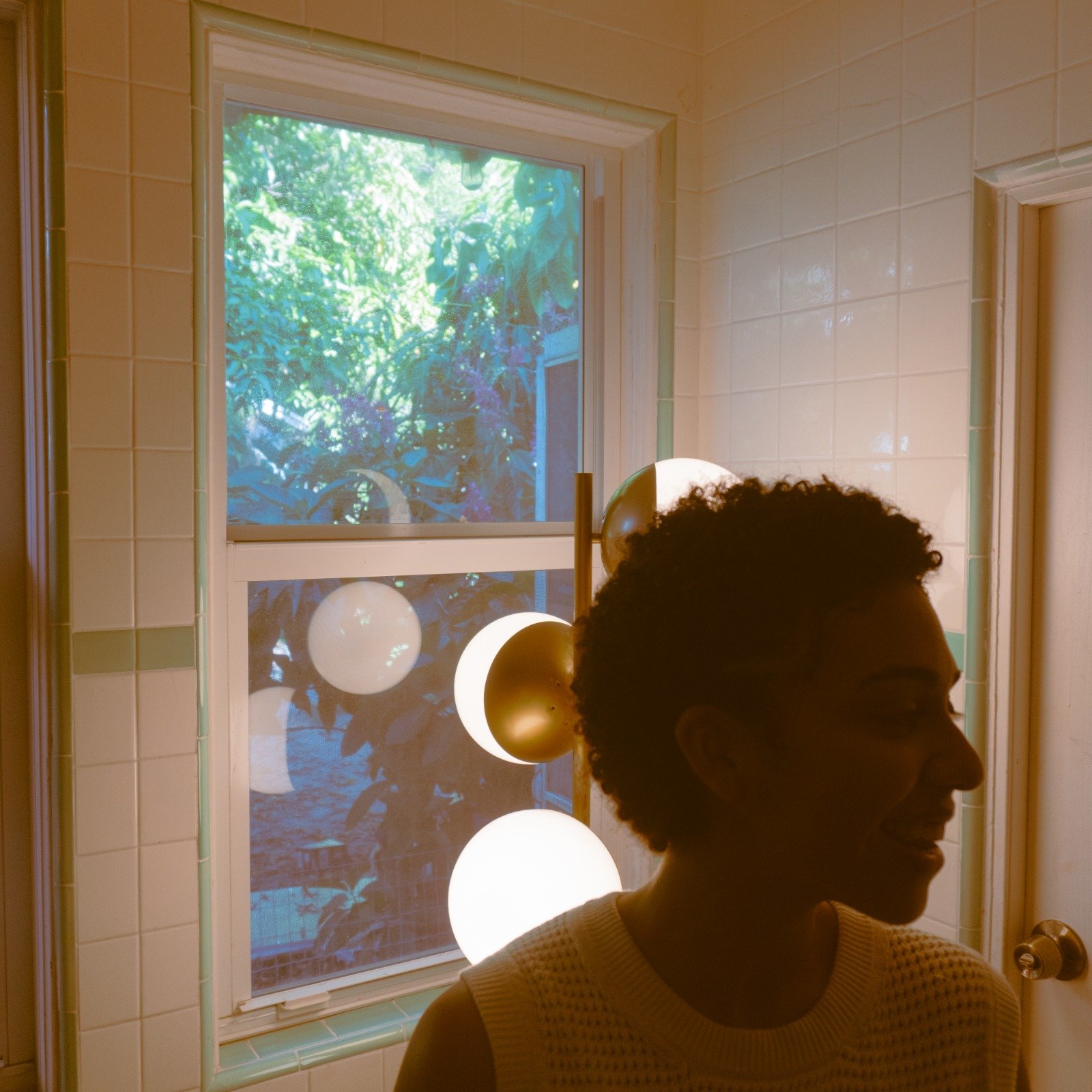
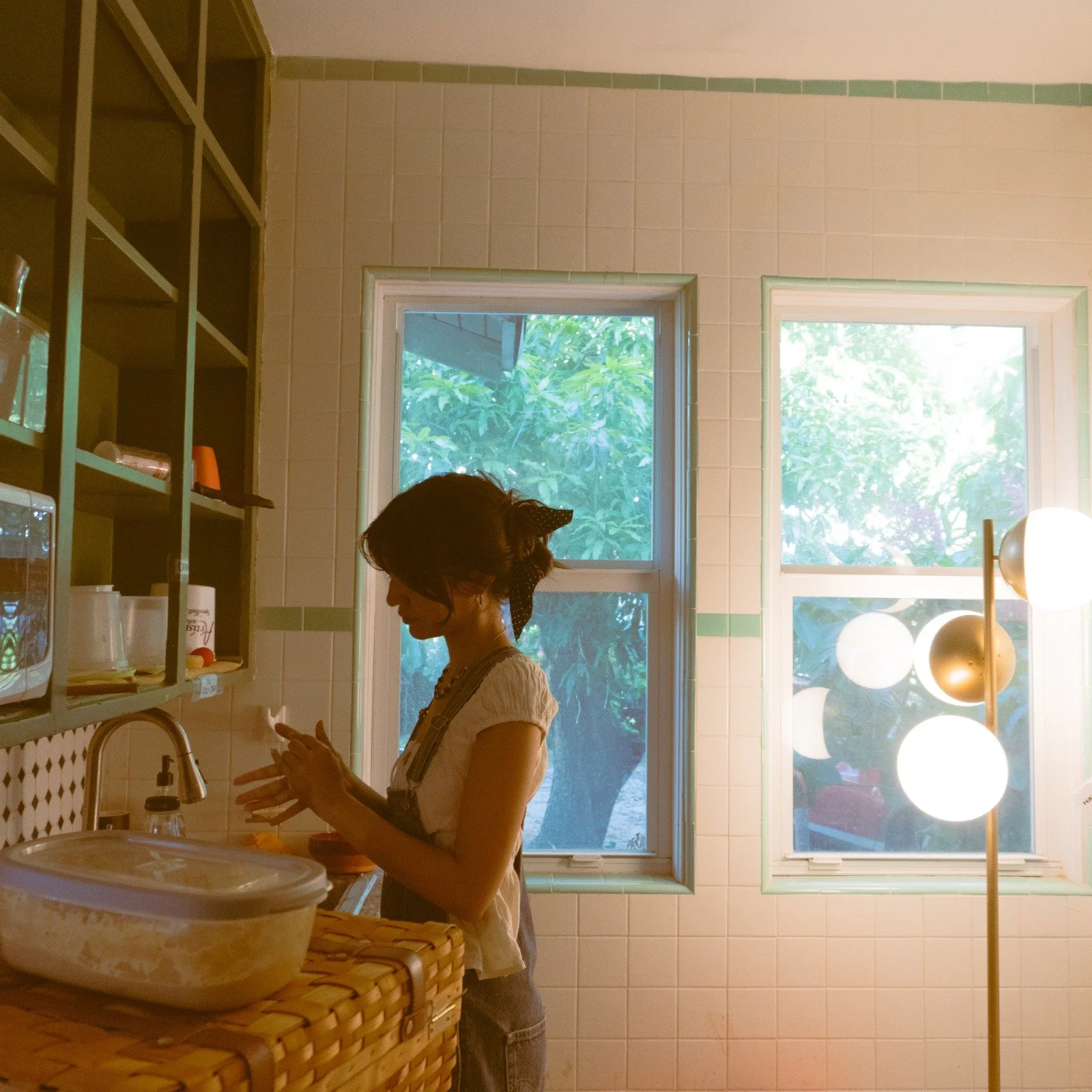
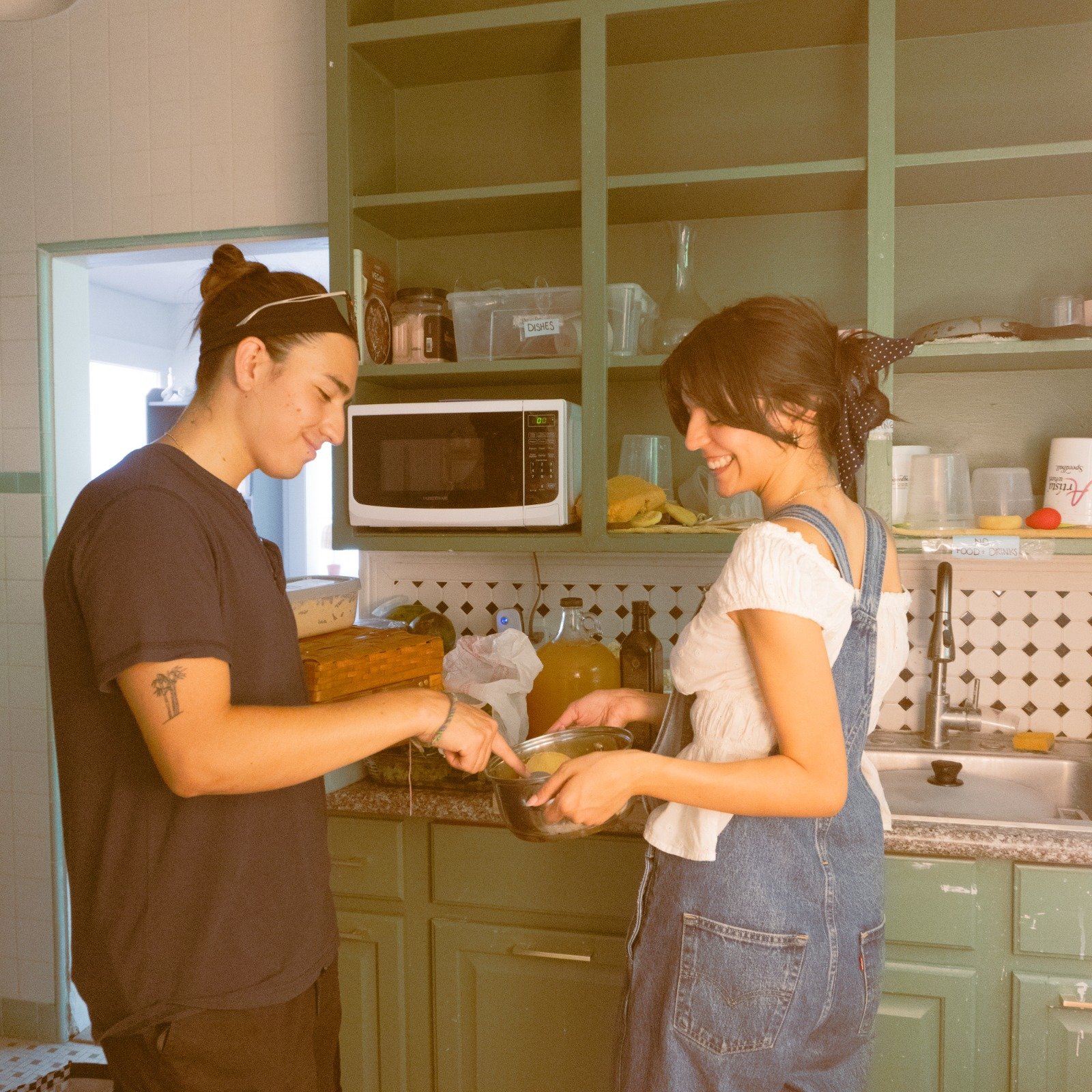
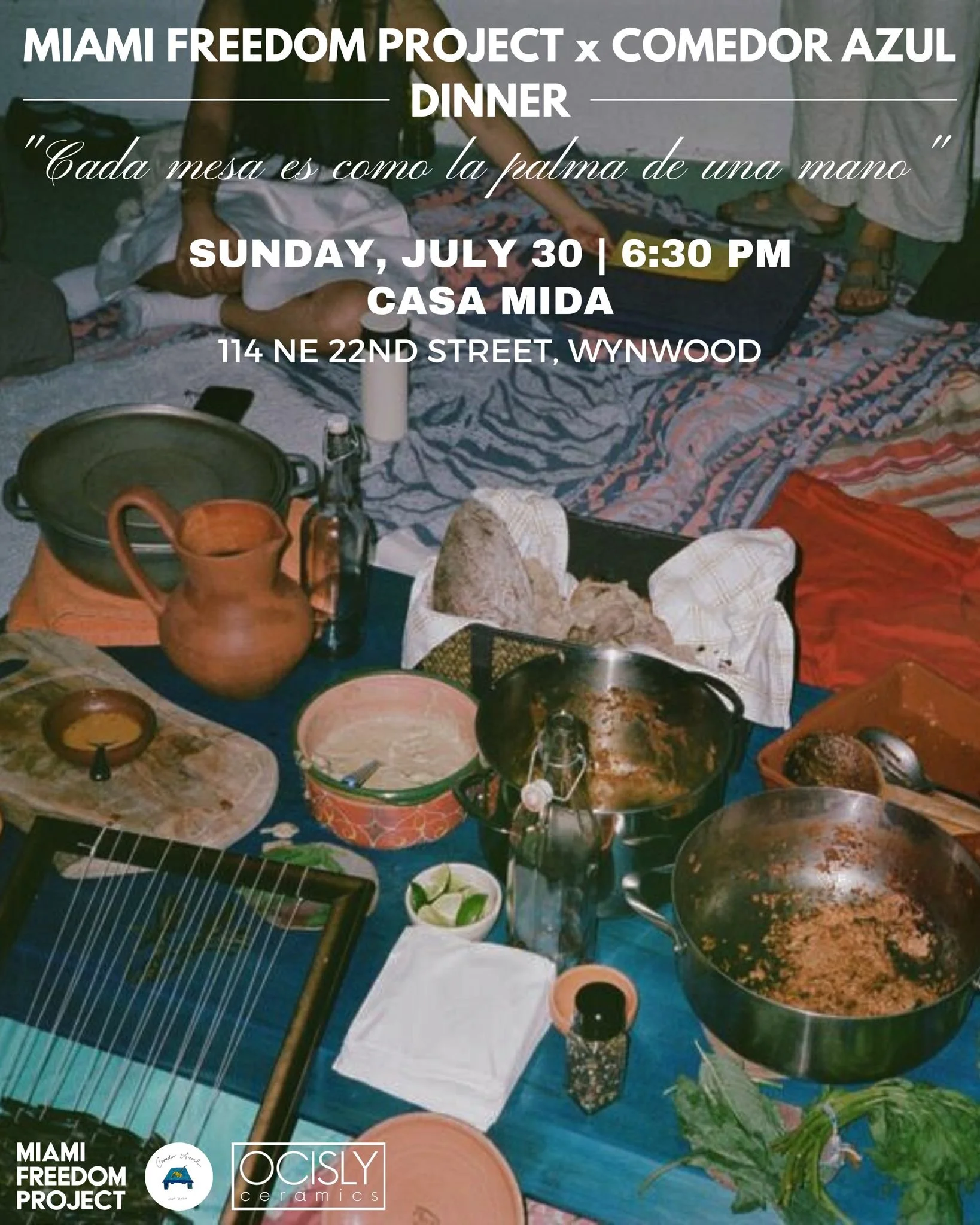
[Miami Freedom Project]
Miami Freedom Project is a political home for progressive Miami. They work to create an enduring, community-driven power base in Florida by identifying the next generation of intellectual, cultural and spiritual leaders willing to change the narrative of what it means to be progressive in Miami.
“We believe that bringing diverse perspectives to bear on important issues can bring about a new understanding and build relationships that foster new insight into the challenges facing our communities.
Miami Freedom Project is committed to developing an issue-based relational organizing model and allowing that to inform advocacy and Get Out the Vote efforts. By doing so, we are creating an enduring, community-driven power base in South Florida ready to speak up, identify new candidates, knock on doors, and support each other’s initiatives for positive change.”
IG @miamifreedomproject
[Of Course I Still Love You Studio]
OCISLY is a ceramics studio, third space and dream space in Miami, FL.
www.ocislyceramics.com
IG @ocisly_ceramics
IG @elstudio.miami
SUMMER SCHOOL | HOMEWORK GALLERY X COMEDOR AZUL X HOT BOX CINEMA | MIAMI, FL | JULY 2023
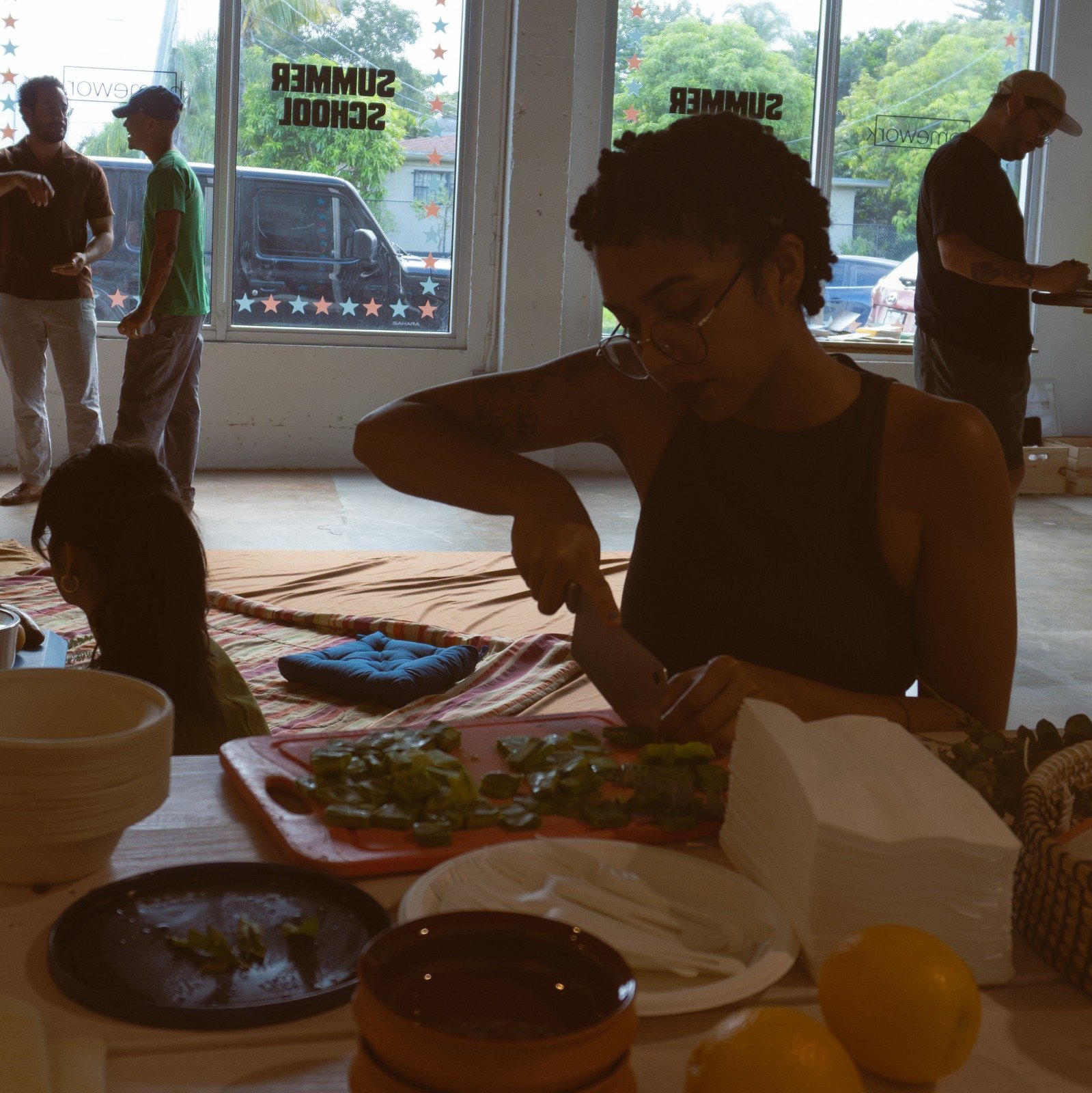
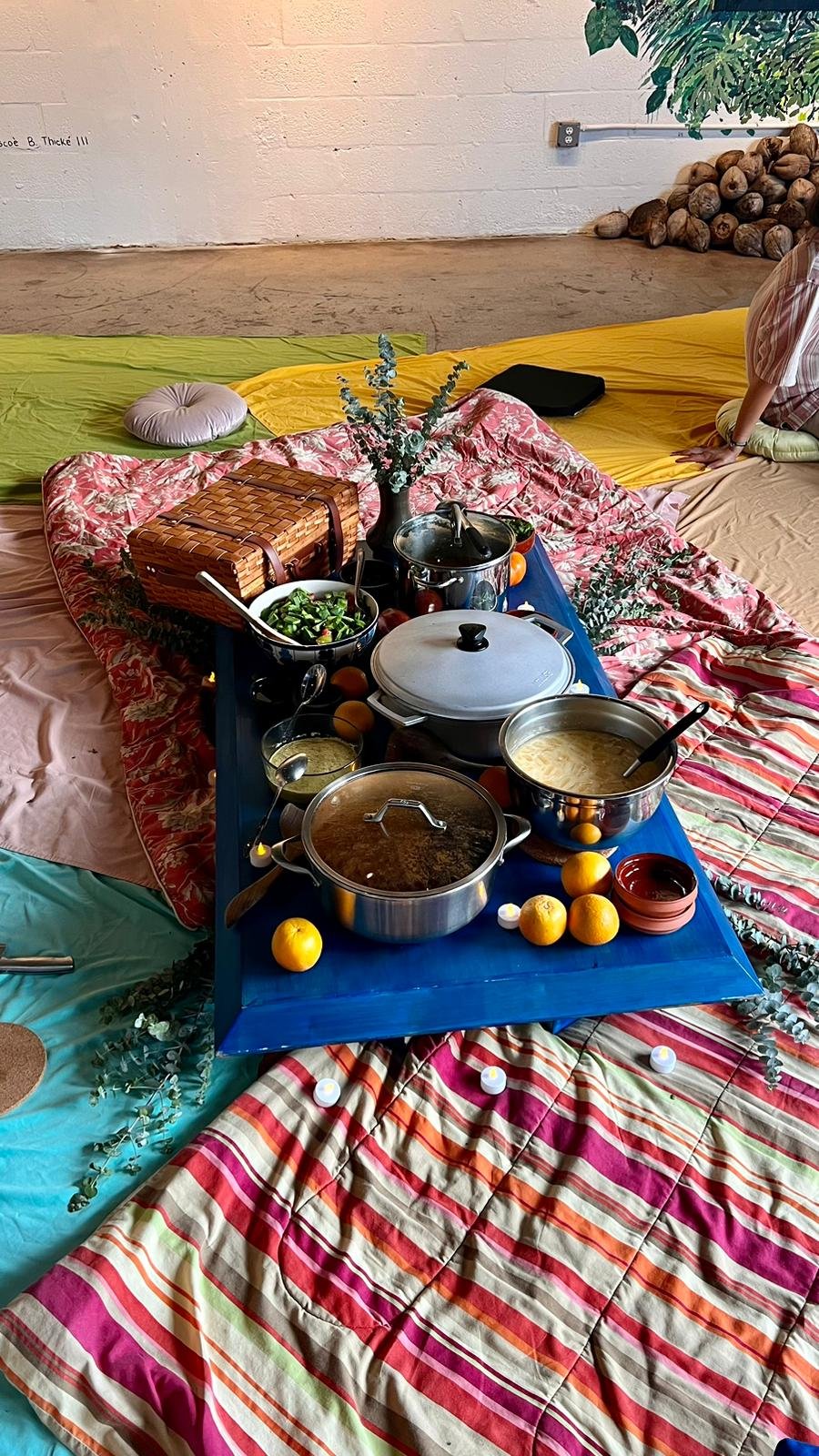
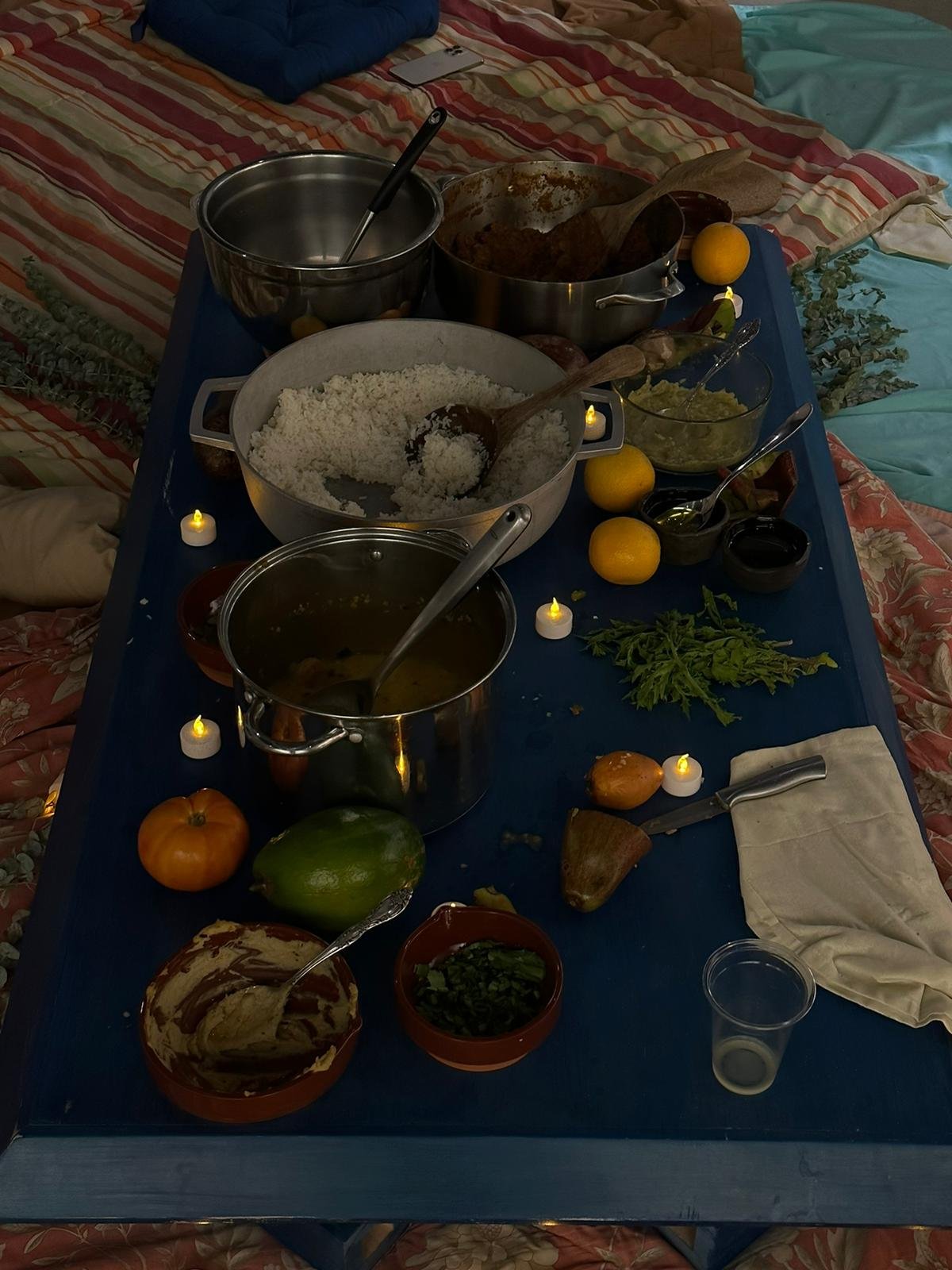
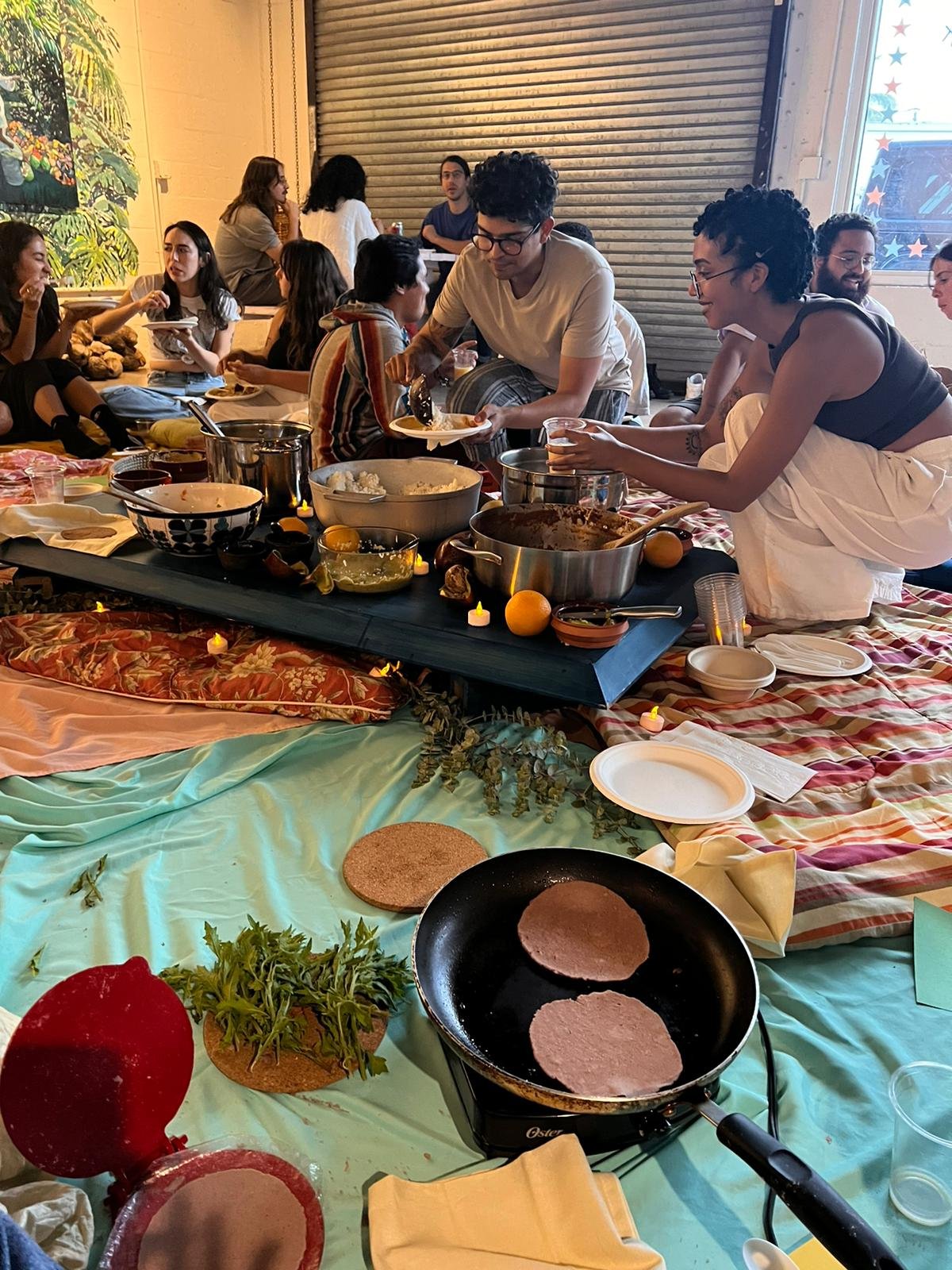
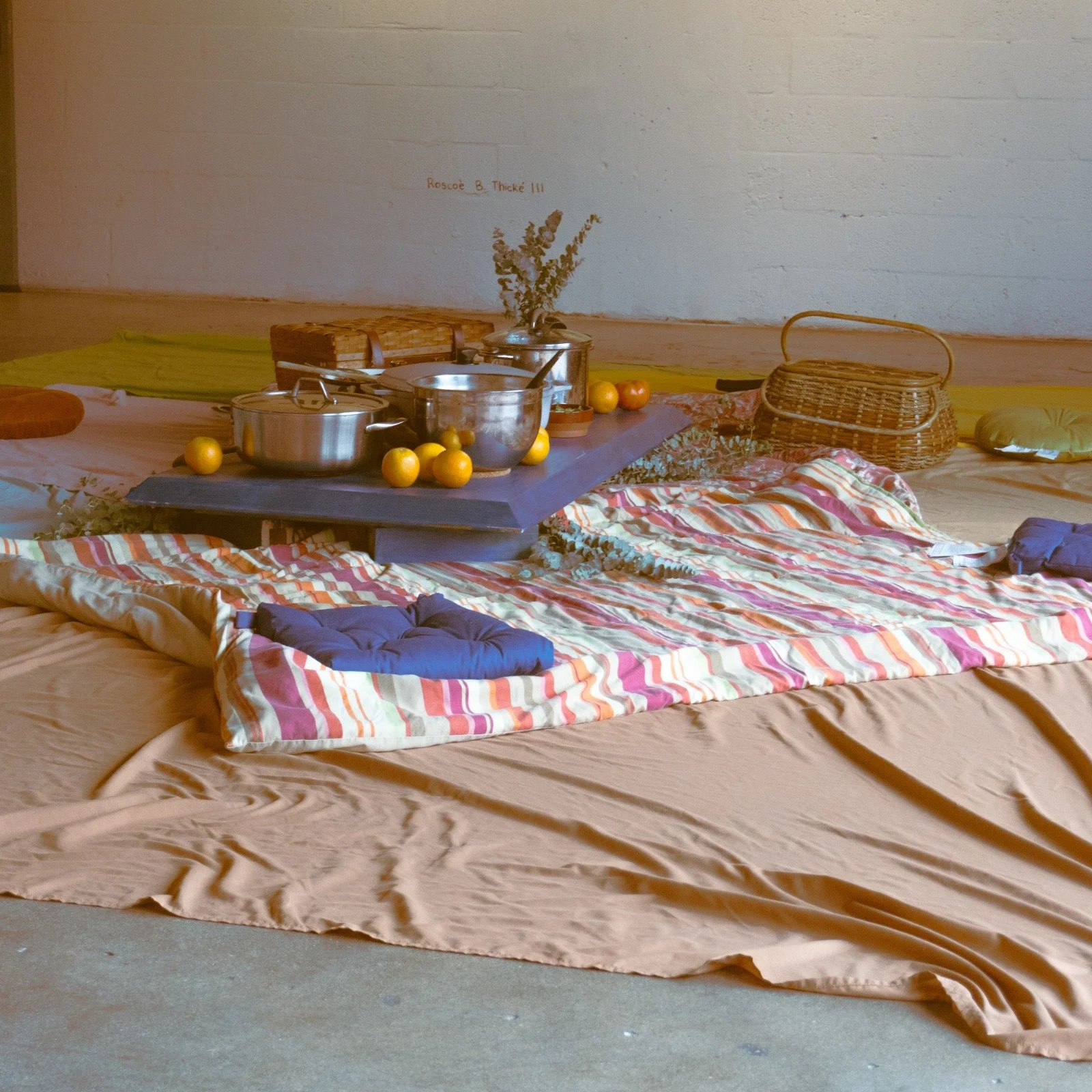
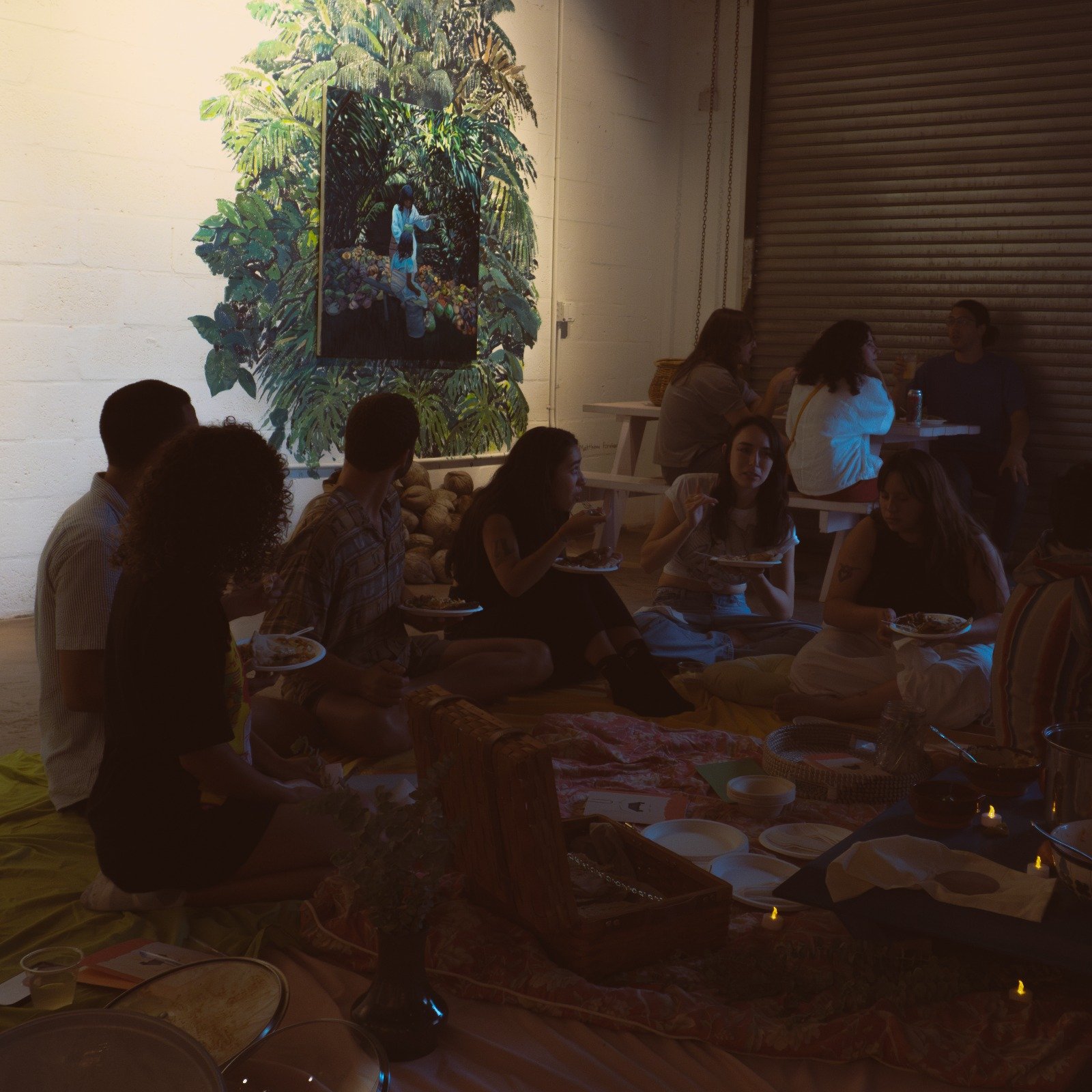
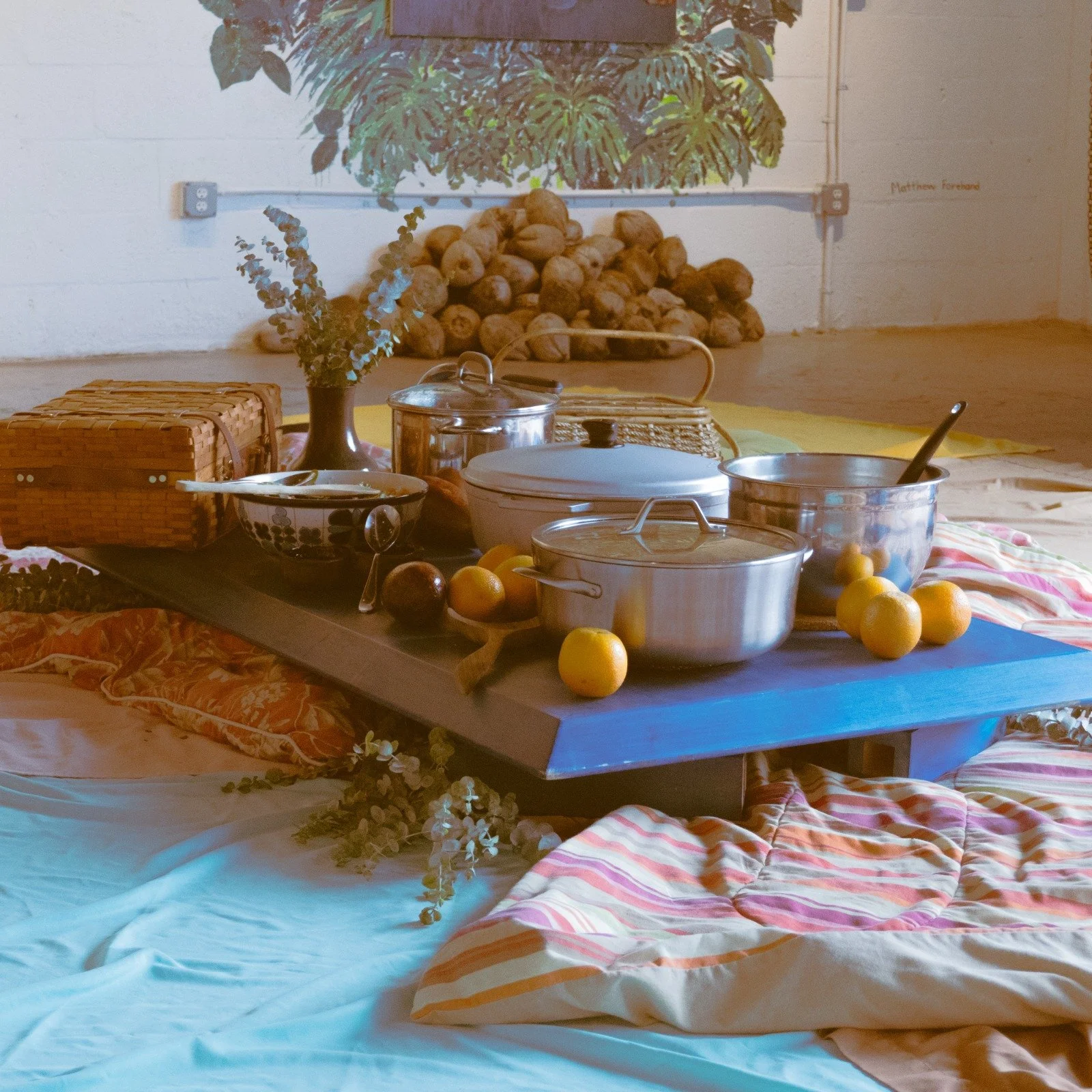
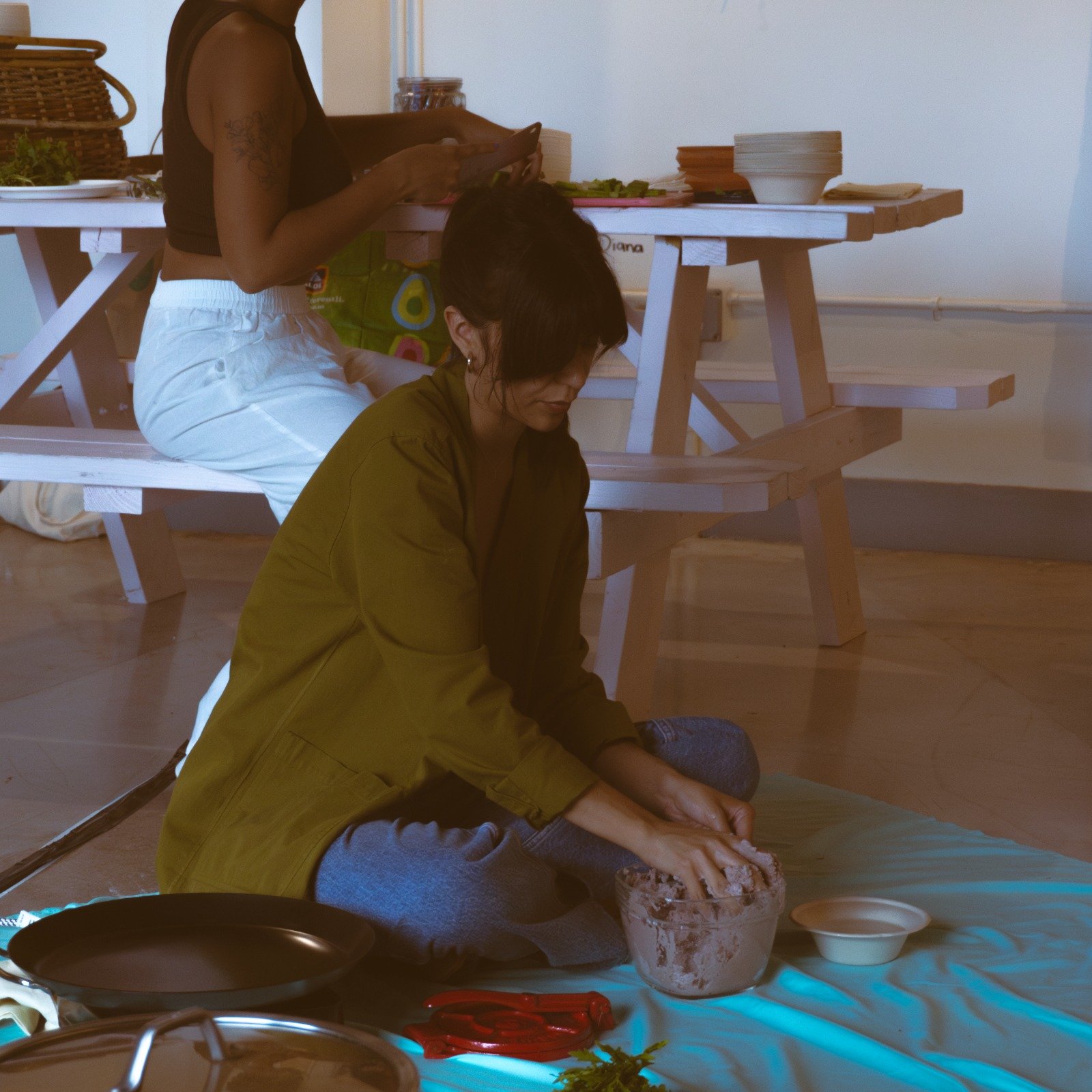
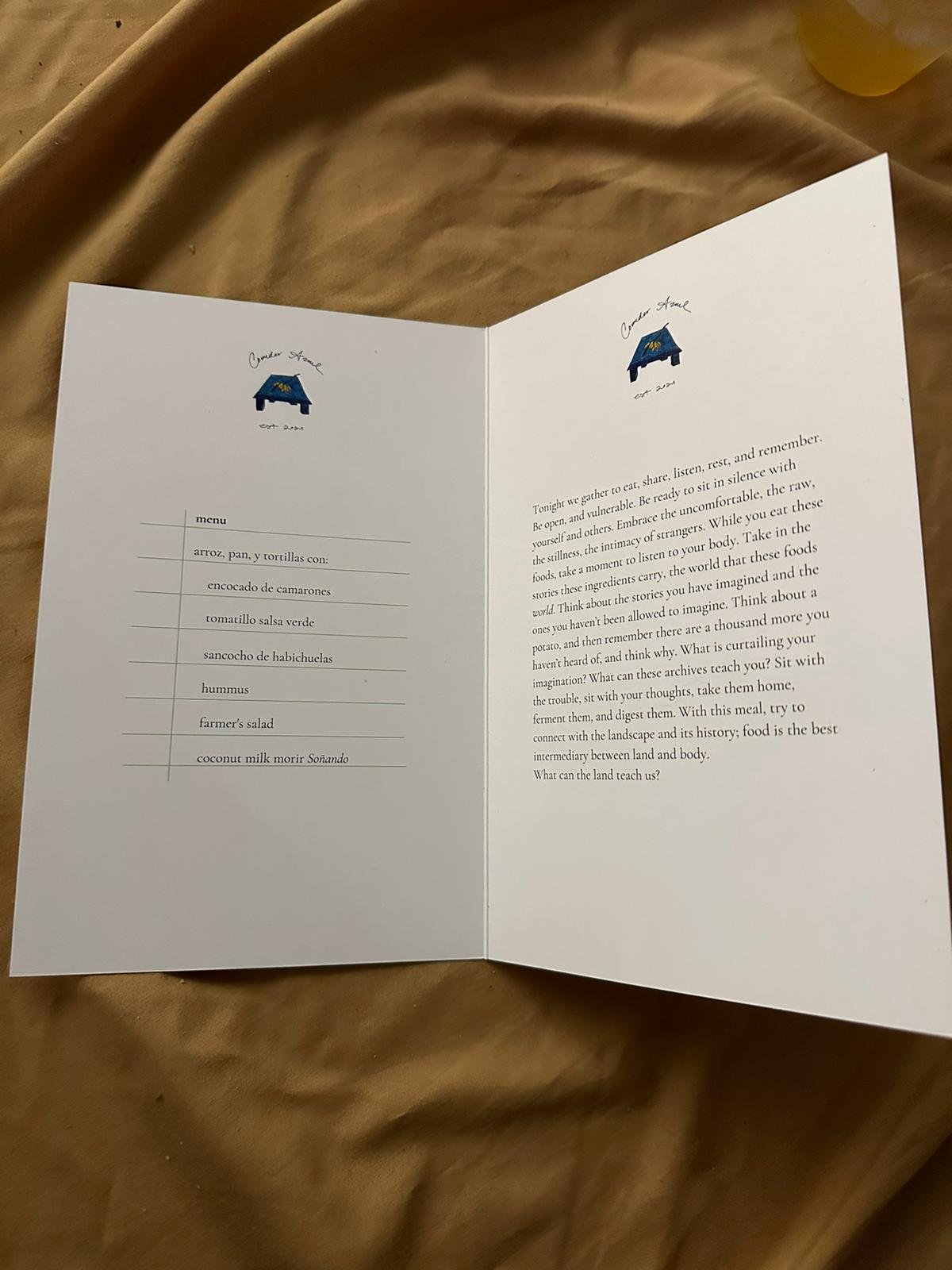
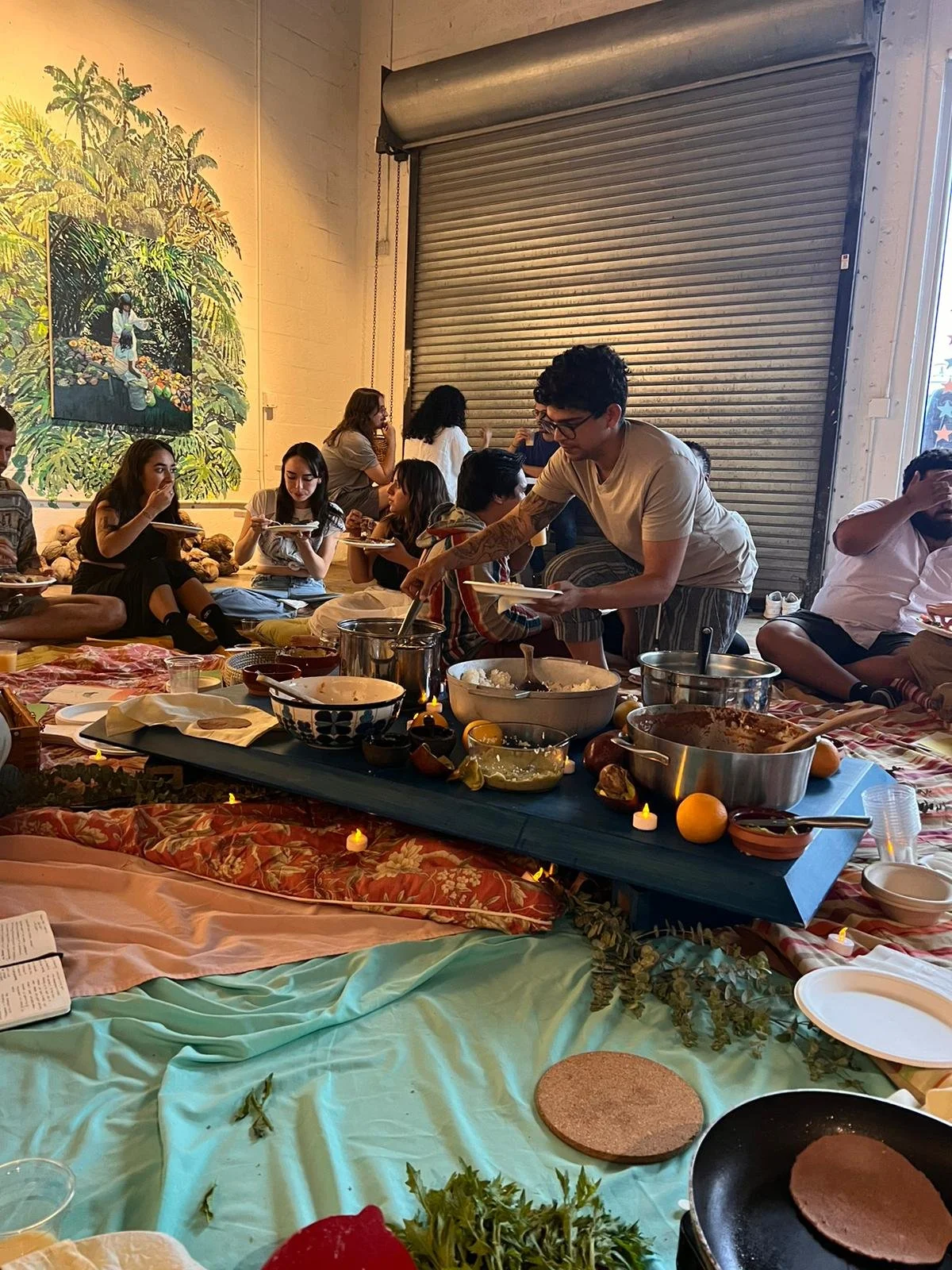
Tonight we gather to eat, share, listen, rest, and remember. Be open, and vulnerable. Be ready to sit in silence with yourself and others. Embrace the uncomfortable, the raw, the stillness, the intimacy of strangers. While you eat these foods, take a moment to listen to your body. Take in the stories these ingredients carry, the world that these foods world. Think about the stories you have imagined and the ones you haven’t been allowed to imagine. Think about a potato, and then remember there are a thousand more you haven’t heard of, and think why. What is curtailing your imagination? What can these archives teach you? Sit with the trouble, sit with your thoughts, take them home, ferment them, and digest them. With this meal, try to connect with the landscape and its history; food is the best intermediary between land and body.
What can the land teach us?
[Summer School Exhibition Text]
“Solstice ain't as far as it used to be……It begins to blur, we get older……… Summer's not as long as it used to be….. Everyday counts like crazy.” — Frank Ocean, Skyline To
The first installment of the gallery’s active Summer Programming, "Summer School" dives into the philosophical concepts of rest, renewal and reflection through the lens of contemporary art. The exhibition seeks to challenge the prevailing belief that success is solely achieved through relentless work, encouraging a reevaluation of our perception of rest, leading to deep contemplation and introspection, as essential components of a fulfilling life.
The participating artists, all emerging talents from the local community and its surrounding areas, bring their unique perspectives and creative voices to the exhibition. Their works offer a rich tapestry of interpretations, sparking engaging conversations about the complexities of modern existence and the role of leisure in our lives.
In "Summer School," we are reminded of the importance of rest as a catalyst for philosophical contemplation. Philosopher Thomas Hobbes once said, "Leisure is the mother of philosophy." In the fast-paced modern world, summer serves as a welcome respite, cutting the year in half like night does to day, offering a moment of reprieve from our daily routines. It is a time to reflect on the half-year that has passed and to contemplate our goals and aspirations for the future.
Through a carefully curated collection of artworks in various mediums, "Summer School" invites viewers to explore the intricate relationship between productivity and personal well-being. By delving into the delicate balance between action and deep self-exploration, the exhibition celebrates the transformative power of actively embracing leisure and the profound growth that arises from moments of rest and reflection.
"Summer School" ultimately offers the viewer a space for introspection and self-discovery, inviting them to reflect on their relationship with these themes.
With a dynamic program of events throughout the exhibition, visitors can look forward to live performances, panel discussions, film screenings and interactive workshops that further explore the themes presented by the artwork on display.
Ultimately, ”Summer School" serves as a reminder that rest is not antithetical to progress, but rather essential to it. (homework.gallery)
-curated by homework.
[homework]
homework is a contemporary art gallery committed to exploring new curatorial possibilities, utilizing experimental art space[s] to host thought-provoking exhibitions that interrogate and broaden conventional paradigms of artistic practice and interpretation.
Founded by Aurelio Aguiló and Mayra Mejia, homework provides a platform for a variety of artists to showcase their work and engage with a global audience. The exhibitions, carefully curated by the in-house team, aim to stimulate intellectual discourse and critical analysis. At times they are interactive and multidisciplinary in nature, often featuring a combination of works from established and emerging artists.
homework.gallery
@homeworkgallery
[Hot Box Cinema Club]
A Cinema Club that meets every other week in Downtown Miami
@hotboxcinemaclub
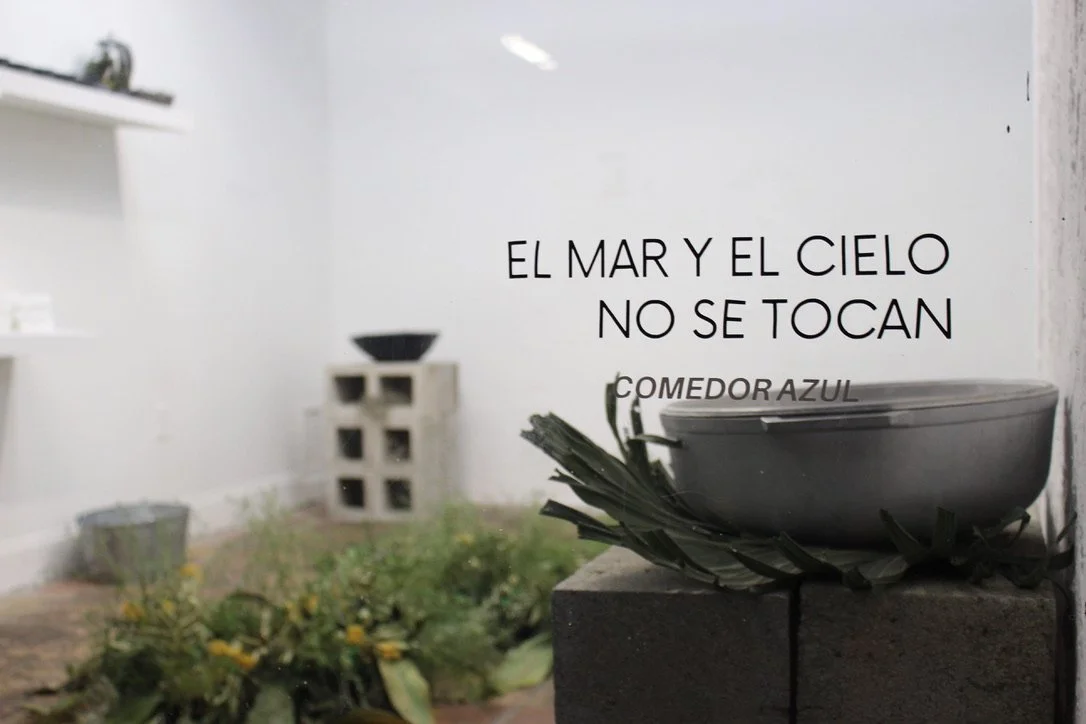
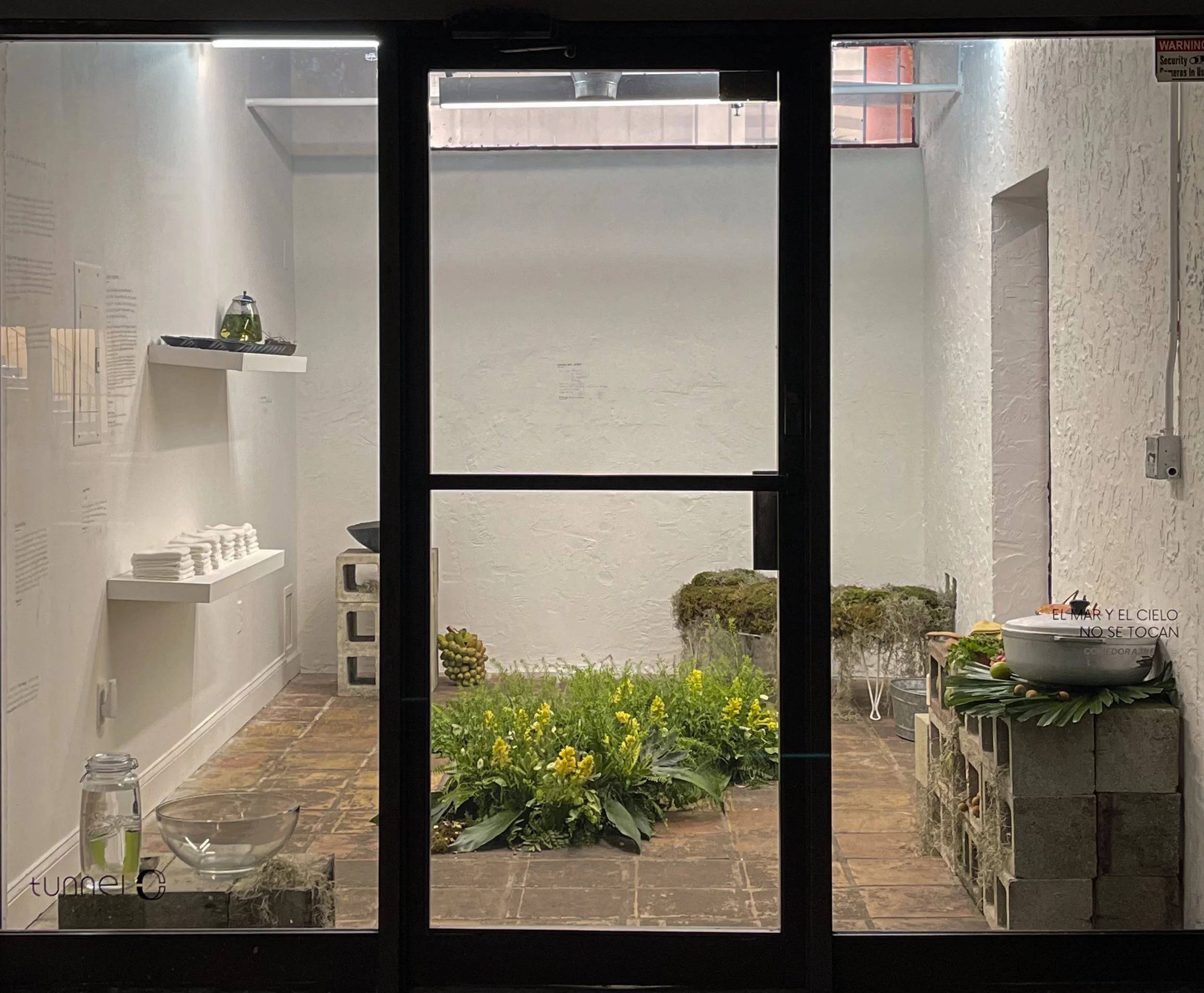
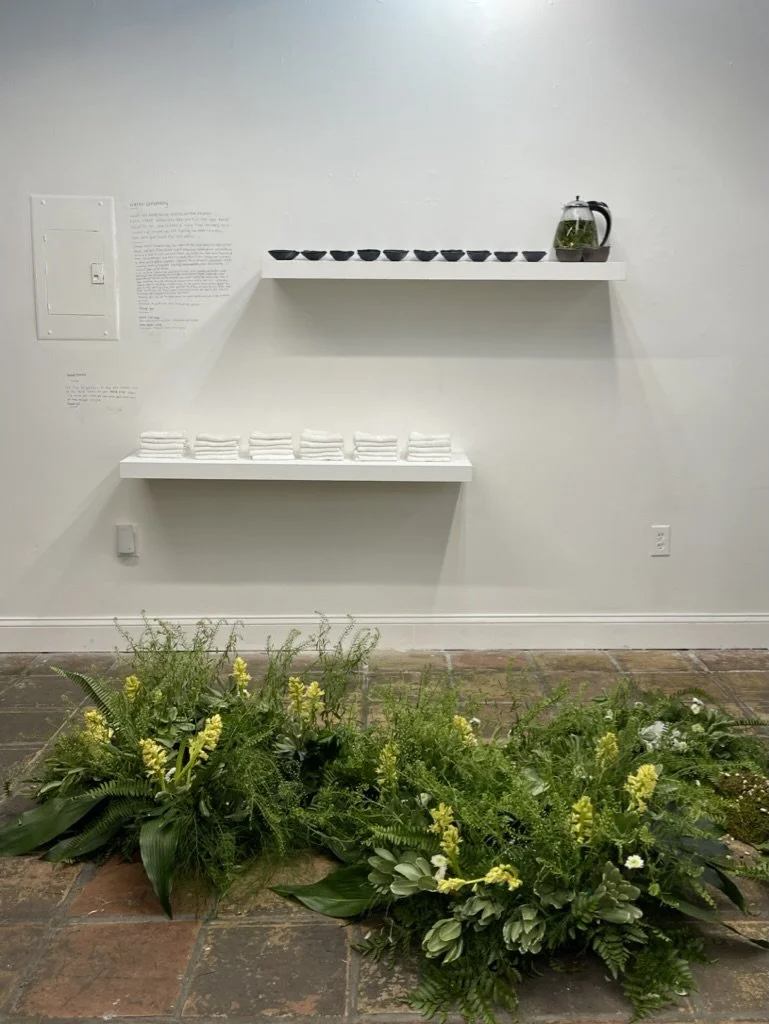
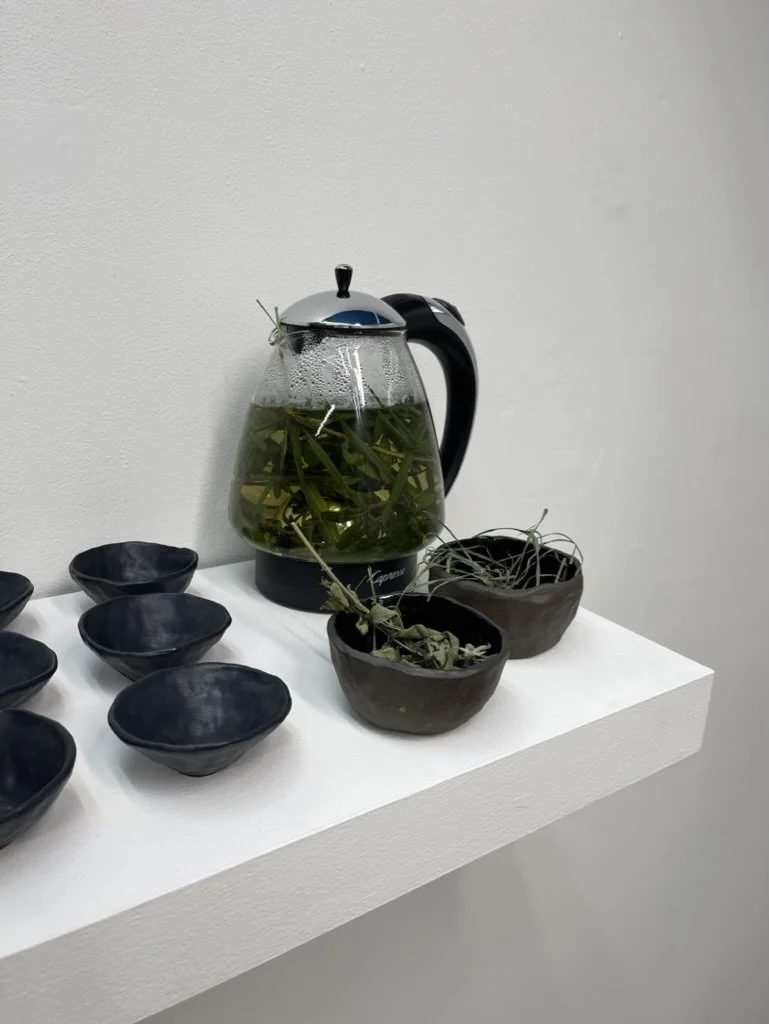
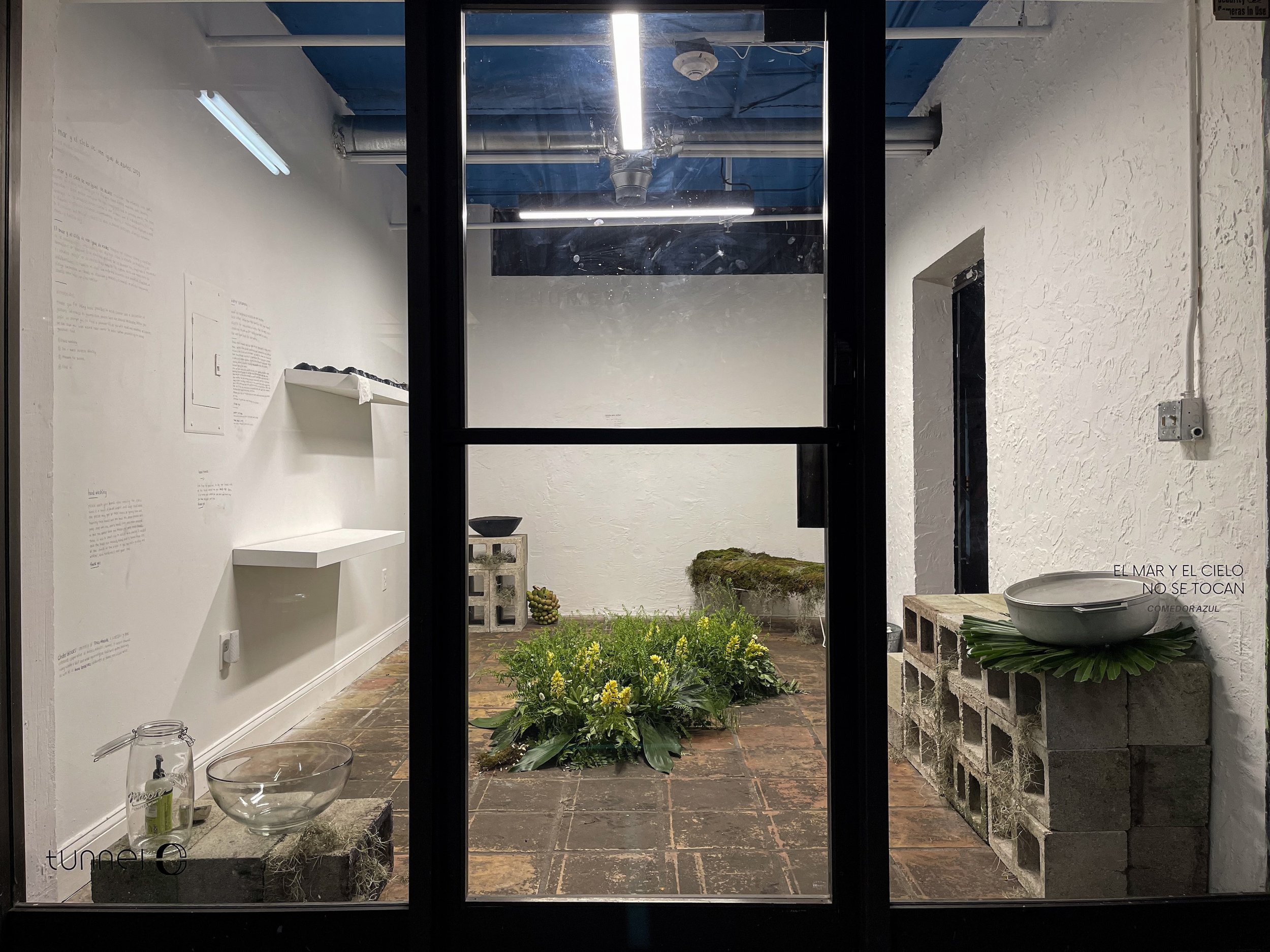
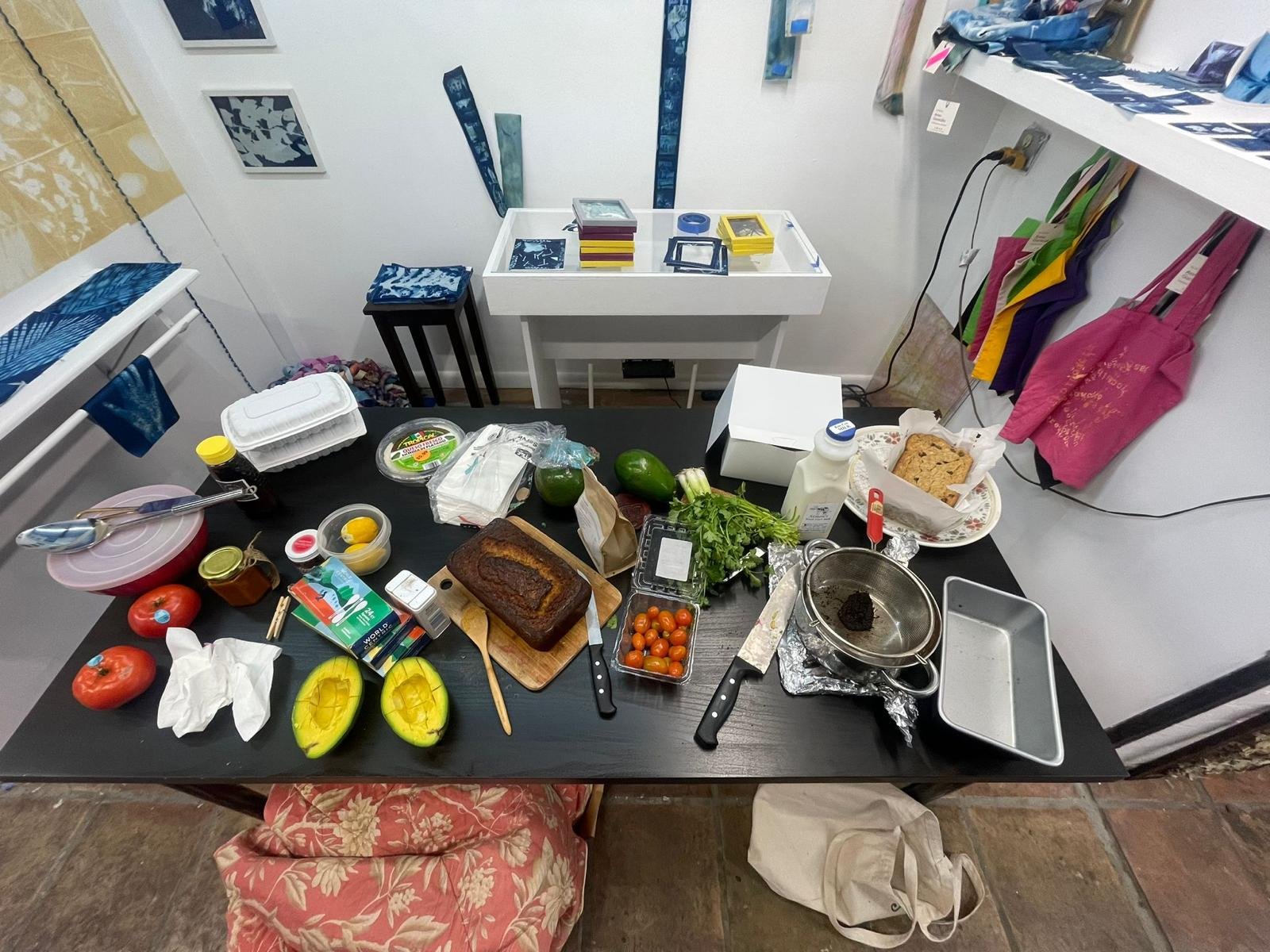
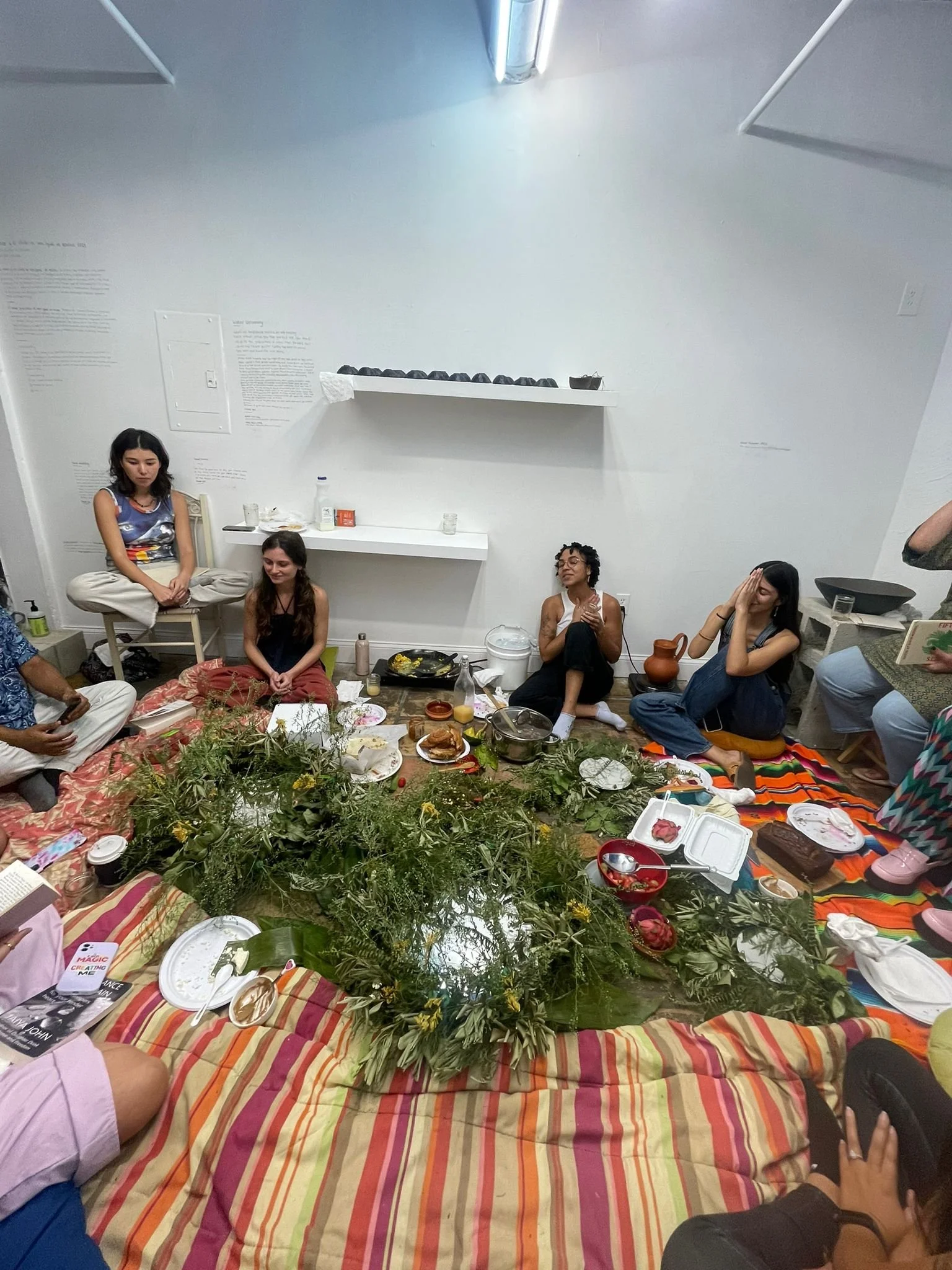
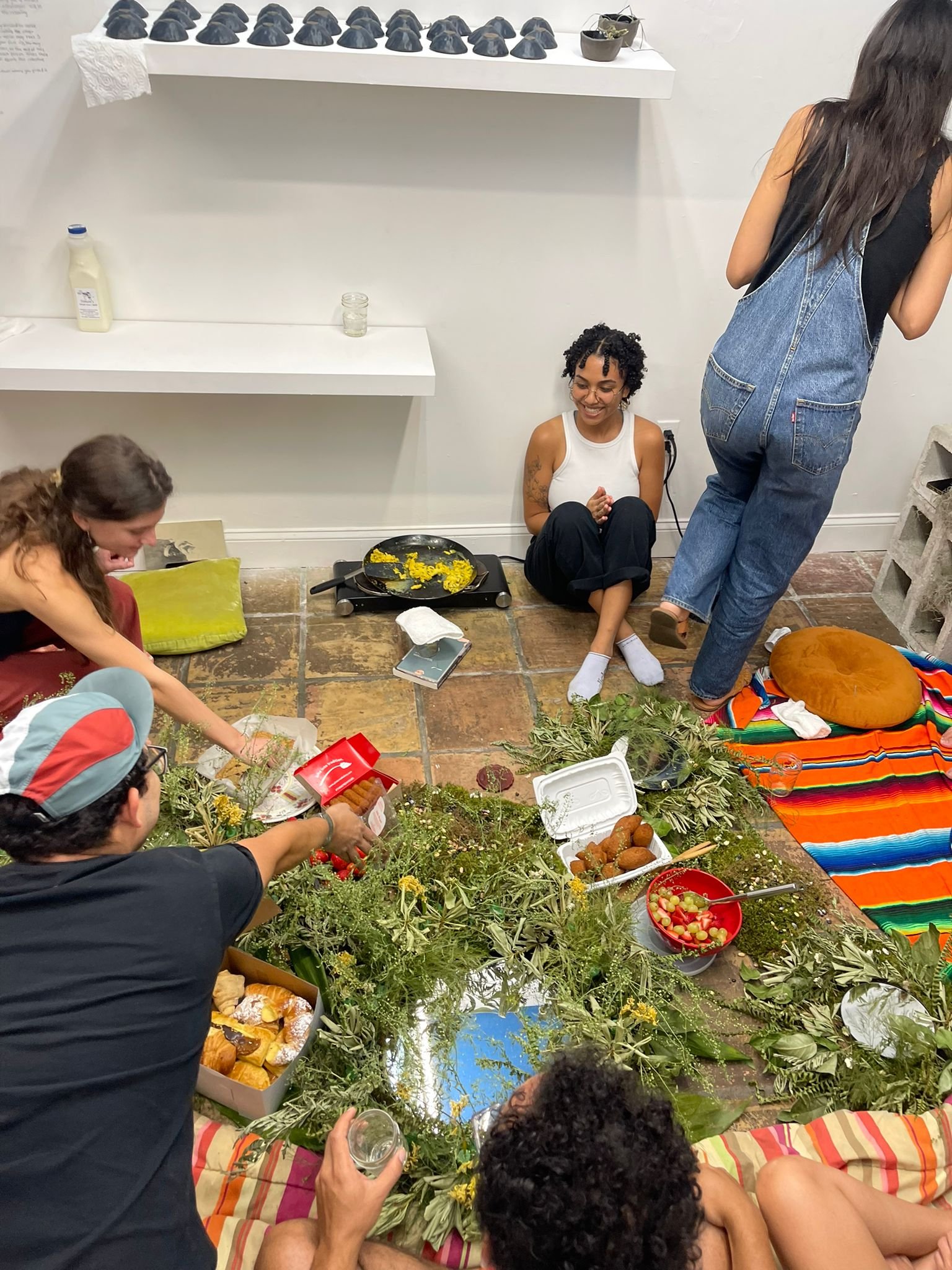
“EL MAR Y EL CIELO NO SE TOCAN” | UN ESPACIO PARA SOÑAR | TUNNEL PROJECTS, LITTLE HAVANA, MIAMI, FL | OCTOBER 2023
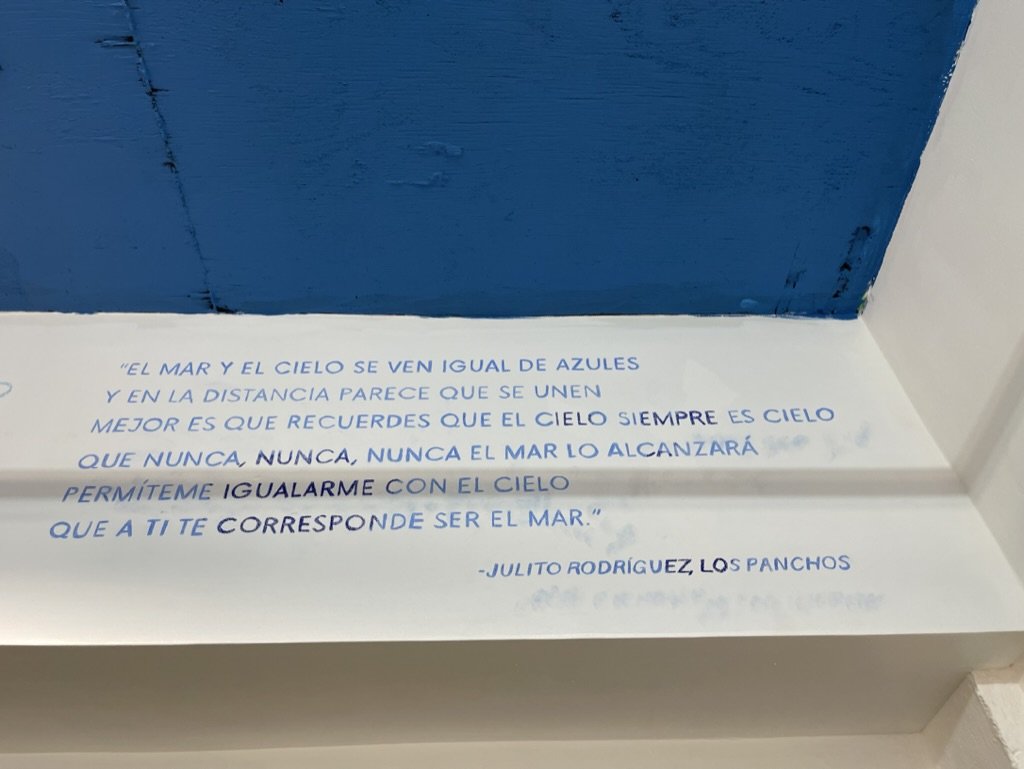
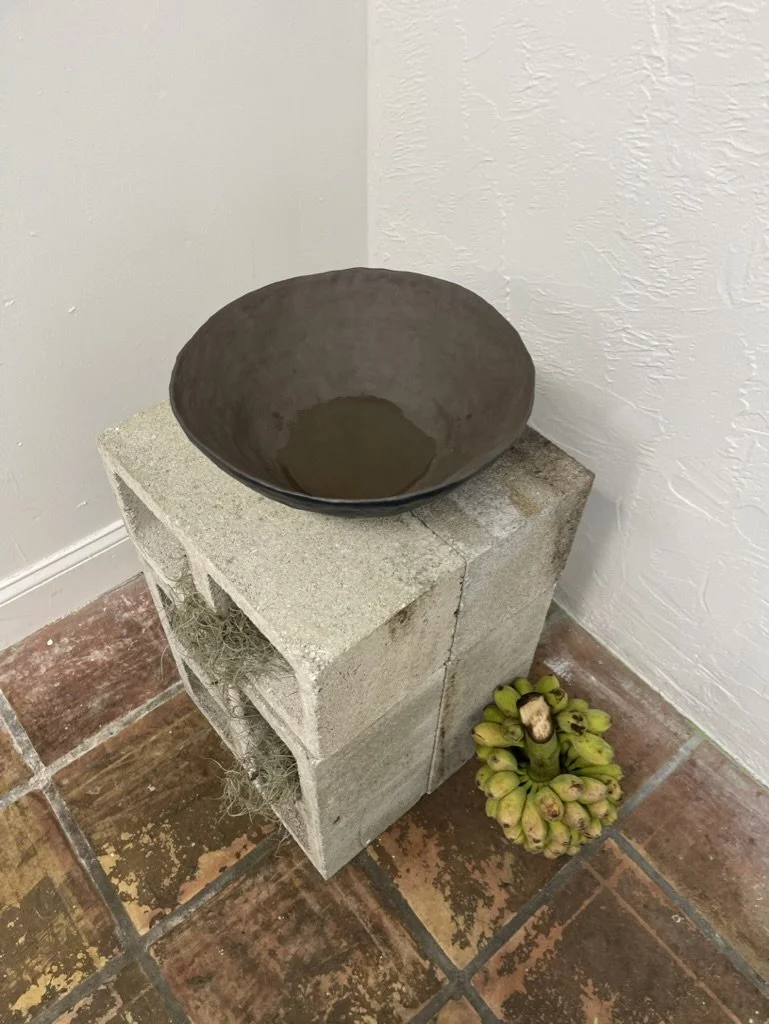
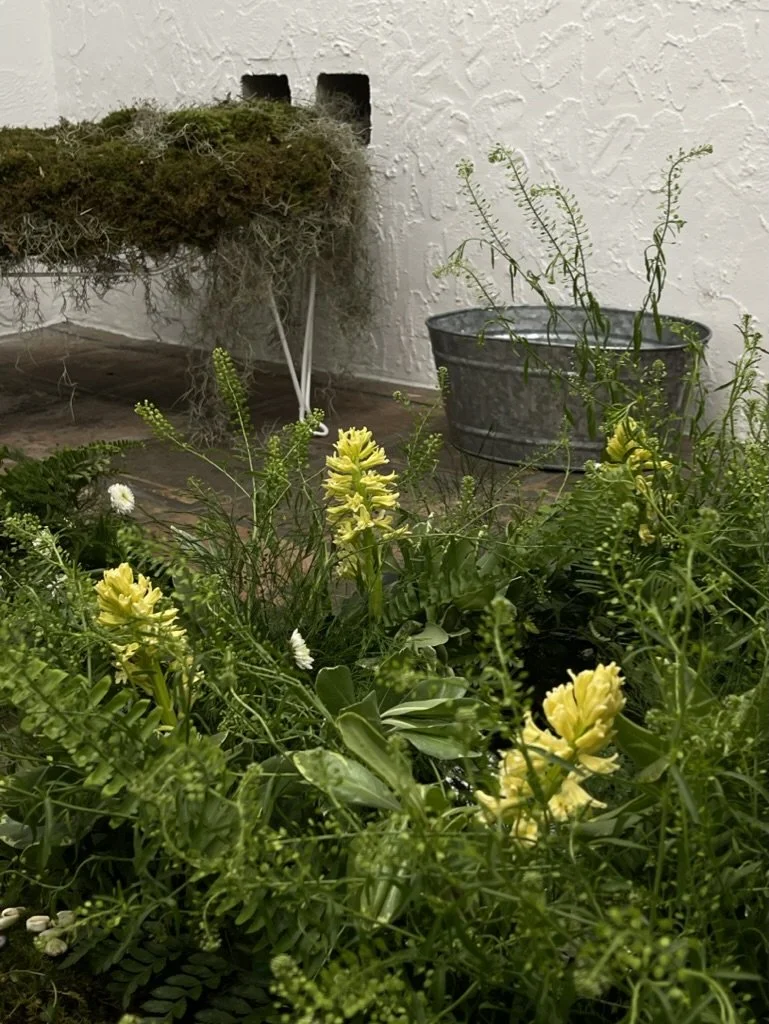
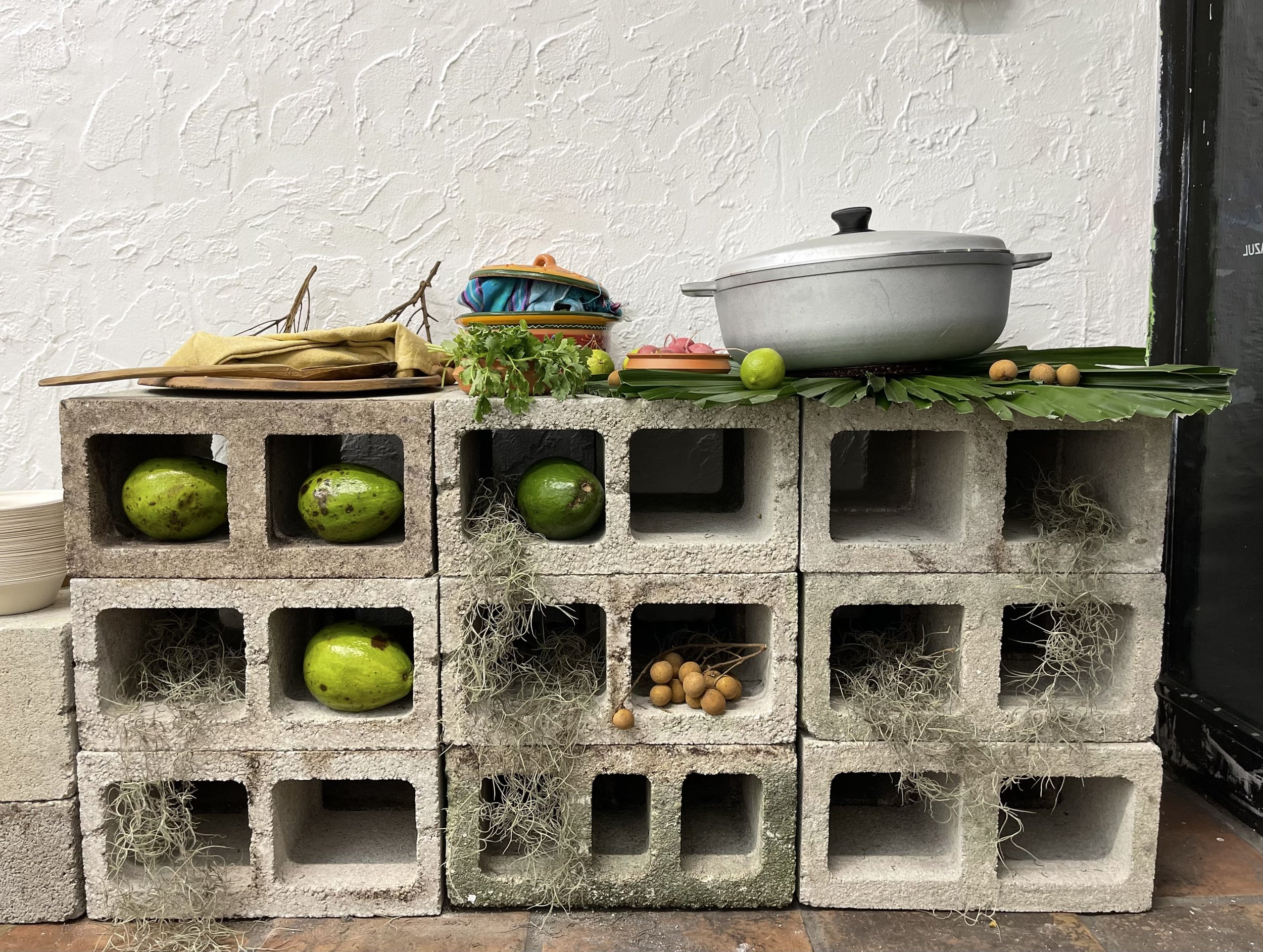
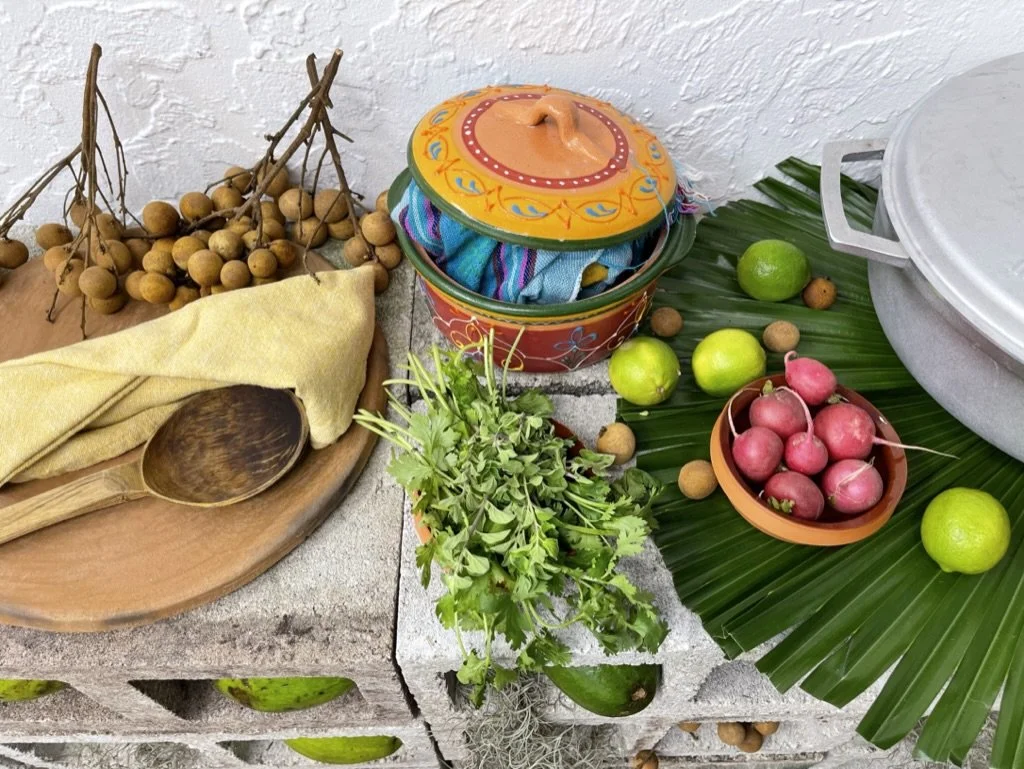
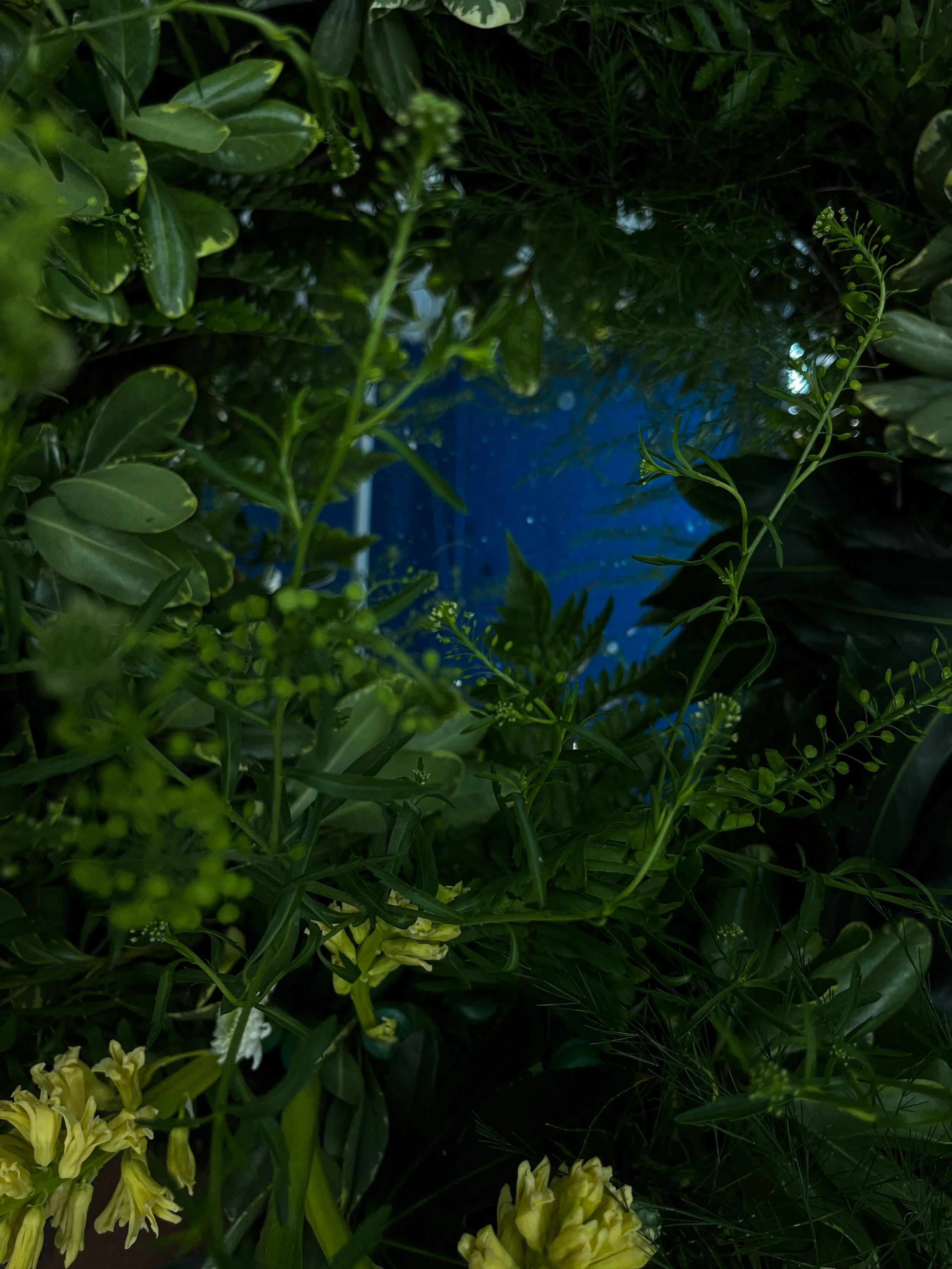
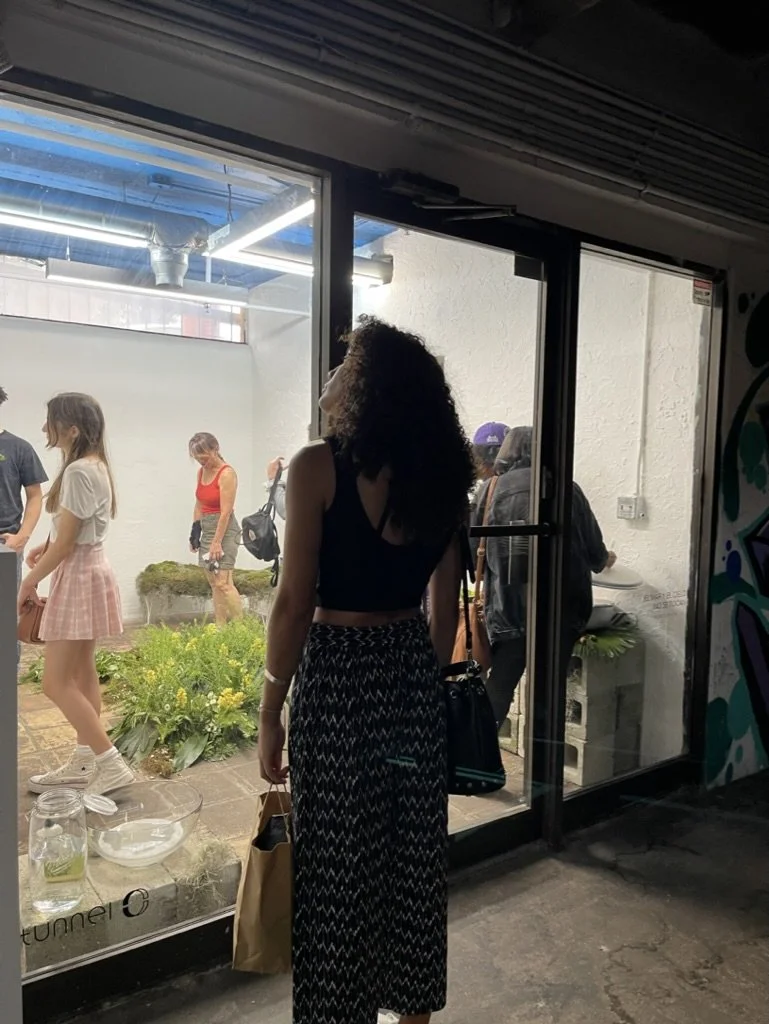
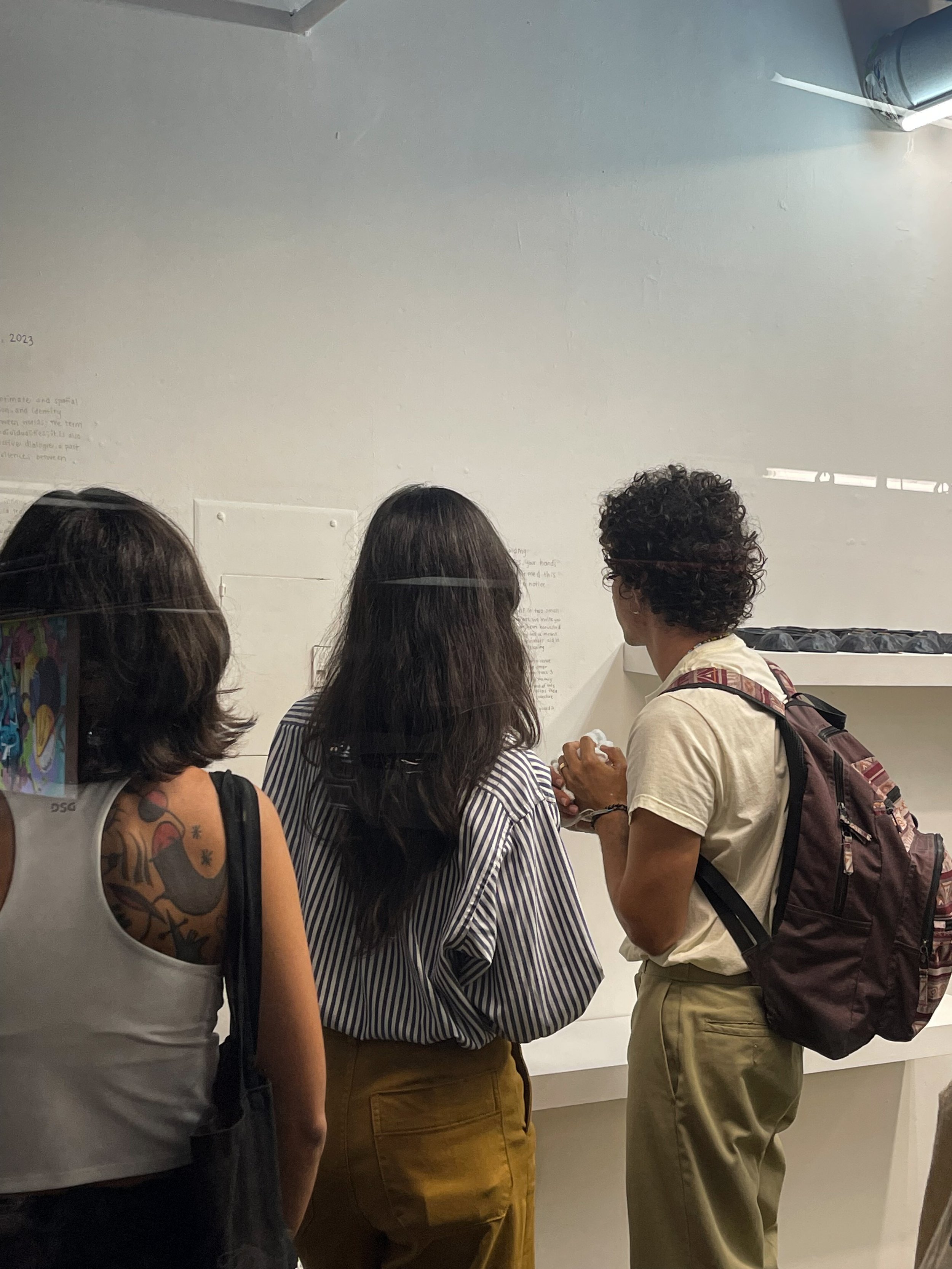
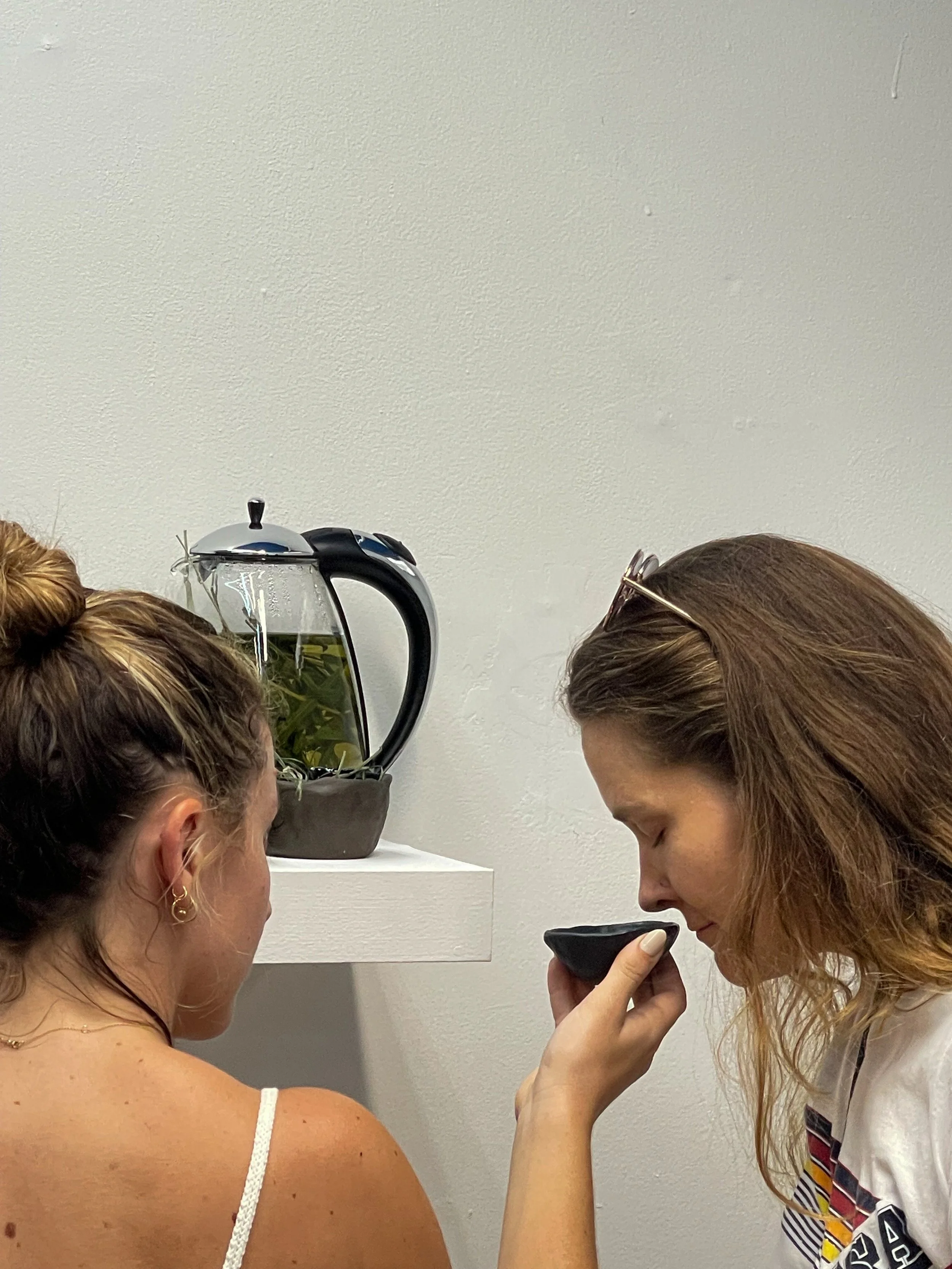
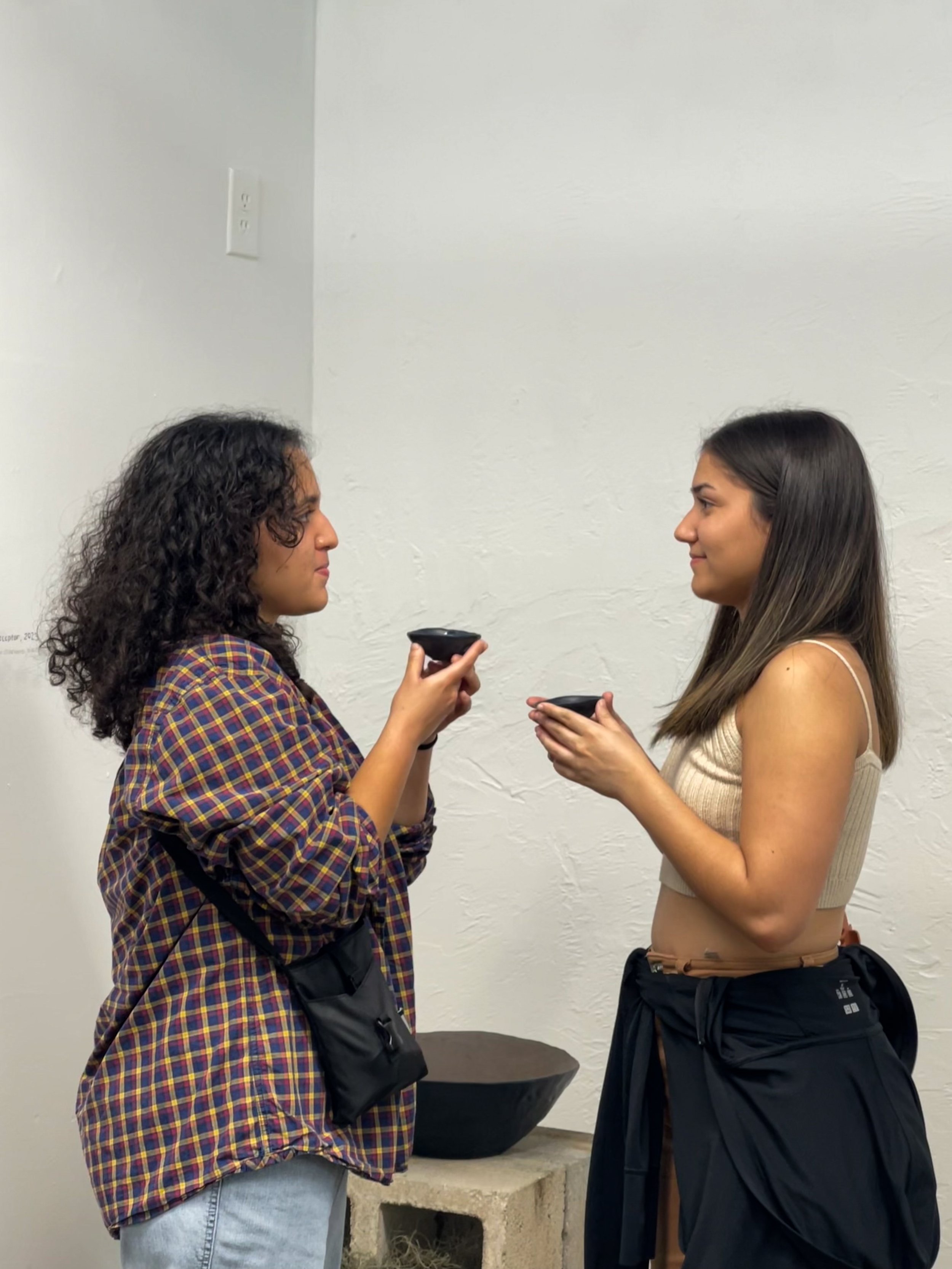
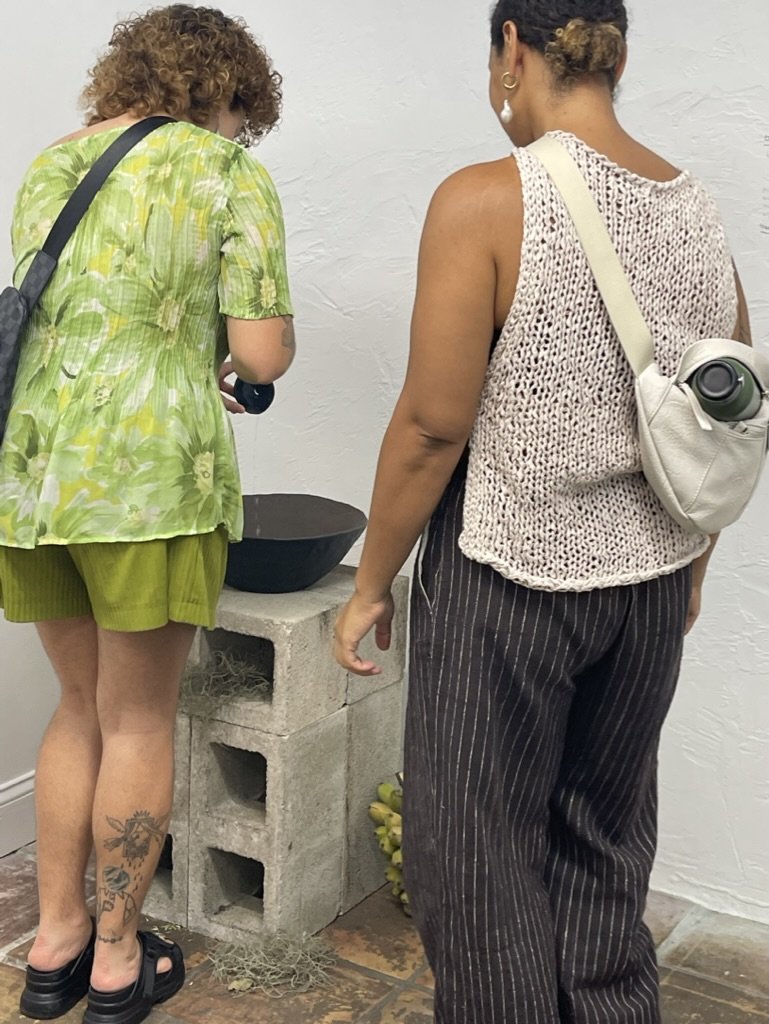
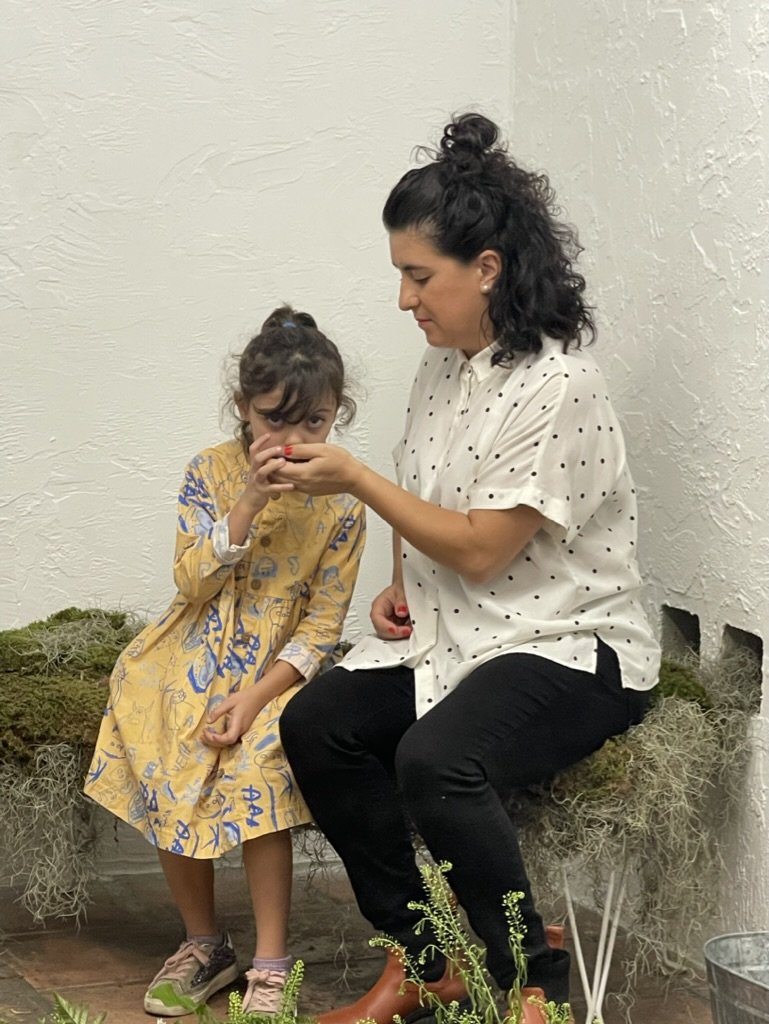
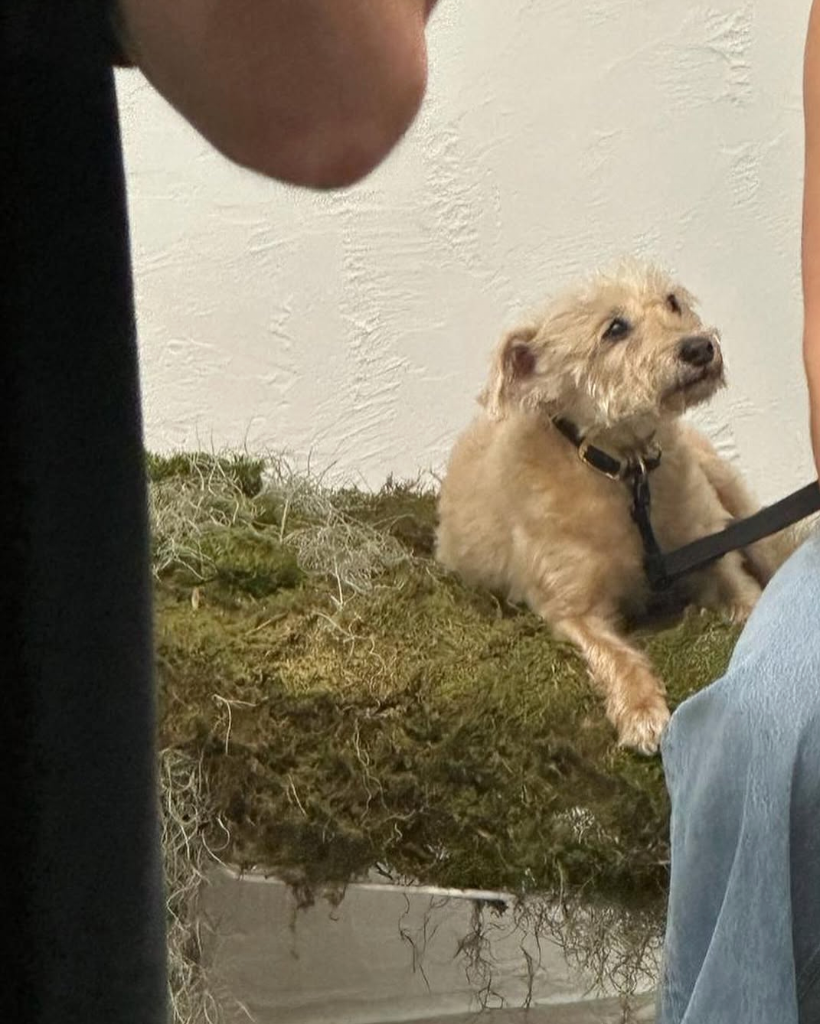
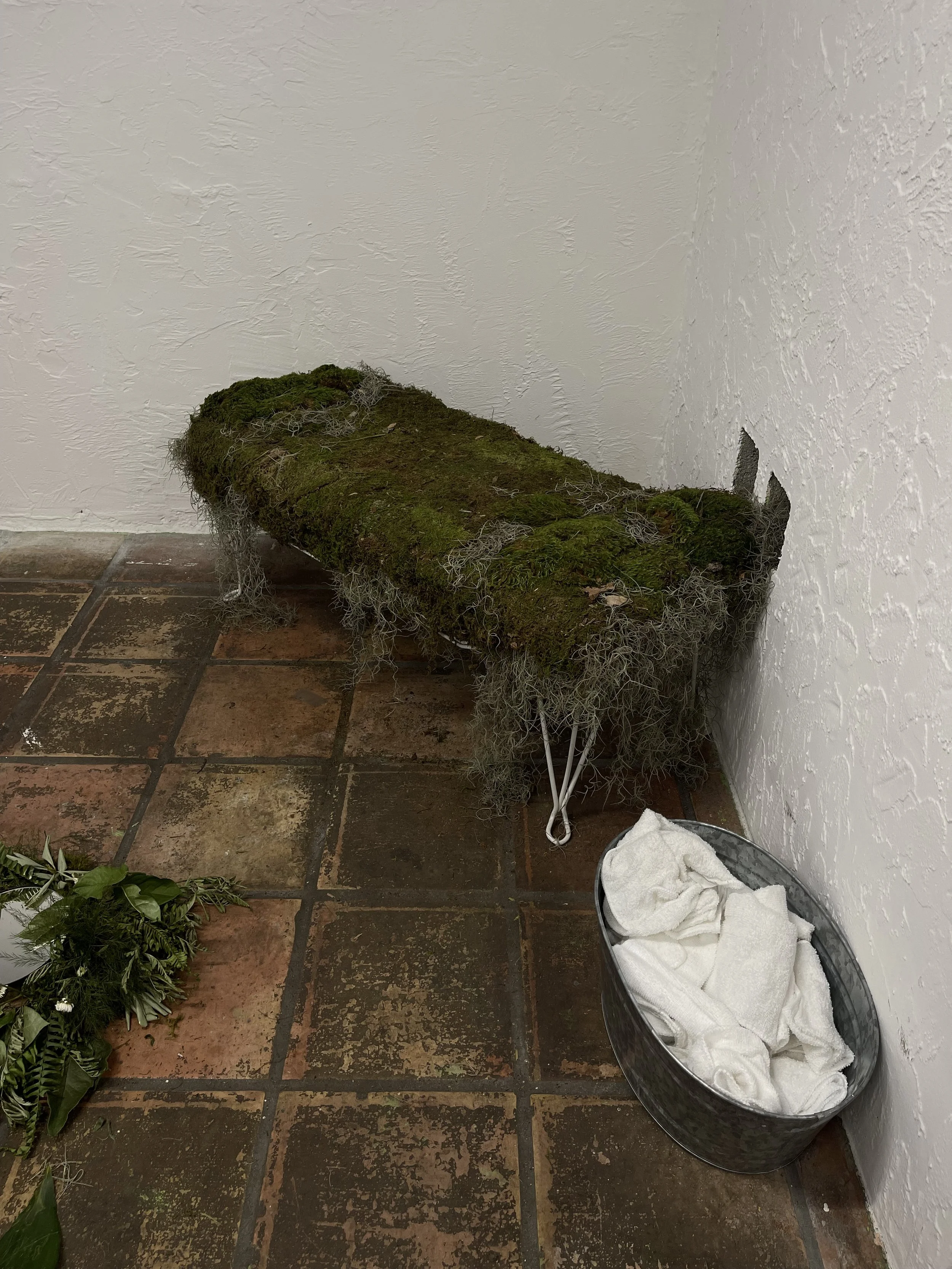
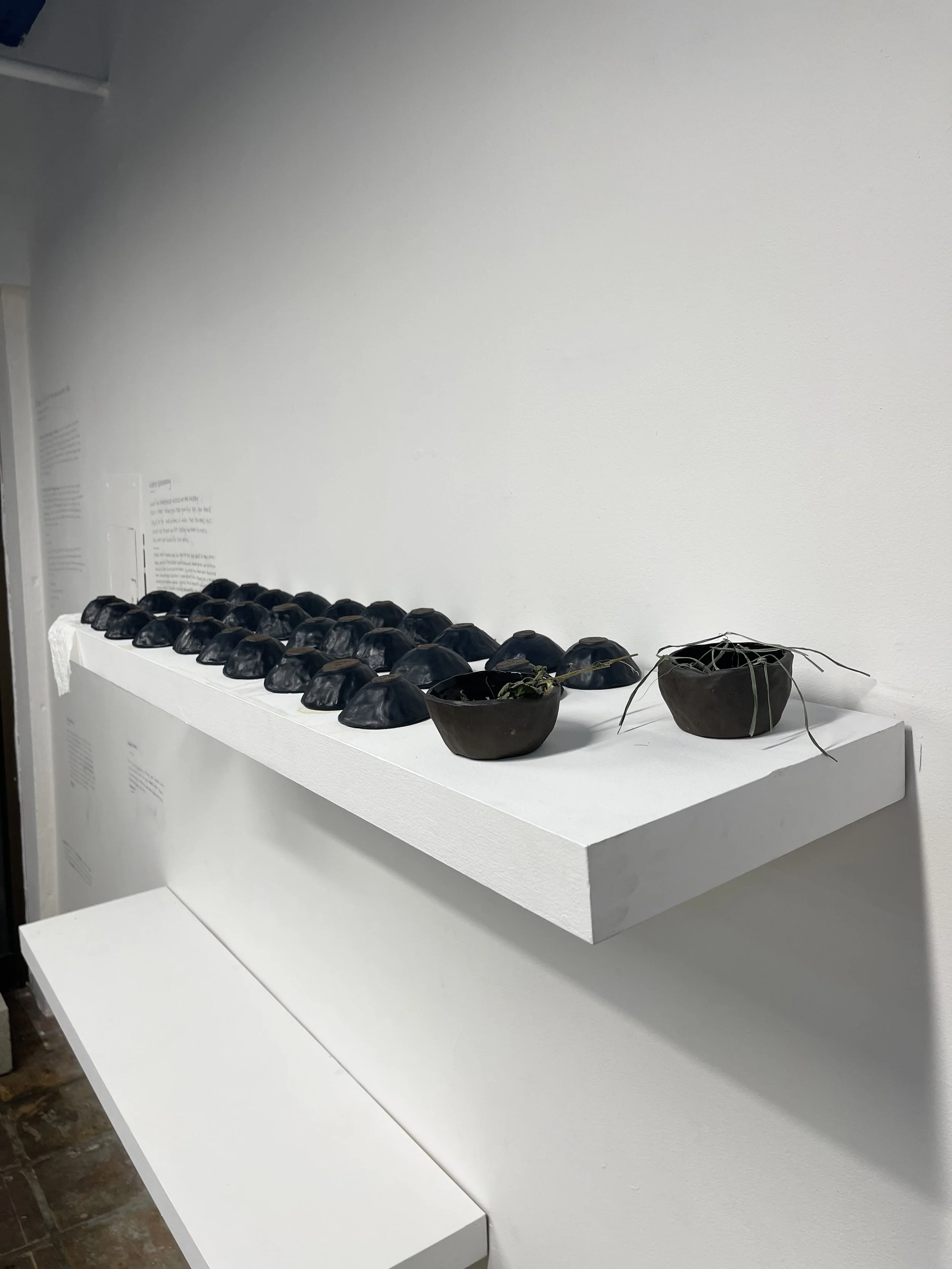
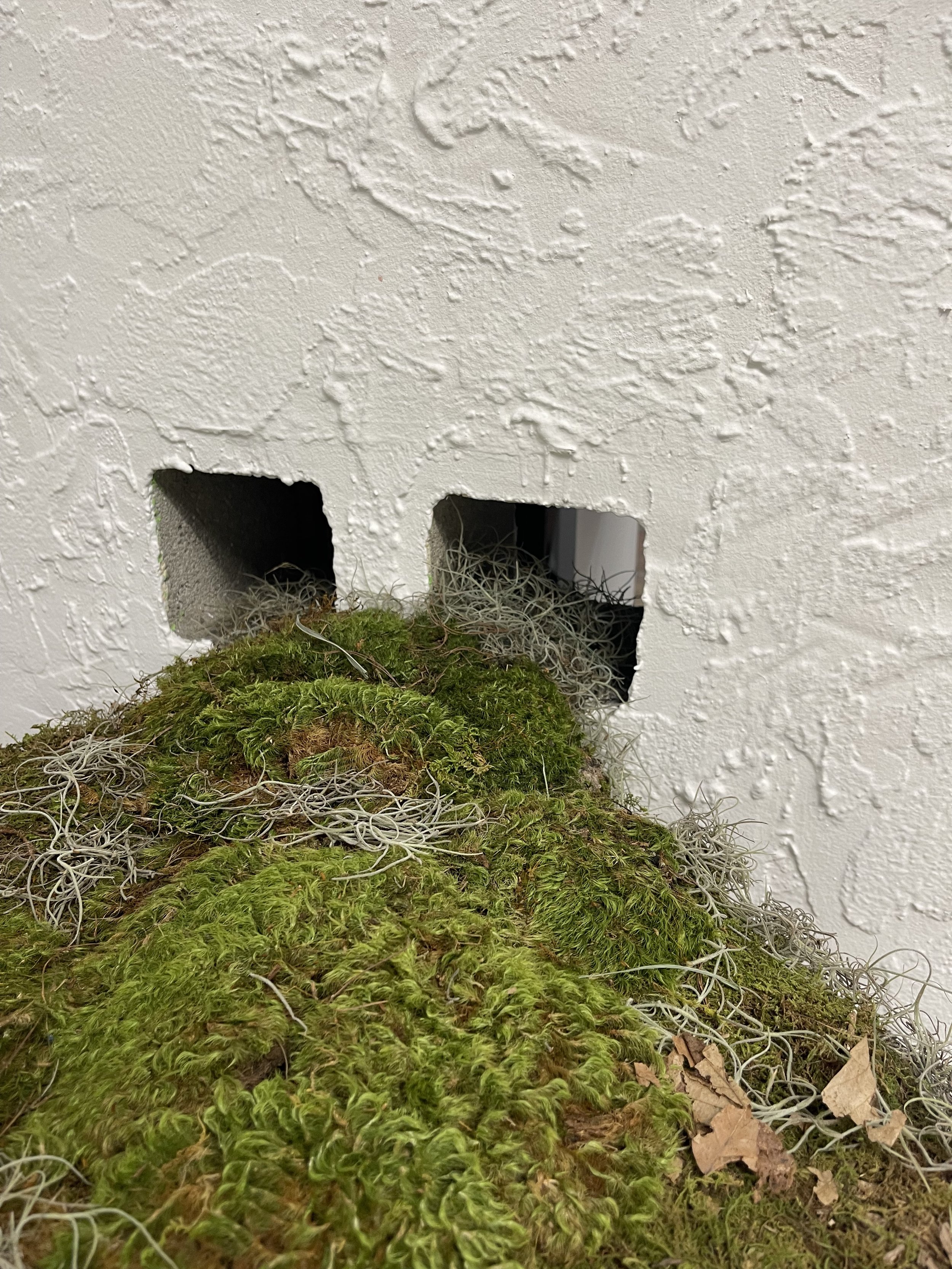
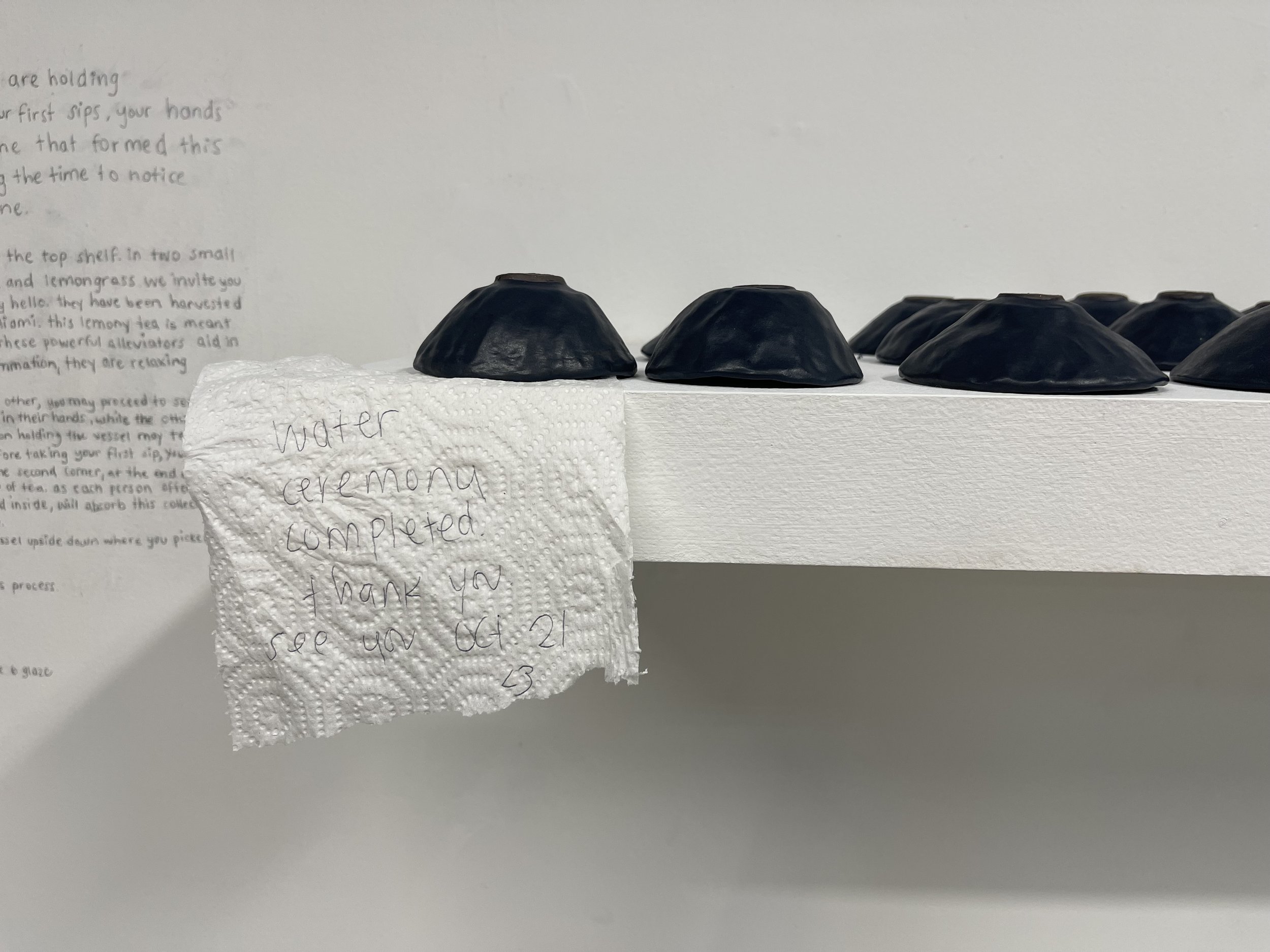
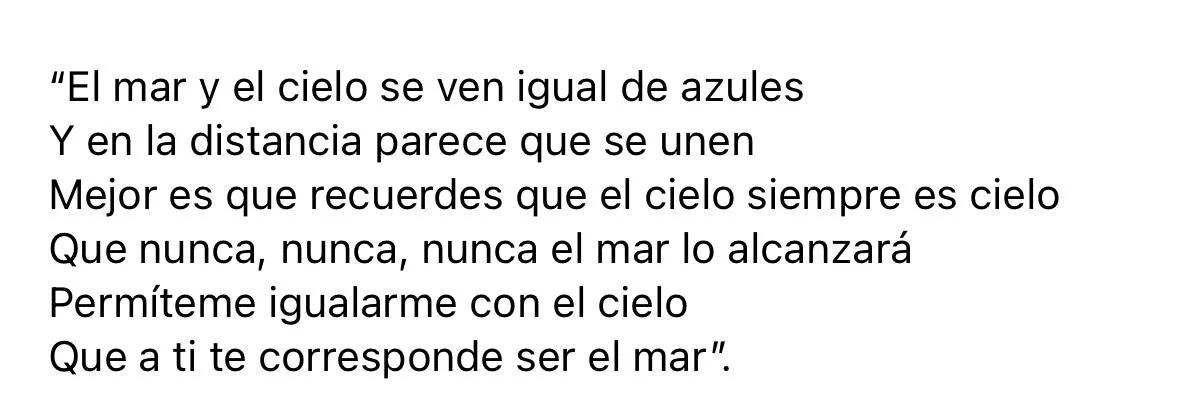
“El mar y el cielo se ven igual de azules
Y en la distancia parece que se unen
Mejor es que recuerdes que el cielo siempre es cielo
Que nunca, nunca, nunca el mar lo alcanzará
Permíteme igualarme con el cielo
Que a ti te corresponde ser el mar.”
-Julito Rodríguez, Los Panchos
El mar y el cielo se ven igual de azules, 2023
Mixed media installation
Dimensions variable
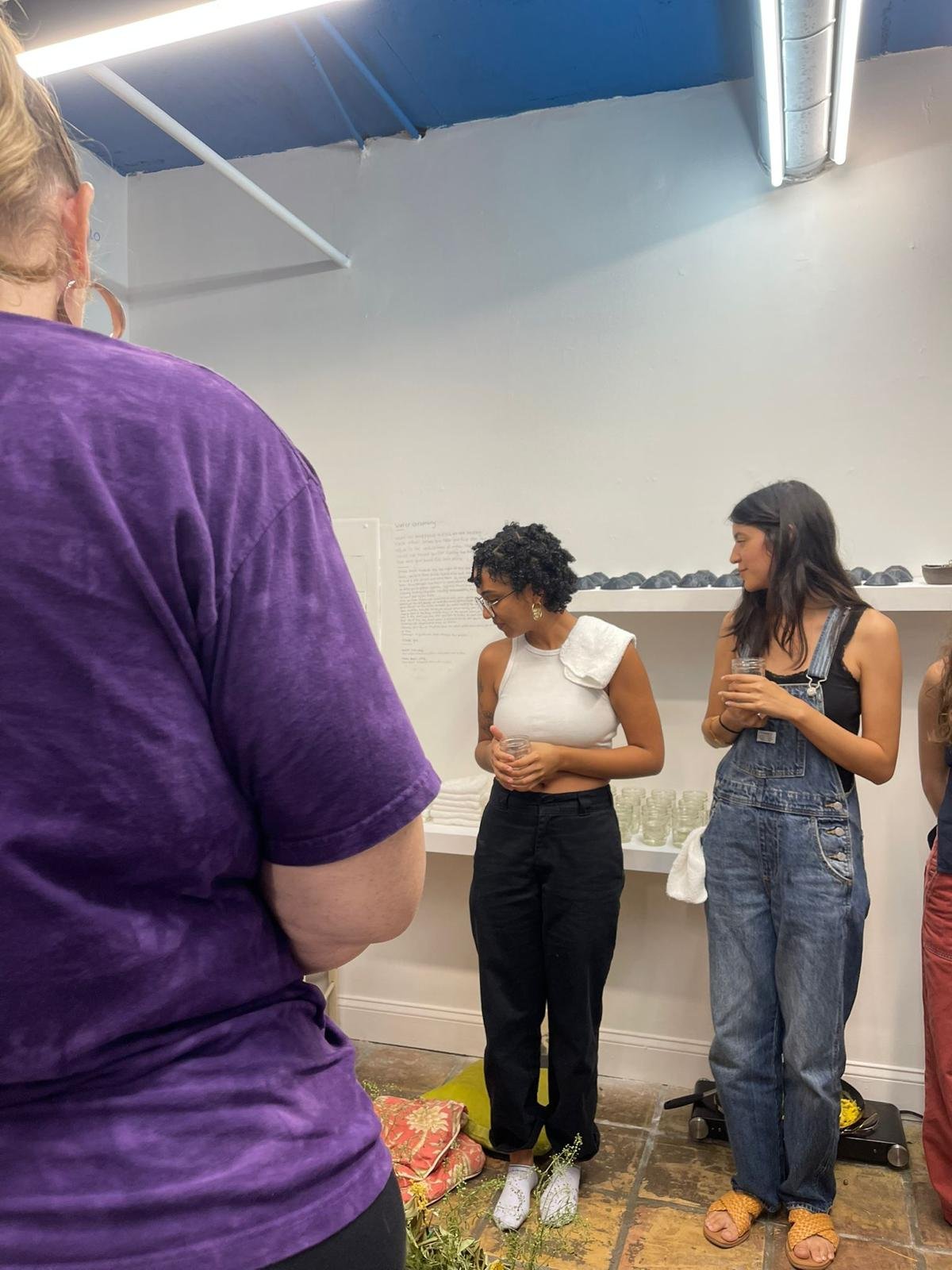
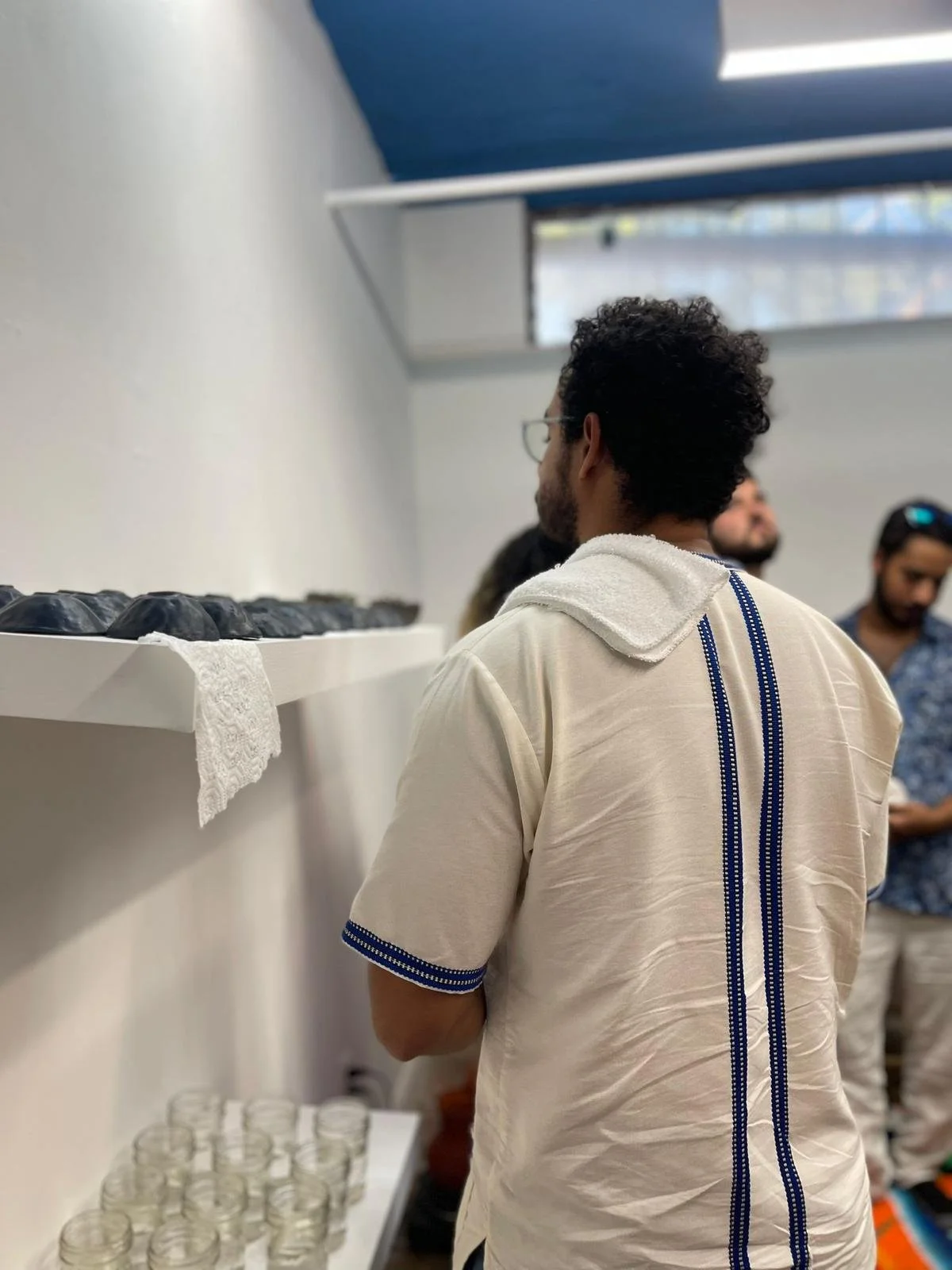
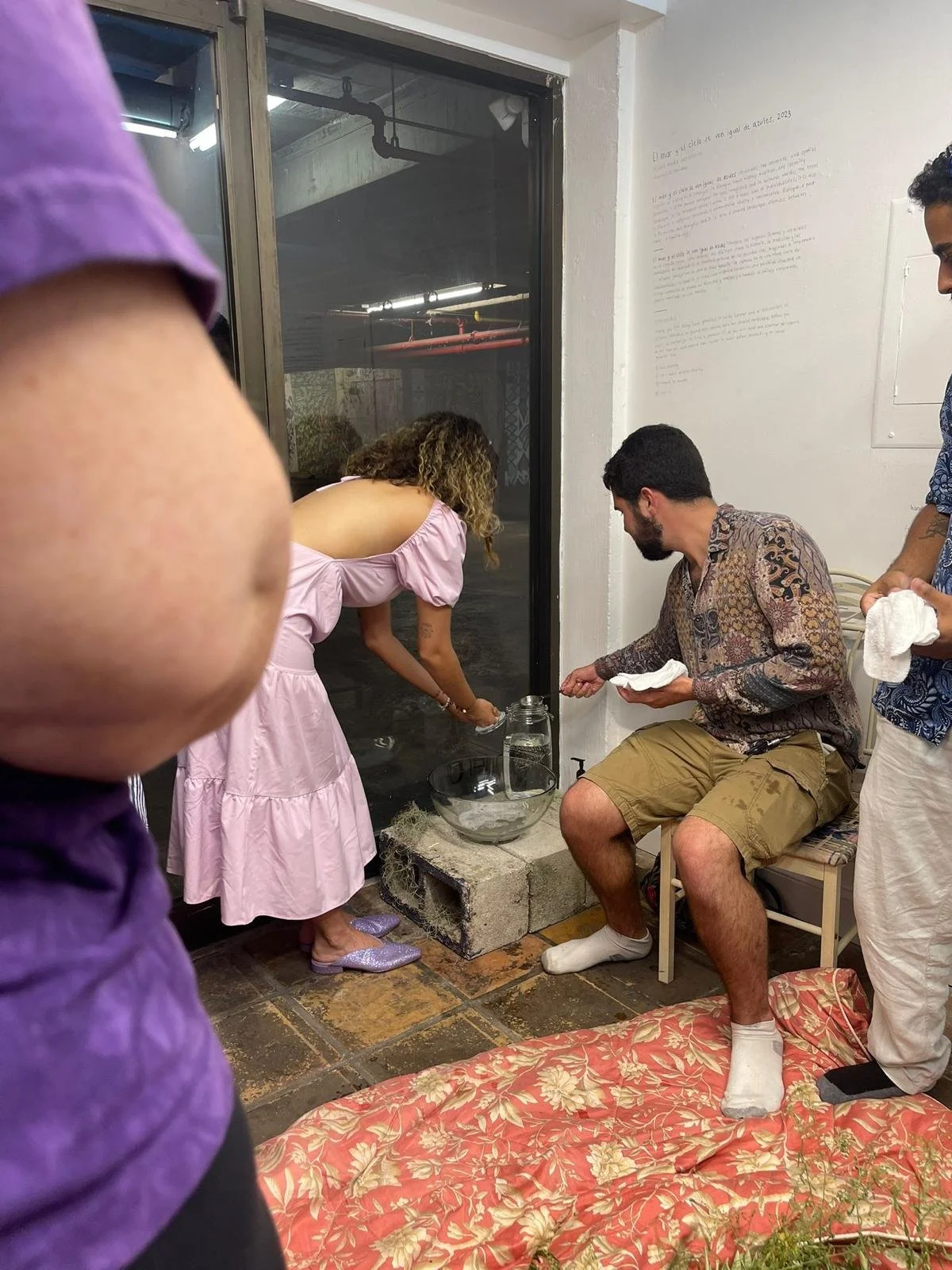
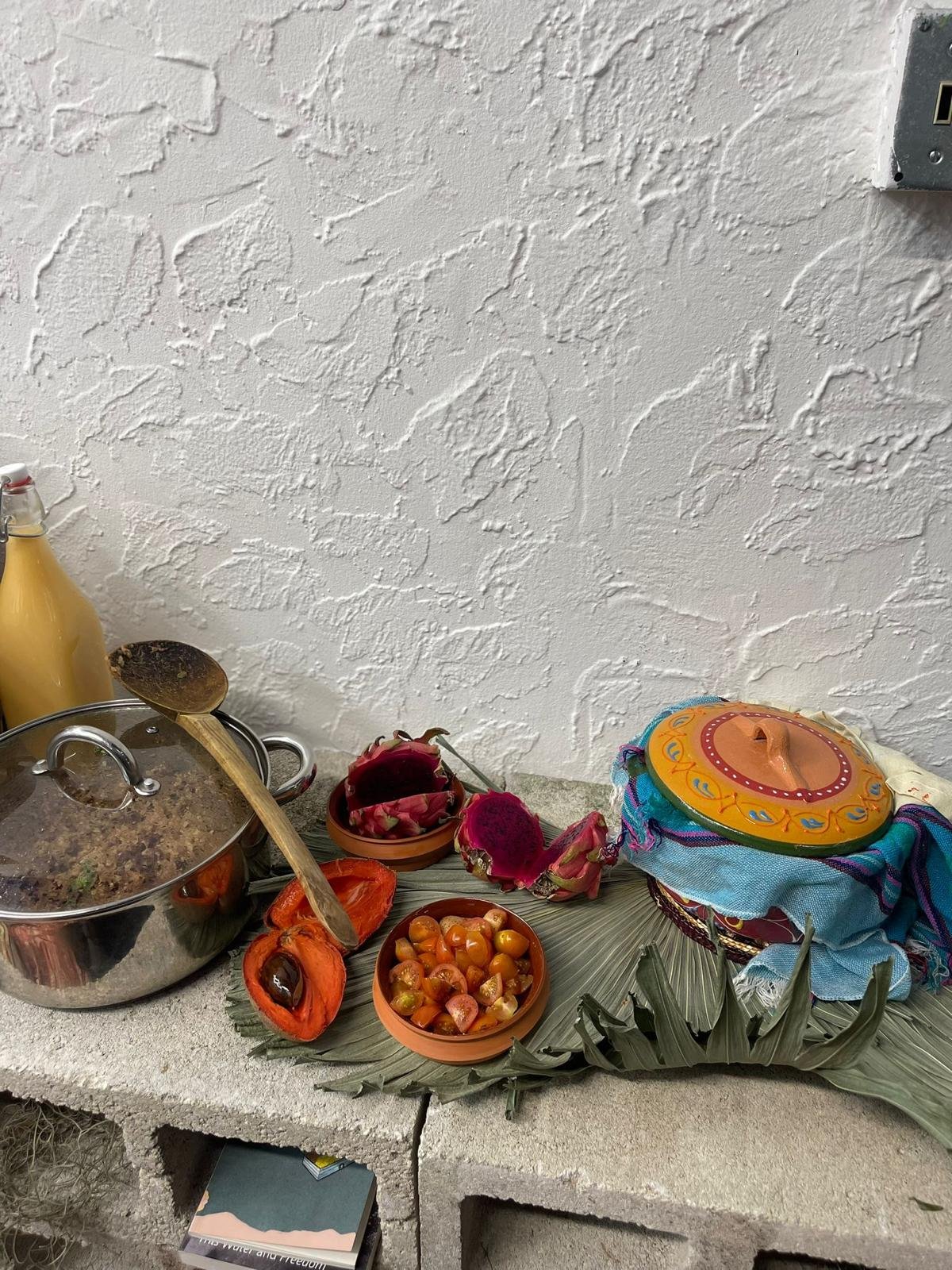
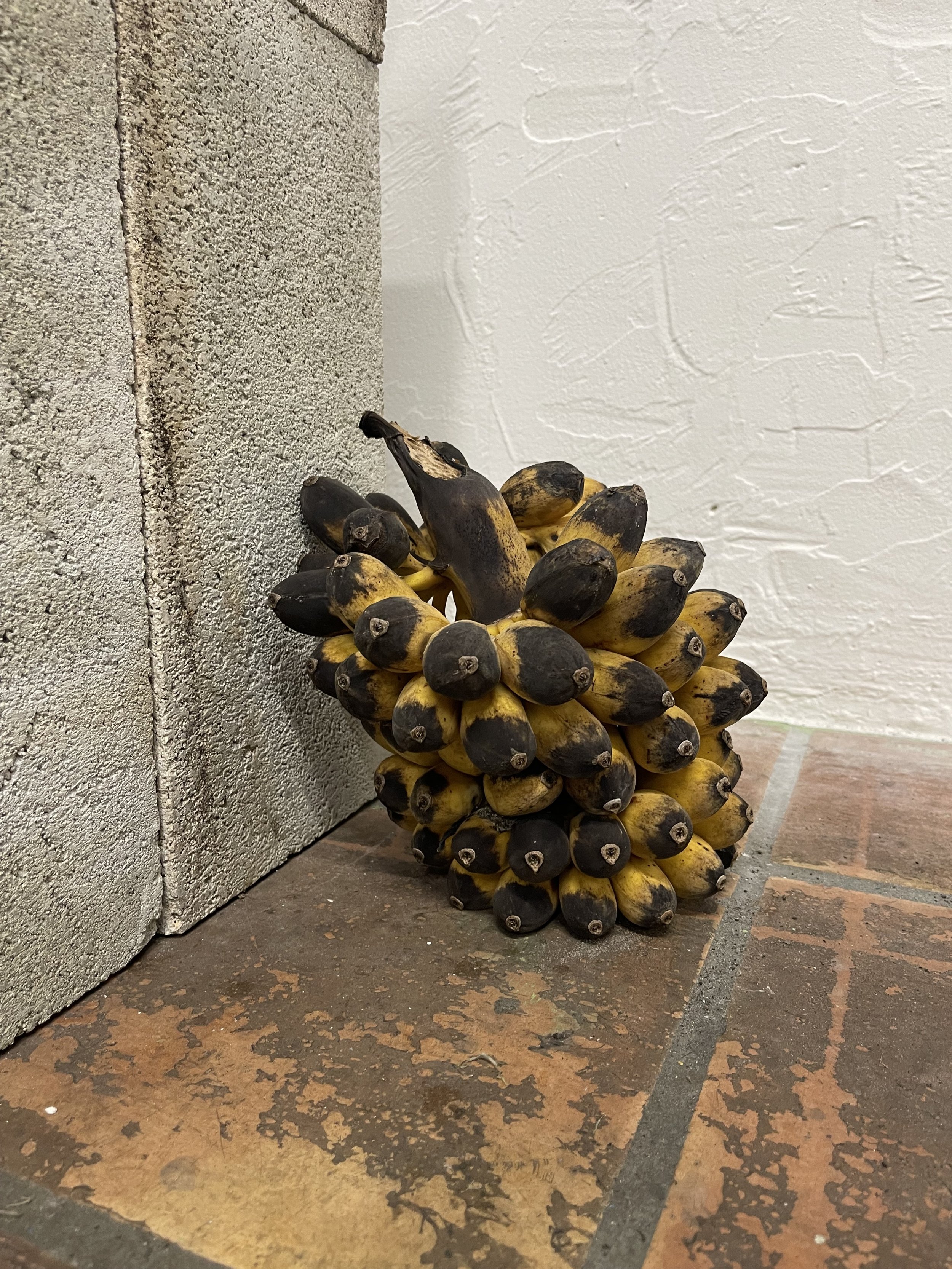
El mar y el cielo se ven igual de azules envisions the intimate and spatial aspects of eating as a catalyst for dialogue about history, tradition, and identity formations. It is the perfect metaphor for real, imagined, and in-between worlds;. The term “landscape” in its broadest sense: culture is not a mere sum of individualities; it is also a climate, a reciprocal influence, a controversial vitality, a constructive dialogue, a past in discussion and analysis, and it is also a shared landscape, silences between leaves, a familiar sky.
[ESP]
El mar y el cielo se ven igual de azules imagina los aspectos íntimos y espaciales de la comida como catalizadores del diálogo sobre la historia, la tradición y las formaciones de identidad. Es la metáfora perfecta de los mundos real, imaginado e intermedio. El término “paisaje” en su sentido más amplio: la cultura no es una mera suma de individualidades; es también un clima, una recíproca influencia, una polémica vitalidad, un diálogo constructivo, un pasado en discusión y análisis y es también un paisaje compartido, silencios entre hojas, un cielo familiar.
Espacio para soñar
“Espacio para soñar” acts as a space that provides an array of conversations inviting new a new framework of exploration about what “utopia” literally means.
“Espacio para soñar” means to regenerate what was lost, and to continue building on a culture of deep respect and generosity.
[Tunnel Projects]
Tunnel Projects is an independent art space in Miami that supports local artists through exhibitions, curatorial projects, and experimental practices. It provides a platform for artists working in sculpture, installation, painting, new media, and interdisciplinary work, focusing on contemporary issues.
In addition to its exhibitions, Tunnel Projects organizes pop-ups and collaborative projects, maintaining a flexible curatorial approach that brings together a range of artistic perspectives.
Beyond exhibitions, Tunnel Projects operates 12 studios with 16 resident artists, offering a dedicated workspace for local practitioners. Through its exhibitions and studio program, the space fosters a working environment that prioritizes artistic production, collaboration, and critical engagement within Miami’s art community.
IG @_tunnel
curated by Anna Goraczko & luna palazzalo-daboul
OLVIDAR, ES OLVIDARNOS | CAROL'S GARDEN | EL PORTAL | MIAMI, FL | NOVEMBER 2023


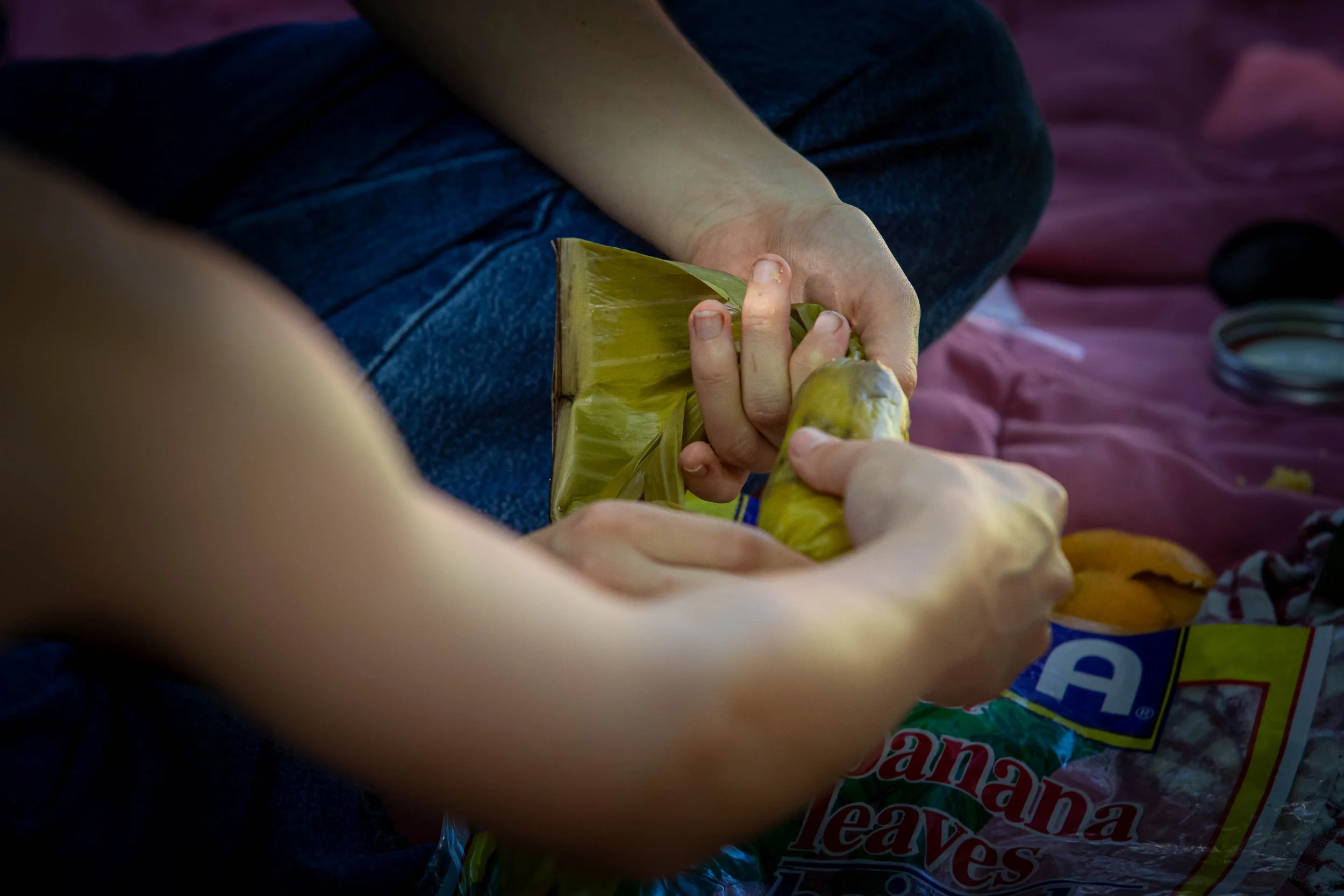


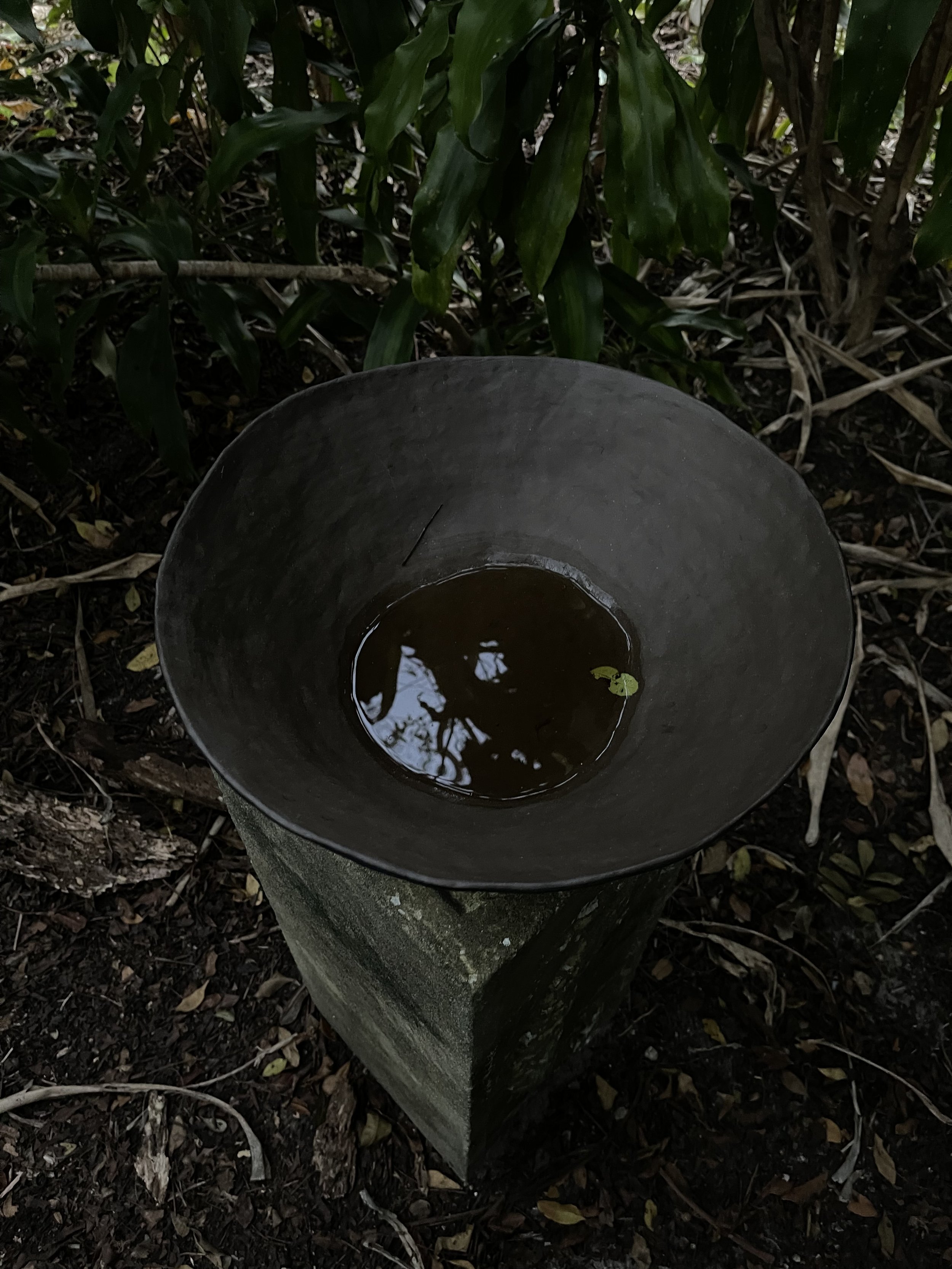
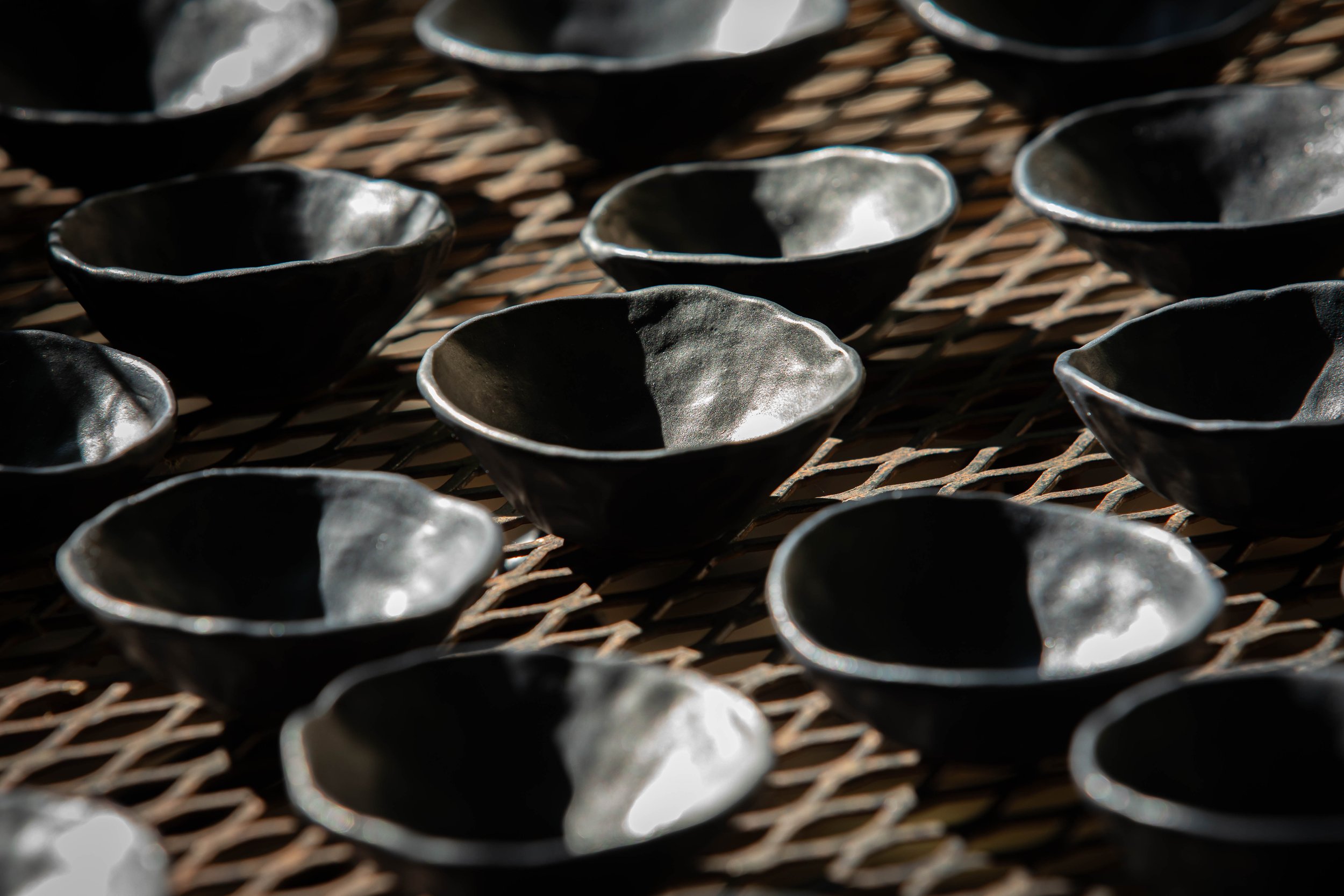
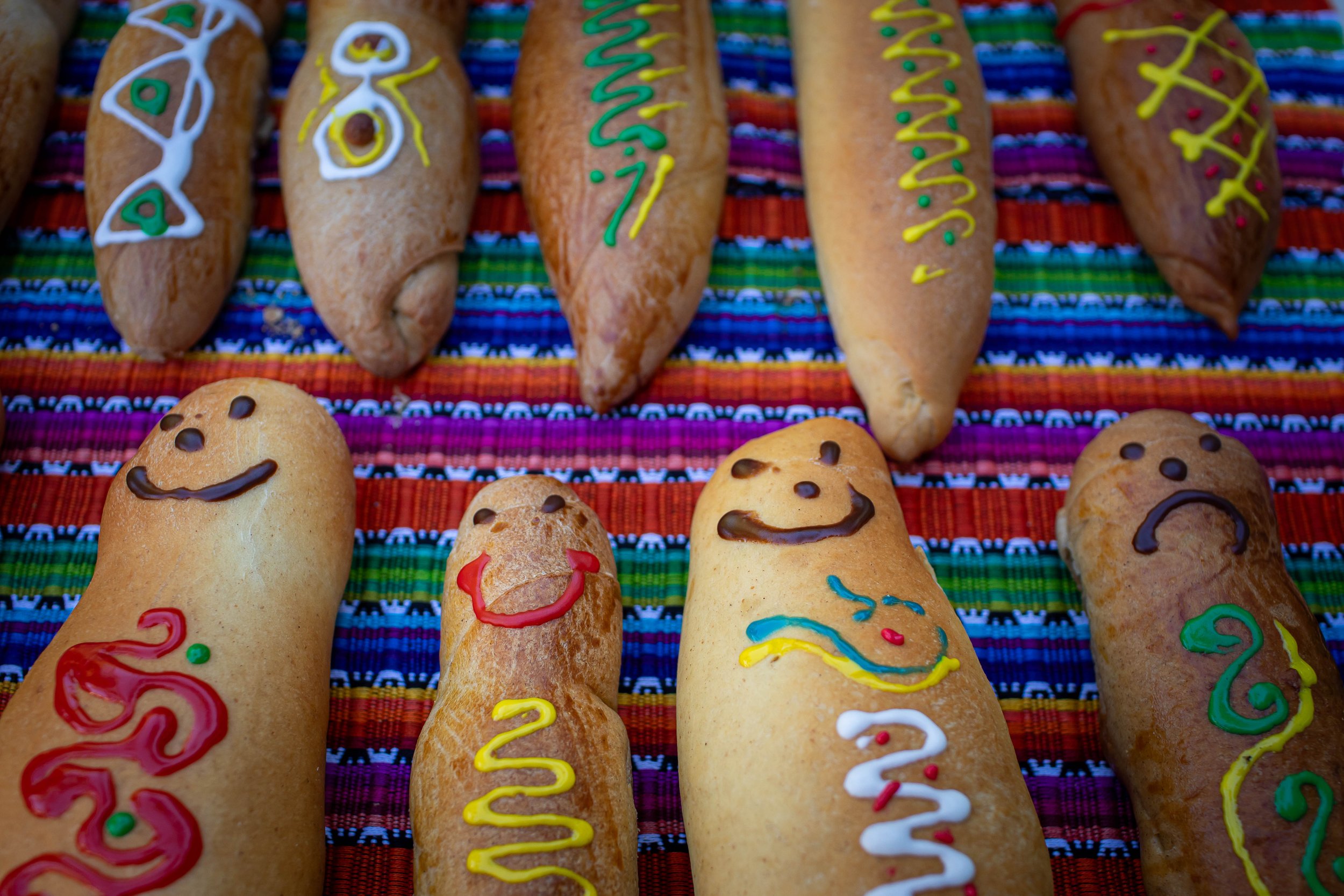

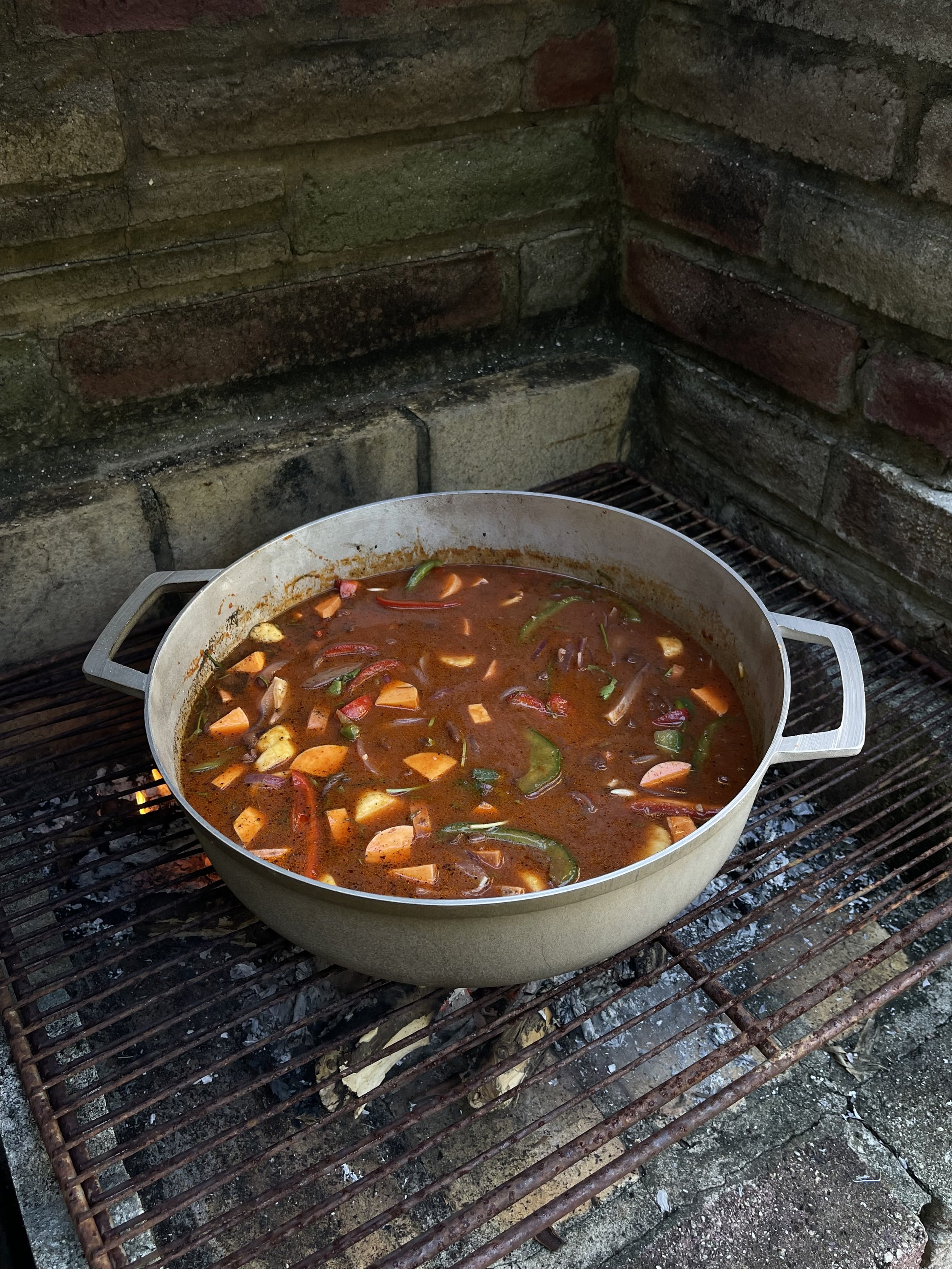


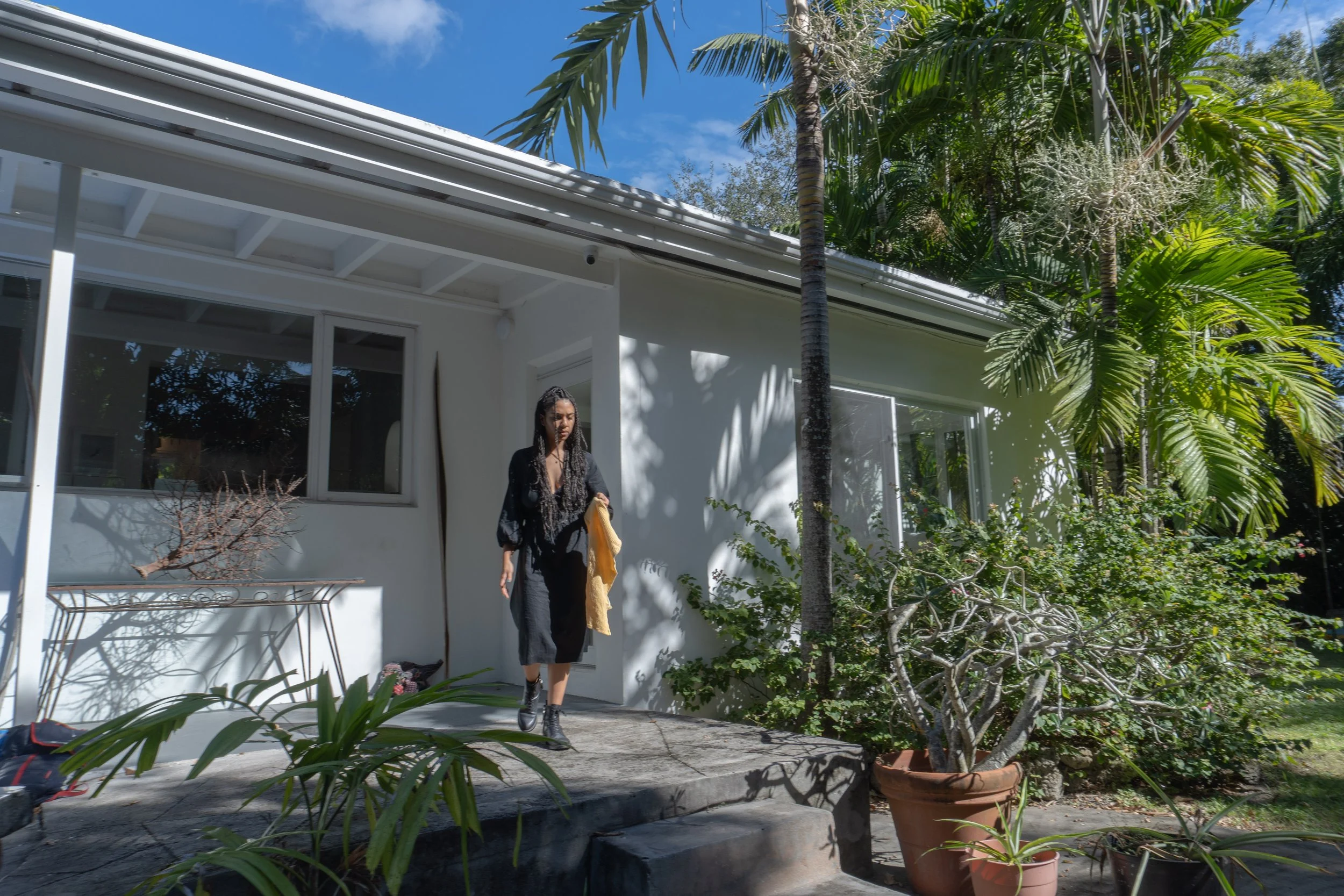
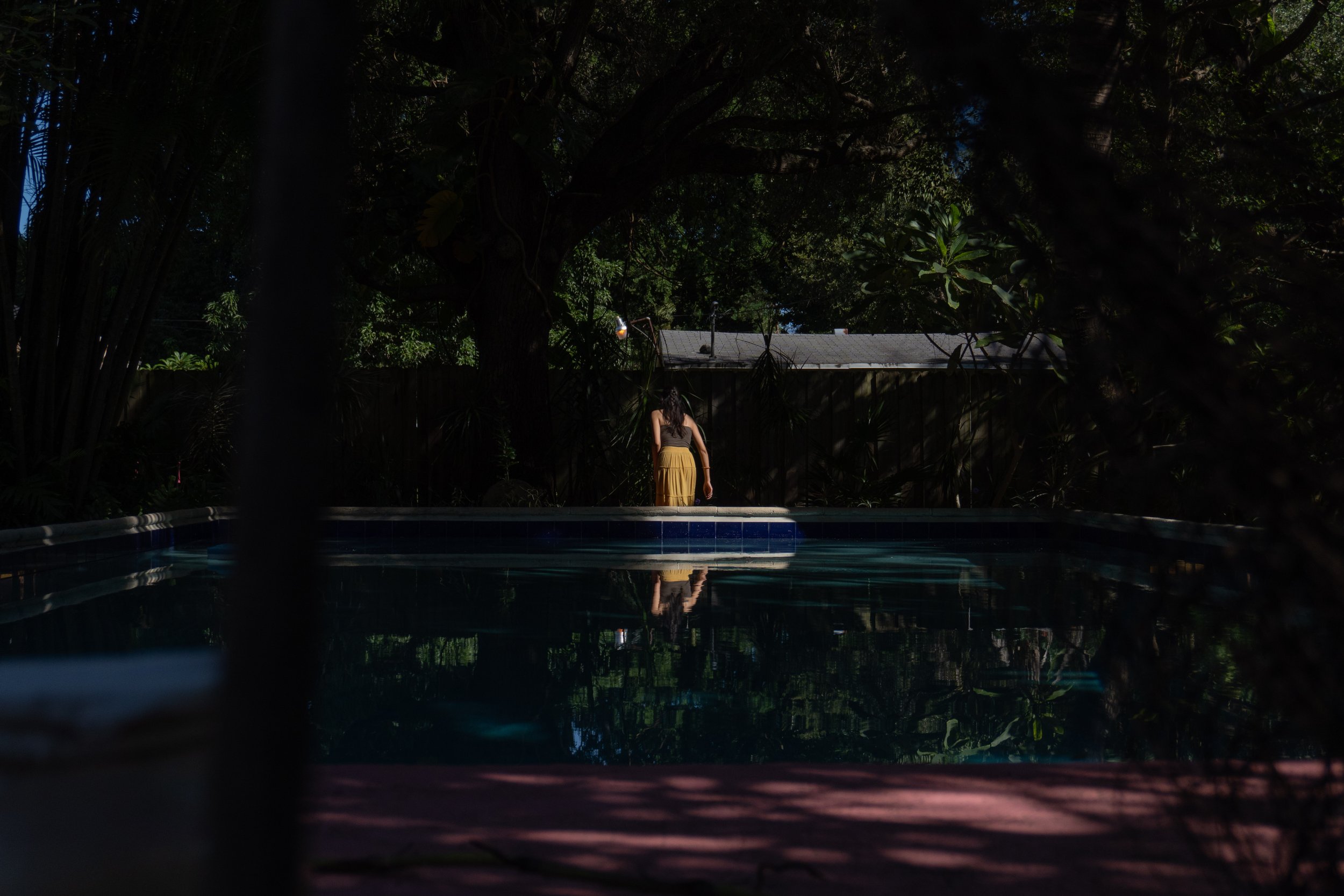
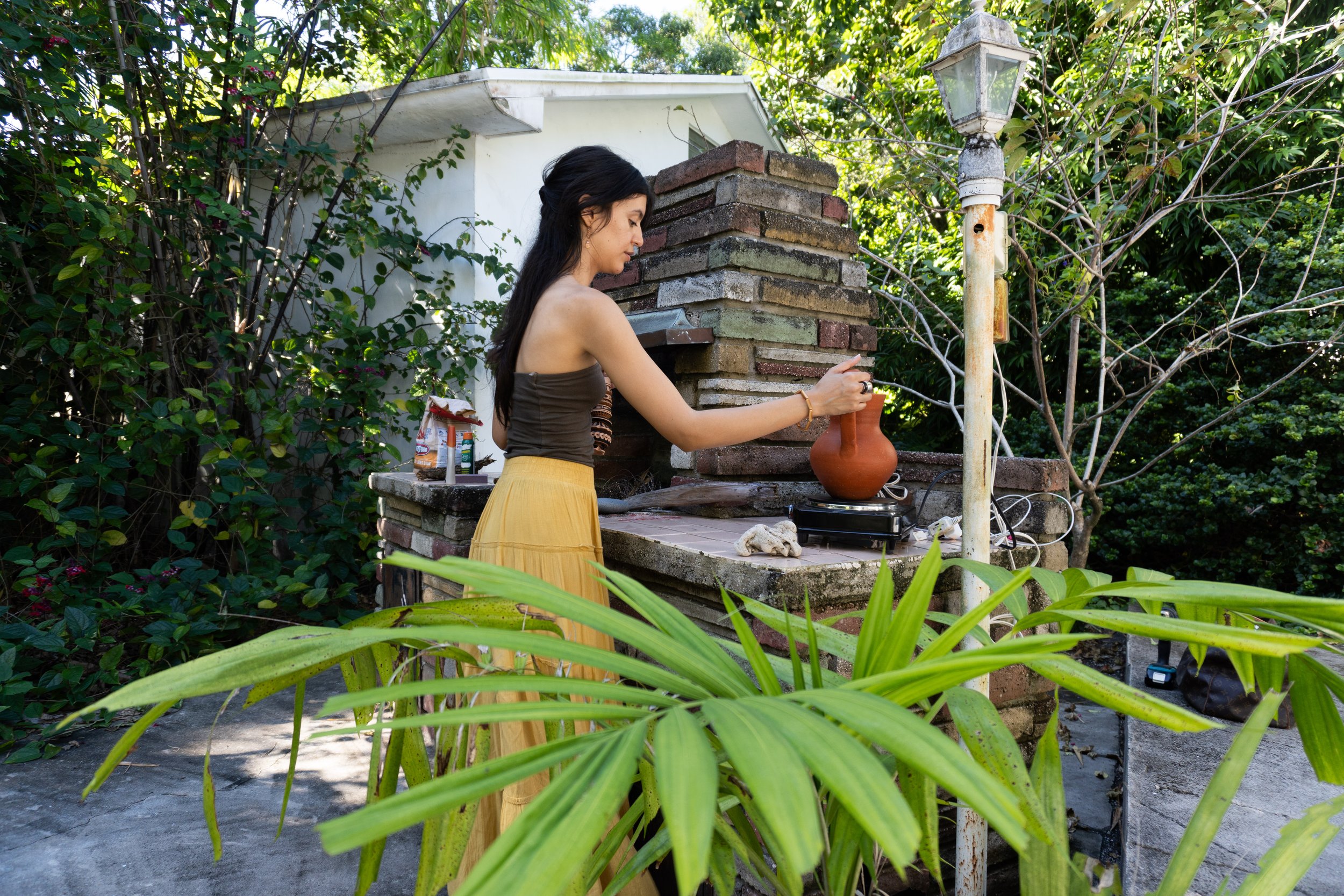
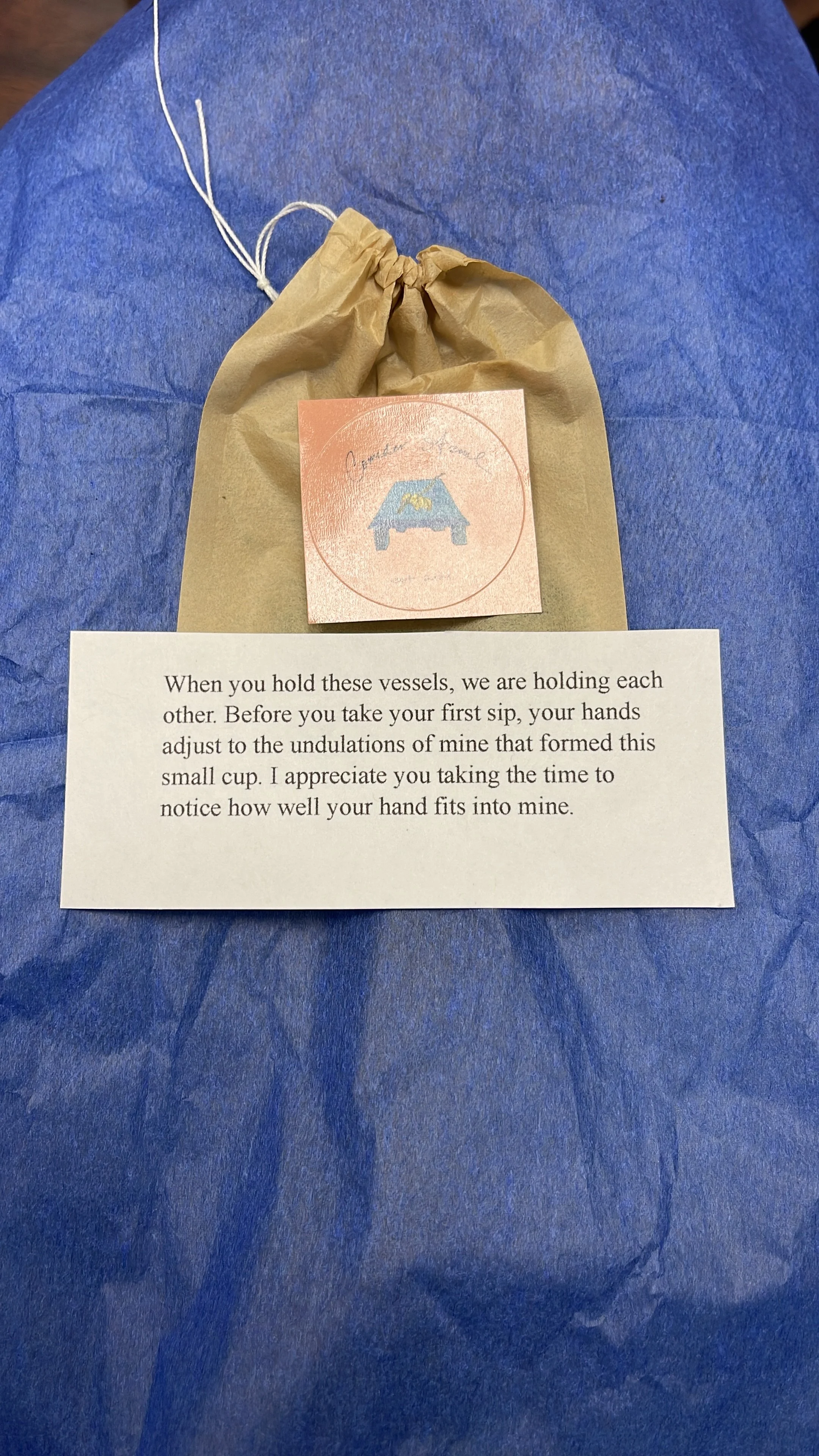
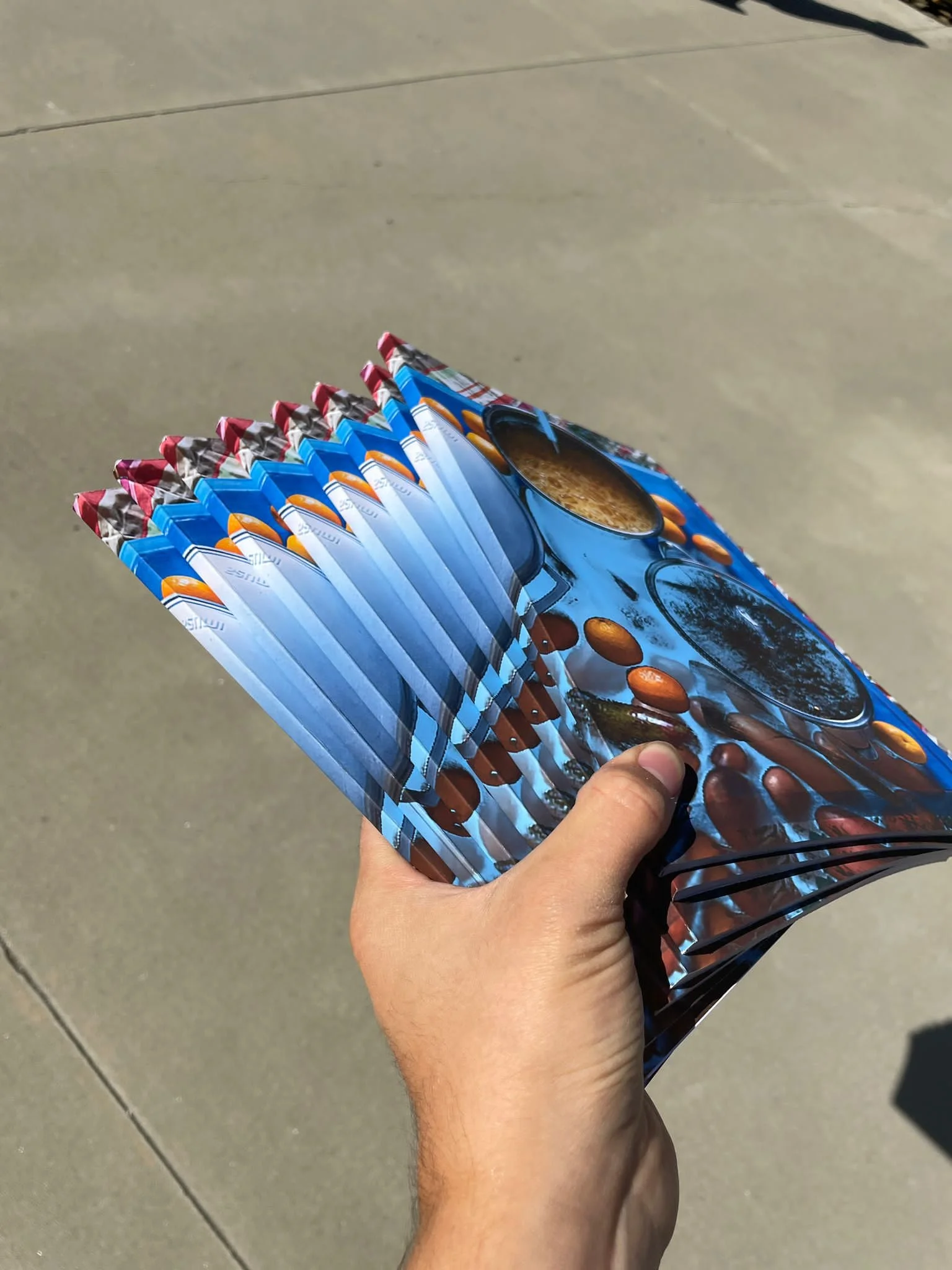
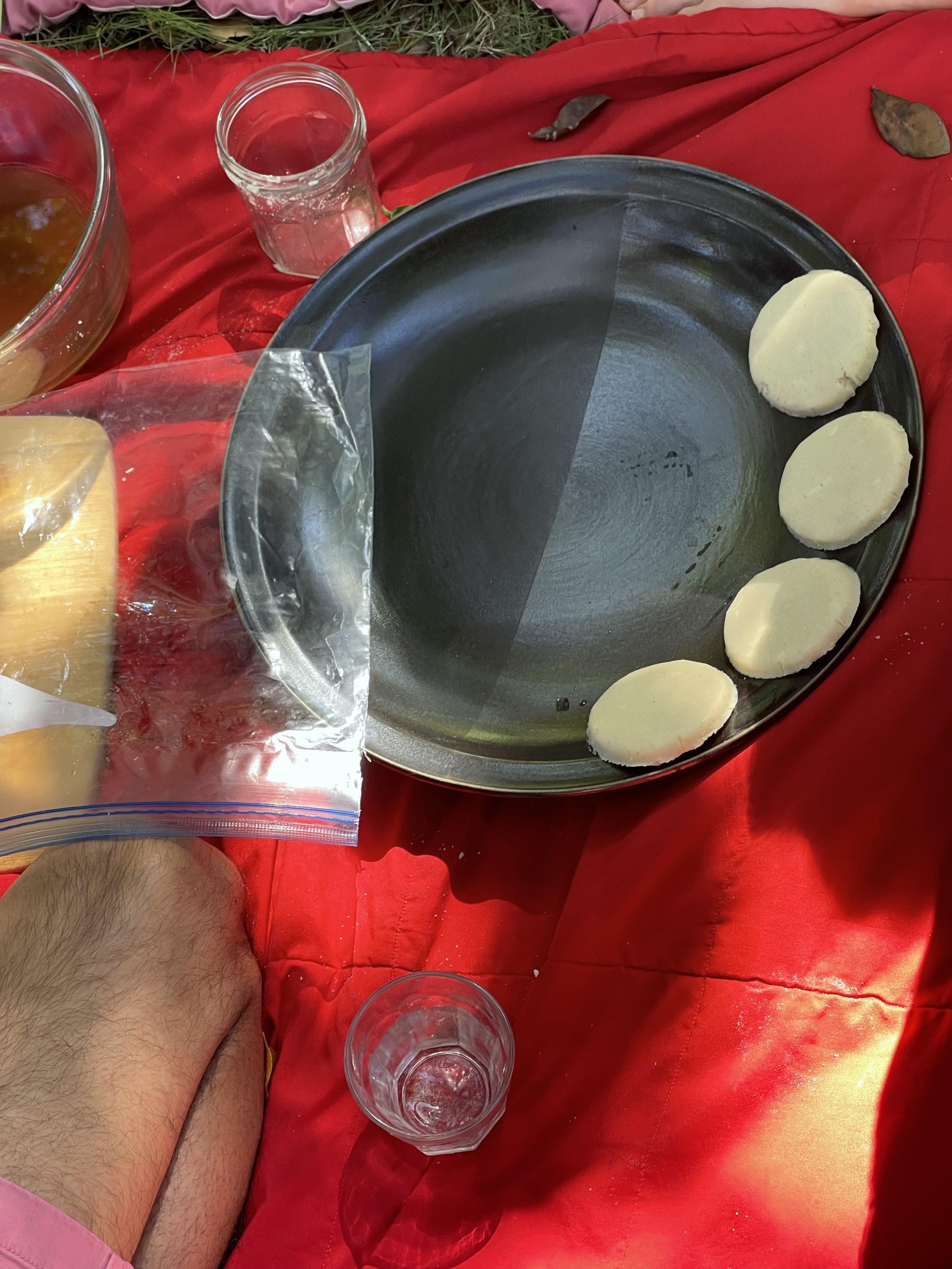
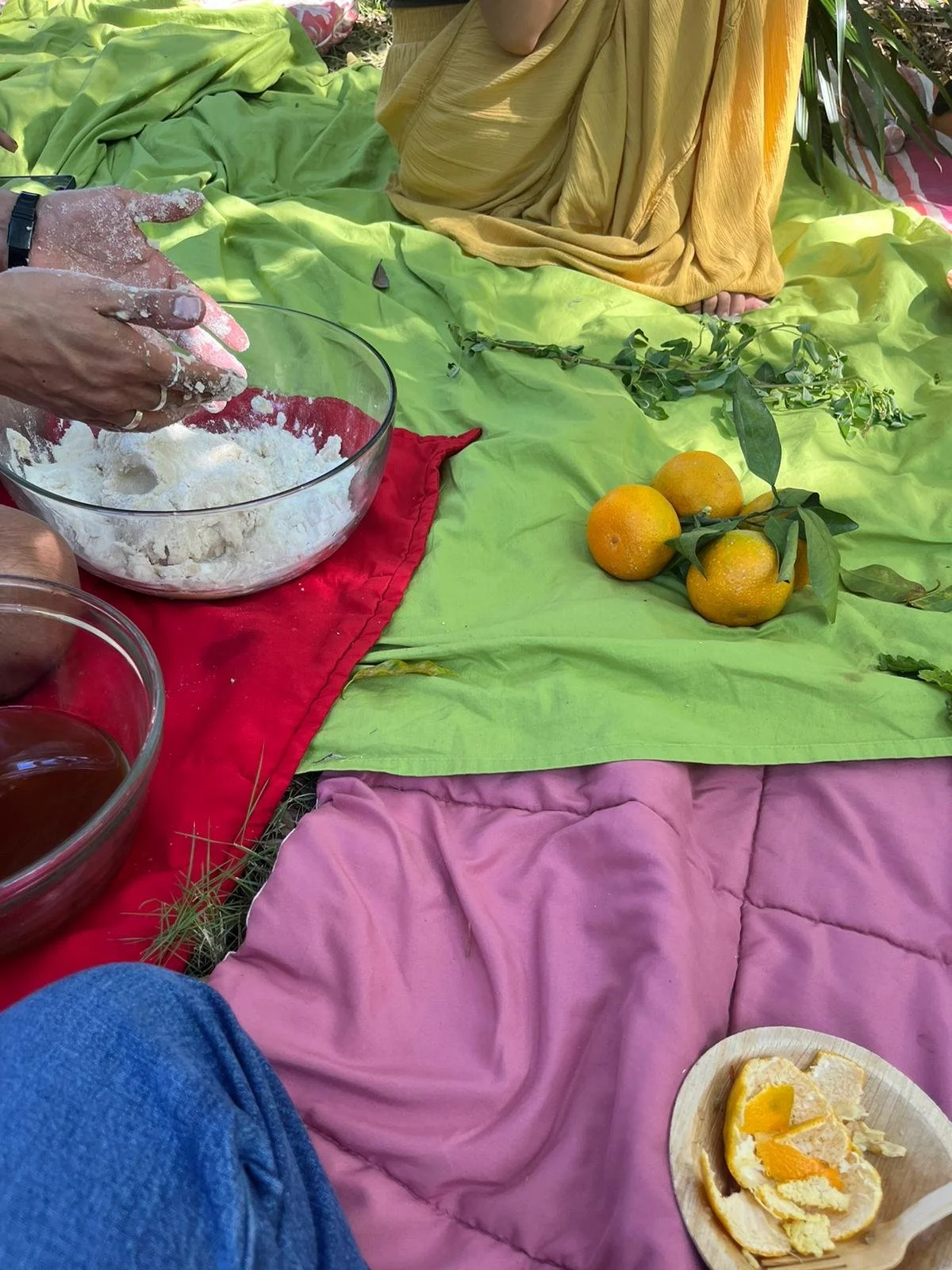
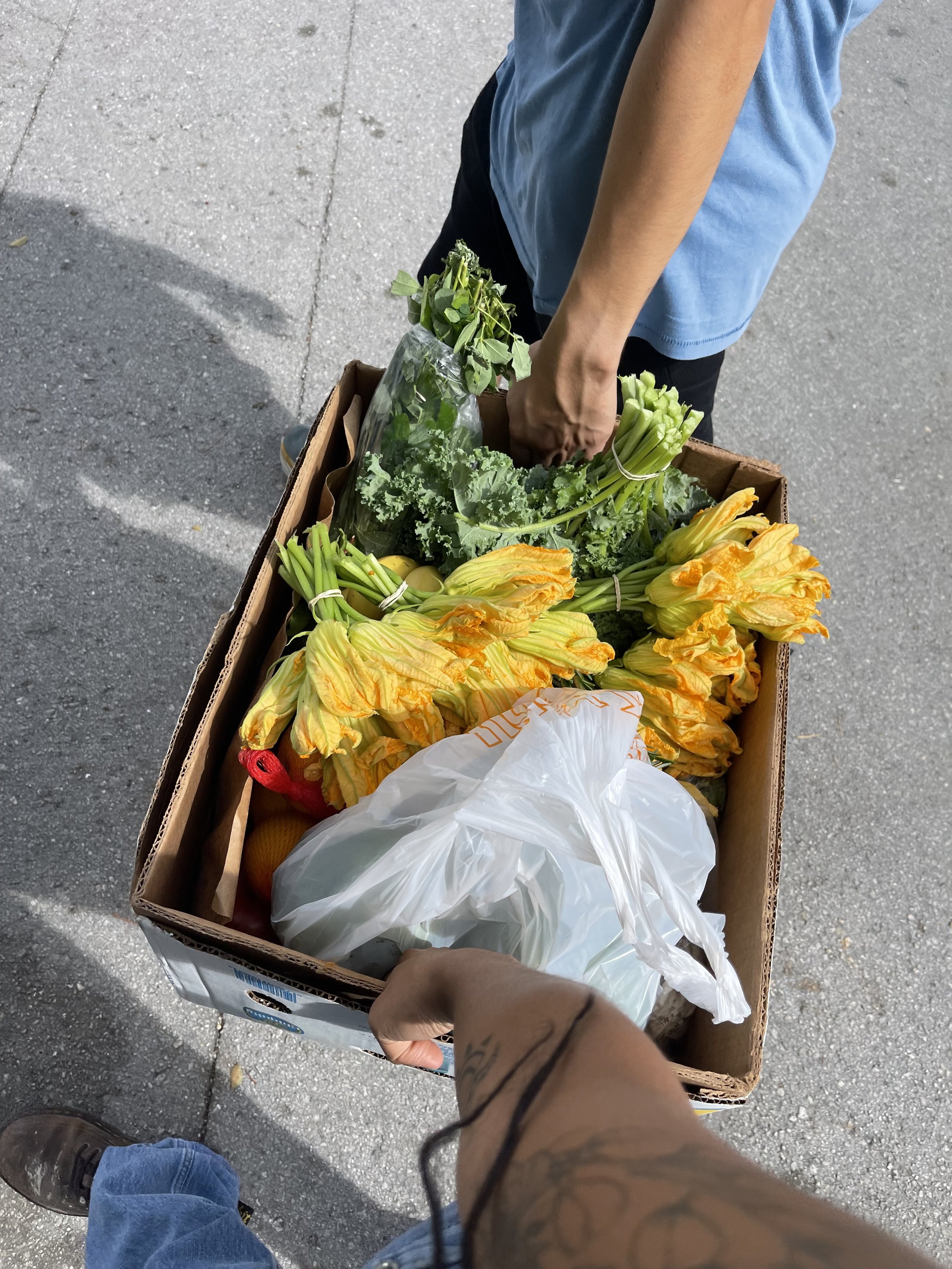
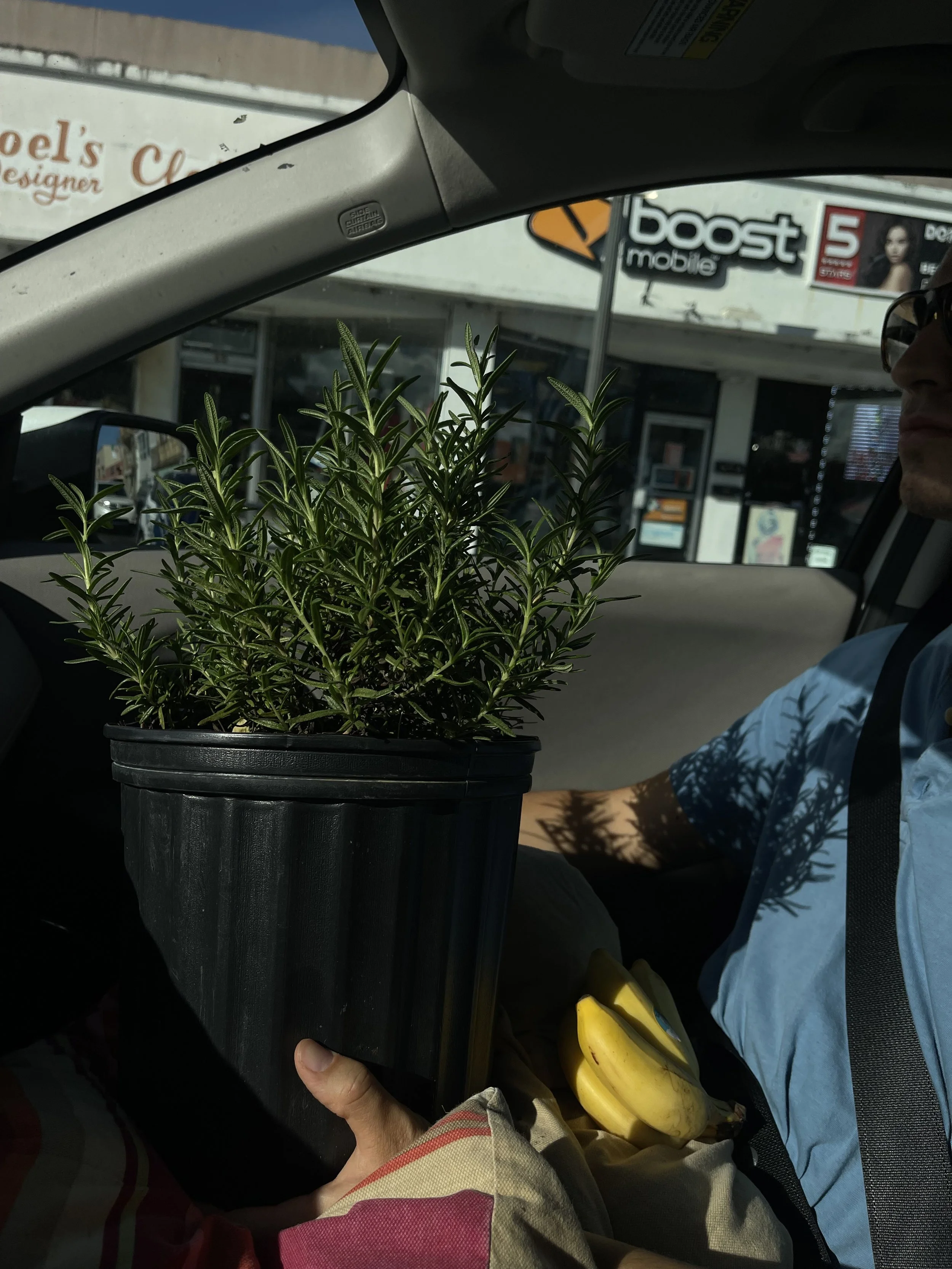
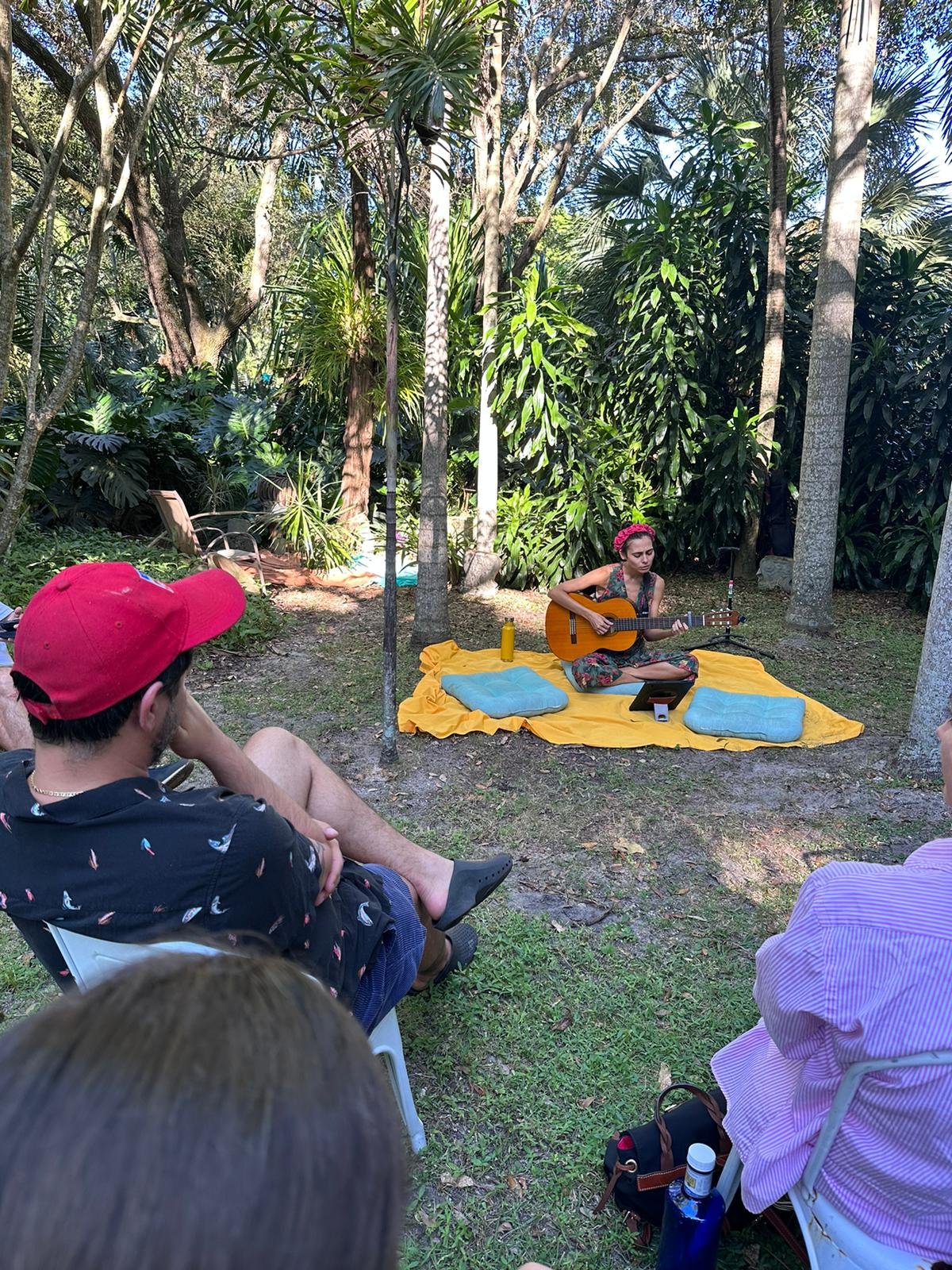
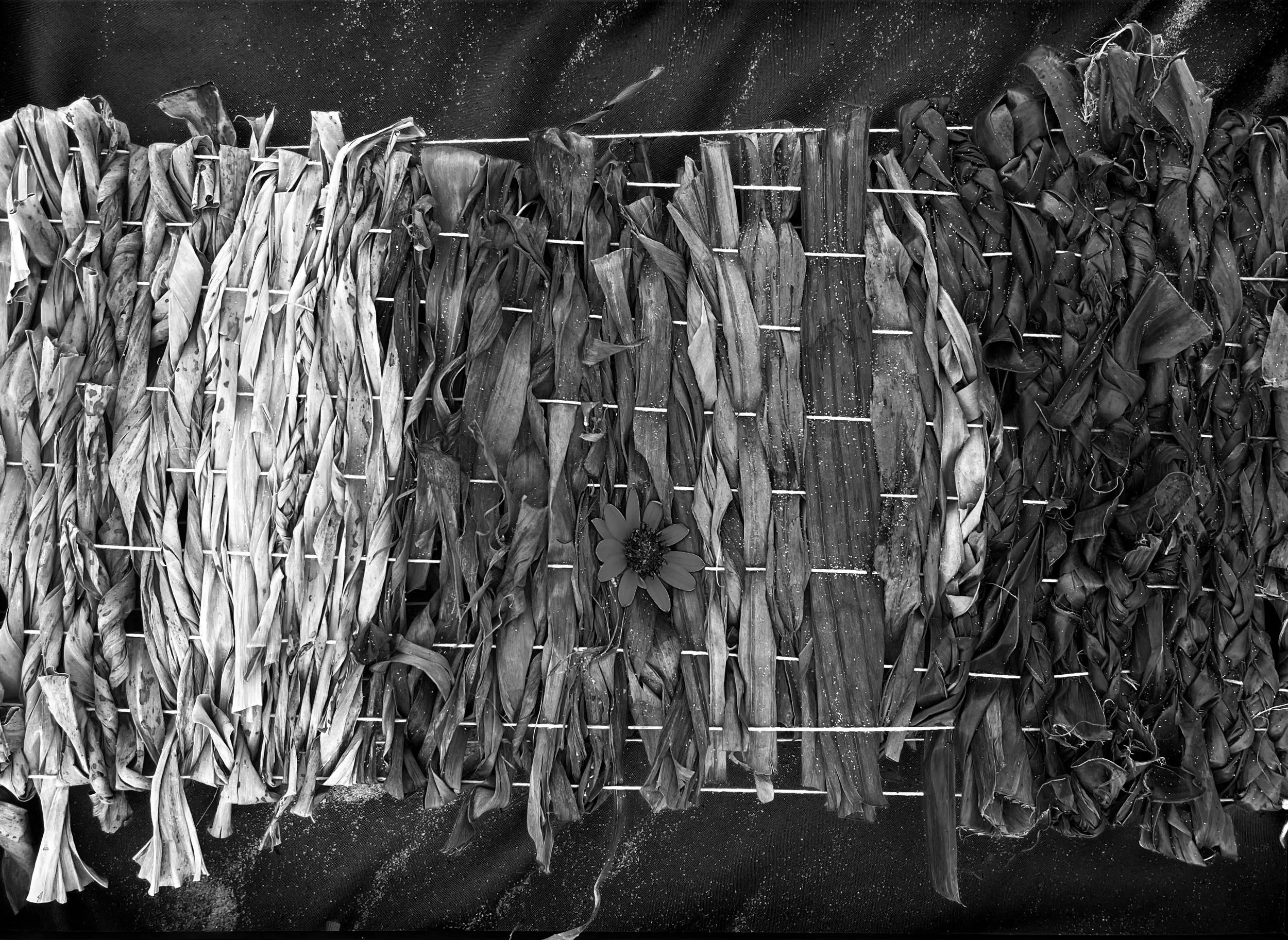
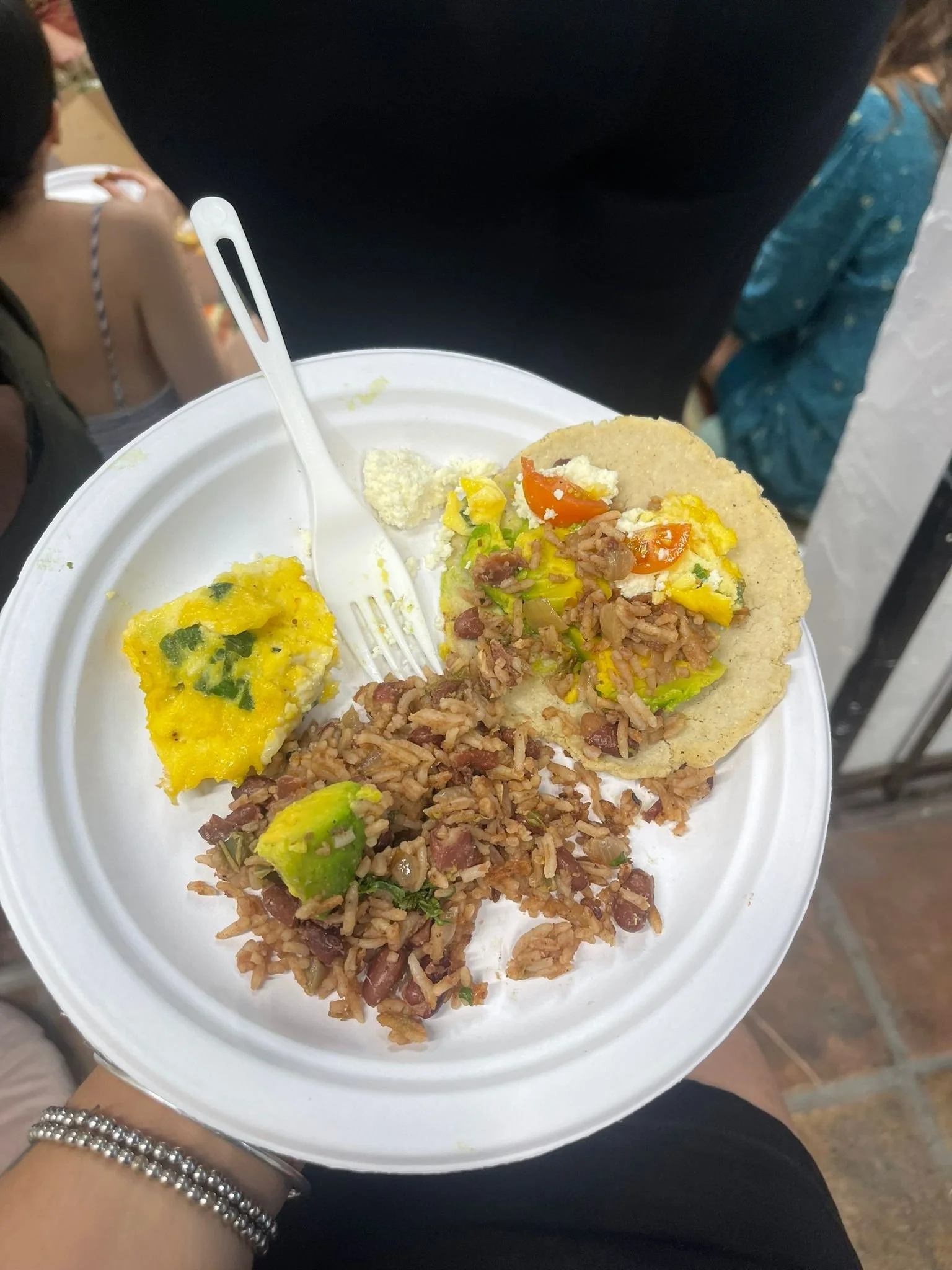
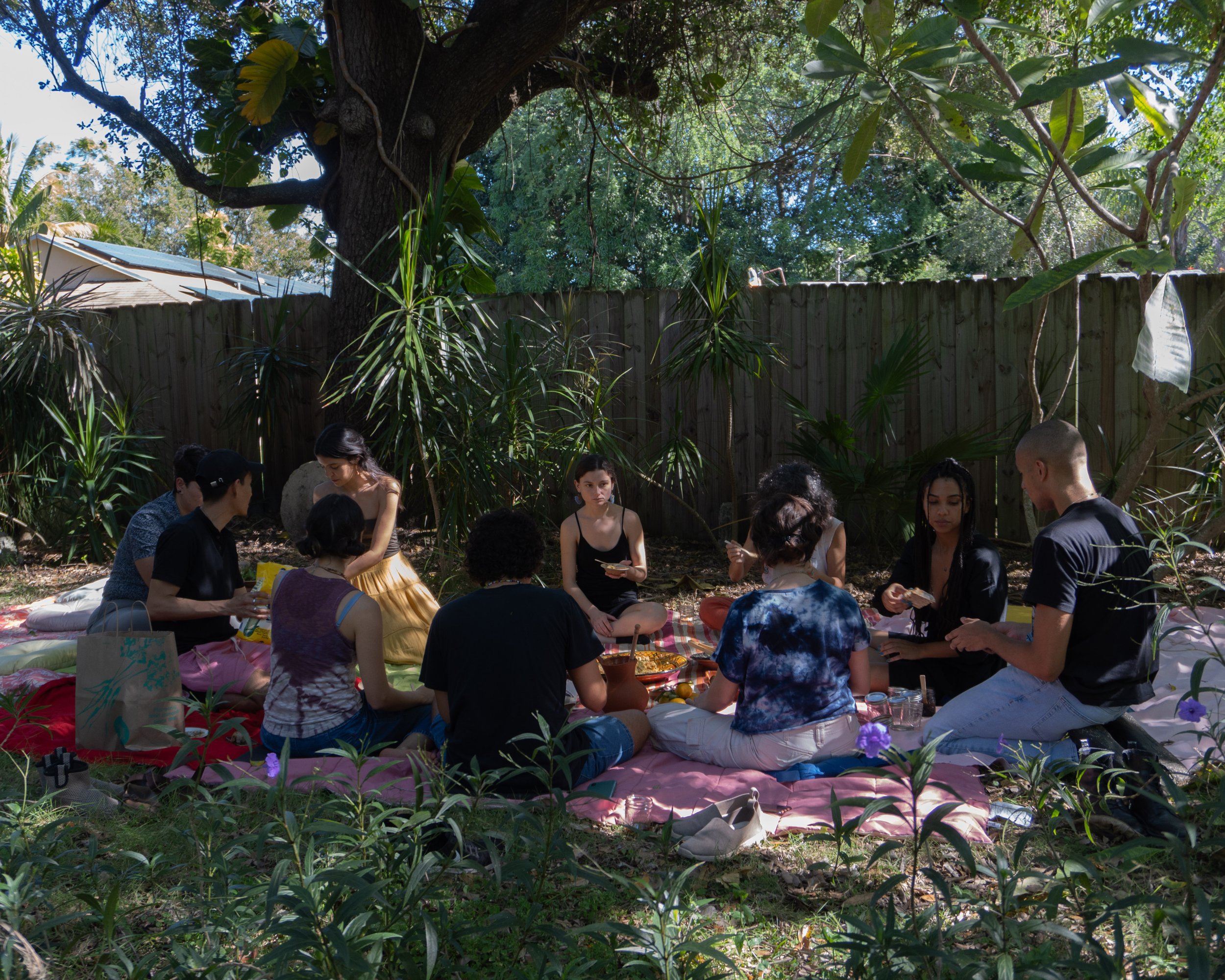
olvidar, es olvidarnos is an interactive installation that is reflective of the Miami communities we have been fortunate to have had the honor to sit, share, and listen with. Our blue dinner table with a woven banana leaf table runner has traveled to different communities in Miami, FL, co-creating gathering spaces for us to come together in communion and healing for our collective freedoms. With the table runner existing cumulatively, embodying each gathering held, it will be continued for its last activation at Carol’s Garden.
This installation is a prism which provides an array of conversations inviting a new framework of exploration about what “utopia” literally means. It is co-created, collaborating with the natural landscape in which it inhabits, as well as with those who activate the space through a series of self-guided prompts with the intention to fully ground oneself within the garden as we connect with one another, share a meal, and weave.
Autumn, the birds, the rustling of the leaves which echo pairs of feet, are some of the many facets of this cultivated landscape that come together to continue building a supportive and reciprocal environment founded on deep respect and generosity.
In order to channel all the senses, food serves as the intermediary between the earth and the body. Through the gesture of sharing a meal together, our stories are regenerated, recontextualized and reimagined as we see each other, acknowledge each other, digest together, breathe the same air, ferment the same baggage, and compost ourselves.
The prism echoes all of our senses, profoundly grounding our feet deeper into the ground beneath us, stimulating the generative potential of an ever-growing network of care and connection.
[guide]
Before you proceed into the garden, we invite you to take three deep breaths. As you move through the path, be gentle with the plants as you maneuver through them. Become acquainted. Attune your senses.
You will arrive at a blue structure. Before passing through, we invite you to find a partner(s) so you may navigate the space together.
There will be different sites for you to activate as you move along the path, and food will be available once you make your way back to the blue structure.
[special thanks]
Carol Jazzar, Finca Morada, Alejandra Jimenez, Sophia Santana, Lucia Nuñez, Susy Castillo, César Andres, Kitty Grimmett, Anna Miorelli, johann c. muñoz-tapasco, Ana Paz, Rafael Lucas, and Jayme Gershen
[Carol’s Garden]
Carol Jazzar’s garden in El Portal, Miami, FL. Available for rent for photoshoots.
@the_garden_carol_jazzar
@caroljazzar
[Event Photographer]
Jayme K. Gershen
@jaymekayegershen
***photos above include photos taken by Jayme, Comedor Azul, and participants
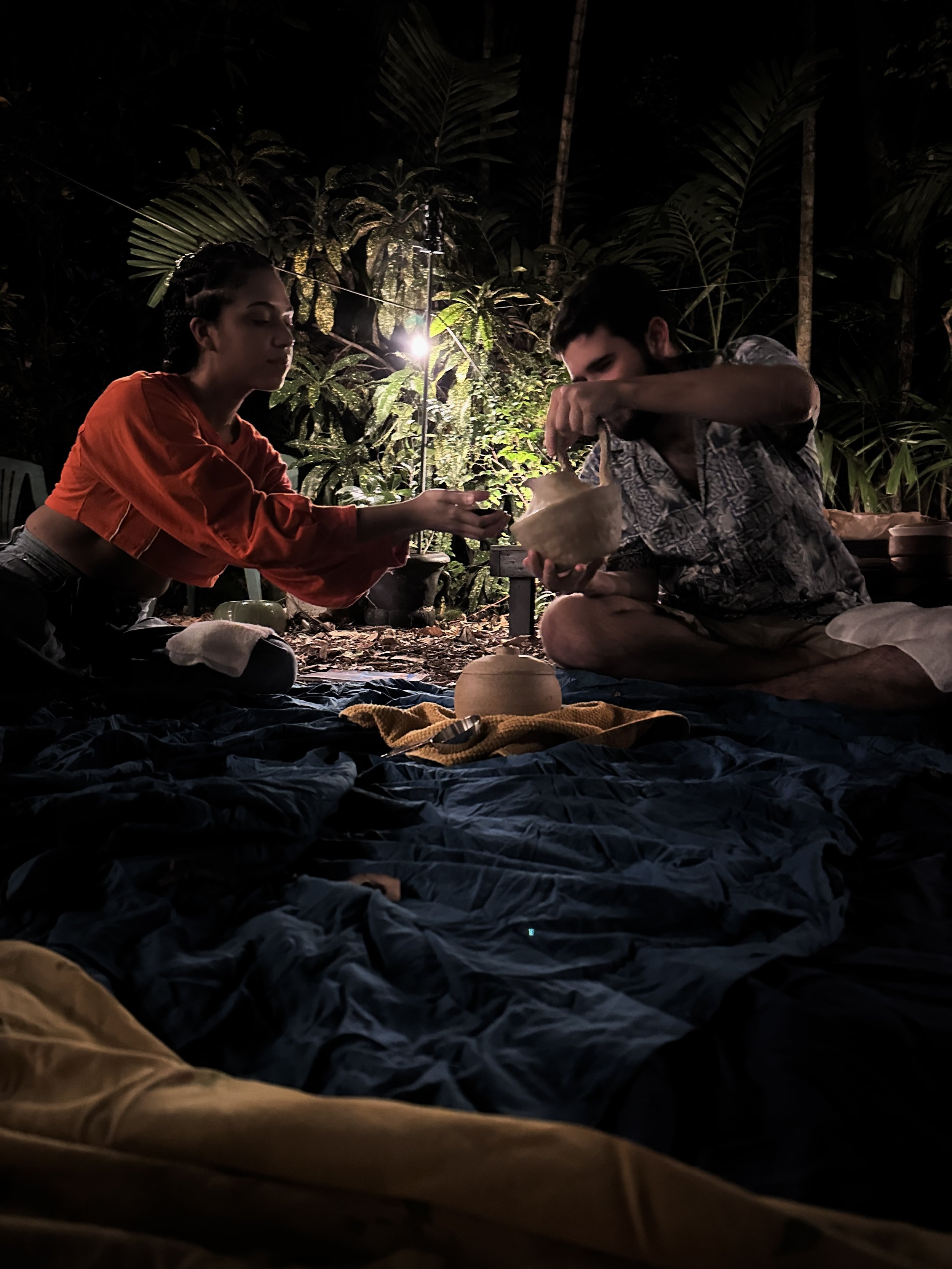
WATER CEREMONY | FINCA MORADA | DEC 2023
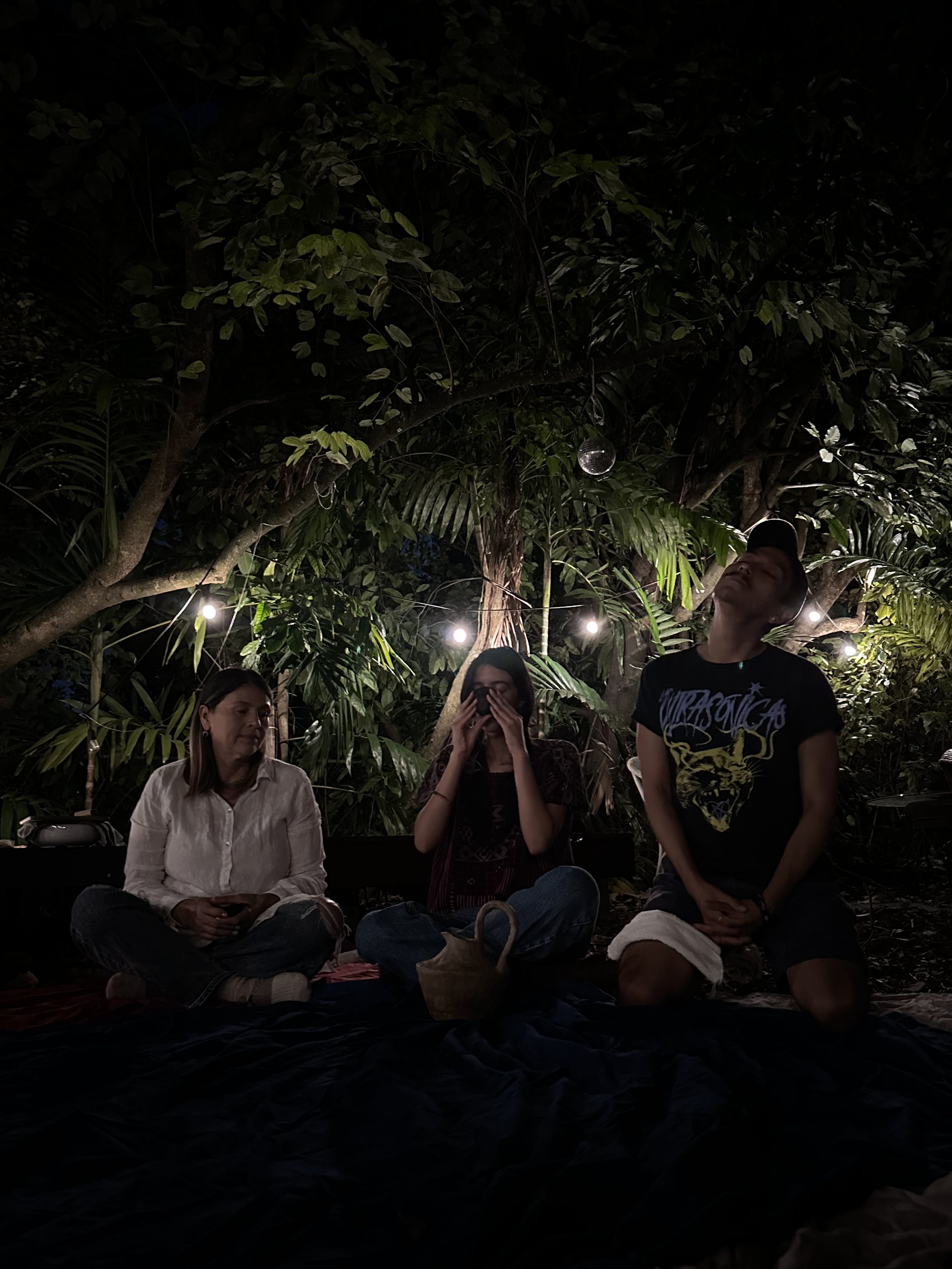
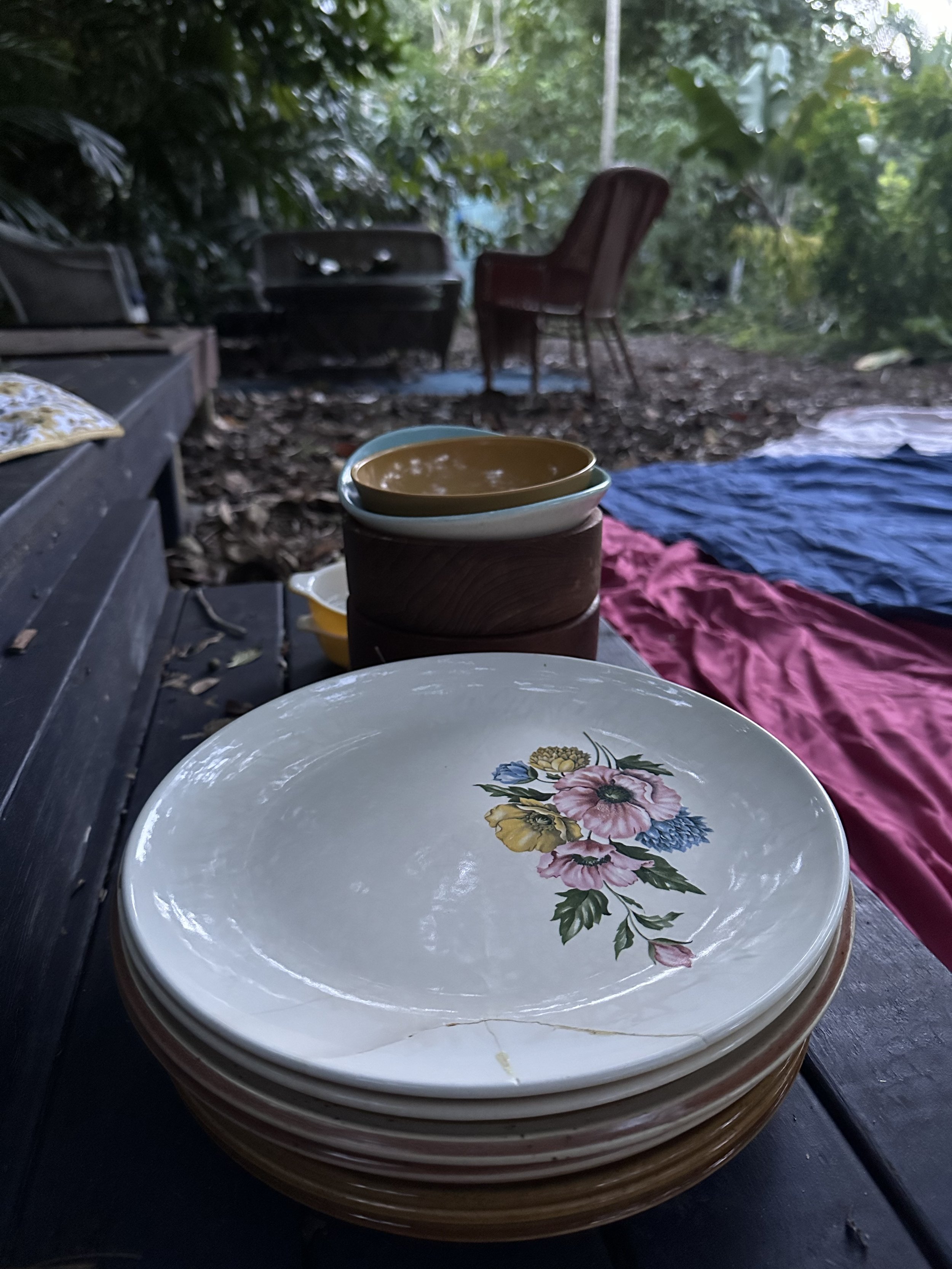
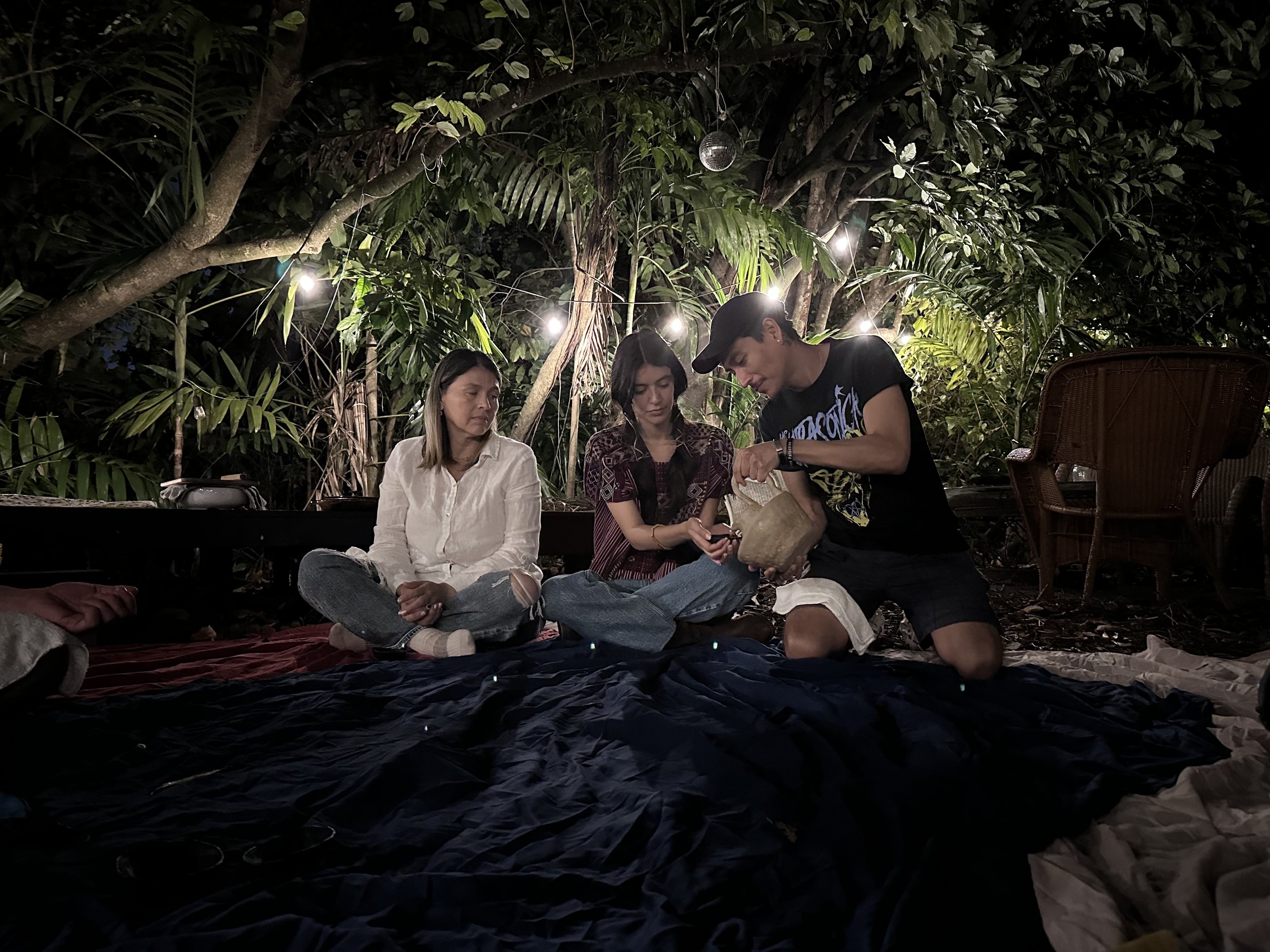
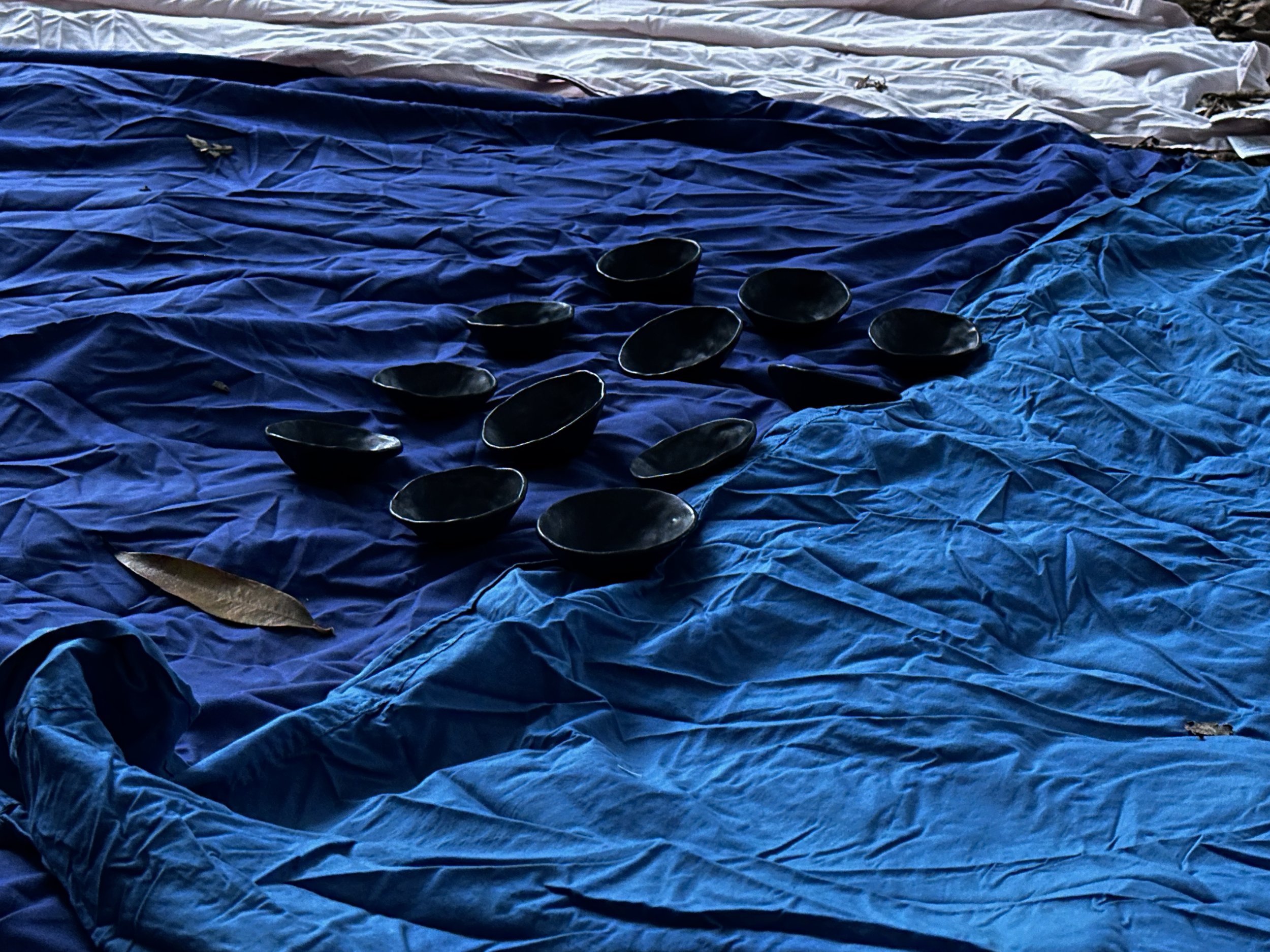
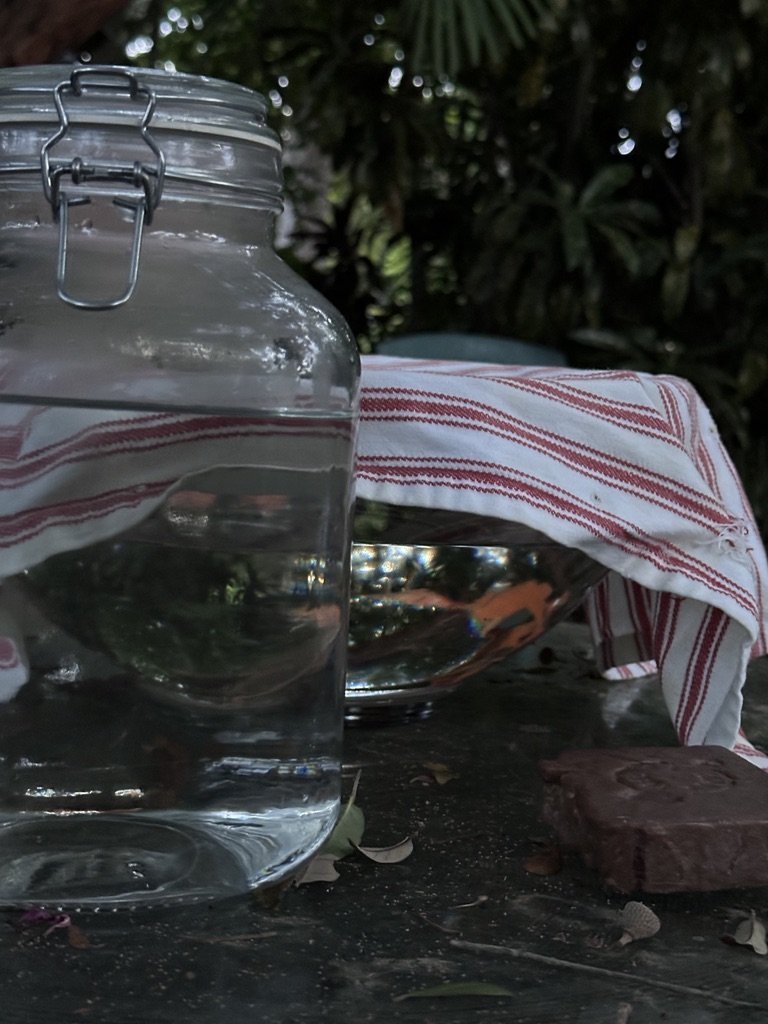
In this water ceremony, we drink water, as well as tea made from local herbs (sourced from Finca Morada’s food forest). we move through a ritual that is reliant upon the collective effort and willingness to support one another through. The intention of this ritual is to be collectively present in appreciation for water as our source of life, as our guide. Together, we understand how water embodies us in every way, following a cycle of construction and destruction that forms the landscapes around us, that moves our bodies through our life cycle. Its presence, its accessibility, its transformative and healing potency is vital, precious, and critical to honor and to respect. Water shows us how to care for one another, and through its translucency and fruitfulness (as a bearer of our collective memory), how we are each reflections of the other, and of our ancestors.
The water ceremony is completed in silence, with the only words spoken being to guide those participating through important steps. In our shared silence, we are made incredibly vulnerable. It has the tendency to cultivate a self-awareness and an awareness of those around you that can at times feel overwhelming. This ritual in particular is also paced slowly, which may contrast significantly to the world outside you have just shifted from upon entering this space. If you find yourself feeling uncomfortable or restless, I invite you to take a moment to notice these feelings coming up, to acknowledge which thoughts are prompting them- and to do so without judgment. It is the intention of this silence to heighten this awareness of oneself and of those around you.
This is a ritual reliant upon gestures. “Gestures as “the direct agent[s] of the heart… preceding speech…[which] can reflect all that passes in the soul” (delsarte). to share and navigate a space in silence with another requires trust, prompting sensitivity. This is a practice towards reciprocity
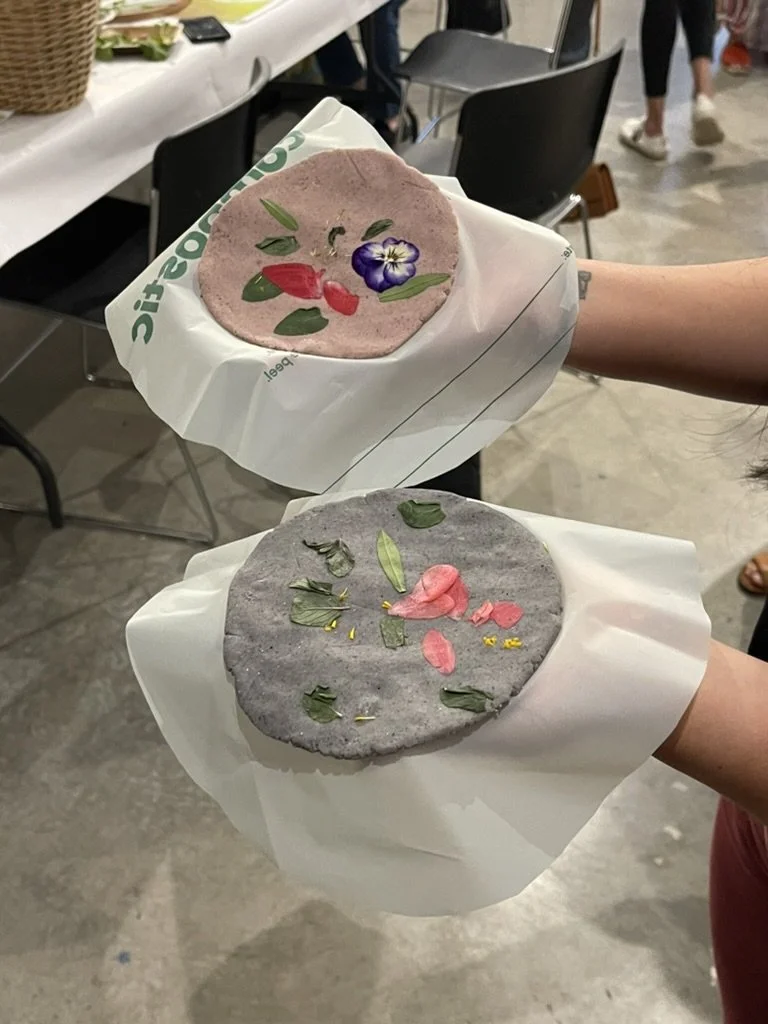
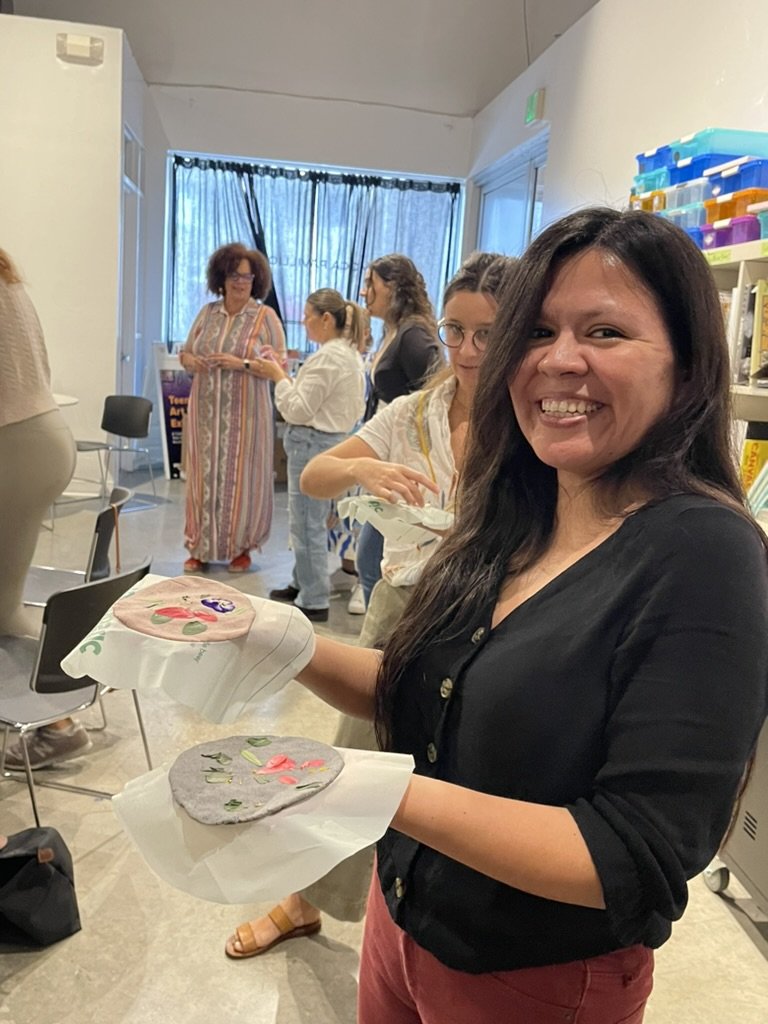
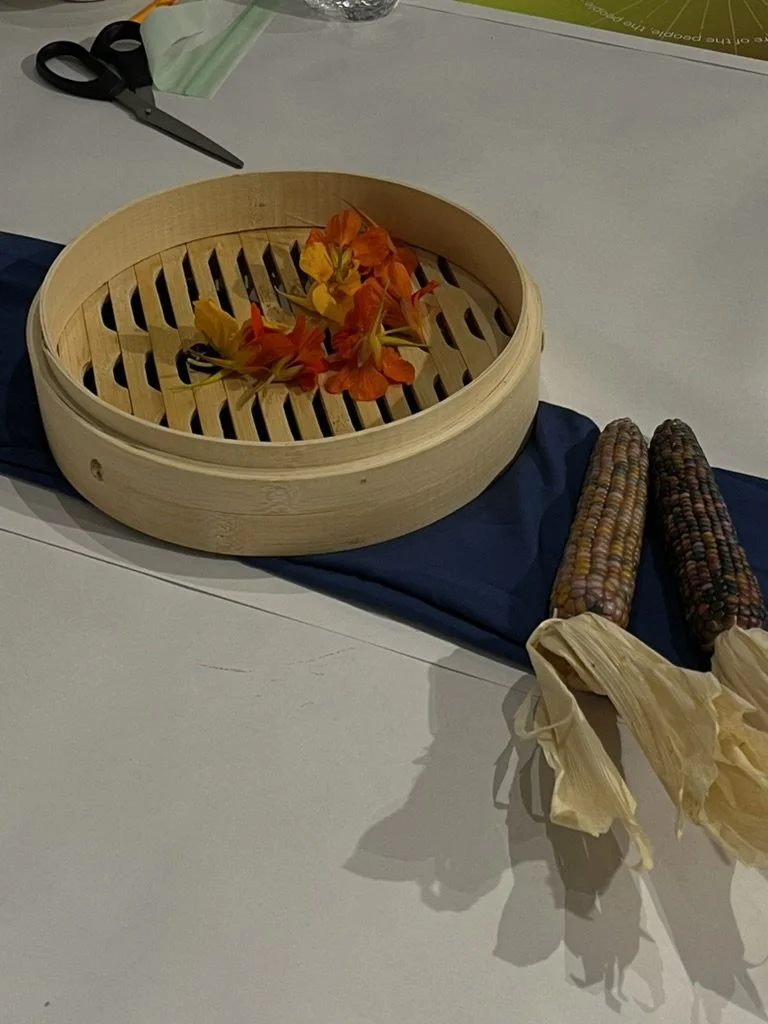
MOCA MAKERS | MUSEUM OF CONTEMPORARY ART NORTH MIAMI | NORTH MIAMI, FL
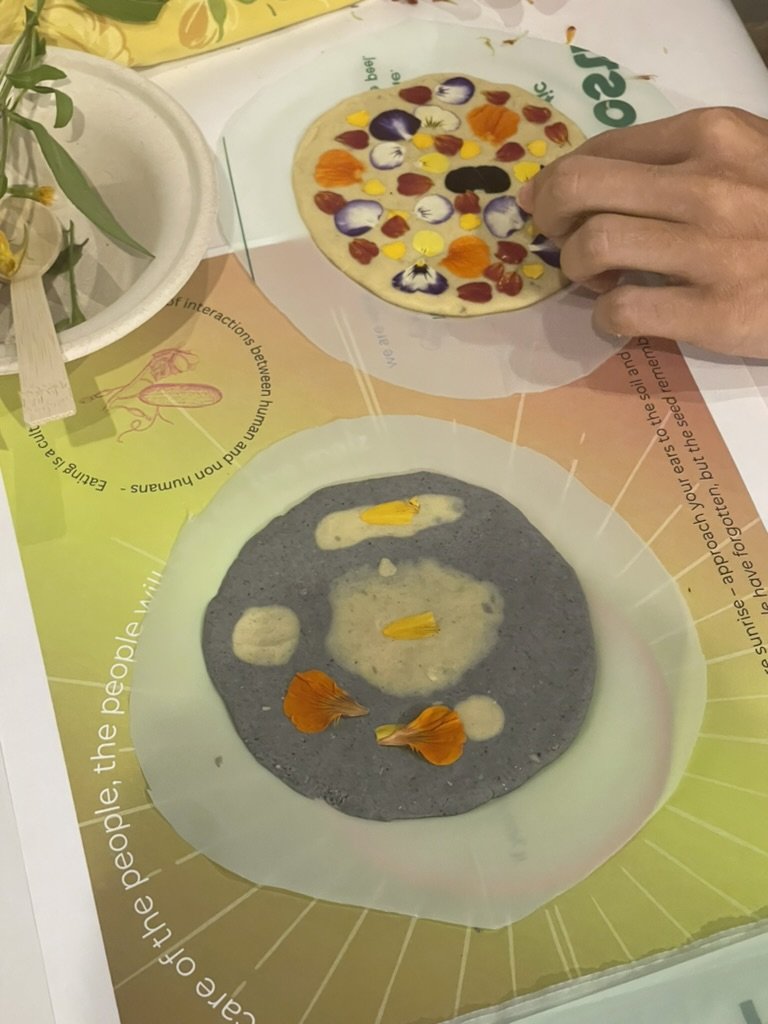
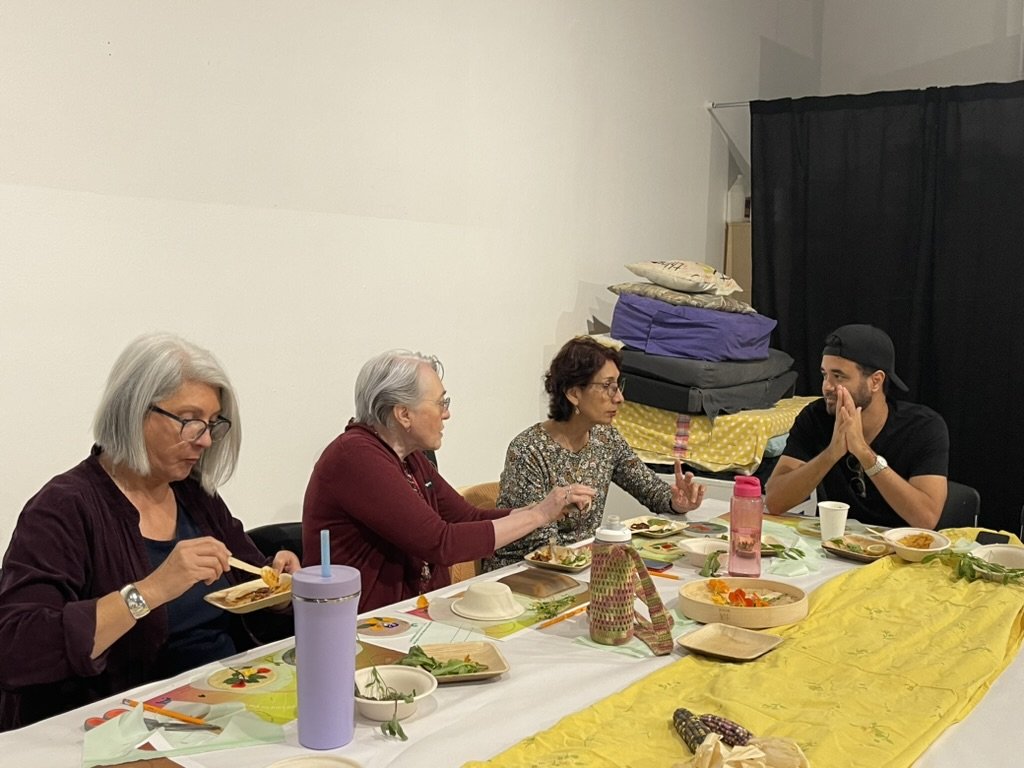
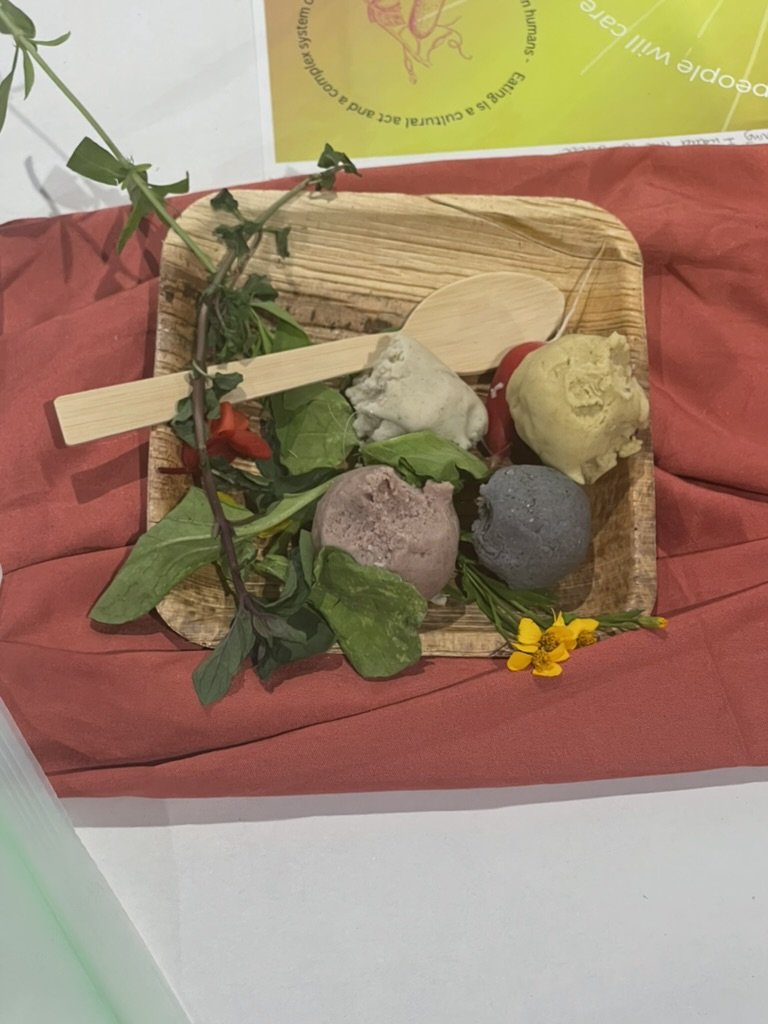
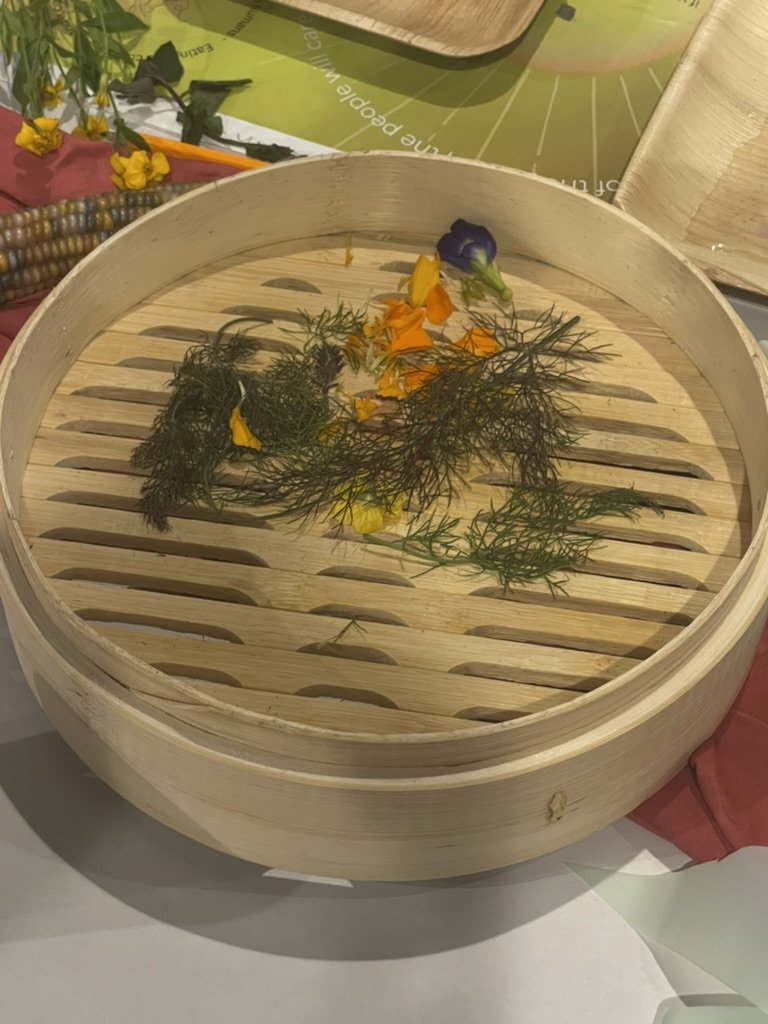
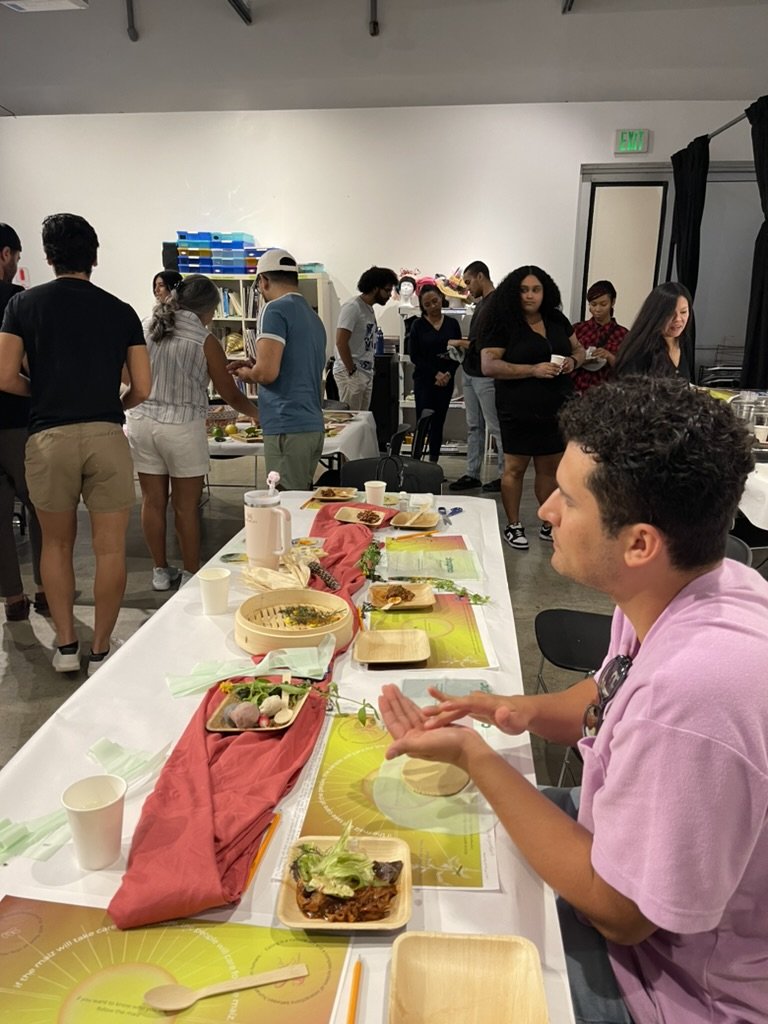
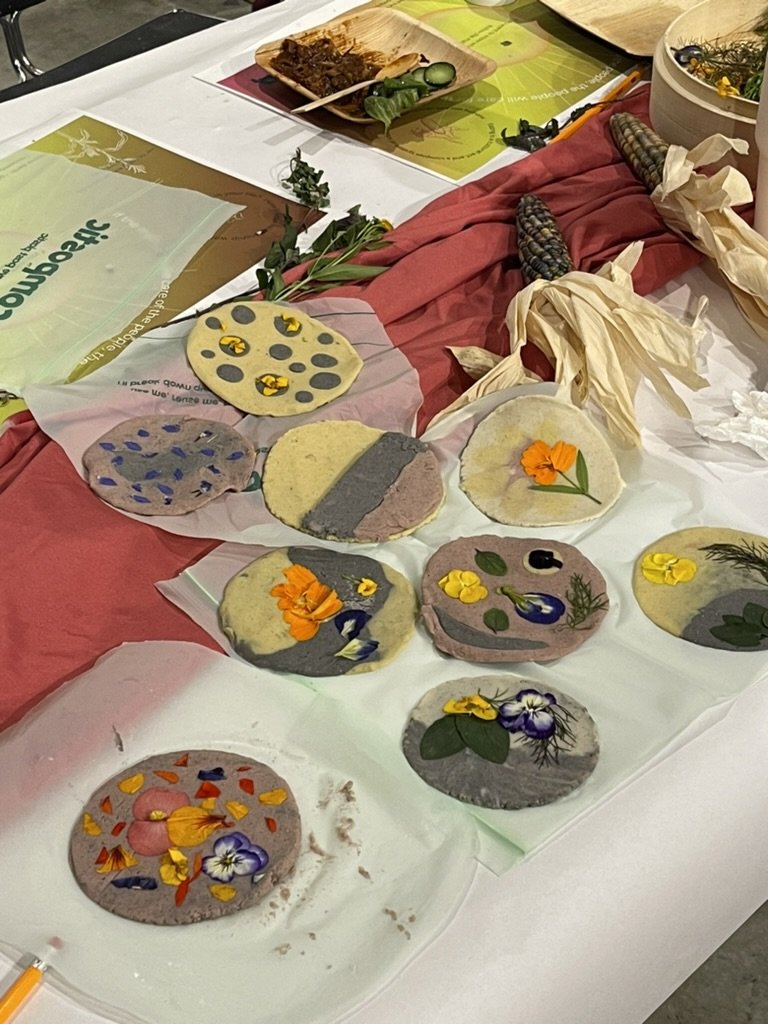
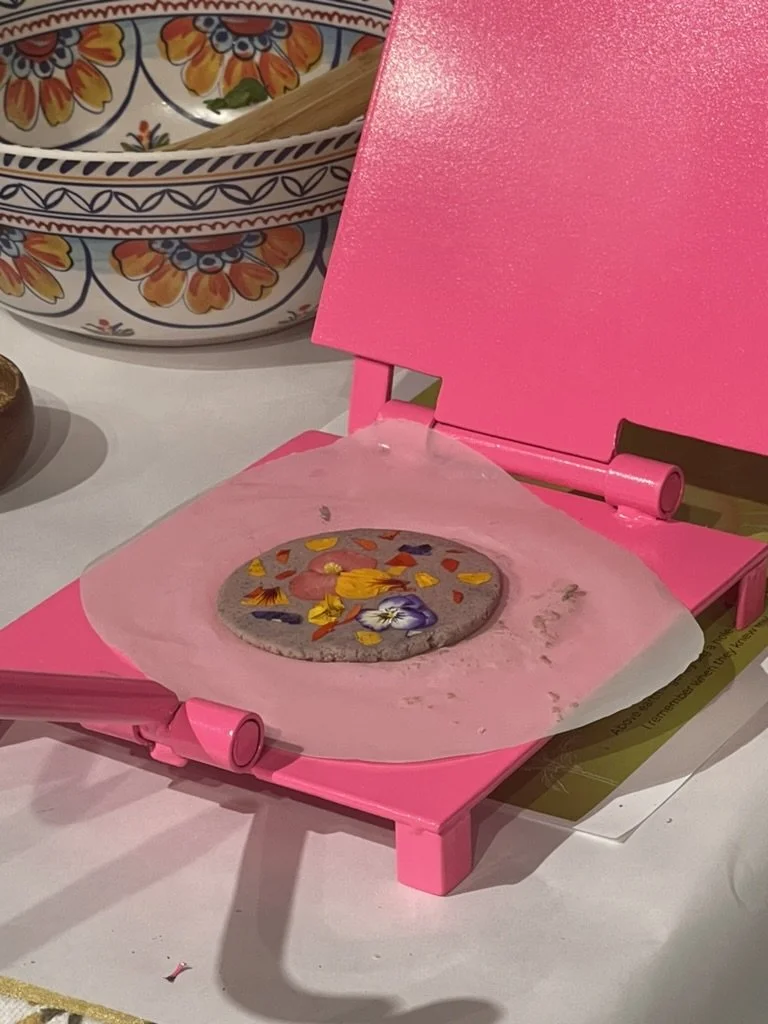
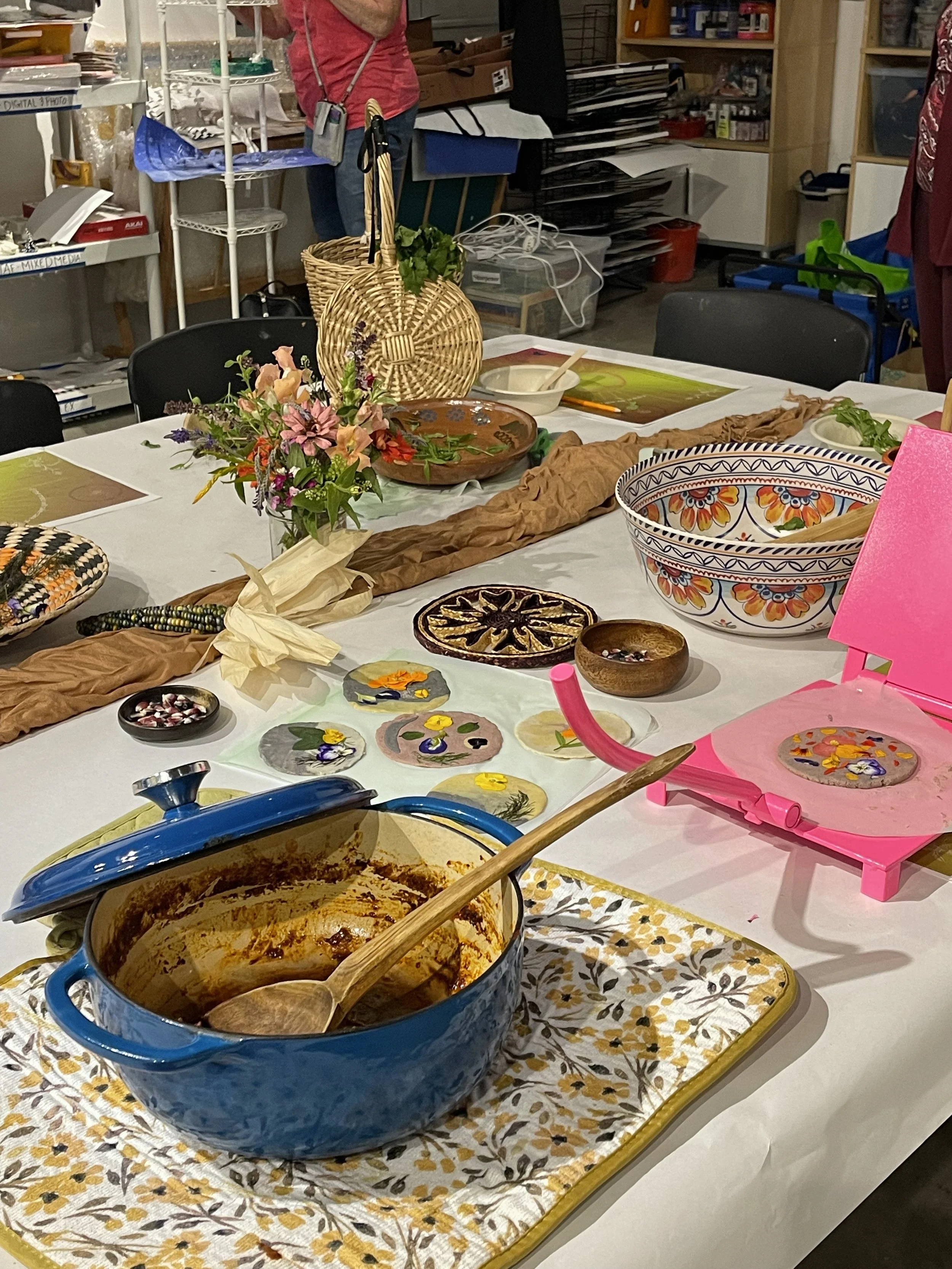
EL COMEDOR AZUL | OCTOBER 2022
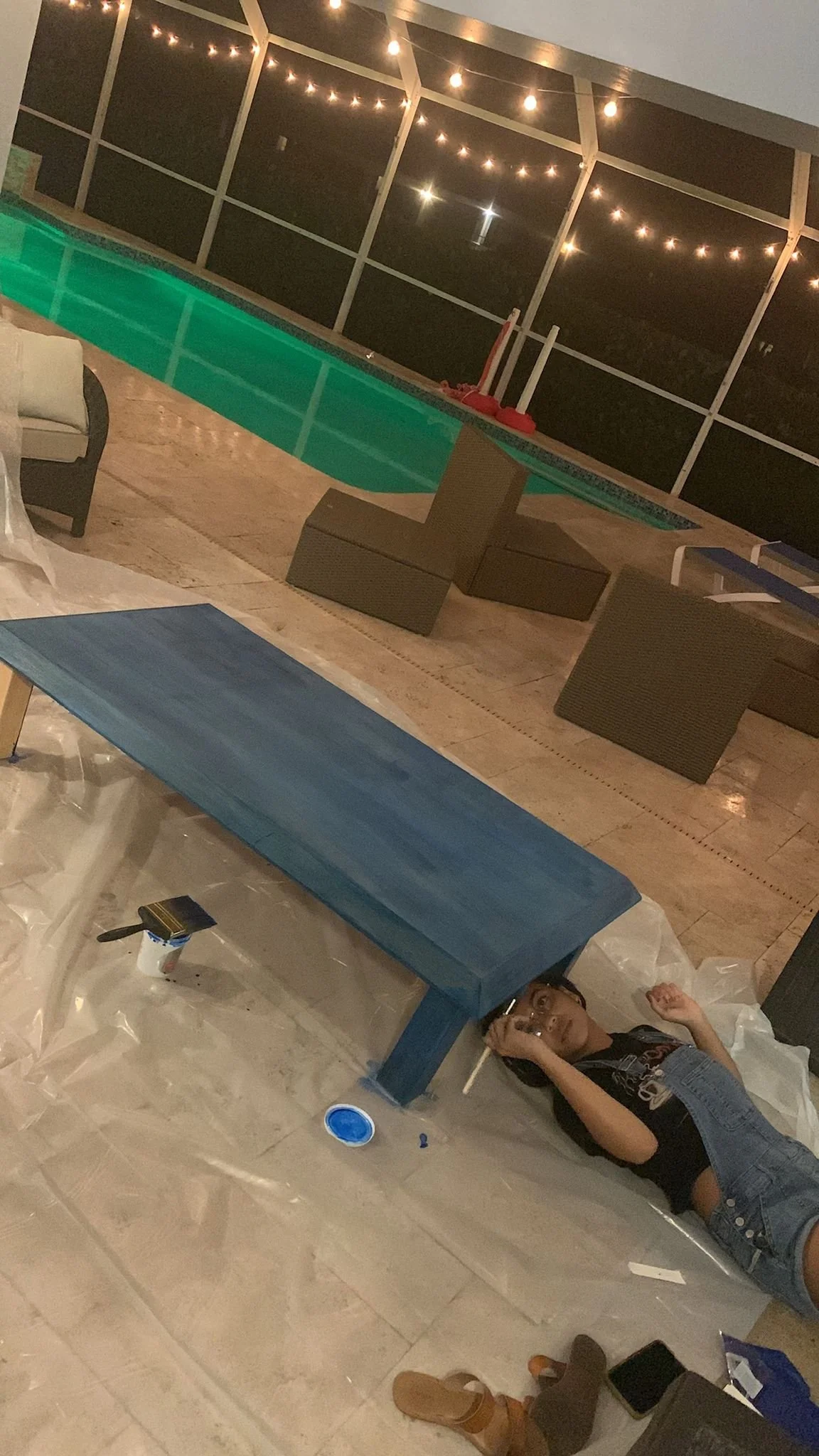
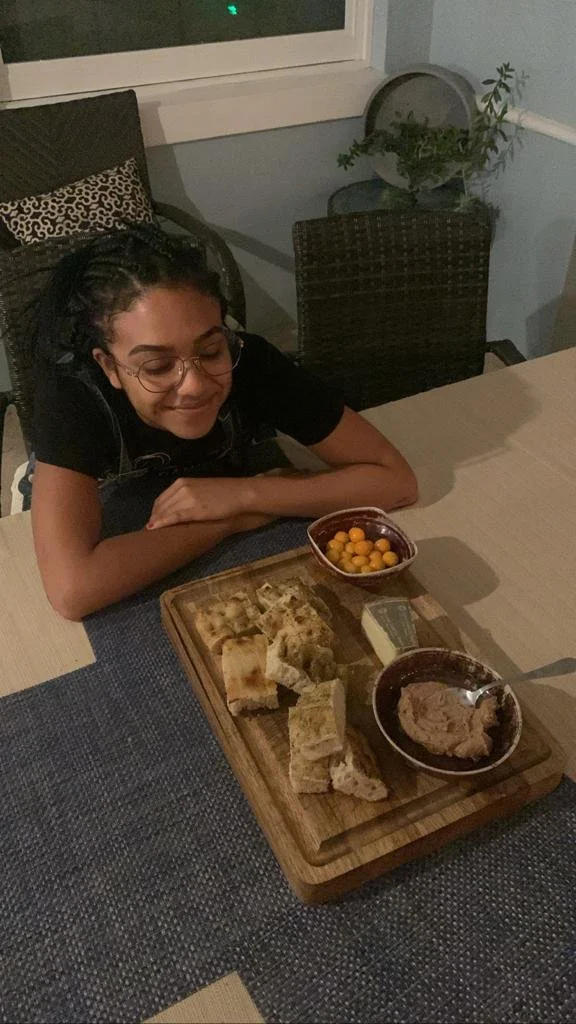
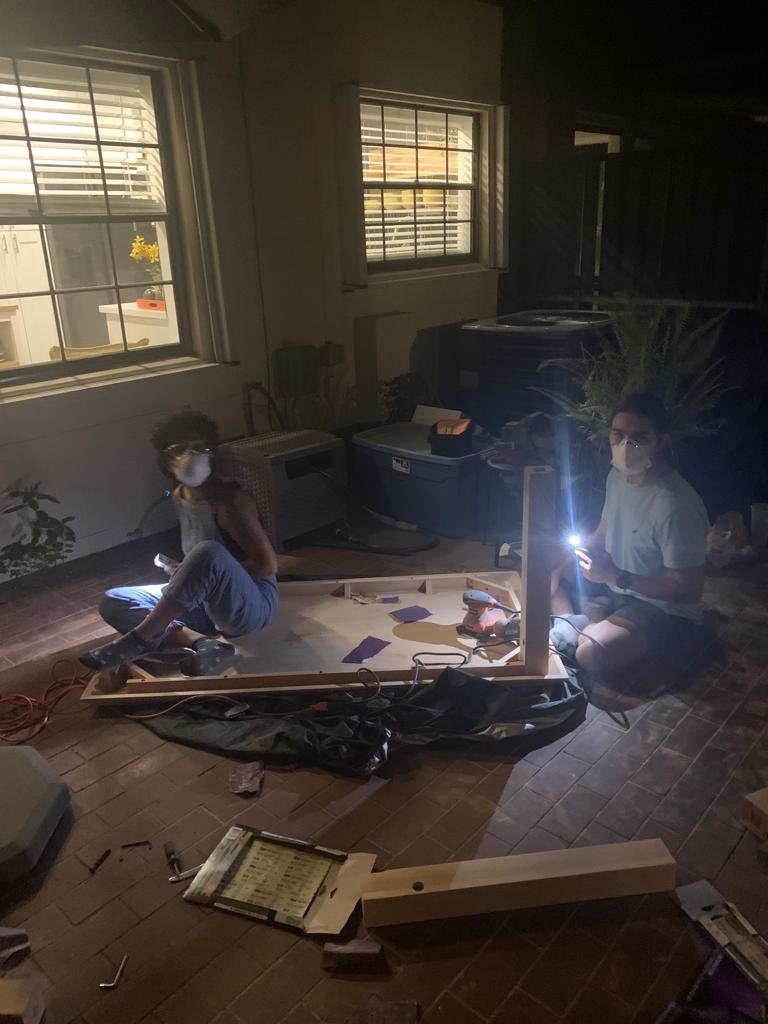
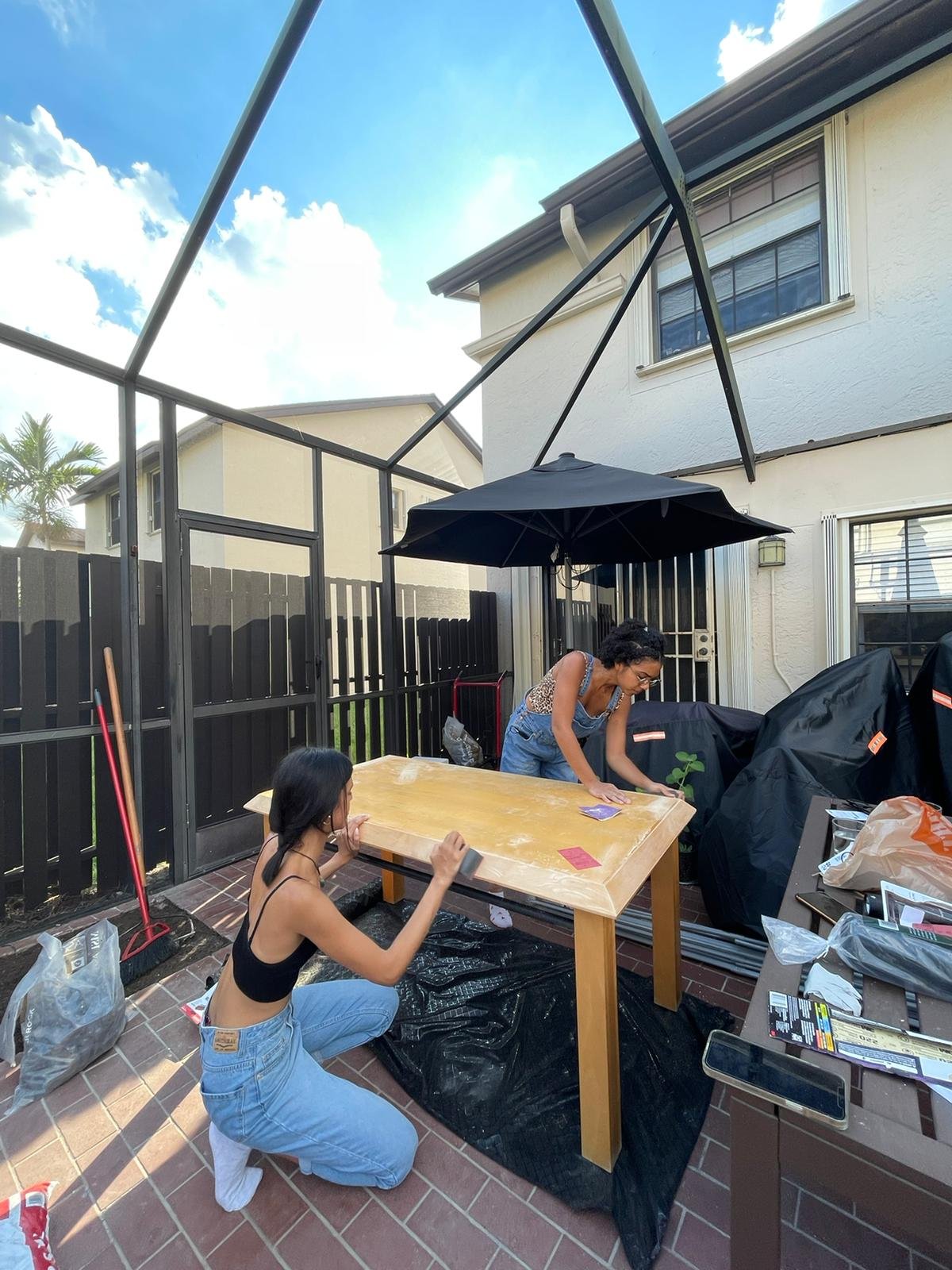
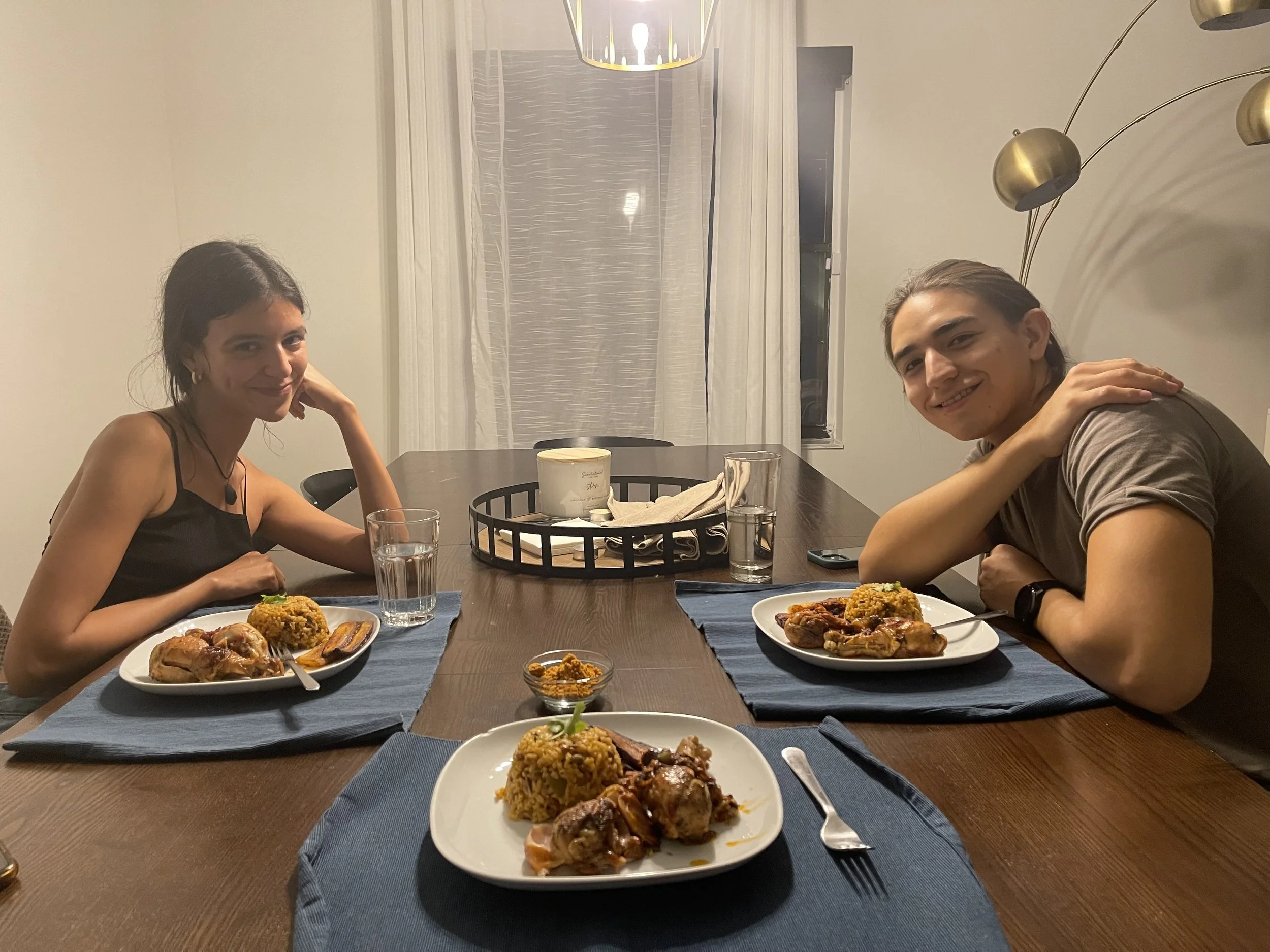
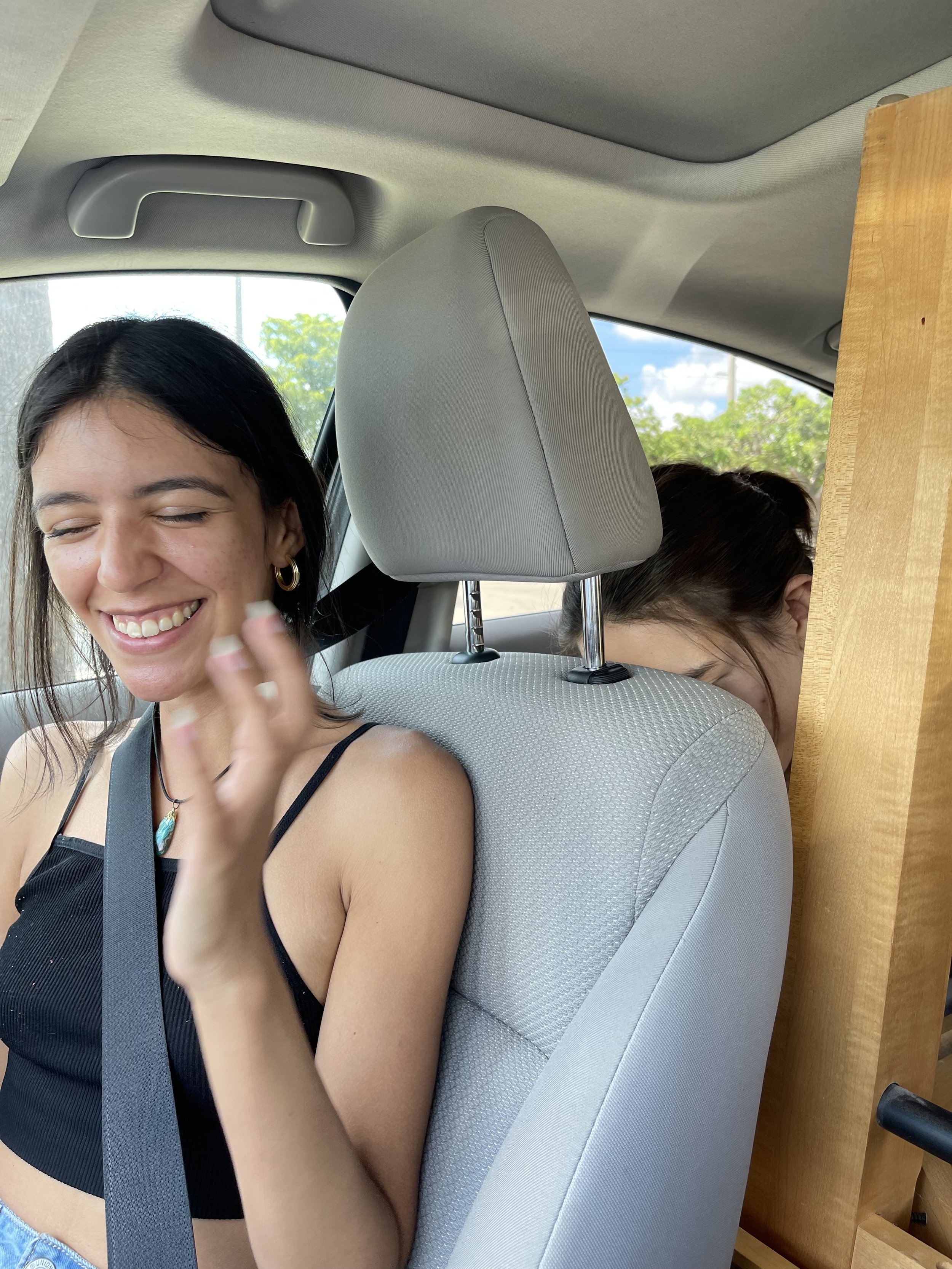
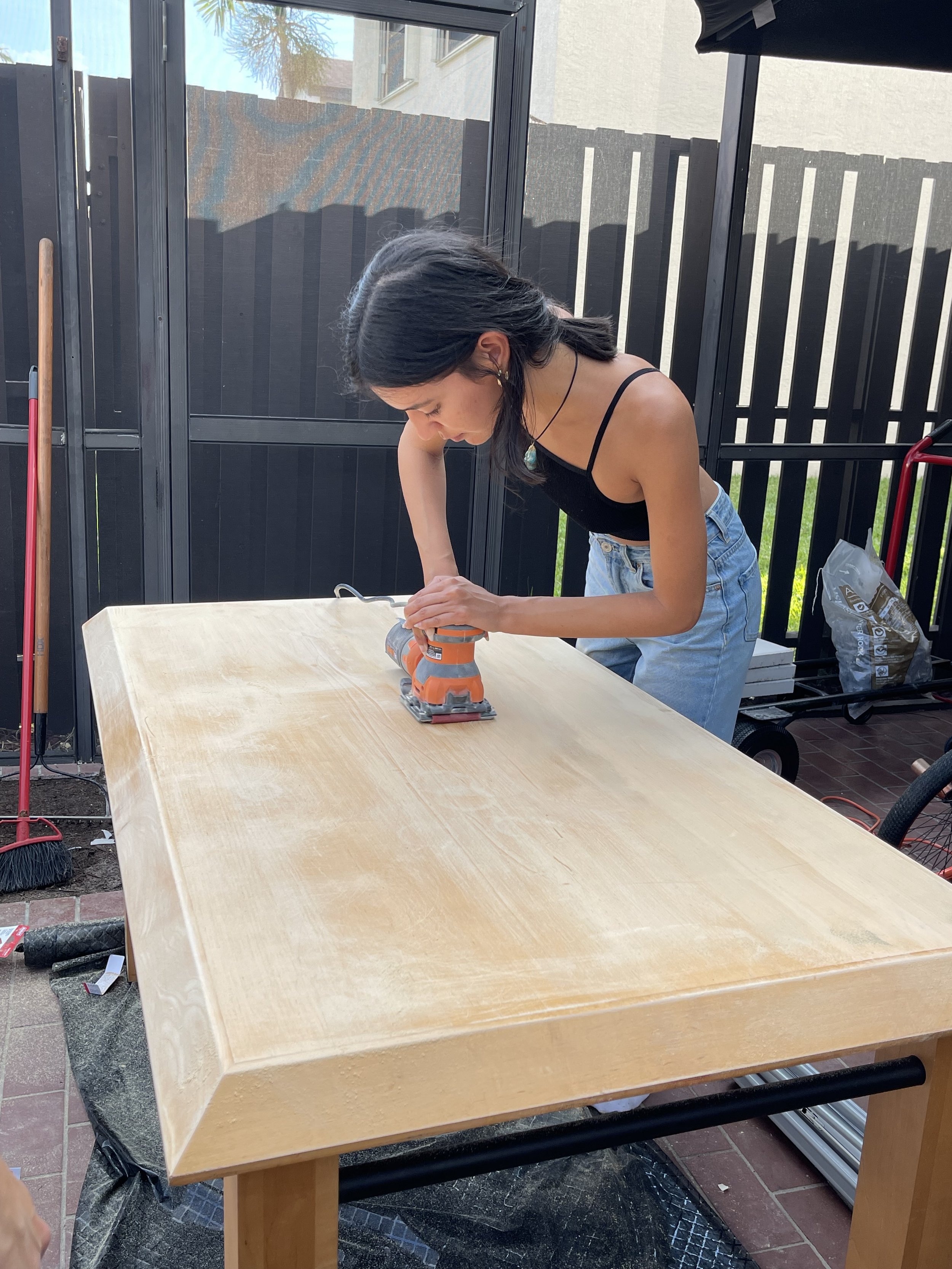
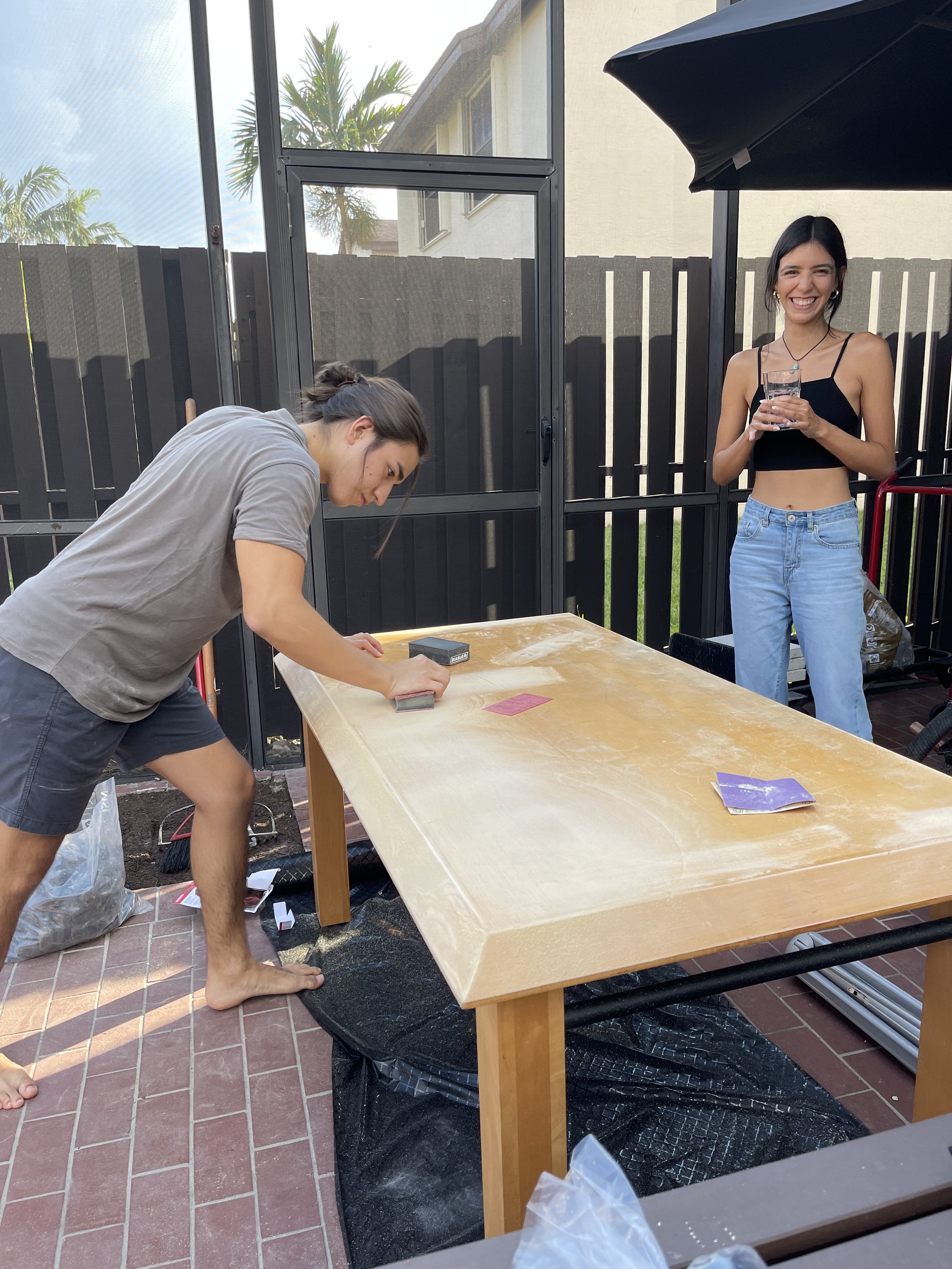
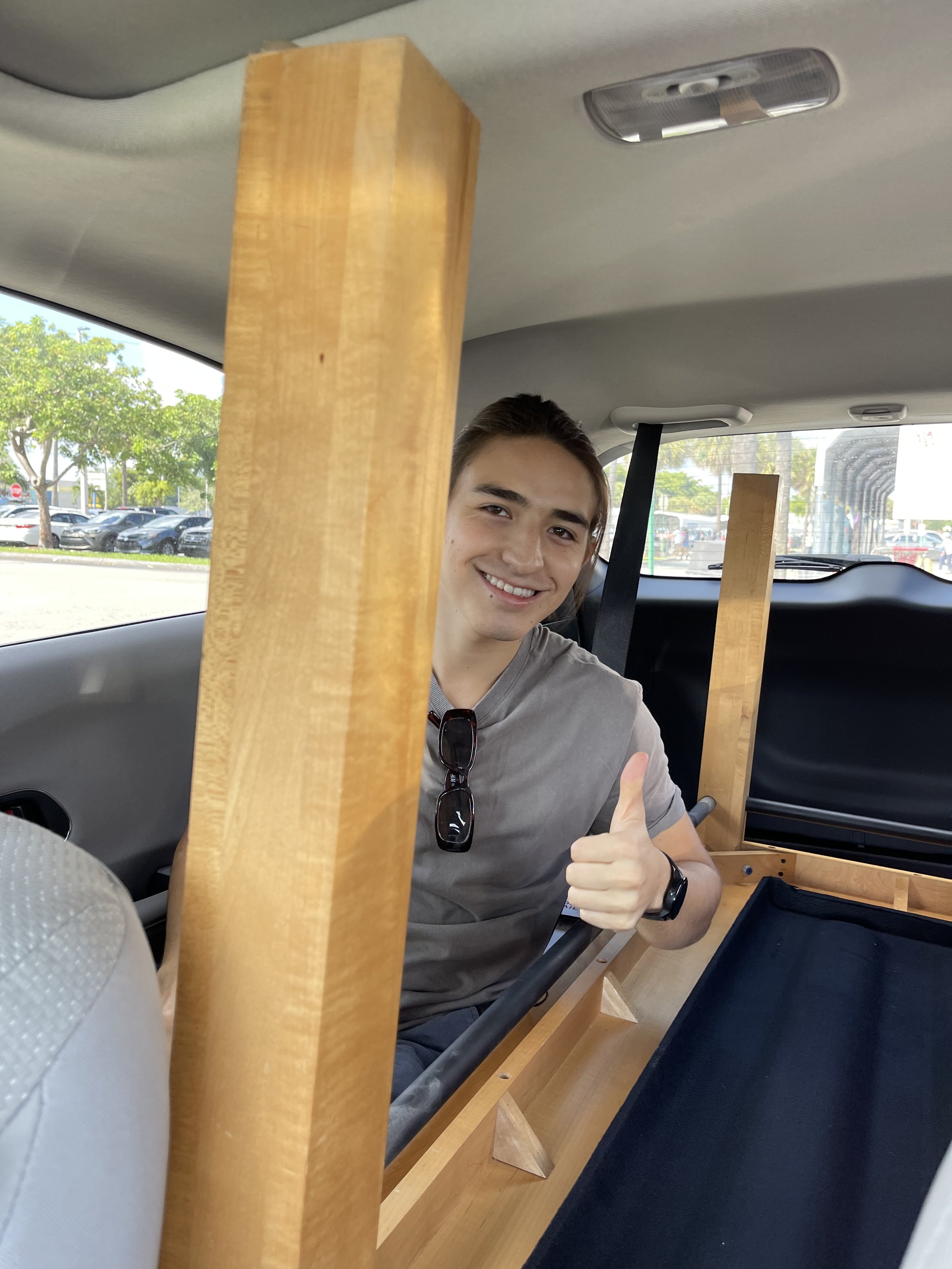
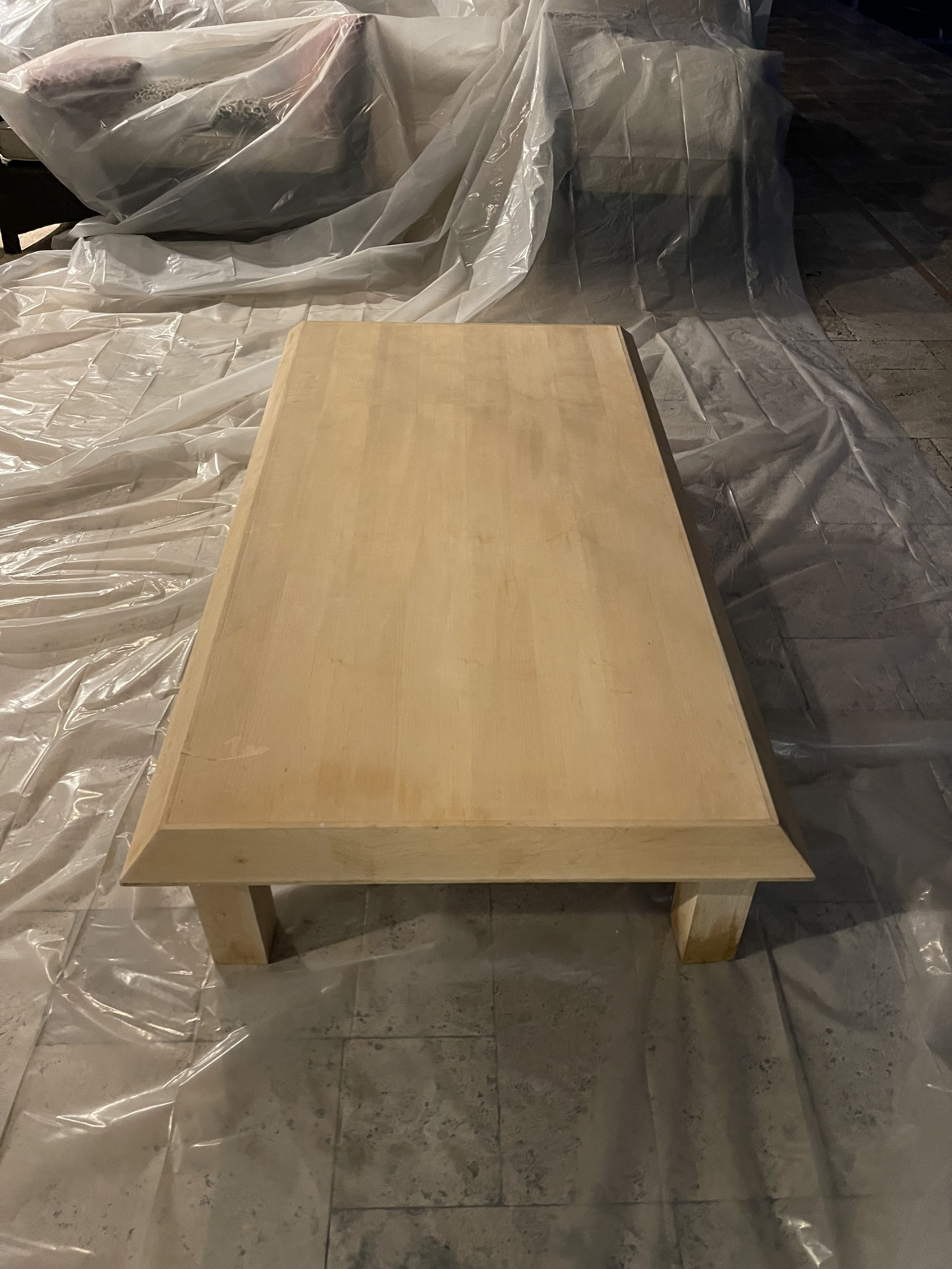
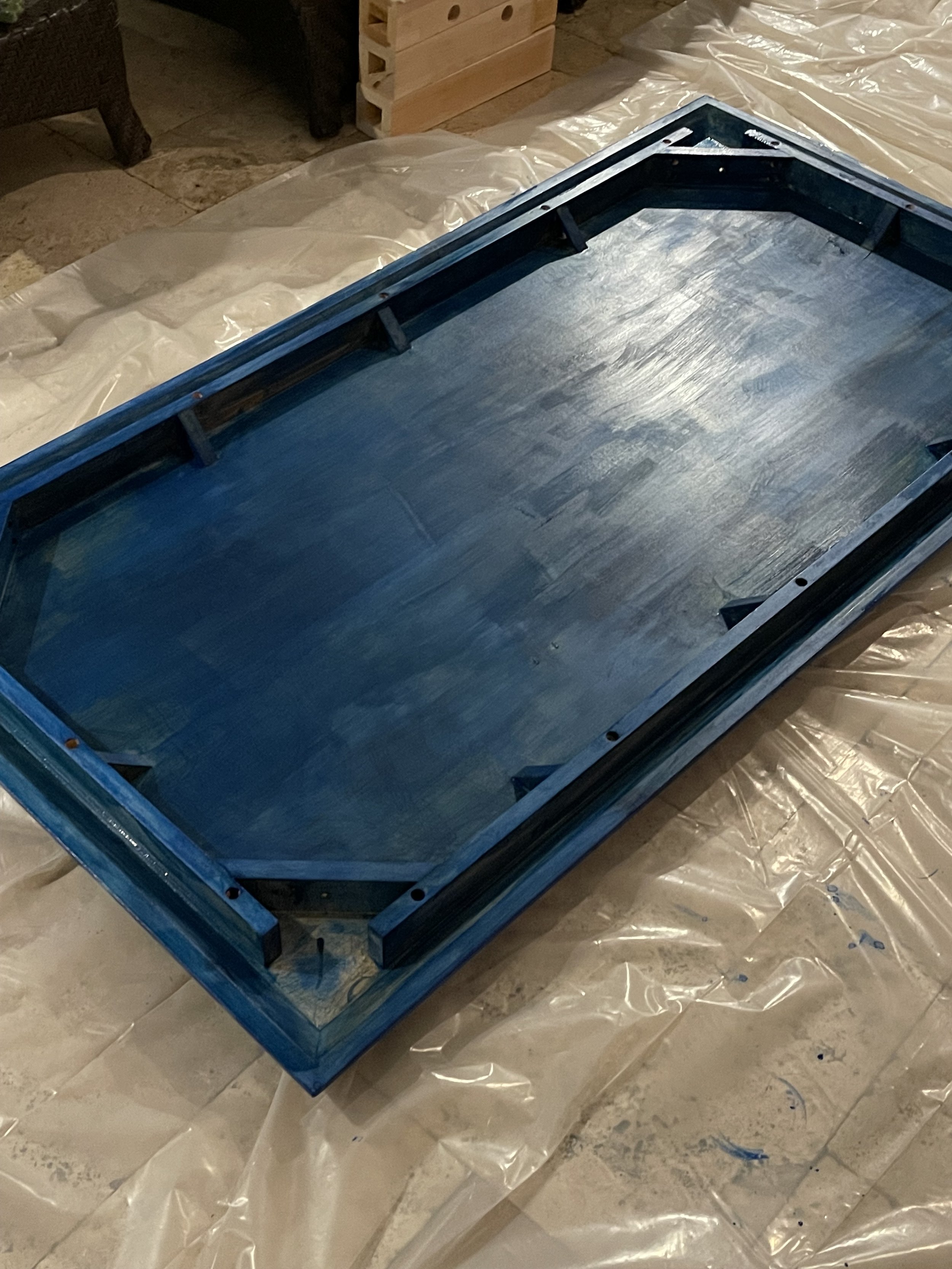
photo courtesy of Jayme K. Gershen
Amaris Cruz-Guerrero, Les Gomez-Gonzalez, Joaquín Stacey-Calle
(left to right)
[Les on Oolite Arts: Ellie’s Award]
olvidar, es olvidarnos was a project funded by Oolite Arts Ellie’s Award from 2022-2023. In 2024, Oolite Arts censored a local artist’s pro-Palestinian artwork work by abruptly removing it from its installation in Miami Beach. An Open Letter was written, with requests to engage in critical dialogue with Oolite Arts Board of Directors, with a clear set of demands to hold the institution accountable and work towards repair with the artist and the entire local art community.
“Art should be a space for exploration, dialogue, and mutual understanding, not a battleground for censorship and suppression. We believe that as a well-respected and well-funded institution, Oolite Arts has a responsibility to uphold artistic freedom and resist censorship. We call for accountability from the institution for their actions and decisions.”
May 2024 (via Prism):
“Nearly 700 South Florida artists and community members have signed an open letter calling for the board chair of Oolite Arts to resign following the abrupt removal of pro-Palestinian artwork at a Walgreens in Miami. Oolite Arts is Miami’s largest artist support organization and offers artist residencies, housing stipends, and additional areas of support to the community.
Vũ Hoàng Khánh Nguyên’s pro-Palestinian “How we live like water” artwork was displayed at the Walgreens on 67th Street and Collins Avenue before being removed on May 3. According to an open letter written by Nguyên, Oolite board members made the decision to remove the artwork during a board phone call on May 3 without Nguyên’s consent. Nguyên said Oolite only notified them after the board initiated the removal.”
https://prismreports.org/2024/05/20/oolite-arts-call-for-board-resignation-censorship/
Oolite Arts canceled their residency and all programming for the rest of the year, and made it so that grant applications (already submitted earlier in the year) would have to be resubmitted.
Repair has not been effectively made with the Miami Art community. Residencies, programming, and grant funding have resumed since, and it all continues without proper accountability because ultimately, Miami Artists have limited funding resources. I am adding this note here because it is crucial that this act of censorship is not forgotten. Since 2023, we have seen escalations in institutions censoring artists who speak against genocide and in support of Palestine in South Florida, along with the expansion of anti-BDS legislation statewide.
The very foundation of a project like Comedor Azul is rooted in the global intersection of our struggles. It was an homage to the ancestral memory we carry from our Latin American and Caribbean motherlands, imagining and co-creating pathways with our community towards our Collective Liberation–and that includes Palestine,
As cultural practitioners, we can no longer afford to add to the art world's complicity in only aestheticizing our histories and current struggles.